
TÜRKİYE · COUNTRY GUIDE
Turkey Photo Spots: Light, Access and Responsible Photography
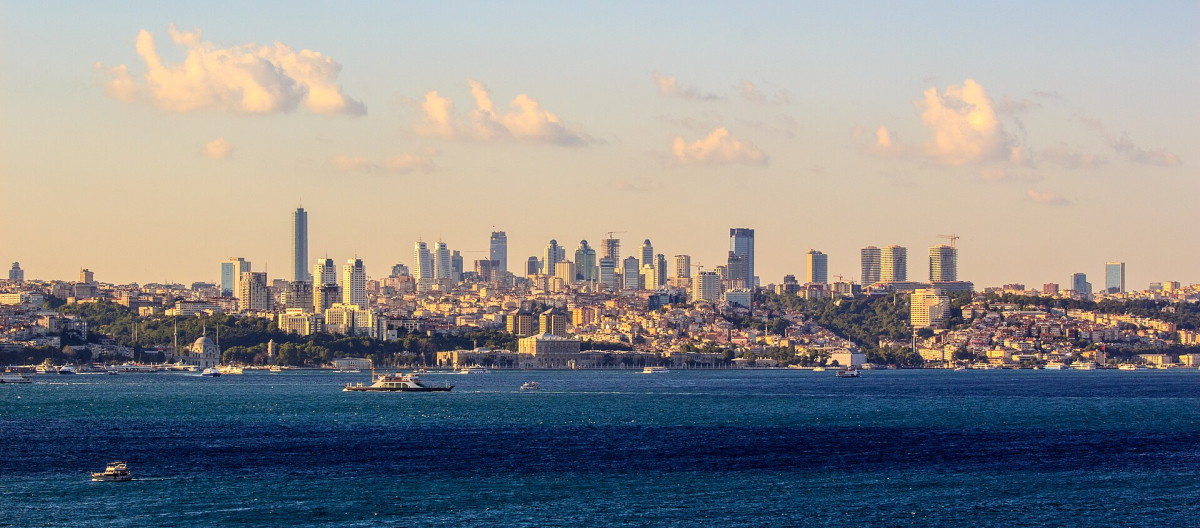
Photography in Turkey benefits from a plan for light, lawful access and the journey back. The best viewpoint for a particular trip is the one you can reach safely at the right time, with enough space to work without obstructing residents or other visitors. This guide focuses on photographing places, rather than repeating the destination descriptions in Top Destinations.
Choose two or three photographic priorities within the route you already intend to travel. A sunrise in Cappadocia, an Istanbul waterfront evening and an archaeological visit can each need different equipment and access arrangements. Do not add a distant region simply to copy a familiar image. Check the weather, current site rules and transport before assigning a fixed shooting time.
| Subject | Useful approach | Main access check |
|---|---|---|
| Istanbul from Üsküdar | Include the waterfront and skyline at changing evening light | Public path, ferry return and crowding |
| Uçhisar | Separate a broad landscape from closer rock-cut detail | Lawful viewpoint and any ticketed opening hours |
| Ephesus | Work with the visitor route and façade geometry | Current admission and photography/tripod rules |
| Pamukkale | Use permitted viewpoints and protect the terraces | Open paths and current conservation instructions |
| Aegean and Mediterranean towns | Use shore, streets and an identifiable local detail | Private property, safe parking and the journey back |
Istanbul: Üsküdar Waterfront and the Historic Skyline
The Asian-side waterfront offers a way to compose the water with the skyline across the Bosphorus. Instead of relying on one fixed spot, walk the permitted public path and look for separation between foreground, boats and the distant monuments. A wider lens can include the waterfront setting; a longer focal length can isolate a skyline detail. Respect barriers and do not enter a private terrace for a cleaner view.
Evening light can change quickly with cloud, haze and the season. Arrive before the period you want to photograph so that you can assess the path and crowds. Keep the camera and bag clear of moving pedestrians. If wind is strong, protect the equipment and choose a more sheltered position. A blue-hour picture is a different exposure decision from a bright sunset; take a few deliberate frames rather than blocking the path throughout the transition.
Check the actual return with Şehir Hatları or the relevant rail connection. The last crossing from one pier does not establish the timetable at another. If a tripod is unsuitable in a busy place, use a stable handheld approach rather than spreading its legs across a narrow promenade.
Uçhisar: Landscape, Rock and Scale
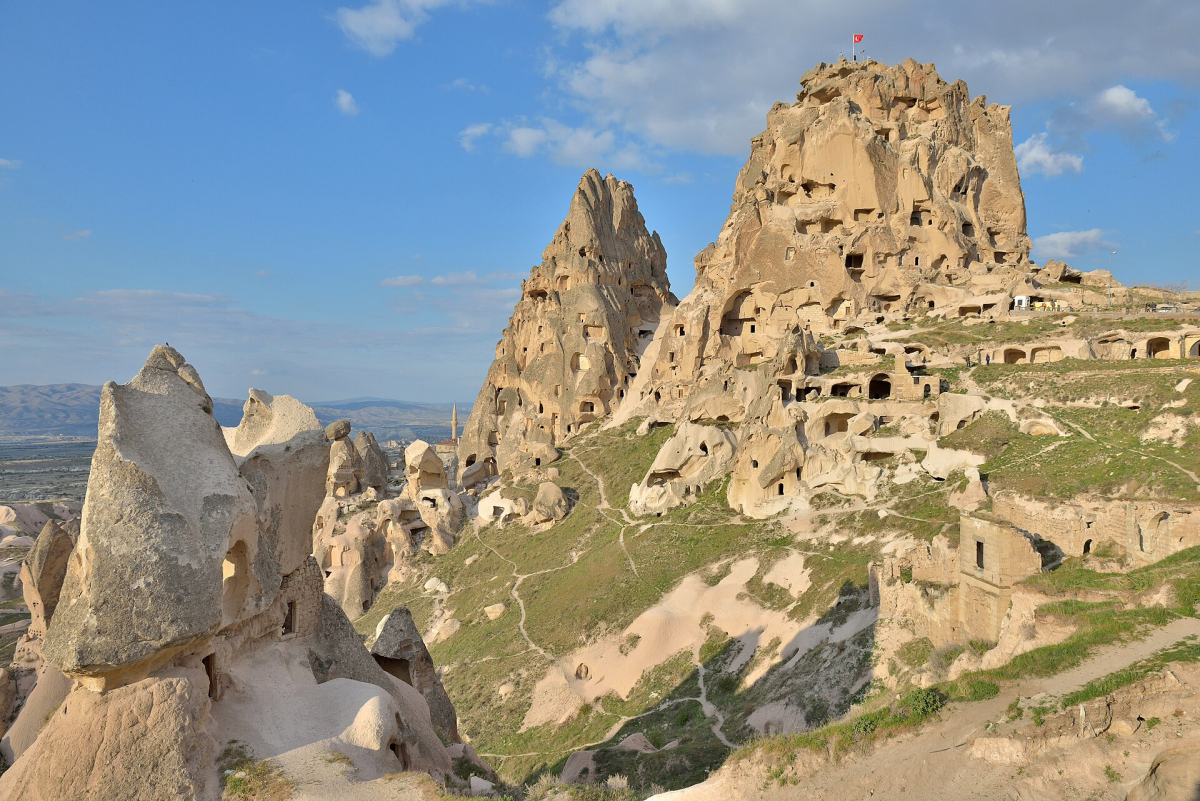
Uçhisar gives a different photographic subject from the familiar balloon-filled Göreme image: a rock formation integrated with a town and a wider volcanic landscape. Establish where you are permitted to stand before choosing a composition. A ticketed viewpoint has its own hours; public streets and private hotel terraces are different spaces. Ask accommodation staff about access rather than treating a rooftop photograph as an invitation.
Try one frame that explains the landscape and another that uses a person, doorway or building for scale, with consent where needed. Side light can reveal texture; flat light may suit a broader colour composition. Conditions vary, so a particular photograph should not be used as a timetable for the sun. In cold weather, allow for batteries, slippery surfaces and the walk back to the base.
Balloon launches and paths depend on aviation and weather decisions. Do not stand in operational areas or follow vehicles onto restricted land. Photograph from a lawful location and let the morning work without a promise that balloons will cross a particular frame. If you want an aerial experience, choose the operator and flight conditions first; photography is secondary to the crew's instructions.
Ephesus: Geometry inside the Visitor Route
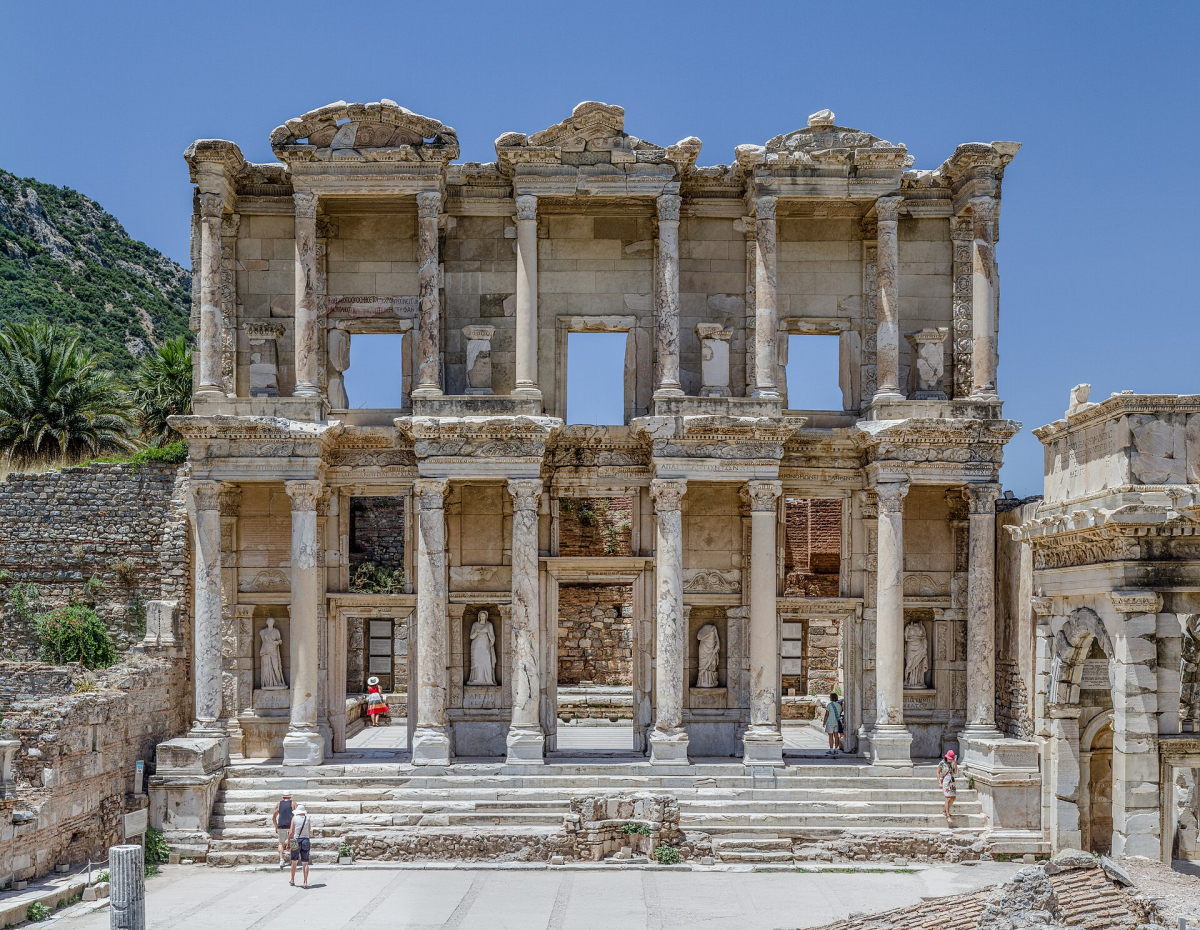
The Library of Celsus offers a recognisable façade, but a successful image can also explain the surrounding street and the visitor experience. Choose a position that does not block circulation. Look for straight architectural lines and decide whether people help show scale rather than waiting indefinitely for an empty frame. A busy site belongs to all its visitors.
Check current hours and admission on the official Ephesus record. Evening or seasonal access should be confirmed for the actual visit date. A photograph showing an illuminated site does not guarantee a night programme on every day. Tripods, commercial shooting and equipment can have separate rules; ask the operator before assuming ordinary admission covers them.
Carry water and protect yourself from heat. Avoid stepping onto restricted remains or moving stones to improve a foreground. A respectful frame from the marked route is better than a view gained by damaging the site. Pair the outdoor visit with a shaded break, especially when the photographic plan would otherwise keep you outside for the entire hottest part of the day.
Pamukkale: Work with the Open Path
The terraces are a protected landscape with changing access and water distribution. Build the composition from a currently permitted viewpoint instead of attempting to reproduce a photograph taken under different conditions. Follow instructions about shoes and where visitors can walk. Keep equipment compact and dry, and avoid setting a bag or tripod in a fragile or busy area.
Bright surfaces can challenge exposure, while haze and cloud can remove the contrast seen in a promotional image. Review the frame without treating a duller day as a reason to enter a closed section. Hierapolis provides a different photographic subject on the same visit; plan the walking and sun exposure as well as the camera settings.
Coastal Towns: A Place, Not Only a View
In Kaş, Datça, Fethiye or an Aegean town, combine one shore view with a street or local detail that identifies the base. Ask before photographing people closely and avoid turning homes, shop entrances or restaurant tables into props. For a small cove reached from a road, use a legal parking place and a safe path. Do not stop on a bend or climb a barrier for the coastline image.
At a beach, protect nesting areas and dunes, and keep cameras away from people who have not consented to close photographs. An empty-looking shore can still have conservation restrictions. On a boat, follow the crew's directions and keep equipment secure; a phone or camera should not distract you from boarding or swim safety.
Rules, Drones and Responsible Photography
Follow posted restrictions at museums, religious sites, transport facilities and military or security-sensitive locations. Ask staff when the rule is unclear. Ordinary photography, commercial filming, flash and tripod use can be treated differently. Do not infer permission from a photo previously posted online.
For drones, consult the Directorate General of Civil Aviation's official portal before bringing or operating equipment. Registration and flight permission are separate matters, and foreign operators can face additional procedures. A small aircraft or an EU authorization does not by itself establish permission for a Turkish location. Keep any approved flight within the stated conditions.
A Compact Photography Kit and Backup Plan
Choose equipment you can carry during the actual route. A camera or phone, a spare power source and a weather-protective bag may be more useful than a heavy kit that discourages walking. Save the first viewpoint and return options offline, but verify access when you arrive. Back up important photographs when practical and store essential documents separately from image files.



