
Madrid Nightlife
Madrid Nightlife
Plan your Madrid trip: Where to go · When to visit · Where to stay · Getting around · Visa & entry · Day trips
Madrid’s nightlife is famous for starting late and continuing into the early morning, but the city offers much more than large clubs. Traditional taverns, vermouth bars, live music, cocktail bars, LGBTQ+ venues, rooftops and neighborhood pubs all form part of the evening culture.
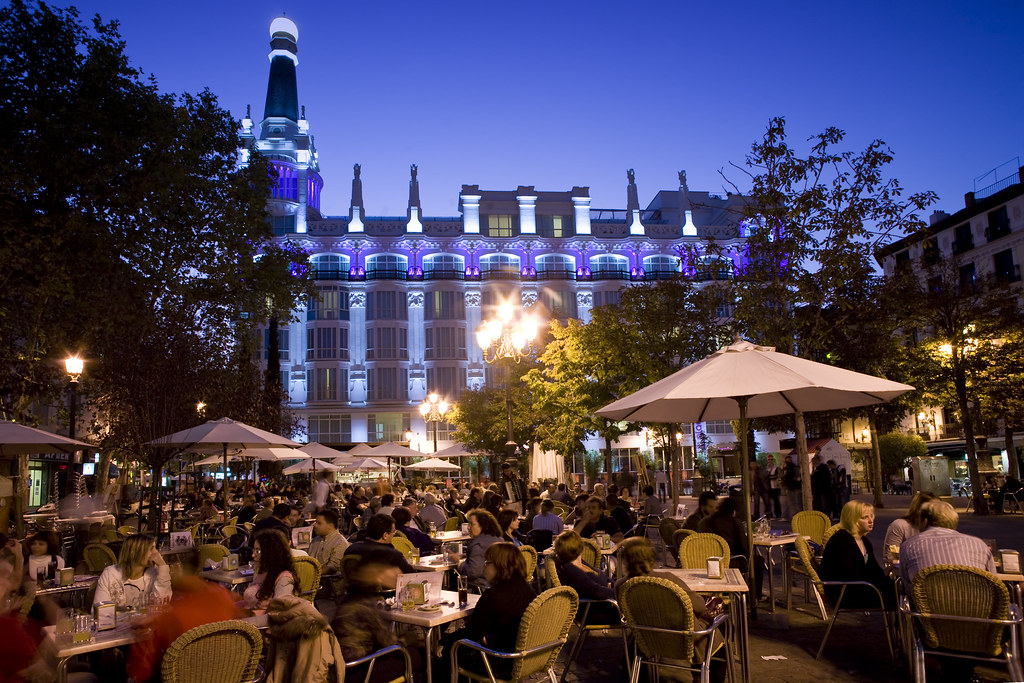
What Time Does Nightlife Start?
Madrid evenings begin later than in many cities. Dinner often starts after 9 p.m., bars get busier around 11 p.m. and clubs may not feel active until well after midnight. Visitors who start too early can mistakenly assume a neighborhood is quiet.
Malasaña
Malasaña has an informal nightlife scene with bars, music venues, cafés and independent spaces. It works well for travelers who want variety without committing to one large club.
Chueca
Chueca is one of Europe’s best-known LGBTQ+ districts and has a dense mix of bars, clubs, restaurants and cocktail venues. It is also lively for travelers who are not specifically seeking LGBTQ+ nightlife.
Huertas and Barrio de las Letras
Huertas offers bars and nightlife close to the museum district and Sol. Its central location makes it convenient for visitors staying in Barrio de las Letras.
La Latina
La Latina is strongest for tapas, terraces and bar hopping rather than giant clubs. Sundays after El Rastro can be particularly lively.
Lavapiés
Lavapiés offers multicultural bars, alternative cultural venues and a more local atmosphere than some of the polished central nightlife zones.
Salamanca
Salamanca tends to be more upscale, with polished cocktail bars, lounges and fashionable venues.
Rooftop Bars
Madrid has many rooftop venues with skyline views. Some require reservations or entry fees, and drinks can be expensive. A rooftop is best treated as a viewpoint plus a drink, not necessarily the place for an entire night.
Live Music
Jazz, rock, flamenco-influenced performances, indie music and international touring acts can all be found in Madrid. Check current programming rather than relying on a static “best venues” list.
Flamenco
Madrid is not the birthplace of flamenco, but it has a long-established performance scene and attracts major artists. Choose venues that focus on the performance rather than an overly packaged tourist dinner.
Clubs
Large clubs operate across central and outer districts. Door policies, dress expectations and schedules vary. Tickets purchased through official channels can reduce uncertainty for major events.
Vermouth and Early Evening
Not every night needs to start at midnight. A traditional vermouth, tapas and a neighborhood walk create a more relaxed version of Madrid nightlife.
Late-Night Transport
Check Metro closing times and night-bus routes before heading out. Official taxis and ride-hailing services are useful when public transport is limited.
Safety
Use normal precautions in crowded nightlife areas. Keep your drink with you, watch phones and wallets, and avoid carrying unnecessary valuables.
Dress Codes
Most neighborhood bars are casual. Upscale lounges and larger clubs may expect smarter clothing. Check the venue before going if dress rules matter.
Where to Stay for Nightlife
Malasaña and Chueca are convenient but can be noisy. Barrio de las Letras offers nightlife with easier access to museums, while Chamberí can provide a quieter hotel with short transport connections.
See Hotels in Madrid before booking.
Nightlife for Solo Travelers
Small bars, food tours, live music and organized events can be easier for solo travelers than large clubs. Stay in well-lit central areas and plan transport back to your accommodation.
Nightlife for Couples
Rooftops, wine bars, dinner in Barrio de las Letras and evening walks around illuminated central landmarks offer alternatives to clubbing.
Nightlife and Food
Madrid’s evening culture is closely tied to eating. A tapas crawl can transition naturally into bars and music. See Madrid Food & Drinks.
Respect Residential Areas
Many nightlife streets are also residential. Keep noise down when leaving venues and avoid blocking building entrances while waiting for taxis.
Cocktail Bars
Madrid has a strong cocktail scene ranging from classic hotel bars to modern specialist venues. Reservations are useful for small high-demand bars on weekends.
Wine Bars
Wine bars offer a quieter alternative to clubs and are useful for exploring Spanish regions by the glass. Ask for recommendations rather than defaulting to the most familiar Rioja label.
Craft Beer
Independent beer bars have expanded across central neighborhoods. Malasaña and Chamberí are good areas to look for local or Spanish craft breweries.
Electronic Music
Madrid has a long club culture and regular electronic events. Lineups and venues change, so current event calendars are more useful than static lists of “best clubs.”
Jazz and Intimate Venues
Jazz clubs and small live-music spaces provide a lower-key evening. They can be especially attractive during winter when rooftop and outdoor nightlife is less appealing.
Summer Nightlife
Summer pushes nightlife even later because temperatures remain high into the evening. Rooftops and outdoor terraces are popular, while some residents leave the city during August.
Winter Nightlife
Winter nightlife moves indoors but remains active. Bars, live music and clubs continue year-round, making Madrid a strong winter city break for travelers who enjoy evenings out.
Nightlife Budget
Neighborhood bars can be relatively affordable, while rooftops and major clubs may charge entry, minimum spend or premium drink prices. Decide whether the view or event justifies the extra cost.
Getting Home
Save the hotel address and check the night-bus or taxi plan before drinking. Do not rely on remembering the route at 3 a.m.
Choosing a Nightlife Neighborhood
Pick Malasaña for casual bars and alternative culture, Chueca for energetic LGBTQ+-friendly nightlife, Huertas for central bar hopping, La Latina for tapas-led evenings and Salamanca for a more upscale scene. Choosing one area per night reduces unnecessary late-night transport.
Bar Hopping Etiquette
Madrid nightlife often means moving between several venues rather than staying in one place. Order, enjoy the atmosphere, settle the bill and move on when you are ready. Large groups should avoid blocking narrow entrances and sidewalks.
Tickets and Guest Lists
For major clubs and special events, advance tickets can reduce queues and uncertainty. Use the venue’s official website or recognized ticket partner and check entry time conditions.
Alcohol and Pace
Because the night starts late, it can also last much longer than visitors expect. Eat properly, drink water and pace alcohol consumption, especially if you plan to use public transport or walk home.
Nightlife Without Drinking
Madrid’s evening culture also includes theaters, late museums on selected days, live music, dessert cafés, rooftop views and long dinners. You can experience the city after dark without centering the night on alcohol.
Balance Late Nights With Sightseeing
If nightlife is a priority, do not schedule the Prado at opening time after a 4 a.m. club night. Madrid rewards a later daily rhythm, and a realistic schedule is safer and more enjoyable than trying to combine early mornings with every late night.
Final Nightlife Strategy
Choose one neighborhood, have dinner nearby and let the night develop from there. This is usually more enjoyable than spending the evening in taxis between a list of famous venues.
Keep Emergency Basics Handy
Save the hotel address, emergency number 112 and a reliable route home before going out. A simple plan matters more after a late night than memorizing a long list of venues.