
Madrid Car Rental
Madrid Car Rental
Most travelers do not need a rental car while staying in central Madrid. The city’s Metro, buses, commuter rail and walkable center are usually faster and less stressful than driving. A rental car becomes useful when Madrid is the starting point for a regional road trip, a countryside stay or a multi-stop itinerary that includes places poorly served by public transport.
Should You Rent a Car in Madrid?
For a city break focused on the Prado, Royal Palace, Retiro, Gran Vía and central neighborhoods, the answer is usually no. For rural Castile, wine areas, mountain villages or a self-drive route beyond the rail network, a car can add flexibility.
Where to Pick Up a Rental Car
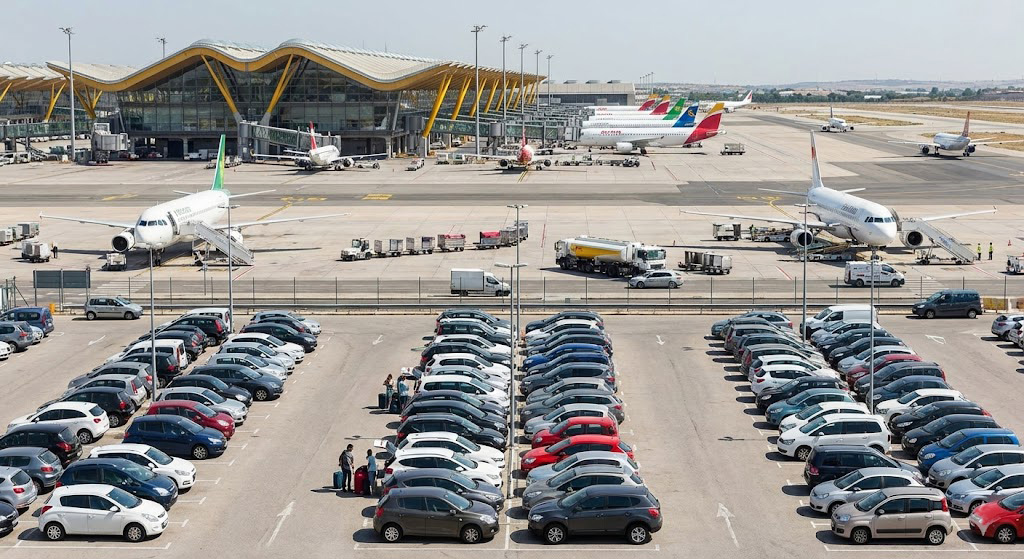
Madrid-Barajas Airport has the broadest selection of rental companies and can be convenient if you plan to leave the city immediately. Central-city offices may be better if you want to spend several car-free days in Madrid before starting a road trip.
Airport Pickup vs. City Pickup
Airport rentals can offer more vehicle choice and longer opening hours, but collecting a car at the airport only makes sense if you are ready to drive away. Paying for several days of city parking while the vehicle sits unused is rarely good value.
Driving License Requirements
Rental companies set their own documentation rules. Bring your original driving license, passport or accepted identity document, and the payment card required by the booking. Depending on your home country and license format, an International Driving Permit may also be required or recommended.
Age Requirements
Minimum driver age and license-holding periods vary by rental company and vehicle class. Younger drivers may pay a surcharge or face restrictions on premium vehicles.
Credit Card and Deposit
Many rental companies place a security hold on a credit card in the main driver’s name. Debit-card acceptance varies. Read the deposit terms before booking rather than discovering them at the desk.
Insurance
Basic rates may include collision damage waiver and theft protection but still leave a substantial excess. Optional cover can reduce the excess, while tires, glass, underbody damage and negligence may be treated separately. Understand what is and is not included.
Inspect the Car
Photograph the vehicle at pickup from all sides, including wheels, bumpers and glass. Ensure existing damage is recorded on the rental agreement and keep photos until the final charge is settled.
Driving in Central Madrid
Madrid has traffic restrictions and low-emission controls that can affect vehicle access. Rules can change by vehicle category and area. If you plan to drive into central Madrid, check the city’s current official environmental-zone requirements before entering.
Parking
Street parking is regulated in many central areas and spaces can be difficult to find. Garages are easier but can be expensive. A hotel outside the densest center with included parking may be more practical for a road-trip stop.
Tolls
Some Spanish motorways or specific routes may charge tolls while many major roads are free. Rental companies may offer electronic toll devices or charge administrative fees. Ask how tolls are billed.
Fuel
Petrol stations are common on major roads. Confirm the fuel type before filling and understand whether your contract uses full-to-full or another fuel policy.
Road Conditions
Main highways around Madrid are generally good. Secondary roads can be narrower, especially in mountainous areas. Weather conditions can change quickly in winter in the Sierra de Guadarrama.
Speed and Enforcement
Follow posted speed limits rather than relying on remembered general limits. Fixed and mobile enforcement is used, and fines can be passed through the rental company with an administration charge.
Roundabouts
Spain uses roundabouts widely. Give way according to signage and lane rules, and avoid cutting across lanes at the exit. Urban multi-lane roundabouts can be stressful if you are unfamiliar with local driving.
Navigation
Use updated maps and pay attention to restricted streets. A navigation app can route efficiently but may not always account for a rental car’s emissions classification or temporary road closures.
Day Trips by Car
Toledo and Segovia are easy by train, so a car is not automatically better. A vehicle adds more value when combining multiple small towns, rural viewpoints or mountain stops in one day.
One-Way Rentals
One-way rentals can be useful if Madrid is the start of a longer Spain road trip. Drop fees vary, but the ability to finish in Seville, Valencia, Barcelona or another city may save time and backtracking.
Cross-Border Driving
If you plan to take a rental car into Portugal or another country, confirm permission in writing. Cross-border fees, insurance conditions and roadside coverage can differ.
Returning the Car
Allow time for traffic, fuel and the return inspection. At the airport, rental-return roads can be confusing if you arrive in a hurry. Photograph the car after parking it in the return area.
Car or Public Transport?
For most city and classic day-trip itineraries, public transport wins. Compare options in the Madrid Transportation Guide and Day Trips From Madrid.
Before You Book
- Check age and license rules.
- Confirm the deposit and accepted card type.
- Understand the insurance excess.
- Check environmental-zone access.
- Compare city and airport pickup costs.
- Verify cross-border permission if relevant.
Madrid Low-Emission Rules
Environmental access rules are an important reason not to drive casually into the center. Restrictions depend on vehicle classification and current municipal regulations. Rental cars may already have the appropriate environmental label, but responsibility for understanding access still rests with the driver.
Parking Garages
Private garages are often the most predictable choice if you must keep a car in central Madrid. Compare daily rates and vehicle-height restrictions in advance, particularly for SUVs or vans.
Mountain Driving Near Madrid
Roads toward the Sierra de Guadarrama can encounter snow, ice or fog in winter. Check weather and road advisories, and do not assume summer driving conditions apply year-round.
Driving to Toledo and Segovia
A car gives flexibility but does not necessarily save time once parking is considered. Historic centers can restrict vehicle access, and high-speed trains may deliver you closer to the attractions with less stress.
Driving to Small Towns
This is where a car adds more value. Routes combining Chinchón, rural viewpoints, wineries or several villages in one day are much easier by vehicle than by public transport.
Car Rental Scams and Disputes
Read the fuel, damage and late-return policies carefully. Keep photographs, receipts and the return inspection until the deposit is released. If the desk claims new damage, ask for the evidence and contract clause in writing.
Automatic vs. Manual Transmission
Manual cars are common in Spain and may be cheaper. If you require an automatic, reserve it explicitly rather than assuming availability at the counter.
Road-Trip Luggage Security
Do not leave passports, electronics or visible luggage in a parked car, particularly at tourist sites. Use hotel storage or a concealed locked trunk where appropriate.
Final Rental Check
Before leaving the desk, confirm the return address, fuel rule, emergency number, deposit amount and whether the car may enter your planned route. Five minutes of clarification can prevent expensive confusion later.
Final Advice
For most Madrid visitors, the smartest rental strategy is simple: explore the city without a car, then rent only for the days when a vehicle genuinely improves the itinerary. This keeps costs, parking and low-emission-zone concerns under control.