
SPAIN · MADRID GUIDE
Getting Around Madrid
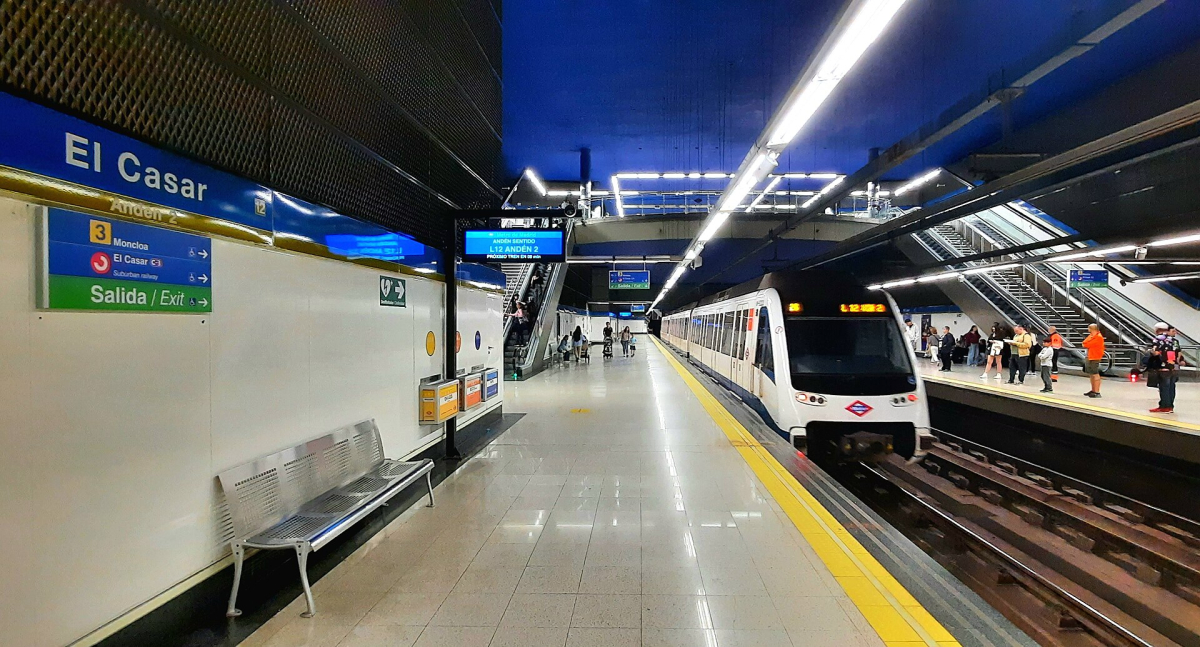
Madrid has one of Europe’s most extensive urban transport networks, and most visitors can move around efficiently without a car. The Metro is the backbone of city travel, buses fill in routes between stations, Cercanías trains are useful for longer urban and regional journeys, and walking is often the fastest option inside the historic center.
The key is not to overcomplicate the system. Many first-time visitors buy more transport than they need because central Madrid is compact. A good strategy is to walk between nearby sights and use Metro or buses only when the distance, heat or schedule makes it worthwhile.
Madrid Metro
The Metro covers central Madrid, residential districts, business zones and the airport corridor. It is generally the fastest way to cross the city. Stations are clearly signed and interchange points can involve long underground walks, so allow extra time when changing lines at large stations.
Metro Tickets
Ticket products and fares can change, so check Metro Madrid or CRTM before travel. Visitors commonly use single journeys, multi-trip products or the Tourist Travel Pass depending on trip length and expected usage.
Tourist Travel Pass
The official Tourist Travel Pass provides unlimited travel within the selected zone for one, two, three, four, five or seven consecutive days. It is loaded onto a Multi Public Transport Card. Zone A covers most of Madrid municipality, while the wider Zone T includes the broader regional network.
City Buses
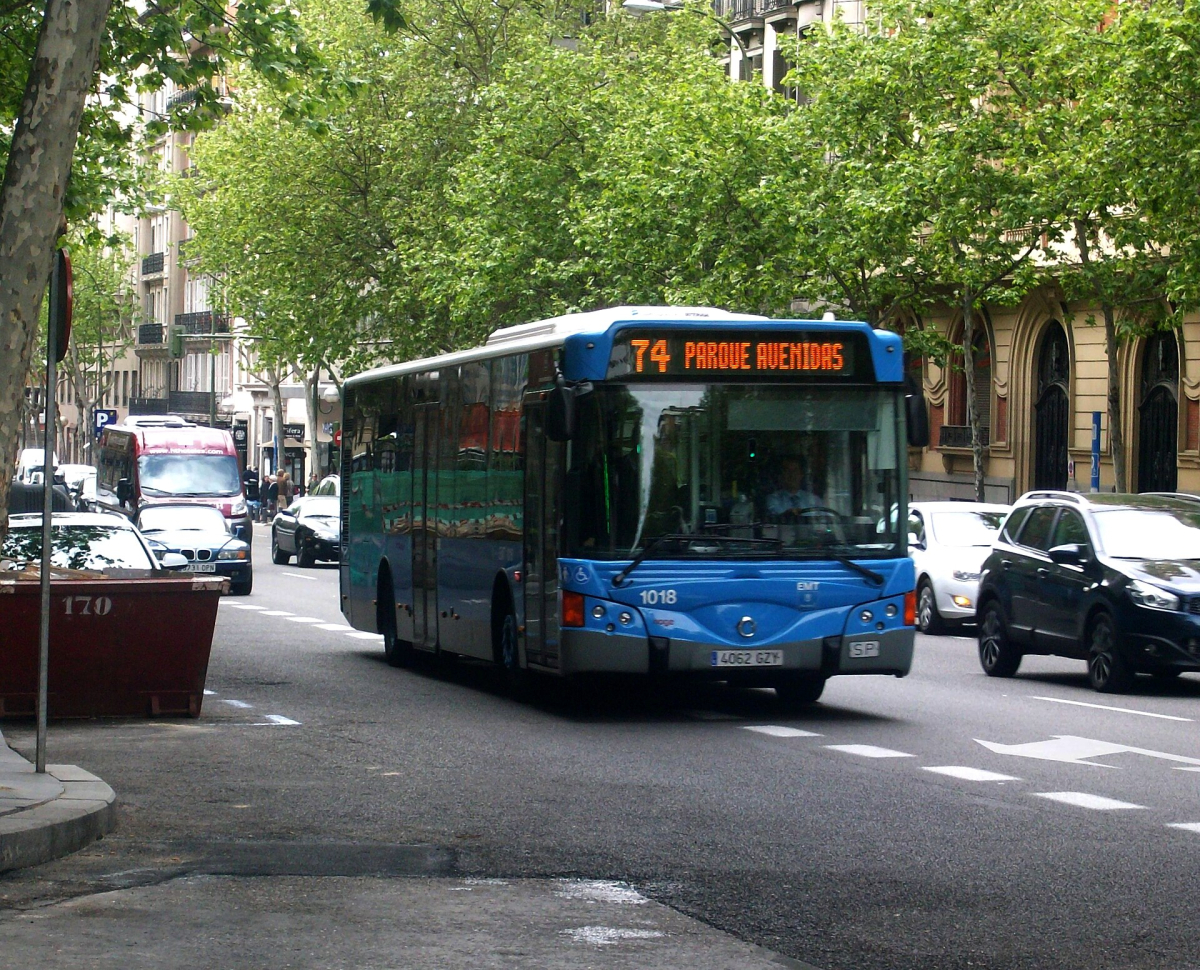
Madrid’s EMT buses are useful when Metro connections are indirect or when you prefer to stay above ground. Bus routes can be particularly helpful around Retiro, Salamanca, Chamberí and neighborhoods where a direct surface route is easier than changing Metro lines.
Night Buses
Night buses, known as búhos, provide late transport when regular Metro service has reduced or stopped. If you plan to stay out late, check your return route before the evening begins rather than improvising after midnight.
Cercanías Trains
Cercanías commuter rail connects central stations with suburban areas, the airport from Terminal 4 and destinations across the Community of Madrid. It is faster than Metro for some longer journeys and important for selected day trips.
Atocha Station
Atocha is one of Madrid’s key long-distance and commuter rail hubs. It is convenient for the Prado-Reina Sofía area and many routes toward southern and eastern Spain.
Chamartín-Clara Campoamor
Chamartín is another major long-distance rail station, serving many northbound and high-speed services. Always verify which Madrid station appears on your ticket because routes and operators can use different terminals.
Airport Transportation
Madrid-Barajas Airport can be reached by Metro, bus, taxi, private transfer and Cercanías from Terminal 4. The best option depends on your terminal and accommodation. See Madrid Airport for a detailed comparison.
Taxis
Official taxis are white with a red diagonal stripe. They are plentiful in central Madrid and useful with luggage, late at night or when several people share the fare. For airport journeys within the M-30 zone, Aena publishes a fixed official fare.
Ride-Hailing
App-based private-hire services operate in Madrid. Pickup restrictions can apply in certain transport hubs, so follow the instructions shown in the app.
Walking
Walking is central to the Madrid experience. Sol, Plaza Mayor, the Royal Palace, Gran Vía, Barrio de las Letras and the Prado area form a broad walkable core. The main challenge is not distance but heat in summer and the cumulative number of steps over a full sightseeing day.
Cycling
Madrid has expanded cycling infrastructure, though the city is not uniformly bike-friendly in every district. Electric bikes help with gradients and heat. For short leisure rides, Madrid Río and park areas can feel easier than dense traffic streets.
Accessibility
Accessibility varies by station and route. Many Metro stations have lifts, but not all interchanges are equally simple. Travelers with mobility needs should check station-specific accessibility information before setting out.
Traveling With Luggage
Avoid rush hour where possible. Large suitcases are awkward on busy Metro platforms and buses. For a hotel close to a major station, walking or taxi may be easier than making multiple public-transport changes.
Transport for Day Trips
Madrid’s location makes rail especially useful for excursions. Toledo and Segovia are often best reached by train, while El Escorial and Aranjuez can also be reached on regional or commuter services. See Day Trips From Madrid.
Should You Rent a Car?
Not for ordinary city sightseeing. Parking, restricted zones and traffic make a car unnecessary in central Madrid. Rent one only when a regional road trip or rural itinerary justifies it. See Madrid Car Rental.
Transport Cards and Validation
Keep the card or ticket used for travel until the journey is complete. Gates and inspections may require it again. Do not assume a product valid on Metro is automatically valid for every regional service.
Rush Hour
Weekday commuting periods can make central interchanges crowded. If your schedule is flexible, avoid moving large luggage during the morning and early-evening peaks.
Best Transport Strategy for a First Visit
Walk central districts, use Metro for longer jumps, take Cercanías when it offers a direct regional connection and use taxis selectively. This combination is usually simpler and cheaper than relying on taxis for every trip.
Useful Planning Links
Use the Map of Madrid to understand neighborhoods and the main Madrid Travel Guide to build your itinerary.
How Much Public Transport Will You Actually Use?
Travelers staying around Sol, Gran Vía or Barrio de las Letras often walk much more than they expect. Before buying an unlimited pass automatically, estimate your itinerary. A traveler spending one day around the Royal Palace and another around the Prado may need only a handful of rides.
Metro Etiquette
Let passengers leave before boarding, keep bags out of aisles and move away from the doors when the carriage is crowded. On escalators, follow local flow and avoid blocking both sides with luggage.
A Practical Route Comparison
| Journey | Start by comparing | Main distinction |
|---|---|---|
| Sol to the palace area | Walking | A short surface route can avoid station access time. |
| Across the city | Metro or a direct bus | An interchange can add substantial walking. |
| An airport journey | The actual terminal and hotel route | Cercanías at T4, Metro and express bus are different services. |
| An excursion | The exact rail/coach product | A tourist transport pass does not include every high-speed train. |
Use official Tourist Travel Pass guidance for zones and exclusions, including the separately charged Airport Express and high-speed/regional rail. Check Metro Madrid, EMT and Renfe for the current service you plan to use. For the full route checklist, see Accessibility.
Travel Tip:
Choose the fewest difficult changes, especially with luggage. A slightly longer direct bus can be easier than a faster-looking journey with two deep interchanges.



