
User login
Madrid Shopping Guide
Madrid Shopping Guide
Plan your Madrid trip: Where to go · When to visit · Where to stay · Getting around · Visa & entry · Day trips
Shopping in Madrid ranges from international brands and luxury boutiques to independent designers, food markets, vintage stores, bookstores and one of Europe’s best-known flea markets. The city’s shopping areas are concentrated enough that you can build them naturally into sightseeing days.
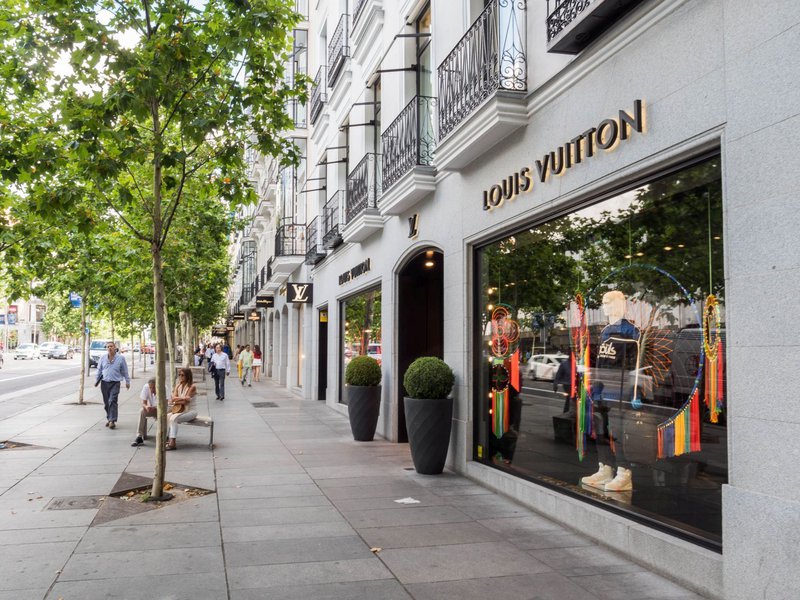
Gran Vía and Calle Preciados
This is the core area for mainstream fashion, department stores and international chains. It is convenient for travelers staying in Centro and remains busy into the evening.
Salamanca and the Golden Mile
Salamanca is Madrid’s main luxury-shopping district. Calle Serrano and surrounding streets are associated with international fashion houses, Spanish designers, jewelry and upscale department stores.
Chueca
Chueca mixes fashion, beauty, design, books and independent boutiques. It is a good area for travelers who want something less standardized than Gran Vía.
Malasaña
Malasaña is strong for vintage clothing, independent labels, record shops, design stores and youth-oriented fashion. It is easy to combine shopping with cafés and nightlife.
El Rastro
El Rastro takes place on Sunday mornings around La Latina and Ribera de Curtidores. Stalls sell antiques, second-hand goods, clothing, household items and souvenirs. Arrive early for easier browsing and keep valuables secure in dense crowds.
Food Shopping
Madrid is excellent for edible souvenirs. Olive oil, canned seafood, saffron, sweets, cured meats and wine are widely available, though customs rules in your home country may restrict meat or agricultural products.
Markets
Mercado de San Miguel is visually appealing and convenient for tasting, but neighborhood markets are often better for everyday food shopping. Look at markets in Chamberí, Lavapiés or other residential districts for a more local atmosphere.
Spanish Fashion Brands
Madrid is a useful place to shop Spanish brands ranging from large international names to smaller designers. Department stores can be efficient if you want multiple labels in one place.
Leather Goods
Shoes, bags and leather accessories are popular purchases. Compare workmanship, material and return conditions rather than assuming “Made in Spain” from a store’s presentation alone.
Jewelry
For high-value purchases, use established retailers and request documentation. Keep receipts for insurance, tax-refund or customs purposes.
Books and Art
Madrid has a strong bookstore culture and museum shops with high-quality art books, prints and design products. Barrio de las Letras is particularly appropriate for literary browsing.
Souvenirs
Avoid buying the first generic souvenir beside a major attraction. Food products, ceramics, prints, football merchandise and locally designed items can make more distinctive purchases.
Football Merchandise
Official club stores are the safest option for authentic Real Madrid or Atlético de Madrid merchandise. Counterfeit products may be sold in informal markets and can create customs issues.
Tax-Free Shopping
Eligible non-EU residents may be able to claim VAT refunds on qualifying purchases. Rules, thresholds and digital validation procedures can change, so ask the retailer for current documentation and allow time at departure.
Sales Seasons
Retail promotions occur throughout the year, while traditional seasonal sales remain important. Discount timing varies by store, and high-demand sizes may disappear quickly.
Opening Hours
Large central stores often open long hours, while independent boutiques may close earlier or follow different Sunday schedules. Check the specific shop if it is a major reason for your trip.
Shopping on Sunday
Madrid is more flexible than some European cities, especially in central tourist areas, but not every business opens. Sunday is ideal for El Rastro and central browsing.
Payment
Cards and contactless payments are common. For small market purchases, cash can still be useful.
Shipping Purchases Home
If you buy bulky artwork, antiques or furniture, clarify shipping, insurance, taxes and return terms in writing. Do not rely solely on verbal promises.
Antiques and Cultural Property
Export rules can apply to culturally significant objects. If an item is described as old or historically important, ask for proper documentation before purchase.
Travel Tip: For expensive jewelry, art or antiques, keep a detailed invoice and confirm export or tax requirements before paying. A bargain is not useful if the item cannot be legally taken home.
Combine Shopping With Sightseeing
Gran Vía pairs with Chueca and Malasaña, Salamanca pairs with Retiro, and El Rastro pairs naturally with La Latina. See Map of Madrid for neighborhood orientation and Madrid Food & Drinks for edible gifts.
Department Stores
Large department stores are useful when you want fashion, beauty, food and tax-free services in one place. They can also provide a practical indoor break during hot or rainy weather.
Independent Design
Madrid has a growing network of small fashion, ceramics and design shops. Malasaña, Chueca and Conde Duque are stronger for this than the main chain-shopping streets.
Vintage Shopping
Vintage clothing and second-hand stores are concentrated particularly around Malasaña and adjacent central neighborhoods. Quality varies, so browse several stores before buying.
Gourmet Food Stores
Specialty stores can be better than tourist markets for olive oil, conservas, sweets and regional products. Staff may also be able to explain what travels well.
Museum Shops
The Prado, Reina Sofía and Thyssen-Bornemisza have museum shops with art books, prints, design items and gifts that are often more distinctive than standard souvenirs.
Christmas Shopping
December brings markets, seasonal food and heavy central crowds. Shopping streets are festive but busy, so weekday mornings are easier than weekend evenings.
Carry-On Limits
If you plan to buy wine, olive oil or large cosmetics, remember airline cabin-liquid limits. Checked luggage or shipping may be required.
Customs at Home
Tax-free eligibility in Spain does not guarantee an item is unrestricted in your destination country. Check rules for food, animal products, plants and high-value goods.
Returns
Return policies can be stricter than travelers expect. Ask whether sale items are refundable and whether refunds go to the original payment method.
Best Shopping Areas by Interest
Choose Gran Vía and Preciados for mainstream fashion, Salamanca for luxury, Malasaña for vintage and independent stores, Chueca for design and lifestyle shopping, and El Rastro for second-hand browsing. This avoids crossing the city unnecessarily.
Buying Spanish Food as Gifts
Packaged olive oil, sweets, conservas and saffron are easier to transport than fresh products. Check airline liquid rules and customs restrictions before buying in large quantities.
Football Shopping
Official club shops offer reliable authenticity and current kits. If you are buying a shirt as a gift, check sizing carefully because football apparel can fit differently from ordinary clothing.
Shopping With Limited Luggage
If you are traveling carry-on only, prioritize small, durable items. Museum prints, books, scarves, packaged food and compact design objects travel more easily than ceramics or glassware.
Price Comparison
Do not assume central tourist streets offer the best price. For higher-value goods, compare at least two retailers and check whether the displayed amount includes all taxes.
Final Shopping Strategy
Build shopping into neighborhoods you are already visiting. Gran Vía fits naturally with central sightseeing, Salamanca with Retiro, and Malasaña or Chueca with nightlife. This saves time and prevents a trip from becoming a series of retail detours.
Keep Receipts
Retain receipts for expensive purchases, tax-free claims and warranty issues. Photograph important receipts in case paper copies are lost during the trip.
Pack Purchases Carefully
Carry fragile ceramics, glass and food items in protective packaging, and check airline baggage rules before buying anything that may be oversized or restricted.
Last-Minute Shopping
If you leave shopping until departure day, keep it close to your hotel or transport route. Avoid buying fragile or oversized items when you still need to move through stations or airport terminals.
