
Madrid Visa & Entry Requirements
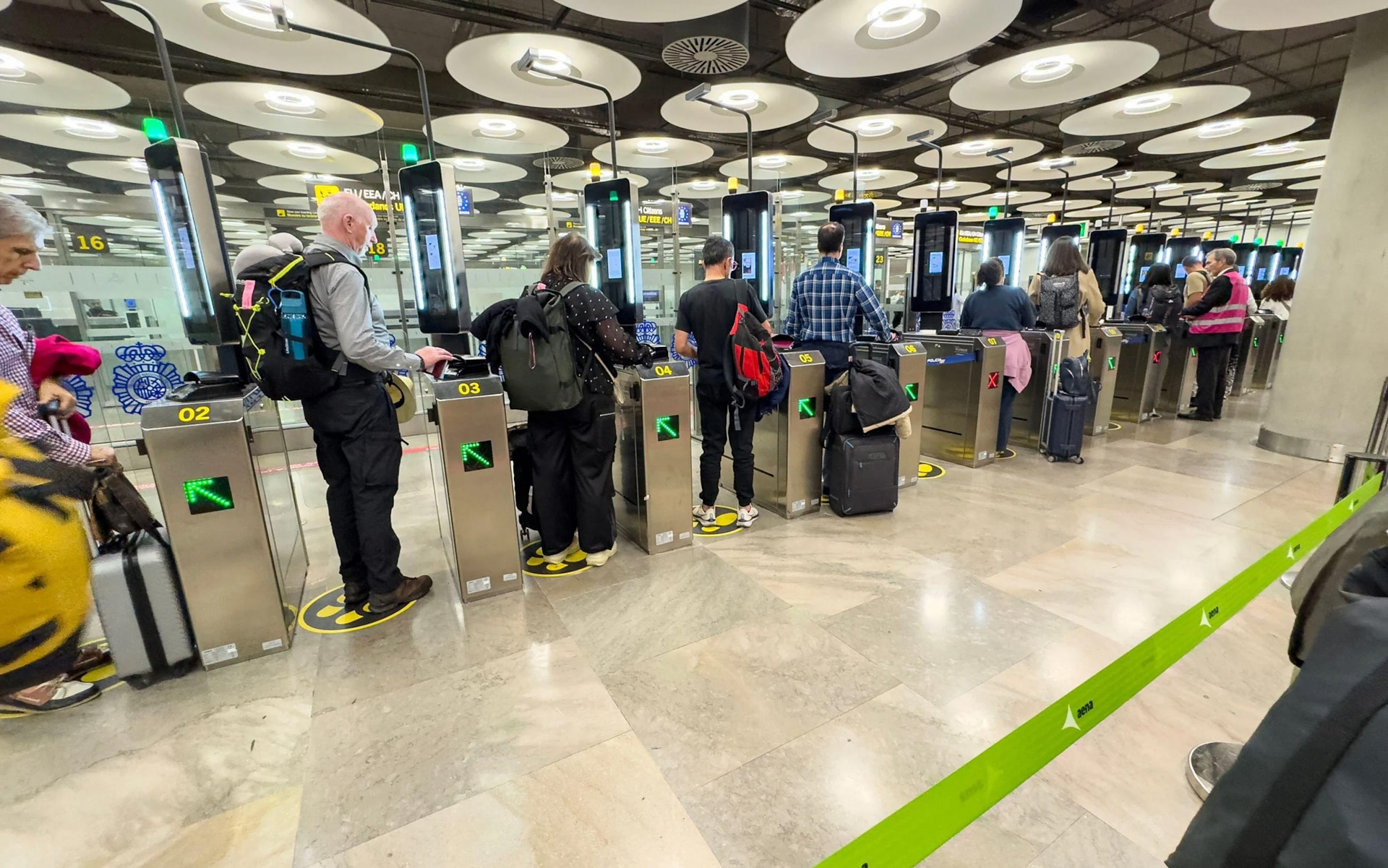
Madrid is one of Europe’s most visited capitals, welcoming travelers with efficient airport procedures and clear entry rules. Whether you are arriving directly at Madrid-Barajas Airport or entering Spain through another Schengen country, knowing the visa regulations, passport rules, length of stay limits and border control procedures will help you plan a smooth and stress-free visit.
This guide explains who needs a visa, which nationalities can enter visa-free, how the Schengen Area works, passport validity requirements, arrival procedures and important tips for navigating border control. These rules apply not only to Madrid, but to every entry point into Spain. For understanding airport connections and transportation options after arrival, the Madrid Transportation Guide is a helpful next step.
Spain as Part of the Schengen Area
Spain is a full member of the Schengen Area, a zone of European countries that share a common visa and border policy. Entering Spain is the same as entering any Schengen country—once you cross the external border, you can travel freely between Schengen states without additional checks.
- One visa for all Schengen countries
- No internal border checks once inside the zone
- Common entry and stay rules across the area
If Madrid is your first entry point into Schengen, your passport will be checked at Barajas Airport upon arrival. If you arrive from another Schengen country, you will not go through passport control again.
Who Can Enter Madrid Visa-Free?
Many nationalities can visit Spain without a visa for short stays. Visa-free travelers may enter Madrid for tourism or business for a limited period, provided they meet standard entry conditions.
Visa-free stays allow:
- Up to 90 days within any 180-day period
- Tourism, family visits and short business trips
- Travel across the entire Schengen Area
Travelers must still meet border requirements, including sufficient funds, onward travel proof and passport validity rules.
Who Needs a Schengen Visa to Visit Madrid?
Travelers from countries that are not part of the visa-waiver list require a Schengen short-stay visa (type C). This visa allows entry to Spain and all other Schengen countries for up to 90 days.
Schengen visa is required if your nationality is not visa-exempt.
Applicants typically submit documentation such as travel insurance, accommodation details, round-trip transport and financial proof. Visa processing times depend on embassy workload, so applying early is recommended.
Passport Validity Requirements
Regardless of whether you need a visa, all travelers must follow Schengen passport rules.
- Passport must be valid for at least 3 months beyond your planned departure
- Passport must have been issued within the last 10 years
- At least 2 blank pages are recommended for entry stamps
These rules apply at all Schengen borders, including Madrid-Barajas Airport.
Arrival Procedures at Madrid-Barajas Airport
Madrid-Barajas Adolfo Suárez Airport (MAD) is one of Europe’s major gateways. Entry procedures are organized and efficient, with separate lines for EU/EEA citizens and non-EU travelers.
1. Passport Control
If Madrid is your entry point into Schengen, your passport will be inspected here. Automated passport gates may be available for eligible travelers.
2. Baggage Claim
After clearing passport control, follow signs to baggage claim. Madrid-Barajas has clear signage and efficient luggage handling.
3. Customs Control
Green lanes are for travelers with no restricted items. Red lanes are for those declaring goods. Limits apply to items such as tobacco, alcohol and currency.
4. Airport to City
After exiting customs, transportation options are straightforward. For details on metro, taxis, airport buses and train connections, refer to the Transportation Guide.
Onward Travel Requirements
Border officers may request proof of onward travel, especially for non-EU visitors. Acceptable forms include:
- Return airline ticket
- Connecting ticket to another country
- Evidence of planned departure date
Accommodation & Financial Requirements
Visitors may be asked to demonstrate where they will stay and how they will fund their trip.
- Hotel reservation or address of accommodation
- Sufficient funds for the stay
- Travel insurance is not mandatory for visa-free travelers but strongly recommended
For help deciding where to stay and neighborhood differences, see Madrid Accommodation.
90/180-Day Rule Explained
Visa-free travelers and Schengen visa holders are subject to the 90/180-day rule. This means you may stay:
- Up to 90 days within any rolling 180-day period
- Time spent in other Schengen countries counts toward the limit
Overstaying is taken seriously and may affect future entry into the Schengen Area.
Traveling to Other Schengen Countries
Once you enter Madrid through Spain’s external border, you may travel freely to other Schengen countries without additional passport checks. Transportation within the Schengen Area functions like domestic travel.
Examples of common Schengen connections from Madrid include:
- Flights to Paris, Rome or Lisbon
- Trains and flights to major European hubs
Check your 90-day limit before planning extended multi-country trips.
Entry Requirements for Minors
Special rules apply to minors traveling alone or with one parent.
- Birth certificate or legal documents may be required
- Letter of consent when traveling without both parents
Requirements vary by nationality, so checking official guidance before travel is recommended.
Tips for a Smooth Arrival in Madrid
1. Have Documents Ready
Keep your passport, tickets, accommodation details and health insurance accessible when arriving at passport control.
2. Be Prepared for Questions
Border officers may ask about your stay length, purpose of visit or financial means. Clear and simple answers help speed up the process.
3. Use Authorized Taxis
After clearing customs, use official taxis or rideshare for a safe ride into the city.
4. Know Your Neighborhood
Understanding where you are staying helps with orientation. For neighborhood differences, see About Madrid.
5. Understand Local Transport
Madrid’s metro is one of the easiest ways to reach the city center from the airport. Details are in the Transportation Guide.
Quick Visa Tip
Travel Tip: Even if you are visa-exempt, always carry proof of accommodation and return travel. Border officers may request it, especially for first-time visitors to Madrid.