
SPAIN · MADRID GUIDE
Responsible Travel in Madrid
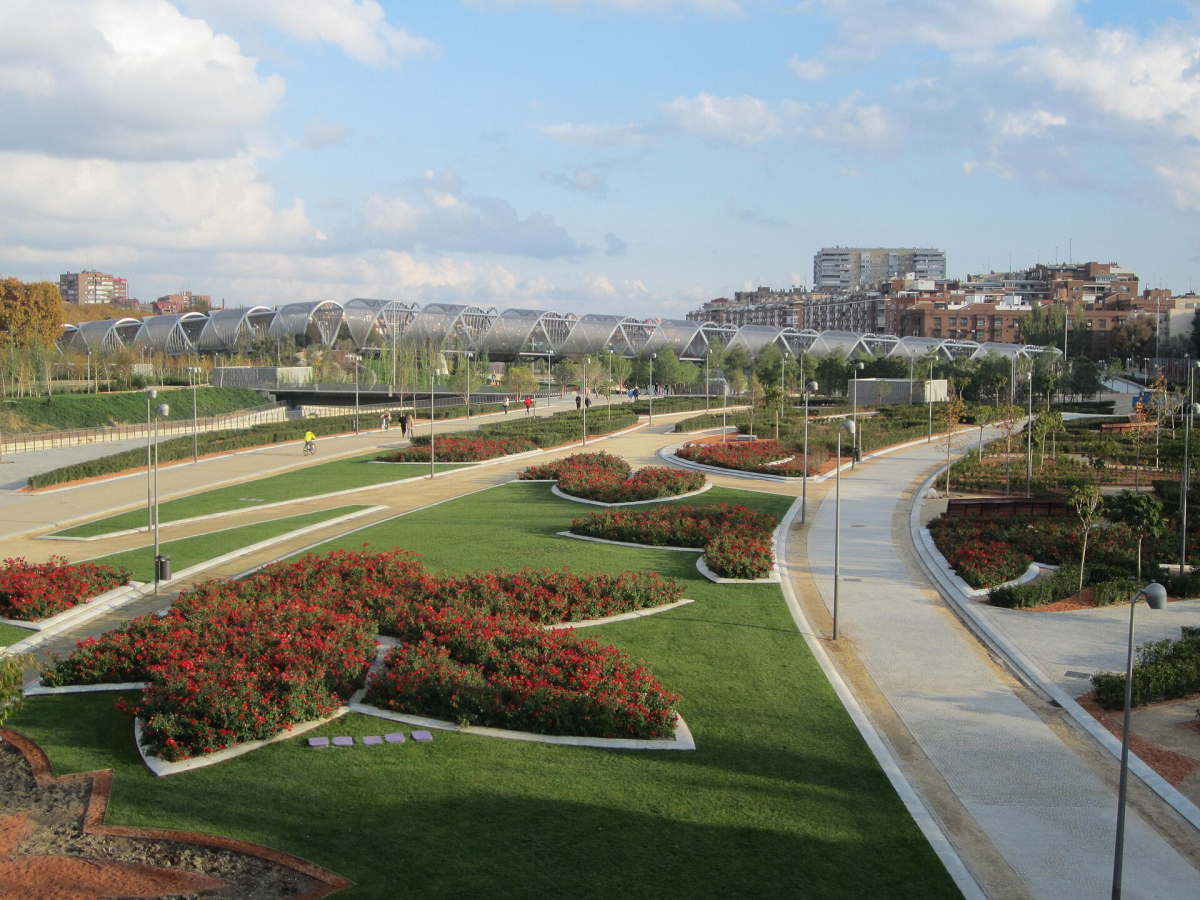
Madrid is a large capital with substantial tourism demand, but it also offers many ways to travel with a lower impact. The city’s extensive public transport, walkable center, parks, local markets and broad neighborhood economy make responsible choices relatively easy without reducing the quality of a trip.
Sustainable travel in Madrid is not limited to environmental choices. It also means respecting residential neighborhoods, supporting local businesses, reducing pressure on overcrowded areas and treating cultural spaces as part of a living city.
Walk Central Madrid
Many major sights are close enough to connect on foot. Walking reduces transport use and reveals small streets, shops and cafés that are invisible from underground Metro routes.
Use Public Transport
Madrid’s Metro, buses and commuter rail make a rental car unnecessary for most city trips. Public transport is usually faster than driving in the center and avoids parking pressure.
Stay Longer in One Area
A slower itinerary reduces repeated transport and often improves the trip. Spending four or five nights in Madrid allows time for neighborhoods and day trips without constantly repacking.
Travel Outside Peak Weekends
Spring and autumn are popular, but weekday museum visits and off-peak attraction times can reduce crowding. Visiting major sites early or later in the day spreads demand more evenly.
Support Local Businesses
Choose independent restaurants, neighborhood cafés, local shops, markets and small cultural venues alongside major institutions. This distributes tourism spending beyond international chains.
Shop Locally
Independent boutiques, Spanish designers, food shops and neighborhood markets can provide more meaningful purchases than mass-produced souvenirs. See Madrid Shopping Guide.
Use Refillable Water Bottles
Madrid’s tap water is potable, making refillable bottles practical. This reduces single-use plastic, especially during hot-weather sightseeing.
Reduce Hotel Waste
Reuse towels when practical, decline unnecessary daily linen changes and switch off lights and climate control when leaving the room.
Air Conditioning
Summer cooling is important, but extreme thermostat settings increase energy use. A comfortable setting combined with shutters or curtains can reduce demand.
Respect Parks
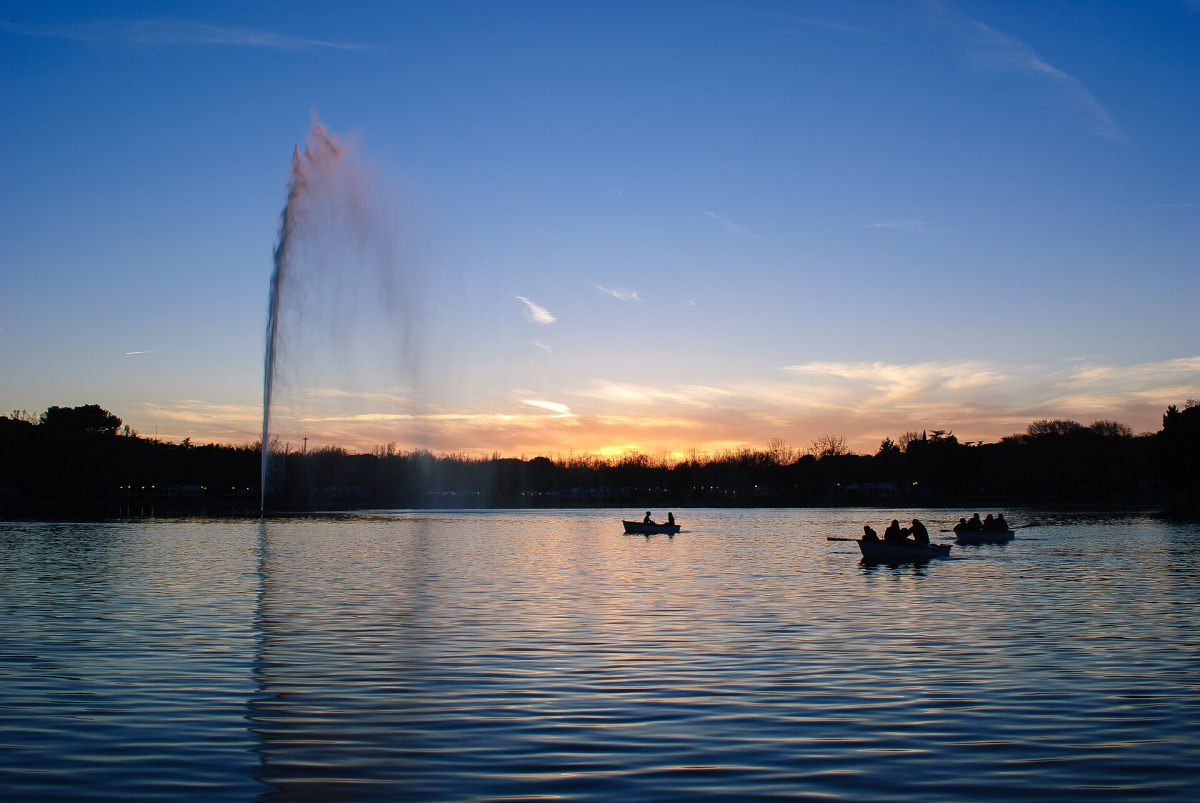
Retiro, Casa de Campo, Madrid Río and other green spaces are heavily used by residents. Stay on appropriate paths, dispose of waste correctly and avoid disturbing wildlife.
Responsible Food Choices
Eat seasonal food, order gradually to reduce waste and support restaurants that source from local or Spanish producers where possible.
Neighborhood Respect
Central neighborhoods such as Malasaña, Chueca, La Latina and Lavapiés are residential communities, not entertainment districts alone. Keep noise down at night and avoid blocking entrances.
Short-Term Rentals
Accommodation choices can affect local housing pressure. Travelers who prefer apartments should verify that the property operates legally and consider established hotels or regulated accommodation.
Responsible Nightlife
Use public transport, walk or share a taxi rather than making unnecessary car journeys. Keep street noise low when leaving late-night venues.
Responsible Day Trips
Use rail for destinations such as Toledo and Segovia when it is efficient. A car is more appropriate when a rural route genuinely requires flexibility.
Visit Less-Obvious Areas
Madrid’s cultural life extends beyond Sol and Gran Vía. Chamberí, Madrid Río, Casa de Campo and smaller museums can spread your spending and provide a more varied experience.
Respect Cultural Heritage
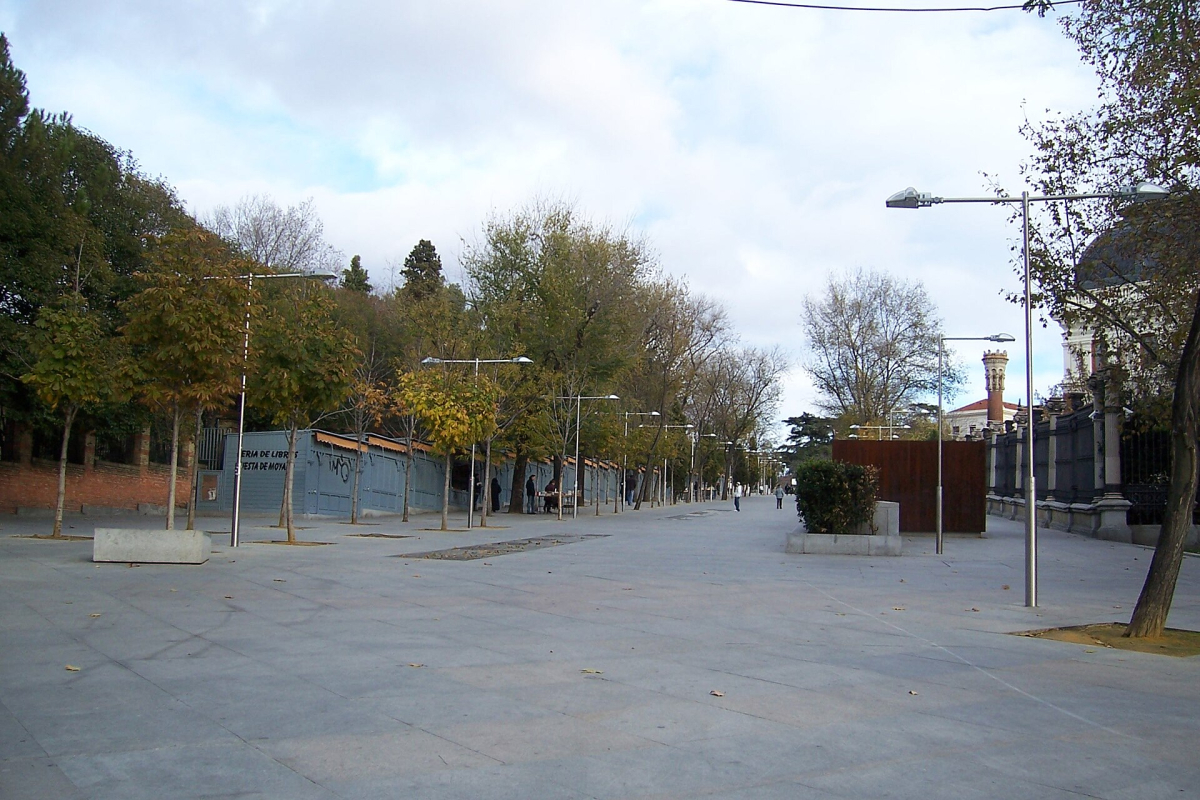
Follow museum and monument rules, do not touch protected surfaces, and avoid climbing on structures for photographs. Responsible behavior is especially important in historic interiors.
Choose Small-Group Experiences
Small walking tours and food tours generally place less pressure on narrow streets and can support independent local guides.
Use Digital Tickets Thoughtfully
Digital tickets can reduce paper use, but keep battery life in mind. Save essential documents offline rather than printing duplicates “just in case.”
Responsible Photography
Ask before photographing people closely, especially market vendors or performers. Avoid blocking pedestrian flow for extended photo sessions.
Sustainable Seasons
Traveling in winter or shoulder season can distribute tourism demand beyond peak periods. It also creates a different Madrid experience centered on museums, restaurants and local life.
Plan a Lower-Impact Madrid Trip
Use the Getting Around Madrid for public transport, Things to Do in Madrid for walkable experiences and Day Trips From Madrid for rail-friendly excursions.
Choose a Central, Transit-Friendly Hotel
Accommodation near a Metro station reduces the need for taxis and makes walking practical. You do not need to stay at Sol; a well-connected residential district can produce a lower-impact and quieter stay.
Make the Choice Specific
| Situation | Practical choice | Why it helps the visit |
|---|---|---|
| Two nearby sights | Walk one connected area | Fewer transfers and more useful neighbourhood time |
| An excursion with a direct rail option | Compare rail before collecting a car | Avoid unused rental days and city parking |
| A busy local street | Keep noise and group size manageable | Residents use the same space after visitors leave |
| A park or river walk | Stay on paths and follow notices | Protect planting, wildlife and other users |
Use the city’s responsible tourism information and current park notices to plan the relevant action. An operator’s green label is not a substitute for understanding the transport, accommodation and activity you are actually buying.
Travel Tip:
Choose one area well and spend time there. Fewer unnecessary journeys often improve both the experience and the practical footprint of a short stay.


.jpg)
