
Madrid Transportation Guide
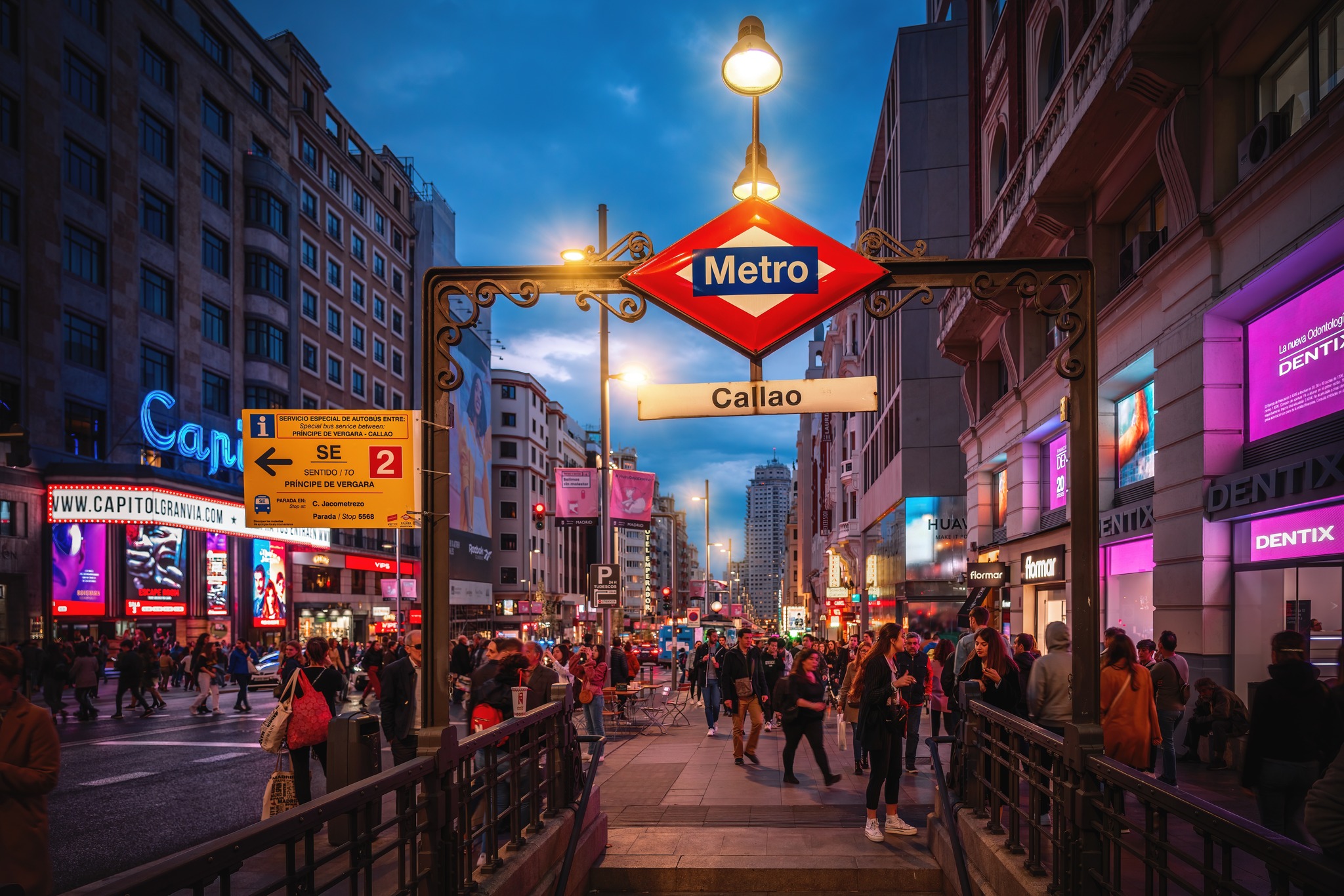
Madrid offers one of Europe’s most efficient urban transportation networks. With an extensive metro system, convenient buses, walkable districts and reliable commuter trains, navigating the city is straightforward for visitors. The network connects major attractions, cultural areas, neighborhoods and both train stations, making it easy to explore Madrid without a car.
This guide covers metro lines, buses, taxis, airport connections, commuter trains and practical tips for moving around the city with ease. Before planning your routes, the Map of Madrid page provides geographical context to understand how neighborhoods link together.
Getting Around Madrid
The city’s transportation network is designed for convenience, frequency and coverage. Most visitors rely on the metro, which reaches nearly every central district. Buses complement the metro with additional routes, while commuter trains (Cercanías) connect the city center to nearby towns and key transport hubs.
- Metro: Fastest way to navigate the city interior
- Buses: Extensive network covering surface-level routes
- Cercanías trains: Ideal for long-distance stations and suburban areas
- Taxis & rideshare: Reliable and widely available
- Walking: Many central districts are pedestrian-friendly
Madrid Metro
The metro is the quickest and most efficient way to travel through Madrid. With well-marked stations, clear signage and extensive coverage, it connects major attractions, neighborhoods and transport hubs.
Why Use the Metro?
- Frequent trains throughout the day
- Covers nearly all major neighborhoods
- Easy-to-understand line structure
- Affordable and reliable
Operating Hours
The metro generally runs from 06:00 until 01:30, with slight variations by station and line.
Key Metro Lines for Visitors
- Line 1: Connects Sol, Atocha and key central areas
- Line 2: Ideal for museums, Gran Vía and popular districts
- Line 3: Useful for connecting northern and southern areas
- Line 5: Serves La Latina and Chueca
- Line 10: Connects key transport hubs
Tips for Using the Metro
- Stations are wheelchair accessible in many central areas
- Peak hours can be crowded, especially on weekdays
- Keep belongings secure during busy periods
Bus Network
Madrid’s bus network complements the metro by offering surface-level routes and filling gaps between metro lines. Buses are useful for short distances and scenic travel above ground.
Why Use the Bus?
- Extensive coverage across the city
- Ideal for routes not served by the metro
- Modern buses with air conditioning
Night Buses
Night buses, known as Búhos, operate after the metro closes, connecting central Madrid with surrounding districts. They’re useful for late-night travel after exploring areas like Chueca or Malasaña. For evening plans, refer to the Madrid Nightlife guide.
Cercanías Trains
Cercanías is Madrid’s commuter train network, connecting the city center with suburban areas and major railway stations.
Best Uses for Visitors
- Traveling to and from Atocha or Chamartín stations
- Connecting to long-distance trains
- Accessing outlying districts or nearby towns
Key Stations
- Atocha: Main hub for southbound regional trains
- Chamartín: Northern station with major national connections
Madrid Airport Transportation
Madrid-Barajas Adolfo Suárez Airport (MAD) connects to the city through multiple transportation options. Travelers can reach the center quickly via metro, train, bus or taxi.
1. Metro to the City
Line 8 connects the airport to Nuevos Ministerios, where travelers can transfer to other lines.
2. Cercanías Train
Cercanías Line C1 and C10 connect Terminal 4 with Atocha and Chamartín, offering a straightforward route to major train stations.
3. Airport Bus (Express Bus)
The express airport bus runs 24/7 between the airport and central Madrid, stopping at Atocha and Cibeles.
4. Taxi
Airport taxis follow a fixed-rate fare to central Madrid. They are reliable and available at all terminals.
5. Rideshare
Rideshare services like Uber and Cabify operate throughout the city, offering an alternative to taxis.
Walking in Madrid
Madrid’s city center is walkable, especially around Sol, Gran Vía, La Latina, Malasaña and Retiro. Many major attractions are within a short distance of each other, making walking a pleasant way to explore the city.
- Streets are pedestrian-friendly near the center
- Neighborhoods offer plenty of dining and shopping options
- Walking often reveals hidden squares and local cafés
For planning your walking routes based on neighborhoods and attractions, see Things to Do in Madrid.
Taxis & Rideshare
Taxis are plentiful and reliable throughout Madrid. They can be hailed on the street or found at designated taxi stands. Rideshare services offer additional flexibility, especially during late hours.
Tips for Using Taxis
- Official taxis are white with a red stripe
- Credit card payments are widely accepted
- Fares are metered except fixed-rate airport trips
Driving in Madrid
Driving in central Madrid is not recommended due to narrow streets, limited parking and clean-air zones restricting non-resident vehicles. Public transportation is more efficient and convenient for visitors.
If you plan to rent a car for regional travel, see the Madrid Car Rental guide.
Tips for Moving Around Madrid Efficiently
- Use the metro for fast travel between major areas
- Walk within central neighborhoods
- Check routes with Google Maps or city transit apps
- Use Cercanías for train stations and longer distances
- Night buses are useful after the metro closes
Quick Transportation Tip
Travel Tip: Staying near a Line 1 or Line 2 metro station gives you the fastest access to central attractions, restaurants and cultural areas throughout Madrid.