
Madrid Food & Drinks
Madrid Food & Drinks
Plan your Madrid trip: Where to go · When to visit · Where to stay · Getting around · Visa & entry · Day trips
Madrid’s food scene is both local and national. The capital has its own traditional dishes, but it also gathers regional cuisines from across Spain, making it possible to move from Galician seafood to Basque pintxos, Andalusian fried fish, Castilian roasts and modern tasting menus without leaving the city.
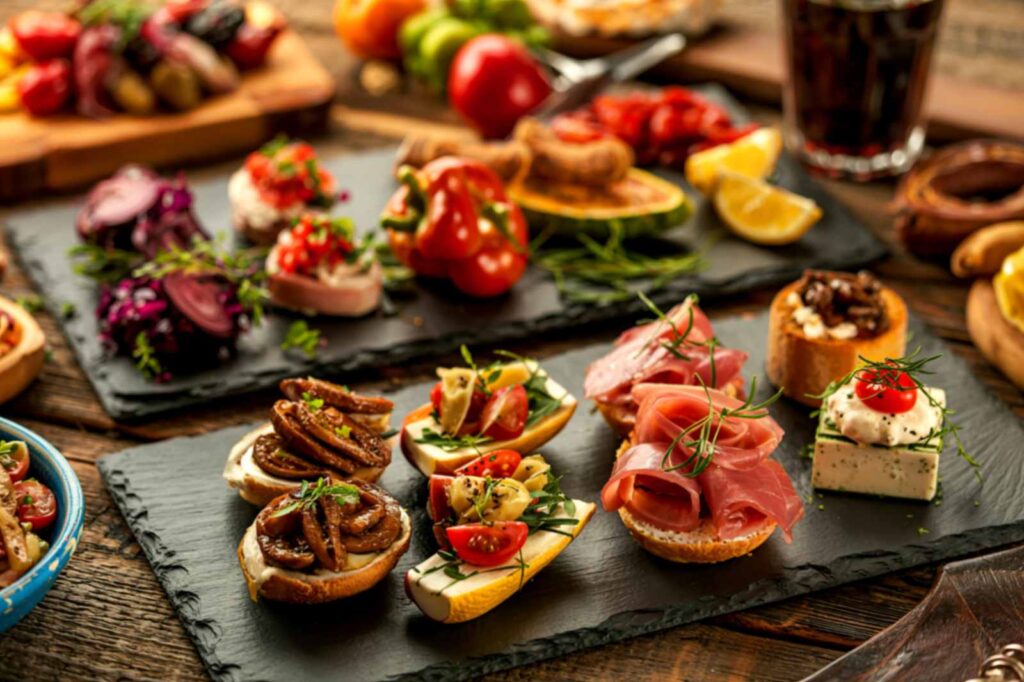
Eating well in Madrid is less about chasing one famous restaurant than understanding the city’s rhythm. Lunch is late, dinner is later, bars often specialize in a few things and some of the best meals happen in places that look ordinary from the street.
Cocido Madrileño
Cocido is Madrid’s signature stew, traditionally built around chickpeas, vegetables and meats. It may be served in separate courses, beginning with broth and continuing with chickpeas and meats. It is a substantial meal better suited to lunch than a rushed dinner.
Bocadillo de Calamares
The fried-calamari sandwich is closely associated with the streets around Plaza Mayor. It is simple, inexpensive and best approached as a casual snack or quick meal rather than a fine-dining experience.
Callos a la Madrileña
Callos is a rich tripe stew traditionally associated with Madrid. Its texture and intensity are not for everyone, but travelers interested in classic tavern cooking should consider trying it.
Tortilla Española
Spanish omelet appears everywhere, but quality varies. Debates over onion and the ideal degree of softness are part of the culture. A good tortilla with bread can be breakfast, lunch, tapas or dinner.
Churros and Chocolate
Churros or thicker porras served with dense hot chocolate are a classic Madrid breakfast, afternoon snack or late-night indulgence. Famous historic establishments can be crowded, but neighborhood cafés often serve excellent versions.
Tapas
Tapas in Madrid can mean anything from a small free bite with a drink to an elaborate shared plate. The best approach is to order gradually and move between bars rather than sitting down with a long checklist.
Vermouth
Vermouth has a strong place in Madrid’s aperitif culture. It is often enjoyed before lunch and pairs naturally with olives, conservas and small tapas.
Wine
Madrid’s restaurants offer wines from across Spain, including Rioja, Ribera del Duero, Rías Baixas and many smaller regions. The Community of Madrid also has its own wine designation and producers.
Beer
A small draft beer is commonly ordered as a caña. Beer is a standard accompaniment to tapas and casual socializing.
Traditional Taverns
Old taverns can be found across Centro, La Latina and Chamberí. Some preserve historic interiors while others focus more on classic dishes. Do not assume “historic” automatically means better food; read the menu and choose based on what the kitchen does well.
Markets
Mercado de San Miguel is famous and convenient but oriented heavily toward visitors. Neighborhood markets can provide a more local mix of produce stalls, butchers, fishmongers and prepared-food counters.
La Latina
La Latina is one of the best-known areas for tapas, especially around Cava Baja and nearby streets. It is lively on weekends and particularly busy after El Rastro.
Malasaña
Malasaña offers casual restaurants, brunch spots, international food, bars and contemporary dining. It suits travelers who prefer variety over traditional taverns alone.
Chueca
Chueca has a dense concentration of restaurants and bars, ranging from casual neighborhood dining to trend-driven concepts. It is convenient for combining dinner with nightlife.
Chamberí
Chamberí is excellent for repeat visitors who want strong local restaurants outside the most tourist-heavy center. Traditional and contemporary options coexist.
Salamanca
Salamanca is associated with upscale dining, luxury hotels and polished restaurants. It is one of the strongest areas for special-occasion meals.
Budget Eating
Look for set lunches, bakeries, market counters, tortilla bars and casual neighborhood restaurants. Eating your largest meal at lunch can provide better value.
Fine Dining
Madrid has a major fine-dining scene, including Michelin-starred restaurants and ambitious contemporary Spanish kitchens. Reserve well ahead for high-demand restaurants.
Vegetarian and Vegan Food
Vegetarian and vegan choices have expanded significantly. Central neighborhoods offer dedicated restaurants, while traditional Spanish menus include vegetable dishes, tortilla, salads and legumes. Ask whether stock, ham or seafood is used in dishes that appear meat-free.
Food Allergies
Travelers with serious allergies should carry the Spanish name of the allergen and explain cross-contamination concerns clearly. EU allergen labeling rules help, but communication remains important in small bars.
Dining Times
Many kitchens do not operate continuously from afternoon through evening. If you want dinner at 6 p.m., options will be more limited than at 9 or 10 p.m.
Reservations
Reserve popular restaurants for Friday and Saturday nights. Casual tapas bars often do not require reservations, but queues can form during peak times.
Restaurant Bills
Check whether bread or other items have been added and ask questions if something is unclear. Prices should be displayed; tourist-oriented areas around major landmarks may charge more for location.
Food Tours
A well-run food tour can help first-time visitors understand local ordering habits and neighborhood specialties. Choose small groups and operators that emphasize independent businesses.
Food and Your Itinerary
Combine dining with nearby activities rather than crossing the city for every meal. Use Map of Madrid to group restaurants by neighborhood and Madrid Nightlife for after-dinner ideas.
Madrid Breakfast
Breakfast is often simple: coffee with toast, pastries, churros or a small sandwich. Large hotel-style breakfasts are available, but a neighborhood café provides a more typical start to the day.
Coffee Culture
Common orders include café con leche, cortado and café solo. Specialty coffee has also expanded significantly in neighborhoods such as Malasaña, Chueca and Lavapiés.
Jamón
Cured ham is central to Spanish food culture. Quality and price vary enormously. If you are interested, order a small plate in a reputable bar or specialist shop rather than buying an expensive packaged product immediately.
Cheese
Madrid restaurants serve cheeses from across Spain, including Manchego and many smaller regional styles. Cheese is useful for travelers who want to explore Spanish regionality without leaving the capital.
Seafood in an Inland City
Madrid has long been one of Spain’s major seafood markets despite its inland location. Good seafood restaurants draw on supply networks from the country’s coasts, though prices can be high.
Sunday Food Planning
La Latina after El Rastro is lively but crowded. If you want a specific restaurant, reserve; if you prefer spontaneity, move a few streets away from the busiest market routes.
Late-Night Eating
Madrid makes it easy to find food later than in many European capitals. Still, kitchen closing times vary, so do not assume every restaurant serves a full menu until midnight.
How to Avoid Tourist Traps
Walk away from the main landmark, compare menus, look for specialization and avoid venues that rely heavily on aggressive street solicitation. A short detour often improves both price and quality.
Food Souvenirs
Olive oil, conservas, saffron, sweets and packaged products can travel well. Meat products may face customs restrictions in your home country, so check before buying jamón to take abroad.
One Simple Rule for Eating Well
Choose places that appear to specialize in a few dishes, adapt to Madrid meal times and move one or two streets away from the busiest monuments. This simple approach often matters more than chasing a viral restaurant list.