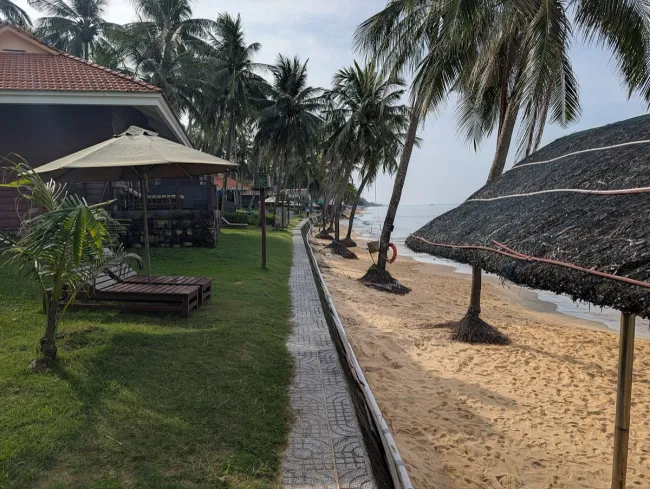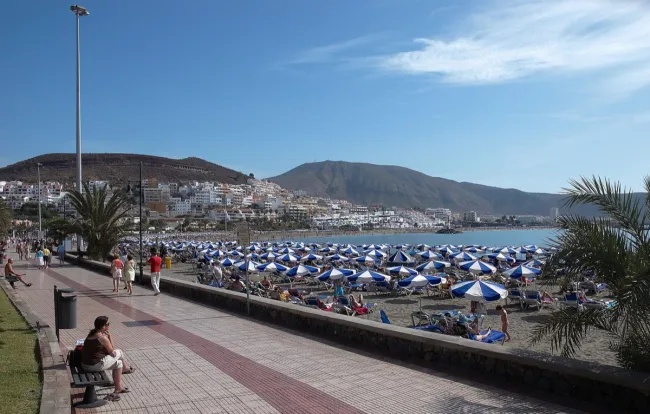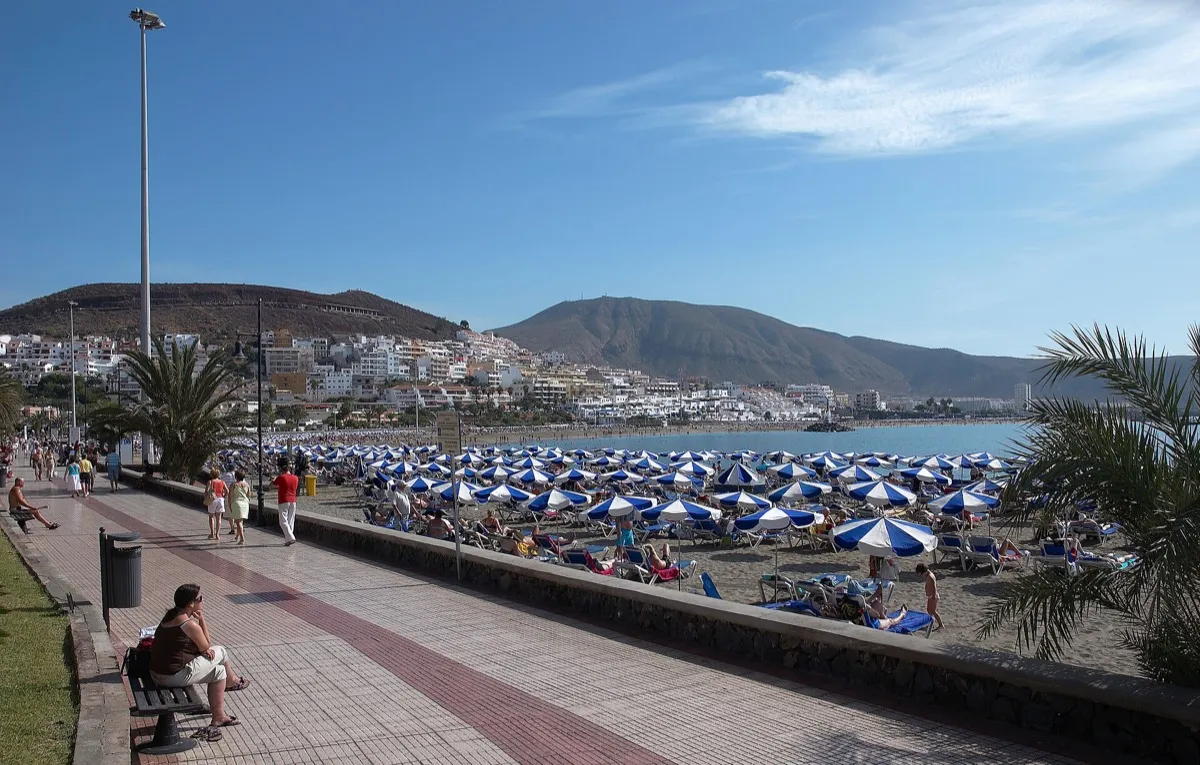
The warmest places in Europe in January and February are the southern Canary Islands, and nothing else is close. South Gran Canaria and south Tenerife reached 18°C on more than 95% of winter days over the past decade. The best place on the European mainland, Almería, managed 43%.
Most "winter sun in Europe" lists put Malta, Cyprus, Seville and the Algarve in the same breath as Tenerife. We wanted to see if that holds up, so we pulled ten winters of daily weather for 20 destinations and counted. Average temperatures hide what you actually want to know, which is how many days you can sit outside in a T-shirt. We took 18°C as that line. It is a judgement call, but a useful one: below it, most people want a layer on once the sun drops or the wind picks up.
All 20 places, ranked by warm days
Each figure covers January and February from 2016 to 2025. A wet day here means at least 5 mm of rain, enough to change your plans, and the count is per month.
Swipe or scroll horizontally to see the full table.
| Place | Days reaching 18°C | Average high | Average night low | Wet days per month |
|---|---|---|---|---|
| Maspalomas, Gran Canaria | 98% | 21.7°C | 15.2°C | 0.8 |
| Los Cristianos, Tenerife | 95% | 21.1°C | 15.2°C | 0.7 |
| Arrecife, Lanzarote | 86% | 19.6°C | 15.0°C | 0.6 |
| Funchal, Madeira | 63% | 18.7°C | 13.7°C | 3.1 |
| Almería, Spain | 43% | 17.4°C | 8.6°C | 0.9 |
| Seville, Spain | 39% | 17.2°C | 7.4°C | 2.5 |
| Málaga, Spain | 36% | 17.3°C | 9.7°C | 2.2 |
| Valencia, Spain | 34% | 16.8°C | 7.4°C | 1.4 |
| Larnaca, Cyprus | 30% | 16.5°C | 9.1°C | 2.5 |
| Limassol, Cyprus | 28% | 16.6°C | 9.4°C | 4.0 |
| Heraklion, Crete | 26% | 15.9°C | 8.9°C | 3.8 |
| Faro, Portugal | 22% | 16.6°C | 9.9°C | 2.8 |
| Paphos, Cyprus | 21% | 16.2°C | 9.1°C | 4.8 |
| Antalya, Turkey | 16% | 15.0°C | 6.2°C | 6.3 |
| Lisbon, Portugal | 13% | 15.6°C | 9.2°C | 3.9 |
| Rhodes, Greece | 13% | 15.3°C | 10.6°C | 4.3 |
| Palermo, Italy | 13% | 15.0°C | 8.8°C | 5.5 |
| Valletta, Malta | 10% | 15.7°C | 11.5°C | 1.9 |
| Athens, Greece | 5% | 13.0°C | 5.8°C | 4.0 |
| Nice, France | 2% | 13.2°C | 5.6°C | 3.2 |
The figures come from modelled weather data, which reads a little cool on the coast, so use them to compare places. The notes at the end explain this.
The Atlantic gap
Look at the night column before anything else. The three Canary Island spots hold 15°C after dark, which is about the same as an afternoon in Lisbon or Rhodes. Sitting outside at a restaurant in January is normal in Los Cristianos and optimistic almost anywhere on the Mediterranean.
Rain is the second gap. Those same three places get less than one properly wet day a month. If you have only a week and want it to feel like a different season, this is the safe choice, and our guide to choosing a Canary Island covers which one suits you.
Madeira is a different proposition. Funchal is mild, with 63% of days reaching 18°C, but it has about four times the wet days of south Tenerife. It suits walkers and garden lovers better than people who want to lie by a pool for a week.
Best of the mainland: Almería, not the Costa del Sol
This was the result we did not expect. Almería beat Málaga on warm days and had less than half the wet days, at 0.9 a month against 2.2. It is the only mainland city in our list that comes close to Canary Island dryness. The nights are cooler and it is a smaller city, so the case for it is the weather, not the nightlife.
Málaga still makes sense if you want a proper city, plenty of flights and warmer evenings. Seville gets the same afternoons as Málaga but drops to 7.4°C overnight, nearly 10°C below its daytime high. Treat it as a sightseeing break with a jacket. Our Spain guide covers both regions.
Further west, the Algarve did worse than its reputation. Faro reached 18°C on just 22% of days, behind Valencia at 34%. It has a decent average high, but it sits just under the line again and again.
Cyprus and Malta: milder than home, not hot
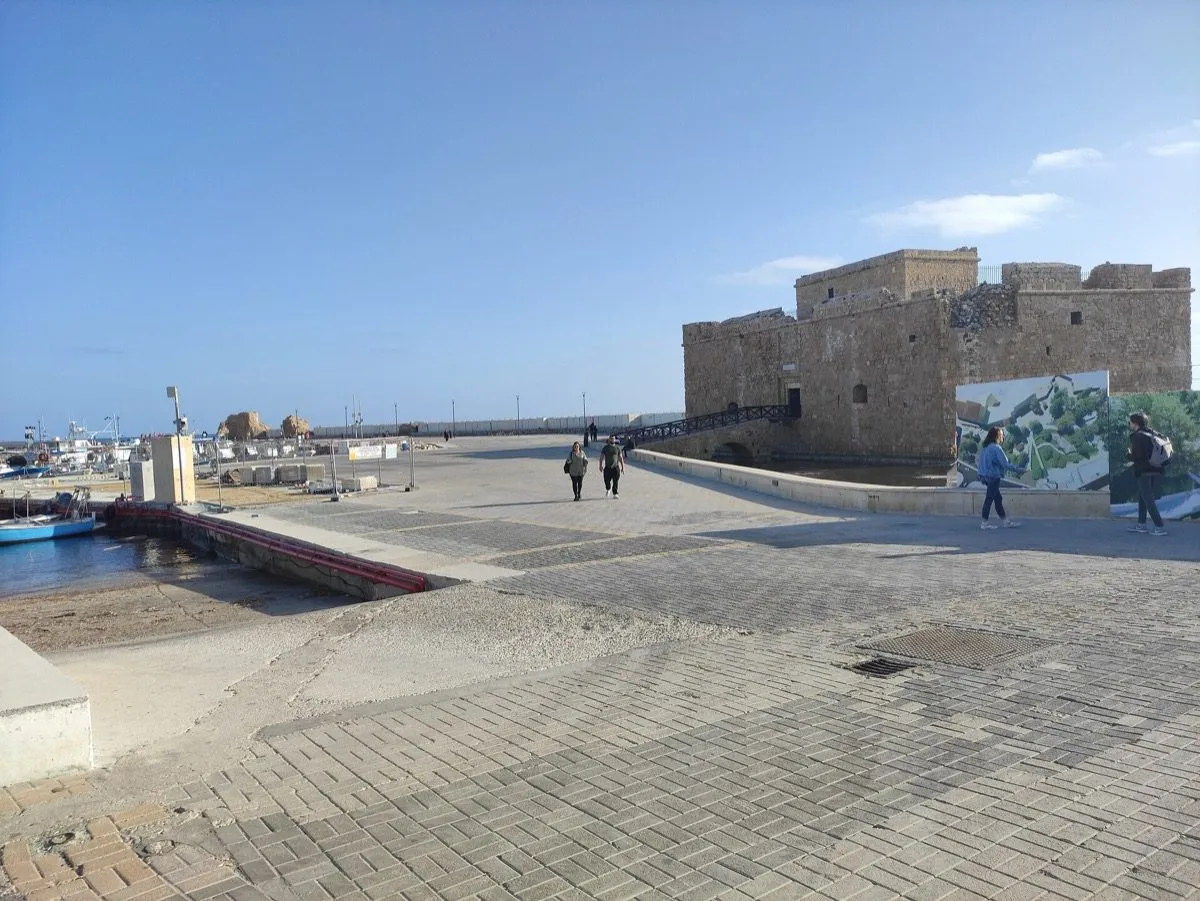
Cyprus often gets sold as Europe's winter sun island. In January and February the numbers say otherwise. Fewer than one day in three reached 18°C in any of the three towns we checked, and it matters which coast you pick. Paphos, on the west side, had nearly twice the wet days of Larnaca, 4.8 against 2.5 a month. For a winter stay we would choose Larnaca or at least keep a car handy.
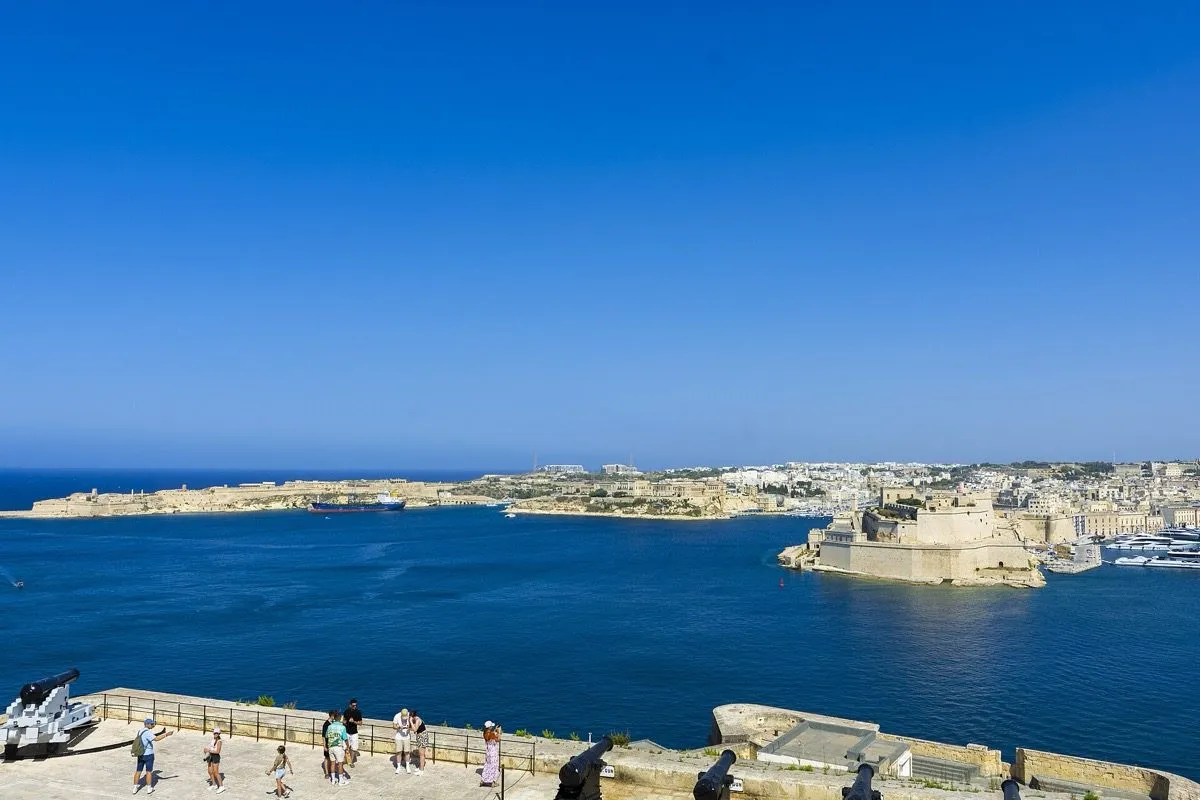
Malta has the warmest Mediterranean nights in our table, at 11.5°C, and little heavy rain. It rarely gets properly warm, though: just 10% of days hit 18°C. That makes it a very good winter city break, with its history mostly within walking distance, and a poor beach holiday.
Where the sea is warmest in winter
The sea does not follow the same order as the air. Southern Spain has warmer afternoons than Cyprus but water more than 3°C colder.
Swipe or scroll horizontally to see the full table.
| Place | Sea temperature |
|---|---|
| Los Cristianos, Tenerife | 20.6°C |
| Maspalomas, Gran Canaria | 20.4°C |
| Funchal, Madeira | 19.8°C |
| Antalya, Turkey | 19.0°C |
| Limassol, Cyprus | 18.7°C |
| Heraklion, Crete | 17.0°C |
| Valletta, Malta | 16.8°C |
| Almería, Spain | 15.5°C |
| Málaga, Spain | 15.1°C |
Around 20°C feels brisk, but most swimmers will manage it on a sunny day. At 15°C you are in cold-water territory and most people will not stay in long. Antalya is the oddity: the water is warmer than the air, though it is also the rainiest place in our table. Our Turkey weather guide explains how much the coast changes by season.
Which should you choose?
Swipe or scroll horizontally to see the full table.
| You want | Go to | Why |
|---|---|---|
| The best chance of warm days | South Gran Canaria or south Tenerife | 18°C on more than 95% of days |
| Mild weather and walking | Madeira | Warm nights, more rain |
| Dry weather on the mainland | Almería | 0.9 wet days a month |
| A city with mild afternoons | Málaga or Seville | Over 17°C on average |
| A history-focused city break | Valletta | Mild nights, low rainfall |
| Winter sun outside Europe | Marrakech or Agadir | See our Morocco comparison |
We would skip Athens and Nice if warmth is the point. Both are excellent cities, and both reached 18°C on no more than 5% of days. Lisbon sits in between: lovely in winter, but pack for rain.
FAQ
What is the warmest place in Europe in January?
Southern Gran Canaria and southern Tenerife were the warmest of the 20 places we checked, with average highs of about 21°C to 22°C in January and February. They belong to Spain, although they lie off the coast of Africa.
Where is warmest on mainland Europe in winter?
Almería and the Andalusian coast. Almería averaged 17.4°C and reached 18°C on 43% of days, narrowly ahead of Seville and Málaga.
Is Cyprus warm in January?
It is mild, not warm. The three towns we checked averaged about 16°C to 17°C, and fewer than one day in three reached 18°C.
Can you swim in Europe in February?
In the Canary Islands and Madeira, many people do, with the sea at about 20°C. Cyprus and Antalya are a little colder at about 19°C. Southern Spain is around 15°C, which is too cold for most swimmers.
Sources and checks
Last checked 8 November 2026. This ranking is our own analysis. Air temperature and rainfall come from the Open-Meteo Historical Weather API, and sea temperature from the Open-Meteo Marine API (data under CC BY 4.0).
- These are modelled grid figures, not readings from a weather station. Our Los Cristianos high of 21.1°C compares with January and February averages of 21.7°C and 22.0°C at Tenerife South airport in AEMET's records, so real coastal temperatures may run about 0.5°C to 1°C higher.
- Local conditions vary. A sheltered bay can beat its grid square, and the north of Tenerife or Gran Canaria is cloudier than the resort areas in the south.
- The Valletta grid point is partly over the sea, so treat its temperatures with some care.
- We did not use sunshine hours, because the modelled values looked too high to trust.
- 18°C is our own threshold. It is not an official definition of a warm day.
- A past decade is a guide, not a forecast. Any single winter can be better or worse.