
SINGAPORE TRAVEL GUIDE
Singapore Health & Safety: Heat, Rain, Medicines & Travel Precautions

Singapore is a practical destination for independent travel, but personal safety still depends on ordinary precautions and an understanding of the climate. For many visitors, heat, rain, slippery surfaces and an overambitious itinerary are more immediate day-to-day concerns than dramatic hazards. Prepare medication and insurance before travelling, keep valuables secure and use current official advice when weather or air quality changes.
This page supports travel planning rather than diagnosis or individual medical treatment. Travellers with a health condition, pregnancy, a severe allergy or a particular vaccination question should obtain qualified advice suited to their itinerary. The relevant advice can depend on the countries visited before Singapore as well as the length and nature of the stay.
Know which service to call
For immediate police assistance, call 999. For fire or a life-threatening medical emergency, call 995. The Singapore Police Force and Singapore Civil Defence Force publish the current emergency arrangements. Give the exact location, nature of the emergency and a callback number, and follow the operator’s instructions.
Police emergency SMS 70999 is intended for situations where speaking is unsafe or not possible. It is not a general visitor enquiry service. SCDF also publishes a separate emergency SMS service for people who are deaf, hard of hearing or have speech impairment. Learn the relevant official arrangement in advance if you may need it; do not assume that a messaging app can contact an ordinary telephone number.
For non-emergency healthcare, a nearby clinic or an appropriate medical service may be more suitable than an emergency ambulance. SCDF has announced that the 1777 non-emergency ambulance hotline will cease from 1 January 2027; do not save an old number as a timeless instruction. Use its current advice on non-emergency options and authorised private ambulance operators when that service is needed.
Heat, humidity and pacing
Schedule demanding walks early, take regular breaks and carry water. The apparent closeness of two attractions on a map can conceal a hot, exposed walk across several junctions. Children, older travellers and people with relevant medical conditions may need a gentler pace. Stop and seek suitable help if someone becomes unwell rather than pushing through to preserve a ticketed schedule.
Choose breathable clothes and sun protection appropriate to your needs. Air-conditioned spaces provide useful breaks, but moving repeatedly between cool interiors and humid streets can also make a day tiring. Plan a meal or museum stop before the strongest afternoon heat instead of waiting until everyone is exhausted. A hotel rest is a valid part of a family itinerary.
Thunderstorms, heavy rain and wet surfaces
Check the Meteorological Service Singapore forecast and warnings before parks, beaches, islands or exposed viewpoints. When thunder develops, leave exposed areas and use a substantial indoor shelter. An umbrella helps with ordinary rain but does not make a waterfront walk safe during lightning. Follow attraction staff and official closure instructions.
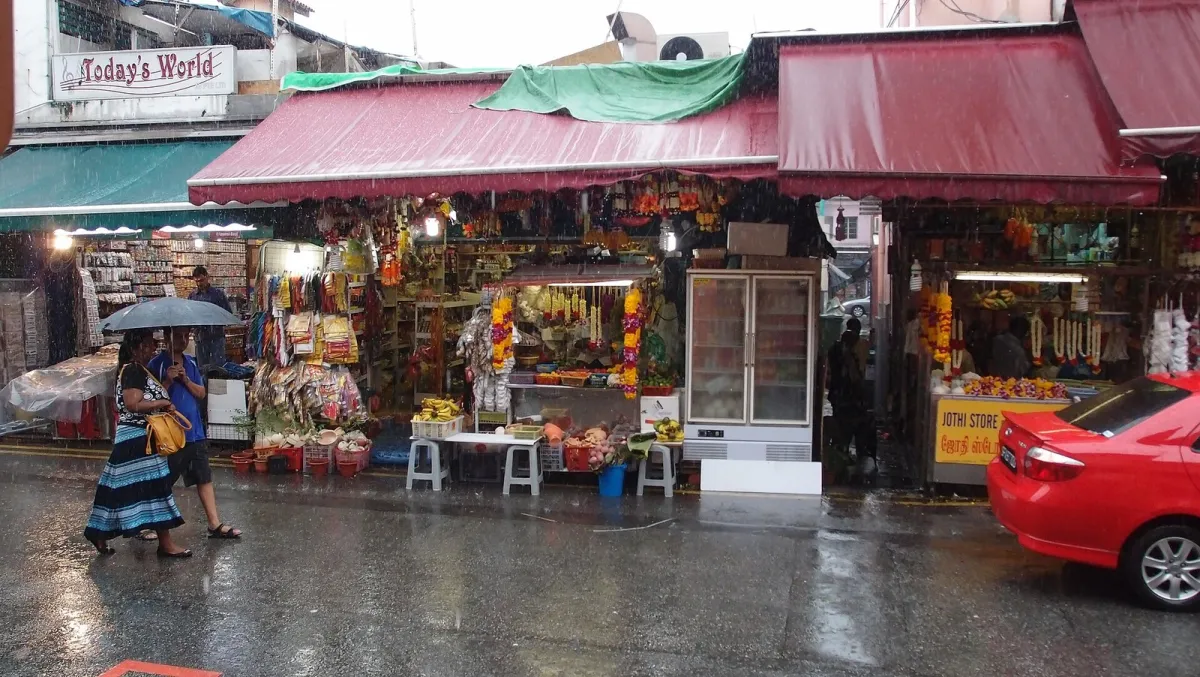
Wet steps, polished floors and covered walkways can be slippery. Wear footwear with dependable grip and give yourself time at station entrances and escalators. A sudden downpour can also create long taxi queues and change travel times. Keep a nearby indoor alternative so a weather disruption does not force a rushed cross-city journey.
Air quality and haze
Regional haze is variable. Use the official air-quality and haze information rather than treating a month as automatically safe or unsafe. Follow advice relevant to the person’s health and the intensity of the planned activity. A short, low-effort walk and a strenuous outdoor excursion may call for different decisions under the same conditions.
If you rely on prescribed medication or equipment, keep it accessible and discuss the travel plan with an appropriate clinician before departure. Do not change a personal treatment plan because a general travel page suggests a seasonal pattern. An indoor alternative and a flexible day are useful precautions even when no warning is in force.
Mosquito bites and dengue prevention
Dengue prevention matters during a city stay as well as a park outing. The mosquitoes that transmit dengue can bite during the day, so do not save bite protection only for the evening. Check NEA's dengue information and current cluster guidance when planning outdoor time; a central hotel or a short trip does not remove the need for precautions.
Wear loose clothing that covers arms and legs where practical, and choose an effective repellent containing DEET, picaridin or IR3535. Follow the product's application, reapplication and age instructions, and consult NEA's safe-use guidance. Prefer screened or air-conditioned accommodation and avoid leaving standing water around a longer-stay unit.
If fever develops during the visit or after returning home, seek medical advice and tell the clinician where you travelled. CDC's dengue warning-sign guidance identifies abdominal pain, repeated vomiting and bleeding as reasons for urgent medical assessment; warning signs can appear as fever subsides. Do not use a general travel page to diagnose or treat the illness yourself.
Medicines and travel preparation
Read the Health Sciences Authority’s guidance before bringing medication or a medical device into Singapore. Approval requirements depend on the product and ingredients. Keep the original packaging, prescription and any required supporting documents. A product’s legal sale at home does not establish that it can be imported without conditions.
Take out insurance appropriate to the trip, including any declared pre-existing condition and activities you expect to undertake. Read the procedure for obtaining assistance and payment approval. Keep the insurer’s emergency assistance contact separate from a routine sales number. If you need treatment, ask for itemised receipts and relevant medical documents for the claim, without delaying urgent care to complete paperwork.
Food, allergies and everyday hygiene
Choose food that is handled and served appropriately, wash hands and use sensible judgement about items left at unsuitable temperatures. A busy stall is not an absolute guarantee, but a clear ordering system and freshly prepared food help you understand what you are buying. For a serious allergy, explain the actual ingredient and cross-contact concern rather than relying on a broad label.
Common dishes may contain seafood, nuts, egg, wheat, dairy or sauces that are not obvious from the name. Vegetarian, vegan and halal are different categories. If a vendor cannot confidently answer a critical question, choose an alternative. Carry any prescribed emergency medicine and follow the plan provided by your clinician.
Valuables, scams and nights out
Keep a secure grip on a phone near roads and do not leave a wallet or bag unattended while ordering food. Use established booking channels and independently verify unexpected requests to transfer money. A message containing a hotel’s name is not by itself proof that the hotel sent it. Contact the property through the details in your original confirmation when a payment instruction changes.
At night, know the return route and the last useful train connection. If you stay later, use a legitimate taxi or a clearly identified app-booked vehicle. Check the vehicle and destination before getting in. Keep an eye on your drink, stay with companions where appropriate and avoid letting an unfamiliar person pressure you into a venue or a payment.
Wildlife, beaches and island outings
Do not feed or approach wildlife for photographs. Keep food secure and follow park guidance when animals are nearby. Remain on marked routes and respect closures that protect either visitors or habitats. On Pulau Ubin, check the condition of a hired bicycle and choose a route suitable for your ability; an island ride should not become a race to the last possible return crossing.
At beaches, follow signs and lifeguard directions where provided. Water conditions and weather can change, and a sheltered-looking bay is not a guarantee of safe swimming. Keep children within appropriate supervision and stop water activities when warnings or storms require it. Avoid mixing a tightly timed airport return with a weather-dependent outing.
Singapore health and safety FAQ
Which emergency number should a visitor use?
Call 999 for immediate police help and 995 for fire or a life-threatening medical emergency. Give the exact location and follow the operator’s directions.
Can I bring my usual prescription medicine?
Check HSA’s rules for the actual ingredients and product before travel. Some items require approval or supporting documentation.
What should I do when thunder starts during a walk?
Leave exposed areas, use a substantial indoor shelter and follow official weather and venue instructions.
Do I need mosquito precautions during a city stay?
Yes. Take bite precautions during daylight as well as the evening, use an appropriate repellent according to its label and consult NEA's current dengue information. If fever develops during or after the trip, seek medical advice and mention your travel.