
SINGAPORE TRAVEL GUIDE
Singapore Photos & Photo Spots: Skyline, Streets & Heritage
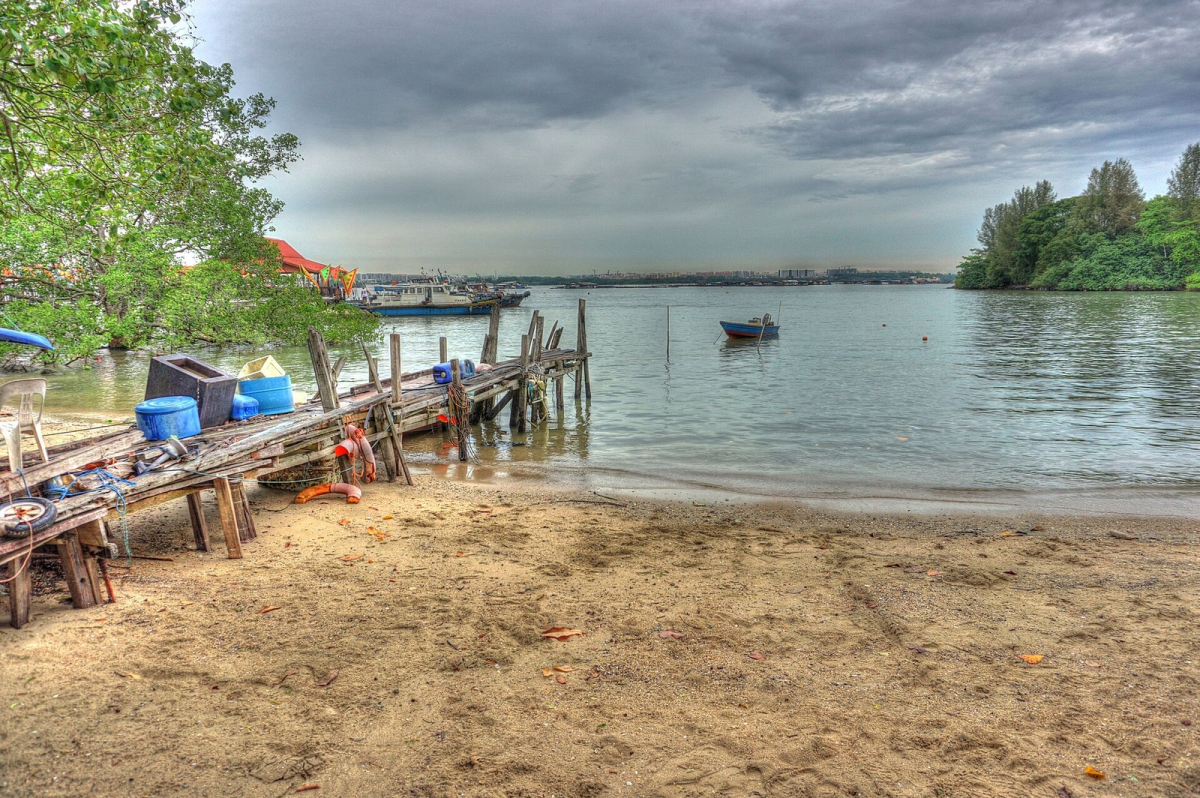
Singapore photography is most rewarding when you choose a subject and give it time. The bay offers a large-scale skyline, heritage streets reveal changes in architecture and everyday life, and religious buildings require a more deliberate, respectful approach. This guide helps you select a route and a type of photograph rather than promising that every famous viewpoint will produce the same result.
The individual photo pages explain particular Singapore scenes, their locations and a respectful approach to photography. Older images are visual records, not a guarantee of present-day access, building use or skyline composition. Compare the scene with current official information before planning a visit. Do not infer a photographer’s exact position, camera settings or shooting date when those details are not recorded.
Skyline and waterfront photography
Begin by deciding which side of the bay gives the composition you want. A view towards the central business district differs from a view towards Marina Bay Sands. Walk the public promenade to understand foregrounds and obstructions before setting up. Bridges, reflected lights, trees and people can be useful elements rather than distractions that must always be removed.
Blue hour often provides a balance between illuminated buildings and a sky with visible colour, but cloud, rain and visibility determine the actual result. Arrive with time to choose a safe position and keep paths clear. Avoid assuming that a tripod is permitted everywhere: venue rules, crowd management and commercial-photography conditions may differ from ordinary handheld use.
Heritage streets: façades and lived-in neighbourhoods
Chinatown, Telok Ayer, Kampong Gelam and Katong–Joo Chiat each offer a different relationship between buildings and daily activity. Choose a short sequence of streets and look for changing light, repeated shutters, covered walkways and the contrast with taller buildings beyond. A meaningful photograph can include the street’s present use rather than trying to make the area look empty.
Colourful houses on Koon Seng Road are homes, not public studios. Stay on public paths, keep doorways clear and avoid placing props or people on private steps. In commercial streets, ask before photographing a worker close up or entering a shop with a large camera. Buying something does not create unlimited permission, but genuine engagement can make a visit more respectful and interesting.
Religious buildings and architectural details
Read the site’s current visitor instructions before entering. Some spaces welcome visitors while others are reserved for prayer or ceremonies. Modest clothing, shoe removal and photography restrictions vary between traditions and individual sites. A camera lens pointed from a doorway can still intrude on worship; use judgement as well as posted rules.
For architecture, try a wider establishing view before details. Columns, rooflines, windows and carved elements are easier to interpret when the viewer understands the building around them. Do not assign a building’s identity solely from a generic file caption. Where an original photograph is only labelled “Buddhist temple,” its exact temple identity should remain unconfirmed until reliable evidence establishes it.
Gardens, greenery and the coast
Formal gardens and coastal areas require different preparation from an urban façade walk. Look for a subject within the larger landscape: a reflection, a plant form, a path or the relationship between people and open space. Stay on permitted paths and do not move plants or disturb wildlife to improve a composition.
On Sentosa, check the background as carefully as the beach foreground. The coast is part of a working maritime city, and distant vessels can be an honest part of the scene. Weather, access works and activity can change the appearance of a familiar beach. A historic photograph should not be used to promise empty sand or identical vegetation today.
Light, rain and practical equipment
| Condition | Useful subjects | Precaution |
|---|---|---|
| Early daylight | Heritage streets, gardens and quieter public spaces | Check access hours and changing shadows |
| Bright midday | Architectural details, indoor cultural visits where permitted | Manage heat and strong contrast |
| After ordinary rain | Reflections and saturated surfaces | Watch slippery paths and protect equipment |
| Dusk and evening | Waterfront lights and city transitions | Keep routes clear and plan the return journey |
| Thunderstorm warning | Indoor alternatives | Leave exposed locations; do not wait outside for dramatic lightning |
Scroll horizontally on smaller screens if needed.
A phone or a small camera can cover much of a Singapore trip. Carry the equipment you can comfortably use in humidity and rain. A cloth, a protective bag and spare battery capacity are often more useful than a heavy lens you rarely take out. Moving between cold interiors and humid air can affect equipment; follow the manufacturer’s care advice and avoid rushing to wipe internal condensation.
Do not treat an illustrative exposure suggestion as the settings used in an existing photograph. Motion, focal length and stabilisation change what is practical. Review your own results and adjust. For people, consent and context matter more than a technically perfect frame taken intrusively.
Two manageable photo routes
River and Civic District: begin with an overview of the river, then look for the relationship between historic façades and modern towers. Continue towards the Civic District and choose a cultural stop if the light becomes harsh. Return to the waterfront later only if weather and energy allow. The route can be shortened by rail instead of walking every section.
Chinatown and Telok Ayer: choose streets, a meal and one or two religious exteriors. Look at the covered walkways and changes in scale. Keep temple access separate from the public street walk and avoid blocking worshippers. Save another district for a different session rather than spending the best light on transport.
Explore the existing Singapore photo collection
The following pages address individual images and places. They do not repeat the full city route, and their historic frames should be read alongside current visitor information.
- Buddhist temple photograph
- Chinatown
- Hill Street
- Nagore Dargah Shrine
- Orchard Road
- Sentosa Island
- Downtown skyline
- Harbour
- St Andrew’s Cathedral
- Former Supreme Court and City Hall
Permission and the use of photographs
Permission to visit a place does not automatically permit commercial photography, drone use or publication of every image. Check the operator’s rules and the relevant aviation requirements separately where applicable. This guide does not grant permission to fly a drone. Keep a record of the source, photographer and licence when using a photograph made by someone else.
Think about the story of a small photo sequence before choosing equipment. For a heritage district, one establishing street view, one architectural detail and one respectful image of everyday activity can work together. For the waterfront, a broad view and a closer frame of reflections may be enough. Avoid making ten almost identical exposures simply because the skyline is famous; a deliberate change in subject or light gives the collection more purpose.
When sharing photographs, distinguish a descriptive caption from a claim about access. “Photographed from the waterfront” is different from promising an exact publicly accessible position. Keep any recorded source date with a historical image, and do not suggest that a photographer’s presence proves a current visitor entitlement. These distinctions are especially useful around religious buildings, private developments and working harbour areas.
Singapore photography FAQ
Do I need a paid observation deck for skyline photos?
No. Public waterfront routes provide many views. A paid viewpoint is an additional choice with its own access and equipment rules.
Can I photograph inside every temple?
No. Follow each site’s current rules and respect worship. Ask when permission is unclear.
Do the old photo pages prove current access?
No. They preserve particular images. Check current conditions and visitor information before trying to reproduce a scene.

