
SINGAPORE TRAVEL GUIDE
Singapore History & Culture: Trading Port, Communities & Heritage
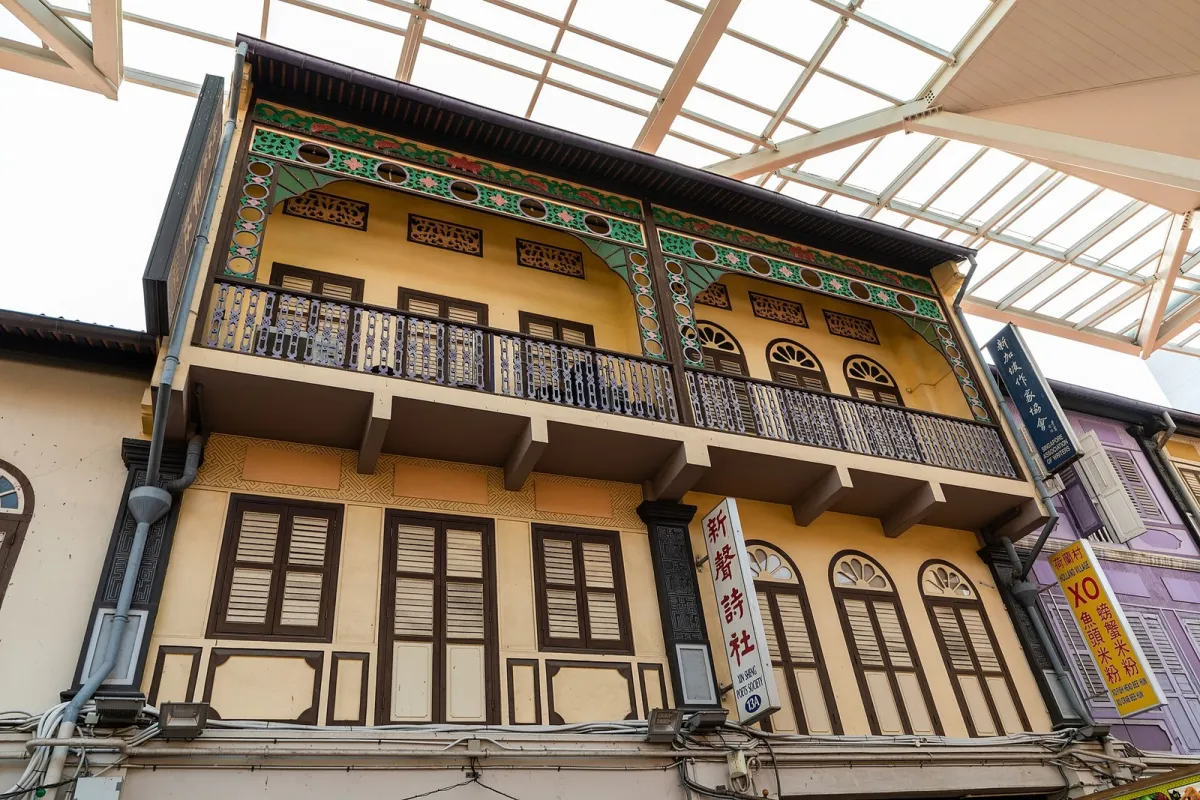

Singapore’s history is visible in the way a mosque, a Hindu temple, Chinese clan buildings, civic monuments and modern towers share the same compact landscape. The island did not begin with the arrival of the British in 1819, and its heritage cannot be reduced to a single community’s story. A useful visit connects the trading port’s earlier regional relationships with colonial migration, wartime occupation, self-government and the independent country established in 1965.
Use this page to choose the places where that history becomes tangible. The aim is not to memorise every date before walking out of the hotel. It is to understand why the river matters, why historic districts have distinct architectural patterns and why a building’s present use may differ from the function described in an old photograph.
Before 1819: an island in regional networks
Earlier Singapore formed part of the maritime world linking the Malay Peninsula, Sumatra and wider Asian trading routes. Temasek and Singapura belong to this longer history. Written traditions, archaeological evidence and later retellings do not all describe the past in the same way; a foundation legend should not be presented as a complete documentary account.
Fort Canning and museum interpretation offer starting points for exploring the pre-colonial island. The National Library Board’s discussion of Singapore’s longer history is a useful corrective to the idea that the island was an empty place awaiting a European founder. For a visitor, the important shift is to see Singapore as part of its region before seeing it as a modern global city.
1819 and the growth of a colonial trading port
In 1819, an agreement involving Stamford Raffles, Sultan Hussein Shah and Temenggong Abdul Rahman enabled the British East India Company to establish a trading post. This marks a major colonial turning point, not the beginning of all settlement. The port’s growth drew people, capital and goods from across Asia and beyond, creating opportunities alongside hardship and unequal power.
Singapore joined Penang and Malacca in the Straits Settlements in 1826; the settlements became a Crown Colony in 1867. Rather than treating these administrative changes as an isolated list, look at the waterfront and ask how shipping, storage, labour and government fitted together. The river was an economic working space long before its warehouses became restaurants and its promenades became sightseeing routes.
Boat Quay offers an accessible introduction. Its conserved shophouses sit against a modern commercial skyline, making the change in urban scale particularly clear. Walk slowly enough to notice the narrow façades and continuous street rhythm. Present-day dining businesses do not recreate the conditions in which earlier dock workers and traders lived, so use the architecture as evidence rather than a romantic reconstruction of port life.
Communities and historic districts
Chinatown, Kampong Gelam and Little India are useful introductions to migration, trade and worship, but none should be treated as a sealed ethnic display. Communities interacted through work, commerce, family and shared city life. District names simplify a much more complex history, and the buildings you see now also reflect conservation, adaptation and tourism.
Chinatown and Telok Ayer
Explore streets, temples and clan associations as parts of a working community. Telok Ayer’s relationship with the former shoreline helps explain its importance to arriving migrants and seaborne trade. Religious buildings stand close together, giving a more nuanced picture than a single label such as “Chinese quarter.” Ask about visitor access and avoid entering spaces reserved for worship.
Kampong Gelam
The Sultan Mosque and surrounding streets connect Malay-Muslim heritage with trade, textiles and contemporary businesses. Look at the relationship between the mosque, lanes and shophouses before treating the area simply as a collection of murals. Modest dress and respect for prayer times matter. Shopping and cafés can be part of the visit without displacing the district’s religious identity.
Little India
Markets, flower garlands, places of worship and food provide a lively introduction to the area. Visit with time to understand what a business sells rather than taking a quick photograph and leaving. A small guided walk or museum visit can help connect street scenes with migration and trade. Avoid assuming that every Indian community, religion or cuisine has the same practices.
War, self-government and independence
The Japanese occupation from 1942 to 1945 is a major part of Singapore’s twentieth-century history. It should not be treated as an entertaining backdrop to a colonial sightseeing walk. Museums and memorials can help visitors approach the subject with appropriate context, including the experiences of civilians and different communities.
After the war, constitutional change and political mobilisation led towards internal self-government in 1959. Singapore joined Malaysia in 1963 and became an independent republic on 9 August 1965. These are distinct milestones.
The Civic District brings several periods together. Former government and judicial buildings now serve cultural uses, while nearby institutions continue to perform public functions. Read the current building name and visitor rules carefully. A façade associated with the former Supreme Court does not mean that the same rooms remain the working Supreme Court today.
Singapore museums: choose a collection, not just a building
Singapore’s museums answer different questions. A national history visit is different from a day looking at Asian art, Peranakan objects or natural-history specimens. Choose one main collection and connect it with an appropriate district, rather than treating several nearby institutions as interchangeable indoor stops. The time blocks below are flexible planning allowances, not an official limit on a visit.
| Museum | Choose it for | A sensible pairing |
|---|---|---|
| National Museum of Singapore | The country’s history and changing identities | A short Bras Basah or Fort Canning-area walk |
| National Gallery Singapore | Art and the former civic buildings | The Padang and Singapore River |
| Asian Civilisations Museum | Asian exchange through objects, trade and belief | Empress Place and a river walk |
| Peranakan Museum | Material culture, identity, fashion and craftsmanship | Armenian Street and nearby historic streets |
| Indian Heritage Centre | South Asian connections and Indian Singaporean experiences | A Little India walk and meal |
| Lee Kong Chian Natural History Museum | Southeast Asian biodiversity and specimen collections | A dedicated western Singapore outing |
Scroll horizontally on smaller screens if needed.
National Museum of Singapore: give the national story time
Choose the National Museum when you want a framework for the places you will see outside: the island’s regional connections, colonial port, wartime experience and development of a modern country. The visit is more useful when it informs the rest of the trip than when it becomes a race through dates. Allow roughly two to three hours if national history is a main interest, with a pause between the longer displays; a temporary exhibition can justify more time.
Use the museum’s upgrading and gallery notice and current programme together. The notice describes phased work, including the refresh of the Level 2 galleries; an open building does not establish that every display mentioned in an older guide is available. Check the actual exhibition and ticket combination before committing the afternoon. A modest nearby walk is a better pairing than another large museum immediately afterwards.
National Gallery Singapore: look at art and architecture separately
The National Gallery occupies the former Supreme Court and City Hall. Give yourself two distinct ways of looking: first at the buildings and their adaptation, then at a selected collection or exhibition. The Gallery’s architecture and history pages help distinguish the former judicial and civic uses from the museum operating there today. This is not Singapore’s current working Supreme Court.
Gallery planning: the official visitor information, checked on 28 October 2026, states that the UOB Southeast Asia Gallery is temporarily closed with reopening planned for late 2027; other works from the National Collection remain displayed elsewhere in the Gallery. Read the current visitor information and available programme before buying for a particular collection. Plan a half-day if you want both buildings and substantial art viewing; choose a focused two-hour visit if you have another priority. Families should check exhibition-specific age guidance and activities rather than assuming every display suits all ages.
Asian Civilisations Museum: connect objects with the river
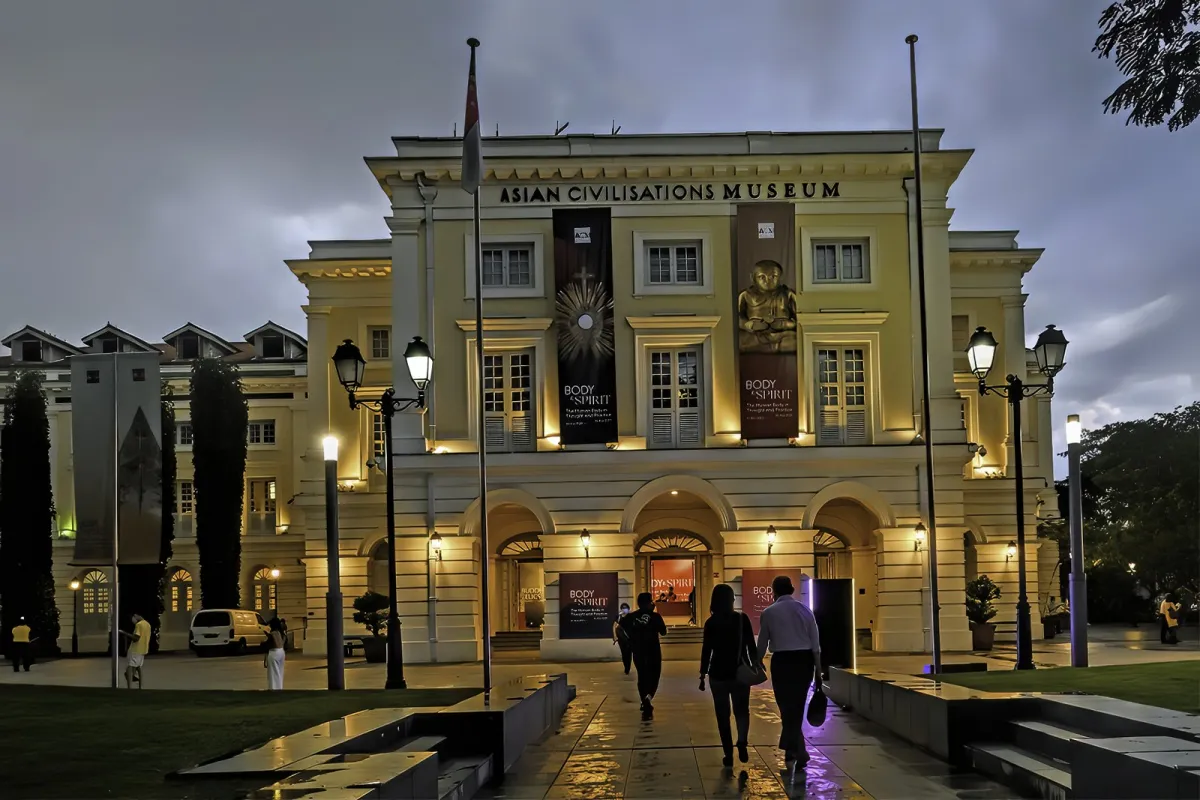

At Empress Place, the Asian Civilisations Museum is a strong choice for travellers interested in the movement of goods, beliefs and artistic ideas across Asia. Its gallery overview organises the collection around Maritime Trade, Faith and Belief, and Materials and Design. The Tang Shipwreck collection provides a particularly tangible entry point into seaborne exchange; ceramics, textiles or jewellery offer another way into the subject for visitors drawn to making and design.
Choose two or three themes that interest you and allow around two hours, rather than trying to read every case. Afterwards, walk a short section of the river and consider how the museum’s setting relates to trade. Consult the museum’s visitor page for the entrance, access arrangements and current admission products. The National Gallery is nearby, but proximity is a reason to choose intelligently, not an obligation to complete both in one afternoon.
Peranakan Museum: notice materials, skills and identity
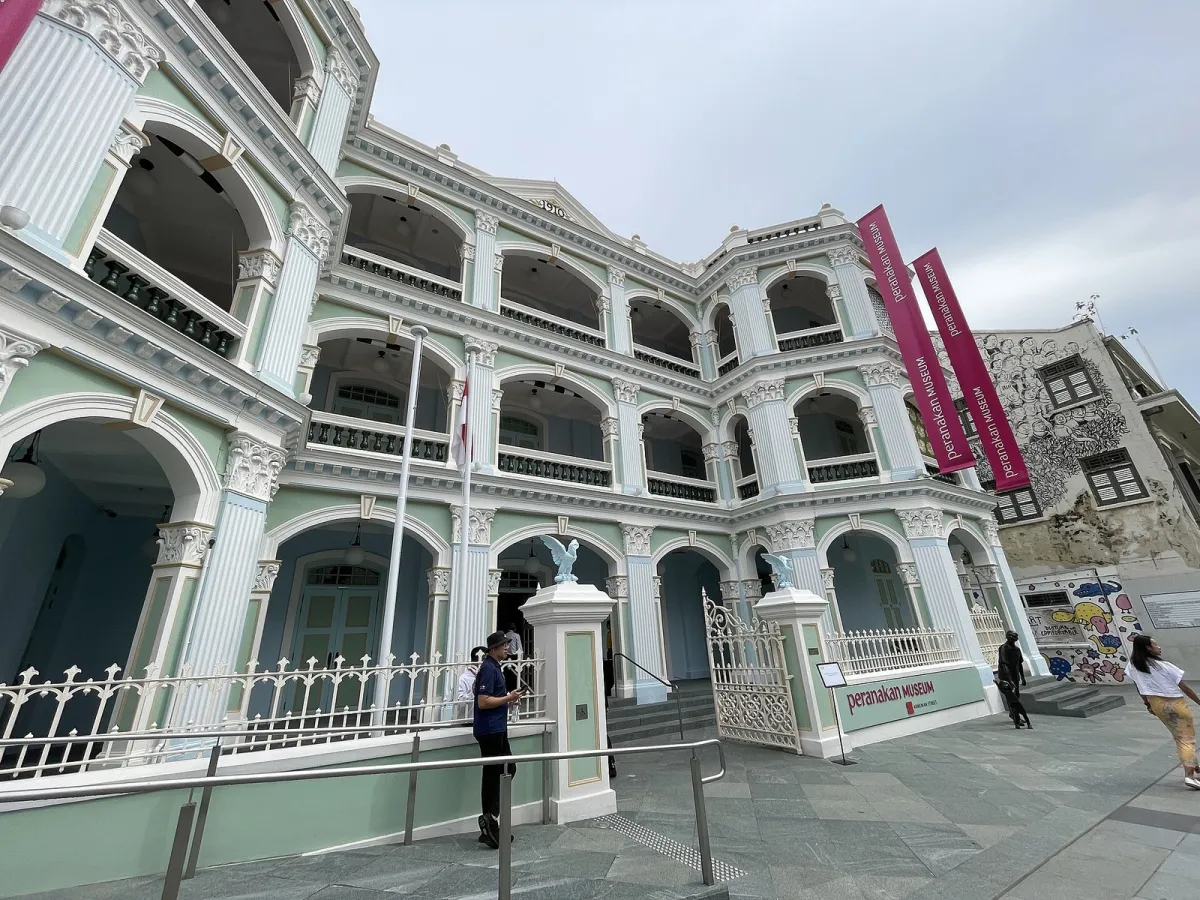

On Armenian Street, the Peranakan Museum offers a focused way to explore the material cultures and identities of Peranakan communities. Its galleries include objects such as textiles, beadwork, jewellery and dress. Looking closely at how an object was made, worn or used is often more rewarding than treating everything as decorative evidence of a single unchanging tradition.
Allow about ninety minutes to two hours for a considered visit, then take a short street walk or a meal break nearby. The building’s former school identity also rewards attention to its architecture. Check the museum FAQ for current admission and practical arrangements. If this is your one culture-focused museum, connect it with what you have seen in the city without assuming that every colourful shophouse, restaurant or family belongs to the same Peranakan community.
Indian Heritage Centre: add context to Little India
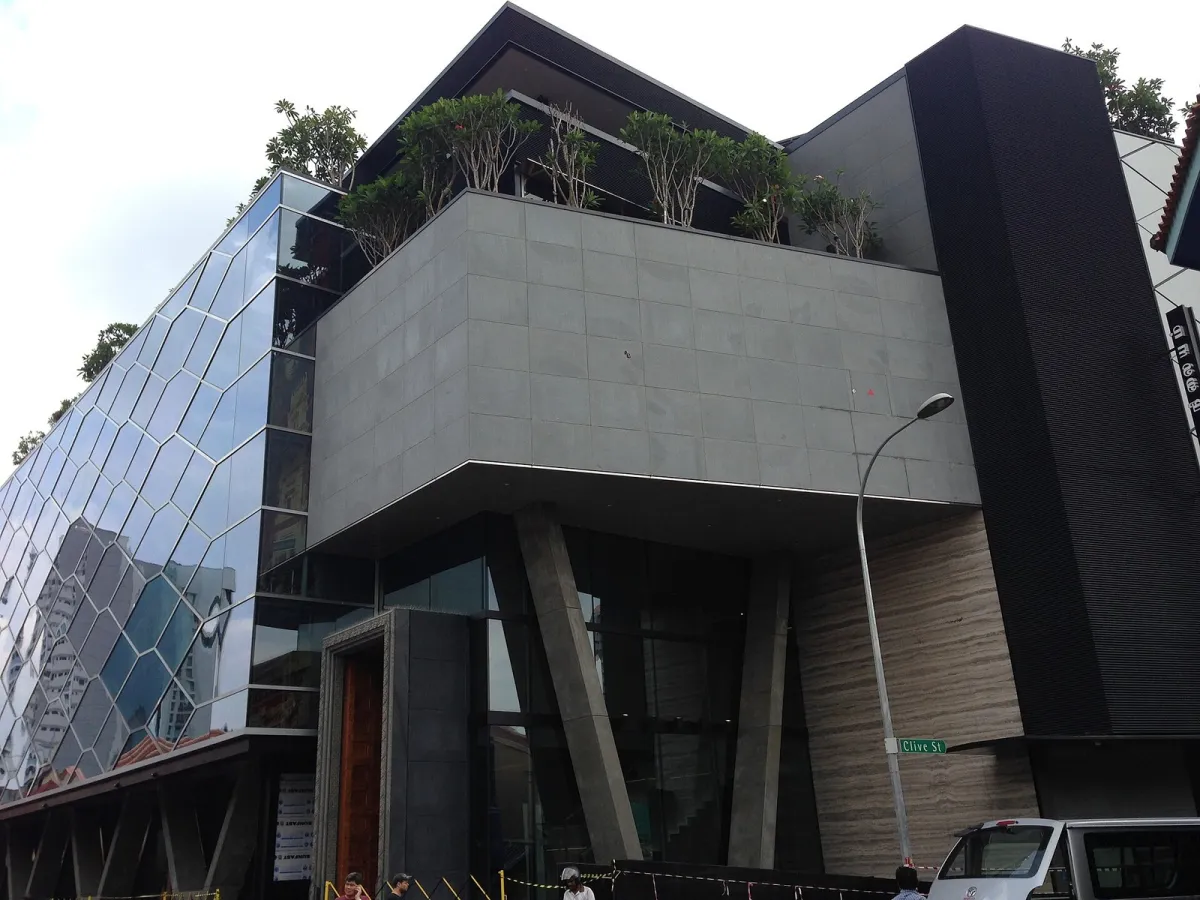

The Indian Heritage Centre at 5 Campbell Lane makes a natural indoor anchor for a Little India visit. Its permanent exhibition traces relationships between South and Southeast Asia and the experiences of Indian communities in Singapore. It adds migration, work and social history to a district walk that might otherwise concentrate only on façades, food and shops.
Allow around one to two hours, with a meal or a manageable street sequence before or afterwards. The official location and visitor page distinguishes the Campbell Lane entrance from the nearby vehicle drop-off on Clive Street. Check the day’s opening arrangements: being in a busy shopping district does not mean that a museum operates on the same schedule as surrounding shops. Keep the visit focused enough to notice differences within Indian Singaporean experience rather than reducing it to one cuisine or religion.
Lee Kong Chian Natural History Museum: make a separate biodiversity visit
At the National University of Singapore, this museum offers a different kind of collection day: natural-history specimens, Southeast Asian biodiversity and large sauropod fossils. It suits a genuine interest in the natural world or a family choosing a specimen-based museum, rather than a visitor simply wanting another central heritage building. Its western Singapore location makes it a dedicated outing with travel time, not an extra stop on the Civic District walk.
Plan roughly two hours on site and check the current admission-session and visitor arrangements. The museum currently flags changes to selected Mammal Zone displays and the closure of that zone for renovation from late November 2026. Consult the Biodiversity Gallery notice for the displays that matter to you. Do not promise the Singapore whale or any other particular specimen without that check.
Make the museum day work
For a short first visit, one main museum and one nearby outdoor sequence are usually enough. Choose an interest-led pairing: Asian Civilisations Museum and the river, Indian Heritage Centre and Little India, or Peranakan Museum and Armenian Street. For a collection-focused trip, two museums can work if you separate them with lunch and deliberately limit the sections you plan to see.
Compare the ticket against the actual galleries you want, the visitor category and any temporary exhibition. Check the nearest useful entrance, lift or ramp route and available rest areas when access needs matter; “near an MRT station” does not describe the entire last approach. Keep photography, flash, tripods, bags and food rules specific to the institution and exhibition. Museum cafés, shops and outdoor grounds can have arrangements separate from gallery admission.
A practical heritage walk
Start with a short section of the Singapore River, continue towards the Civic District and choose one museum. This gives an intelligible sequence of trade, administration and contemporary cultural use. Keep the route manageable in humid weather and save Chinatown or Kampong Gelam for a separate half-day rather than turning history into a long forced march.
Use the URA’s historic district information to understand conservation areas, then look for changes in building scale, covered walkways and street frontage. Conservation preserves important fabric, but a restored shop may have a new business and a new interior. Distinguish a surviving building from a claim that its present activity is unchanged.
Look for a building’s original function, its surviving fabric and its present use as three separate questions. A former warehouse can retain a recognisable street frontage while serving a modern restaurant; a former civic building can become a museum. Keeping those distinctions clear makes a heritage walk more informative than simply calling every conserved façade colonial.
Singapore history and culture FAQ
Did Singapore’s history begin in 1819?
No. The British trading post established in 1819 was a major turning point within a much longer regional and settlement history.
When did Singapore become independent?
Singapore became an independent republic on 9 August 1965, after joining Malaysia in 1963.
Is the old Supreme Court still the working court?
The former Supreme Court building is part of National Gallery Singapore. The present Supreme Court is a separate nearby building.
Can I assume every National Gallery collection gallery is open?
No. Check the current gallery programme and closure notices. The UOB Southeast Asia Gallery has a temporary closure with reopening planned for late 2027; other displays and the buildings provide separate reasons to visit.