
SINGAPORE TRAVEL GUIDE
Singapore Useful Contacts: Emergencies, Lost Documents & Visitor Help
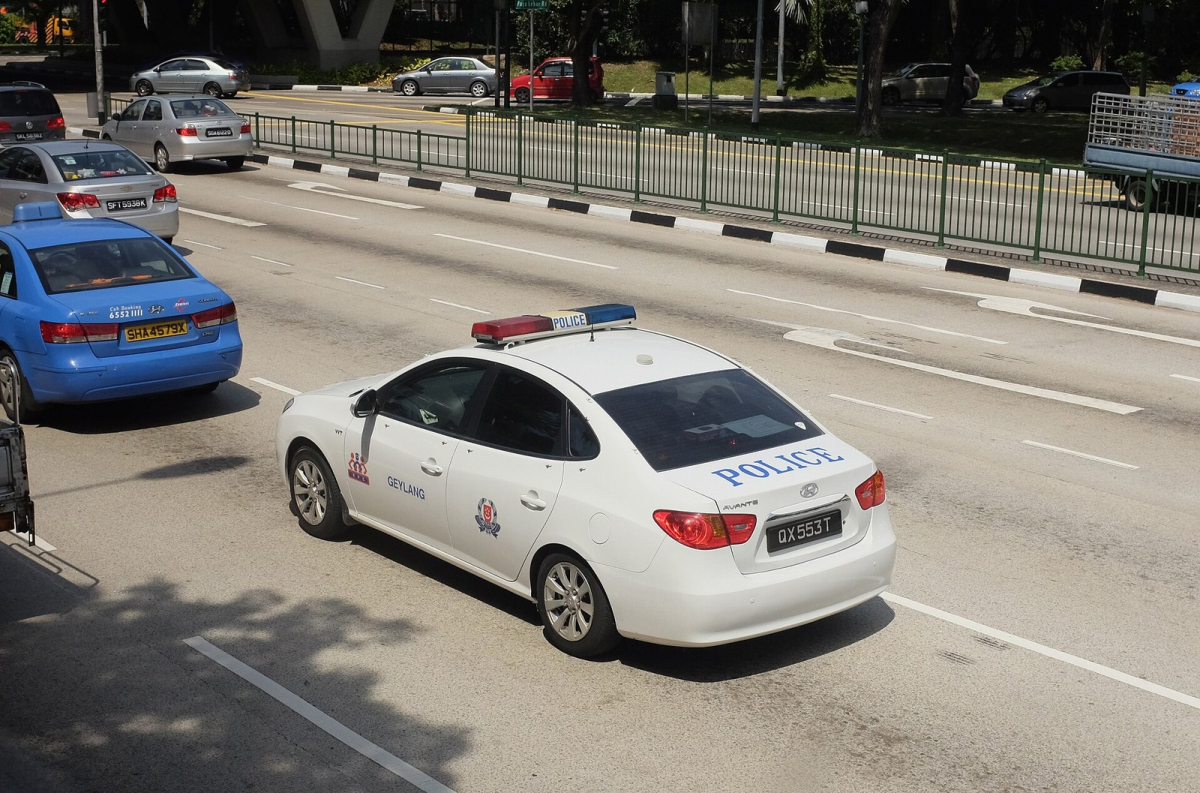
The most useful Singapore contact is the one responsible for the problem you actually have. An airline handles a missed flight; a hotel confirms its own booking; immigration authorities explain entry permission; your own diplomatic mission helps with a lost passport. This page replaces an old directory of addresses and numbers with a practical way to reach the right service and prepare the information it will need.
Keep important contacts offline before travelling. A phone with no data, a lost bag or a failed battery can make an online-only plan unworkable. Record the hotel’s address, the insurer’s assistance line, the airline booking reference and your country’s official consular contact. Store sensitive document copies securely and avoid carrying every original and backup in the same wallet.
Emergency help in Singapore
| Situation | Contact | Use |
|---|---|---|
| Immediate police assistance | 999 | A crime or immediate police emergency |
| Fire or emergency ambulance | 995 | Fire and life-threatening medical emergencies |
| Police emergency when speaking is unsafe or impossible | SMS 70999 | Briefly describe the emergency and exact location |
| SCDF emergency SMS for people with hearing or speech impairments | SMS 70995 | Use the service under SCDF’s published guidance |
Scroll horizontally on smaller screens if needed.
The Singapore Police Force contact page distinguishes emergencies from other reports. Its 70999 guidance explains when emergency SMS is appropriate. If it is safe to speak, a voice call allows direct clarification. Messaging a social-media account is not an equivalent emergency channel.
The SCDF emergency medical services page explains the use of 995 and non-emergency alternatives. It also announces the cessation of the 1777 non-emergency ambulance hotline from 1 January 2027. Consult the current SCDF advice instead of relying on an undated printed list for a future trip.
What to tell an emergency operator
Give the building name, address, floor or unit if known, and a nearby recognisable landmark. At a station, park or large attraction, use signs, entrance names or staff assistance to identify the location clearly. Explain what has happened, how many people need help and a telephone number where you can be reached. Stay calm and follow the questions rather than ending the call as soon as the address is given.
Ask a companion to meet responders at an accessible entrance if the operator advises it and it is safe to do so. A map pin can be useful, but it should not replace the information requested by the service. Do not delay urgent contact while trying to identify a perfect postal address.
Lost or stolen passport and travel documents
Contact your own embassy, high commission or consulate through its official government website. The appropriate process depends on your nationality and the document required for your next journey. A Singapore embassy overseas serves Singapore’s interests; it is not the service that replaces a foreign visitor’s passport in Singapore.
Check whether an appointment, a police report, photographs or evidence of travel is required. A replacement passport and an emergency travel document can have different conditions. Confirm whether the document is accepted by your airline and by any transit country before buying a replacement flight. If your entry or stay records must be updated, ask the relevant Singapore authority how to do that.
Use a consular emergency line only for the urgent circumstances it covers. Routine passport opening hours and emergency assistance are different services. This guide avoids reproducing a large list of diplomatic office addresses because those details can move or change; the official mission page should determine where you attend.
Visa, arrival card and permitted stay
Use the Immigration & Checkpoints Authority for entry requirements and official arrival services. The SG Arrival Card is free and separate from a visa. If a third-party page asks for payment, check whether you have reached an optional intermediary rather than the official service.
Keep the passport details, arrival date and relevant application or reference number ready when making an enquiry through an official channel. Do not publish these details in an open social-media comment. If the question involves the length of your stay, read the actual permission granted and seek advice before it expires rather than assuming a hotel extension also extends immigration permission.
Flight, airport and baggage problems
For a cancelled flight, ticket change or baggage claim, begin with the airline or its appointed handling agent. Airport information staff can direct you to a counter, but they do not control every airline’s ticket conditions. Keep boarding passes and baggage tags until the journey and any claim are resolved.
Use Changi Airport’s official website for terminal and airport-service information. Distinguish an item lost in a terminal from baggage missing after a flight; the reporting channels can differ. Describe the item, date, approximate time and location without sharing unnecessary identity or payment information.
Public transport and payment help
If a bank card fails at a gate, ask station staff for the immediate travel problem and contact the issuer about the card itself. SimplyGo’s contactless card information explains supported payment methods and how fare charges are grouped. A pending bank transaction can represent several journeys rather than one ride.
For an item lost on a train or bus, identify the operator, service or station and the time of travel. Keep an app ride receipt if something was left in a taxi or private-hire car. Use the provider’s official lost-property process instead of giving your location or account details to an unsolicited caller claiming to have found the item.
Hotel and attraction bookings
Contact a hotel through its official website or the original booking platform when you need to confirm a reservation, an accessible room or a late arrival. A message asking you to move payment to a new link should be verified independently. If you booked through an intermediary, establish whether the hotel or the intermediary must authorise a change or refund.
For attraction closures, go to the operator’s current notice and ticket conditions. A reseller may have different customer-service procedures even when it sells the same admission. Keep the ticket code and purchase confirmation accessible, but share them only through the appropriate private support channel. A public screenshot of a scannable ticket can expose the booking to misuse.
A useful offline contact card
Before leaving the hotel, save its full name and address, your insurer’s assistance details and the return route. Add the airline reference on a flight day and the attraction’s official instructions on a timed-entry day. A travelling companion should know where the important information is stored without needing access to every private account.
When contacting a support service, send a short factual chronology: the booking reference, scheduled date, what changed and the outcome you need. Attach only the documents relevant to that request through the official private channel. Keep a copy of the response and any case number so a second conversation does not have to start from the beginning. For urgent travel disruption, identify the deadline clearly rather than relying on a general enquiry to be treated as an emergency.
Singapore useful contacts FAQ
Should I call 999 for an ambulance?
For a life-threatening medical emergency or fire, call 995. Use 999 for immediate police assistance.
Who replaces a foreign visitor’s lost passport?
The visitor’s own diplomatic mission or authorised consular service. Check its official government instructions and any airline or transit restrictions on replacement documents.
Can airport information change my flight?
Flight changes and ticket conditions are normally handled by the airline or booking provider. Airport staff can help you find the correct service.

