
SINGAPORE TRAVEL GUIDE
Singapore Food, Restaurants & Nightlife: Where and How to Eat
Eating in Singapore works best as part of the neighbourhood you are exploring. A hawker breakfast in Chinatown, a Malay meal near Kampong Gelam, a café stop in Katong–Joo Chiat and a carefully chosen restaurant dinner can offer more variety than a list of famous venues visited out of sequence. Start with what you want to eat, then choose a place and a time that fit the day.
This guide separates dishes and ordering from the choice of eating area, then explains evenings, festivals and shopping. Menus, individual stall hours and event programmes change. Verify an establishment’s current operation before making a long journey, and avoid treating a historic restaurant name in an old article as a recommendation for a business still trading today.
What to eat and drink
Chicken rice and its variations
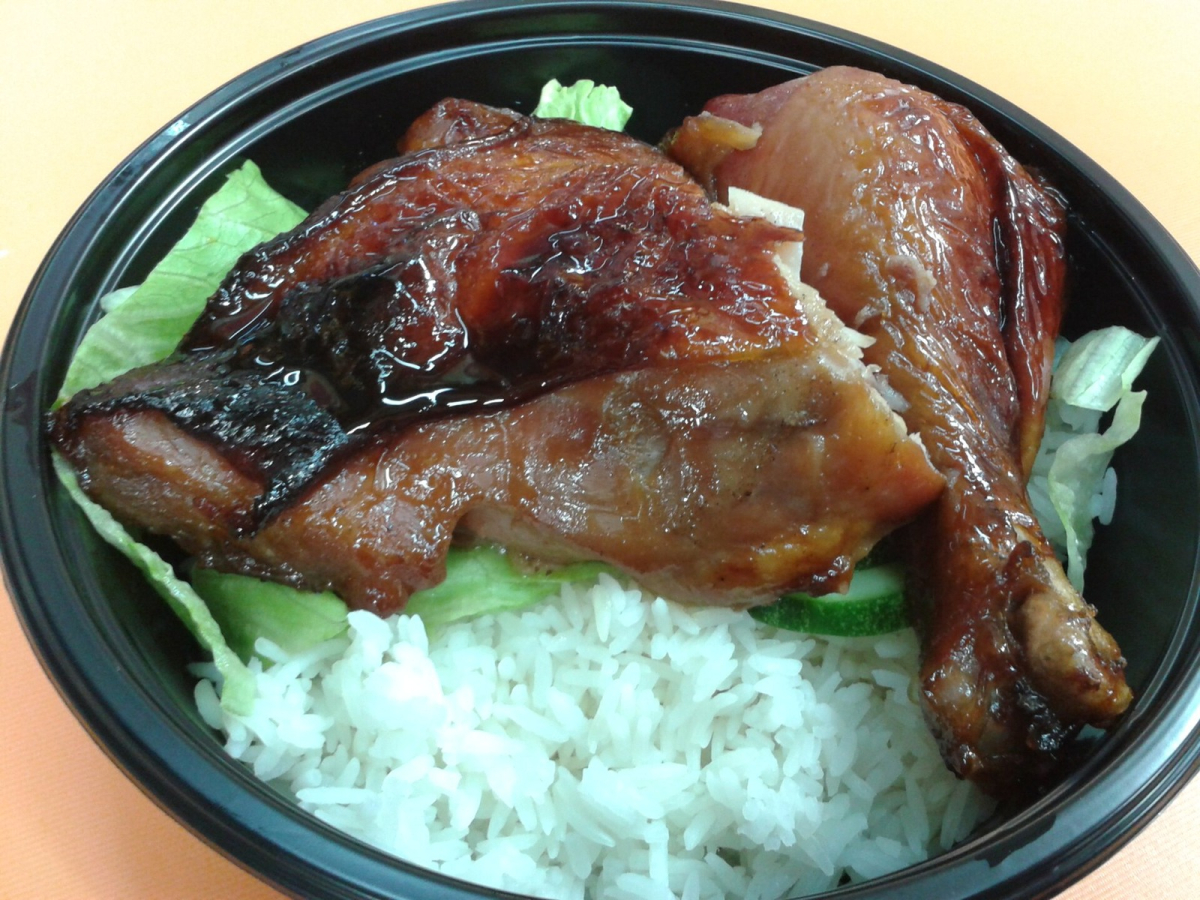
Chicken rice is a practical introduction to hawker food, but the preparation varies. Poached and roasted chicken produce different textures and flavours; rice, broth and sauces are integral to the dish. Ask what is included in the portion and add vegetables or another dish if you want a fuller meal. A photograph of roasted chicken illustrates one version, not the exact serving at every stall.
Laksa, noodles and rice dishes
Laksa is associated with a rich, spicy broth, while other noodle dishes may be fried, dry-tossed or soup-based. Check ingredients rather than assuming every bowl is seafood-free or vegetarian. Nasi padang lets you select accompanying dishes, but the total depends on what you choose. Ask about the price of a combination if it is unclear, especially when selecting seafood or several additions.
Roti prata, kaya toast and breakfast
A simple breakfast can become a rewarding part of a district visit. Prata, toast, eggs and coffee each come with their own ordering choices. At a traditional coffee stall, explain whether you want milk, sugar or neither rather than assuming an international café vocabulary applies exactly. Give yourself time to observe the queue and ask a clear question without blocking the counter.
Seafood and a special meal
For chilli crab or another seafood dinner, ask whether the price is per portion, by weight or by the whole animal. Establish the likely total before ordering if a menu does not make it clear. A famous dish is not automatically a fixed-price meal. A shared dinner can be enjoyable when the group agrees on a budget and understands how additional dishes and drinks affect it.
Where to eat: choose the setting
| Area or setting | Useful for | Practical consideration |
|---|---|---|
| Chinatown and Maxwell area | Hawker meals alongside heritage walks | Individual stalls can sell out or close independently |
| Little India | Indian meals, markets and breakfast stops | Different cuisines and dietary practices coexist |
| Kampong Gelam | Malay-Muslim heritage, cafés and a district evening | Check halal requirements at the actual business |
| Katong–Joo Chiat | A slower neighbourhood food outing | Plan the onward or return journey |
| Riverfront and rooftops | A view-led dinner or drinks | Check reservation, dress code and minimum spend |
Scroll horizontally on smaller screens if needed.
Hawker centres
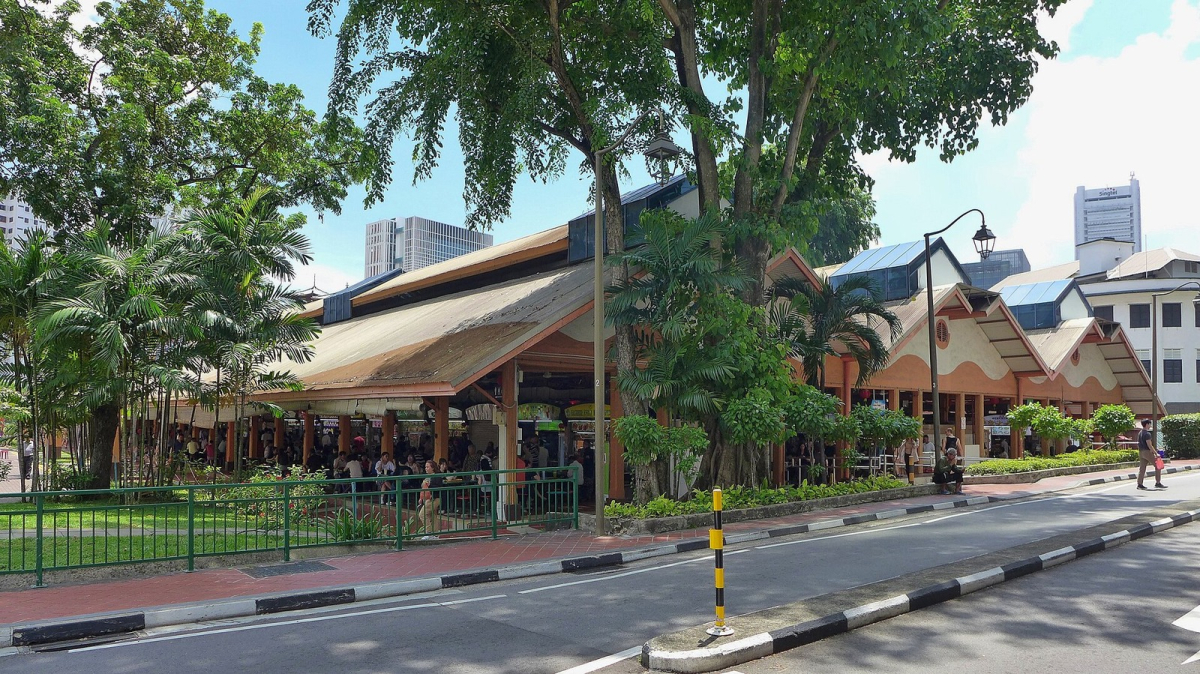
Browse the stalls before deciding. A long queue can indicate popularity, but it also costs time and does not tell you whether the dish suits your tastes. Look for a clear menu, ask about the portion and keep cash available when a foreign card or local QR system will not work. Some stalls use a collection number, others ask you to wait nearby; follow the vendor’s instructions.
Return trays and crockery to the appropriate collection area, observing halal and non-halal arrangements where indicated. Keep a table tidy and do not photograph other diners close up without permission. A tissue packet may indicate a reserved seat, but check politely if you are unsure. Hawker culture is a working food system, not a performance staged for visitors.
Restaurants and hotel dining
For a particular restaurant, verify the current address, opening days and booking conditions through its official channel. Ask about the meal’s likely duration if you have a later event. A tasting menu or special-occasion service should not be squeezed into the same window as a quick lunch. Confirm whether dietary requests can be handled before paying a deposit.
Hotel dining can be worthwhile without requiring a hotel stay, but access to restaurants does not imply access to guest-only pools, lounges or residential floors. Read the dress code and reservation terms. Avoid old claims that every venue remains at the same floor or address after a renovation or rebranding.
Dietary needs and ordering clearly
Explain the specific ingredient you need to avoid. A dish may contain shrimp paste, fish sauce, stock, egg, dairy or nuts even when those are not obvious from its short name. Halal, vegetarian and vegan describe different requirements. For a serious allergy, ask about cross-contact and choose a business able to answer reliably.
Do not assume a sauce can simply be removed after cooking. A written explanation helps, but it is not a guarantee that every stall can safely adapt a dish. Keep prescribed emergency medication accessible and follow your clinician’s instructions. Travellers with complex needs may prefer a mix of carefully researched restaurants and accommodation that supports suitable meal preparation.
Nightlife: choose the evening you want
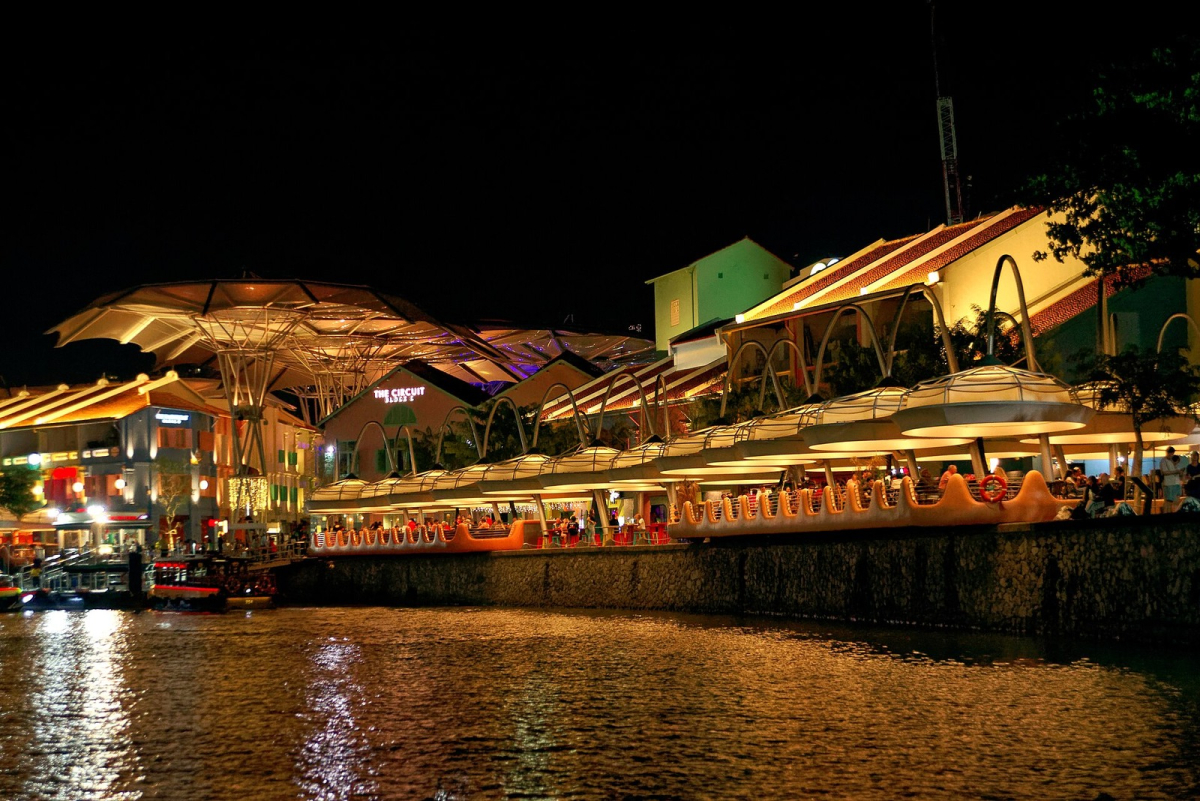
The riverfront, Chinatown and Tanjong Pagar, Kampong Gelam and hotel rooftop venues offer different kinds of evenings. Choose live music, a cocktail, a quiet meal or dancing rather than expecting one district to provide all of them at the same address. Nightlife businesses change quickly; this guide avoids reviving old club names simply because they appeared in an earlier version.
For a rooftop, check whether the booking is for an observation area, a bar table or a restaurant seat. A view, entry fee and drinks credit are different products. Outdoor tables can be affected by rain or wind, and private events can alter access. Agree the minimum spend and cancellation conditions before confirming a booking for a group.
Plan the return before the evening starts. Rail services do not operate throughout the night, and the last connection you need may leave earlier than the last train advertised elsewhere. If you expect to stay late, budget for a legitimate taxi or app-booked car. Keep valuables secure, watch your drink and check the destination and vehicle before departure.
Festivals and events
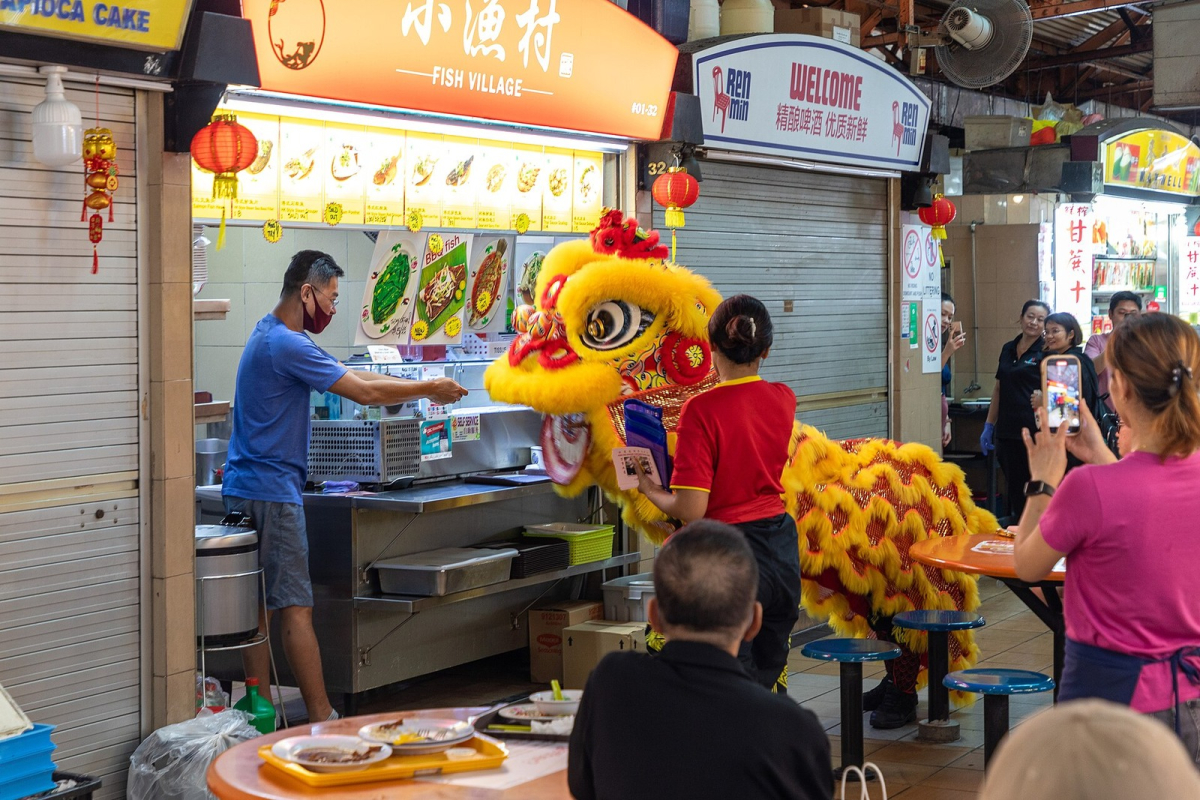
Singapore’s cultural and religious calendar includes Lunar New Year, Hari Raya celebrations, Deepavali and other community occasions. Dates and public programmes vary by year. Look for the actual event organiser’s current information and distinguish a public celebration from worship that should not be treated as entertainment. Ask before photographing participants closely.
Major sports, arts and business events can affect room demand, road access and restaurant availability. If the event is your reason to visit, book the essentials early and understand the venue’s entry conditions. If it is incidental, compare a hotel just outside the busiest area and leave extra time for transport. Do not copy a past year’s performance time or route into a current itinerary.
For arts programming, Esplanade’s official programme is a useful starting point; different performances have different ticket and access arrangements. For neighbourhood culture, the official tourism culture and heritage information can help identify the relevant district and institution. Confirm any date-specific event at its own source before planning around it.
Shopping: decide what is worth carrying home
Orchard Road suits a mall-focused shopping session, while heritage districts offer smaller businesses and more specialised products. Think about textiles, books, locally designed goods or packaged food according to your interests. Check whether the product is made locally, merely designed locally or imported; all can be legitimate purchases, but they tell different stories.
For food souvenirs, read ingredients, storage needs and the import rules at your destination. A product permitted for sale in Singapore may still be restricted on arrival elsewhere. For fragile objects, ask about packing and baggage suitability before paying. Compare the complete price and return conditions, especially for electronics or items carrying a regional warranty.
Singapore food and nightlife FAQ
Do all hawker stalls take foreign cards?
No. Some require cash or local payment systems. Ask before ordering and keep small SGD notes available.
Is chicken rice always poached chicken?
No. Roasted and other versions exist. Check the stall’s preparation and what the portion includes.
Can I assume a rooftop reservation includes pool access?
No. Restaurants, bars, observation areas and hotel guest facilities have separate access rules.
Can I return from a night out by MRT at any hour?
No. Check the last useful connection and arrange a taxi or private-hire car if you stay later.



