
SINGAPORE TRAVEL GUIDE
Where to Stay in Singapore: Neighbourhoods & Bases
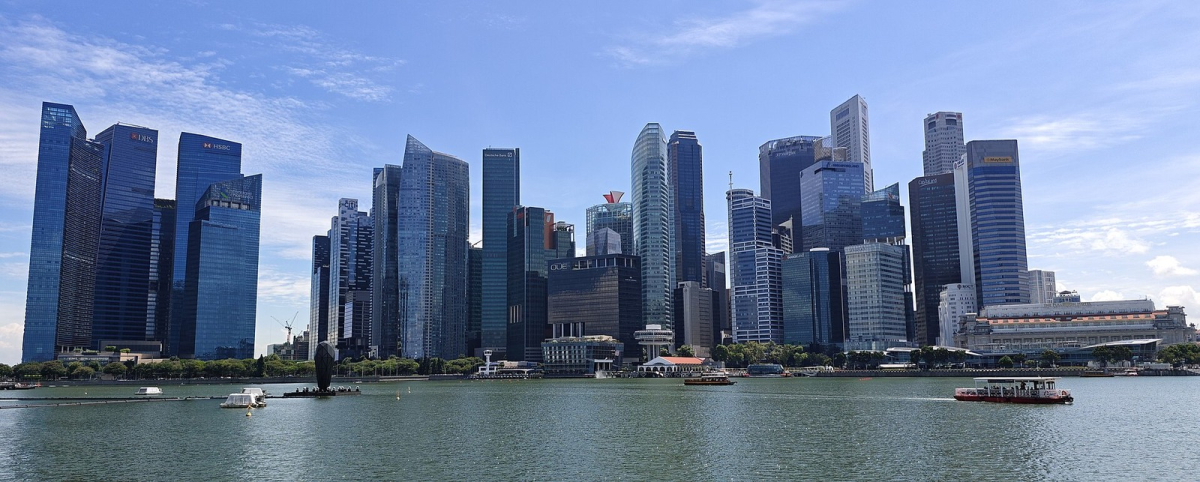
Choose where to stay in Singapore by the neighbourhood you want to return to each day. This guide compares seven practical bases, from waterfront and central districts to Katong–Joo Chiat and Sentosa, so you can match the atmosphere and daily journeys to your trip.
Begin with your likely sightseeing days, meals and transport, then compare the exact hotel entrance and station approach. Once the base is right, use the separate Singapore hotels guide to compare named properties, rooms and booking conditions.
Where to stay in Singapore: choose the base that fits your days
A useful Singapore base puts your regular journeys within easy reach; it does not have to overlook the skyline. Mark your hotel, the station entrance you will actually use and the first stop of two or three planned days before comparing prices. A lower room quote loses some of its appeal if every outing needs an extra taxi or a tiring walk with a pushchair. Conversely, a hotel across the city from one attraction can still work well when most of the trip is elsewhere.
For a first visit, compare a central rail-connected base with any resort stay you genuinely want. Marina Bay and the Civic District, Chinatown and Tanjong Pagar, Bugis and Kampong Gelam, Orchard Road, the Singapore River, Katong–Joo Chiat and Sentosa offer different daily experiences. These are practical planning areas, not identical-sized districts or a ranking from best to worst. The official neighbourhood guide is a useful starting point for their character; the exact hotel address still decides the last part of the journey.
| Base | Why choose it · what to check |
|---|---|
| Marina Bay & Civic District | Waterfront sights or museum-led first visits. Compare City Hall-side convenience with the longer walks around large bayfront buildings. |
| Chinatown & Tanjong Pagar | Heritage streets, food and central journeys. Check the exact rail line, evening noise and access in smaller conserved properties. |
| Bugis & Kampong Gelam | A balance of cultural walks, meals and shopping. A Bugis address and a hotel beyond the mosque are different walks from the station. |
| Orchard Road | Shopping, indoor breaks and established hotels. Check which part of the corridor and which MRT exit serve the building. |
| Singapore River | Evening dining and riverside walks. Distinguish nightlife around Clarke Quay from a quieter stay farther along Robertson Quay. |
| Katong–Joo Chiat | A slower food and neighbourhood stay. Rail access is stronger near the East Coast side; some Joo Chiat addresses still need a substantial final walk or bus. |
| Sentosa | Resort time, beach afternoons and island attractions. Budget for the onward journey when most sightseeing is on the mainland. |
Scroll horizontally on smaller screens if needed.
Marina Bay and the Civic District: waterfront or museum convenience
Choose the bayfront when skyline views, Gardens by the Bay and a hotel-led waterfront experience are priorities. Choose the City Hall and Bras Basah side when museums, civic architecture and several central outings dominate the plan. They are connected, but a room marketed as “Marina Bay” may sit on a different side of a wide water basin from the place you intend to visit each evening.
The trade-off is scale. Large hotel complexes, shopping centres and waterfront promenades can mean a long journey from the room to the correct station platform. A bay view is an amenity, not proof of a short step-free route. Families should compare the walk back after dinner and the position of indoor breaks, while travellers with mobility needs should ask for the actual lift entrance and vehicle drop-off. If a view is central to the booking, confirm the named room category rather than relying on the property's first photograph.
Chinatown and Tanjong Pagar: food and heritage on the doorstep
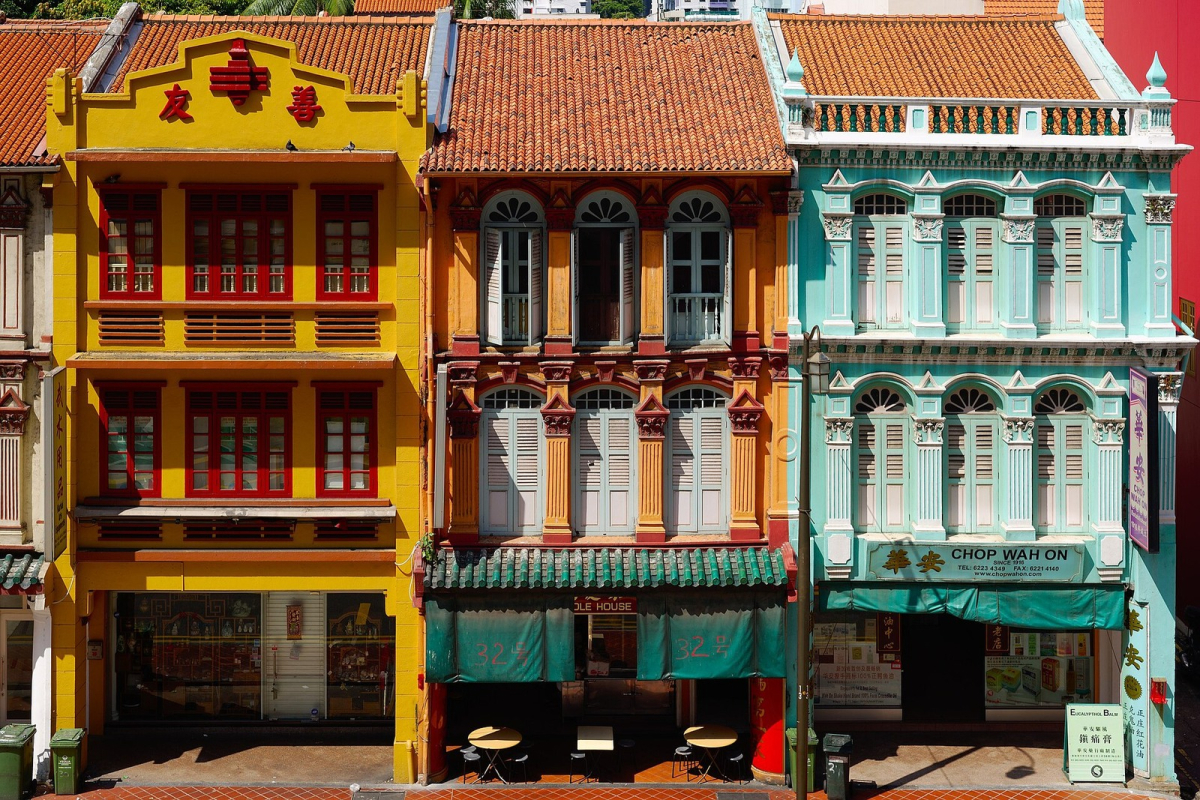
This is a strong choice when you want neighbourhood walks and everyday meals to form part of the stay. Chinatown, Maxwell and the Tanjong Pagar side provide different starting points; the station that helps with one day's route may not be the station named in a hotel's short description. Select the part of the area you want to return to each night rather than assuming all of it surrounds Chinatown MRT.
Compare a larger modern hotel with a smaller heritage property on its own terms. Conserved streets can be atmospheric, but an exterior photograph does not establish a lift, level entrance, windowed bedroom or spacious bathroom. Around dining and bar streets, request a room away from the busiest frontage if quiet sleep matters. A central location can work well for a longer visit, provided the room, laundry arrangements and total cost suit daily living rather than just a two-night stopover.
Bugis and Kampong Gelam: a flexible central base
Bugis suits travellers who want a mixture of transport, shops, cultural walks and meals without paying specifically for a waterfront outlook. Kampong Gelam adds distinctive streets around the mosque, textile shops and cafés. Do not treat the whole area as one station forecourt: a hotel near Bugis Junction and one towards Jalan Sultan have different final approaches, especially with luggage or in heavy rain.
Consider room size and frontage noise alongside the nightly rate. Small independent hotels and larger towers offer different space and access arrangements. Rochor and Little India can be useful alternatives nearby when a particular property meets your budget, but map their station and street rather than booking under an interchangeable “Bugis” label. For a late arrival, verify the operating route from Changi and compare a direct car transfer with the final outdoor walk from public transport.
Orchard Road: shopping, indoor options and compact-room trade-offs
Choose Orchard when shopping, restaurants, hotel facilities and indoor breaks are likely to fill a meaningful part of the trip. The corridor is long: Orchard and Somerset are useful for different addresses, and the Thomson–East Coast and North–South lines offer different onward journeys. The attraction name “Orchard Road” is therefore less useful than the hotel's precise entrance and the station exit that reaches it.
Underground shopping connections can keep part of a walk sheltered, but can also introduce extra corridors, levels and escalators. With luggage, a pushchair or a wheelchair, check the lift route and crossing rather than following the shortest-looking line on a map. Some hotels here prioritise a very compact room and a convenient address; others sell substantially more room space and facilities. Decide which you need before comparing photographs of a premium category with the entry-level rate.
Singapore River: choose the evening atmosphere deliberately
A riverside base works well for travellers who enjoy returning for a walk, dinner or a drink beside the water. The official river guide distinguishes the nightlife around Clarke Quay from the dining and café scene along other stretches. Boat Quay, Clarke Quay and Robertson Quay should not be treated as one doorstep location.
If you plan late evenings, being nearby can reduce the final journey home. If you are travelling with children or are sensitive to noise, investigate the particular frontage and room position instead of relying on the word “riverside”. Farther along the river, the nearest useful rail access may differ from Clarke Quay station; compare the actual address against the network map. A pleasant promenade is useful for short outings, but does not guarantee that the full route from hotel reception to every station or attraction is level and sheltered.
Katong–Joo Chiat: a neighbourhood stay with different transport maths
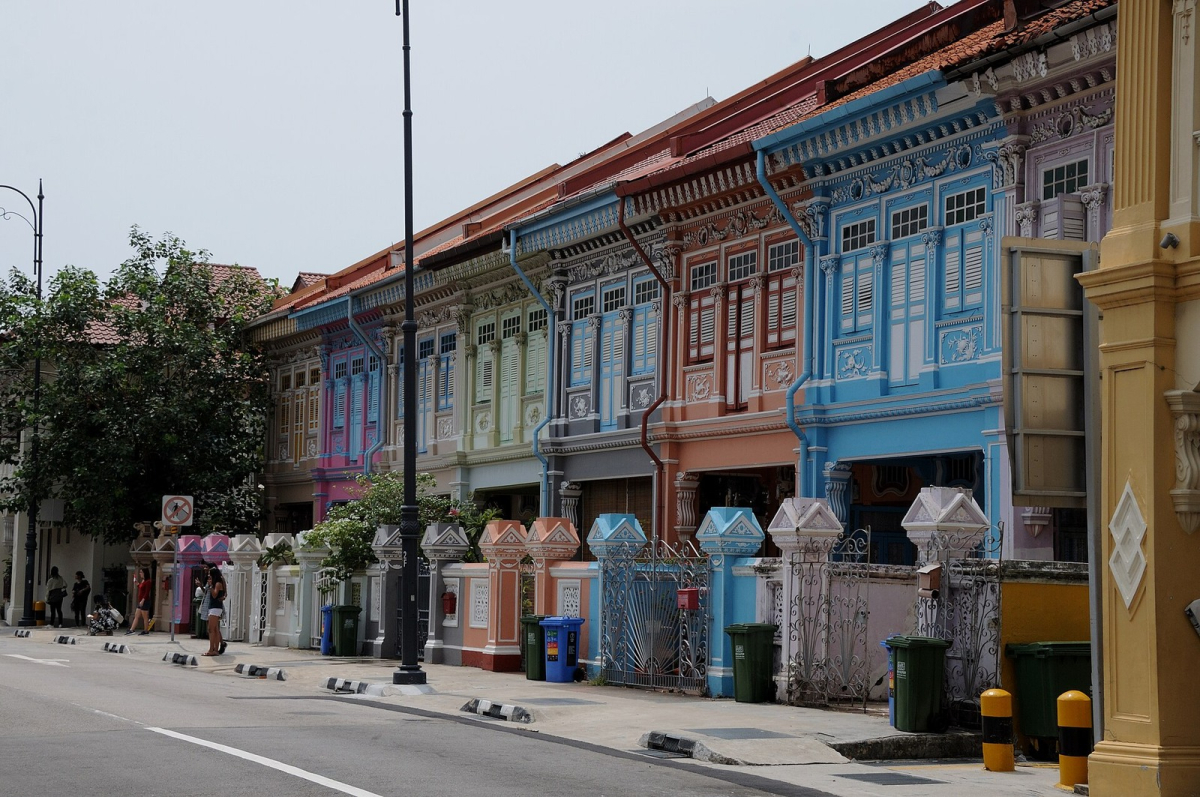
Choose Katong–Joo Chiat when local meals, conserved streets and time in the east appeal more than returning to the bayfront several times a day. A few consecutive nights can give the area room to become part of the trip, rather than an additional cross-city errand. It can suit repeat visitors or a slower stay, while a short first visit packed with western and central sights may favour a more central base.
Marine Parade and neighbouring East Coast stations on the Thomson–East Coast Line improve access, but do not place every Joo Chiat address at a station entrance. The street you book may still require an outdoor walk or a bus. Hotels near East Coast Road and accommodation farther north along Joo Chiat Road have different daily connections. Likewise, a coastal-area address is not proof of direct beach access: check the actual route to East Coast Park, road crossings and the return in hot or wet weather.
Sentosa: stay for the resort time you will use
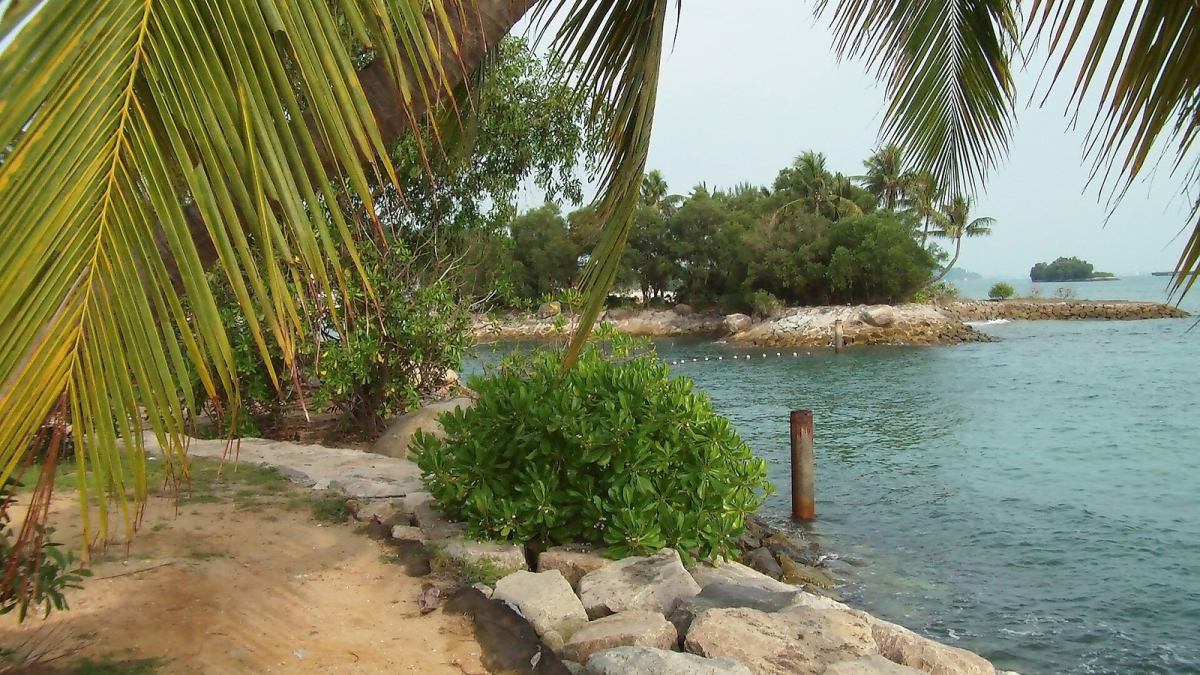
Sentosa makes the strongest case when the accommodation, pool time, beaches or island attractions are the reason for staying. For families, returning to the room between an attraction and an evening meal can be more valuable than squeezing the island into a rushed mainland day. It is less compelling when almost every morning starts with a mainland museum, shopping district or food walk.
Check whether the hotel is near Resorts World Sentosa, the beaches, Imbiah or Sentosa Cove; those names are not interchangeable arrival points. An “island resort” does not necessarily open directly onto a beach. Consult Sentosa's current access information and ask the hotel about its last transfer, luggage drop-off and any hotel-guest admission arrangements. Verify current lift and pool notices for the actual stay dates. If step-free access matters, obtain a complete route rather than assuming every island shuttle or beach connection meets the same needs.
Longer stays, split stays and the final approach
For a longer visit, compare the entire stay cost: room and taxes, breakfast or nearby meals, laundry, transport and the space needed to work or unpack. A kitchenette can be useful, but confirm what equipment is actually supplied and whether a washing machine is private, shared or a paid service. Use the longer-stay planning guide for accommodation and everyday cost checks; do not assume that a short-let listing offers the same legal or practical arrangement as a hotel.
A split stay is worthwhile when it changes the experience, such as central sightseeing followed by a genuine Sentosa resort break. Changing hotels between two central districts simply to try a new street can lose much of a day through packing, check-out, luggage storage and check-in. Keep a central base when a day trip reaches the second area easily. An airport-area final night can be useful for a very early flight, but compare that move with a pre-arranged transfer before interrupting a comfortable city stay.
LTA describes barrier-free routes at train stations and bus interchanges. This is useful network information; it does not establish the route to your hotel's door. Confirm the station lift exit, pavement and crossing, entrance step, room layout and shower individually. Ask the hotel to keep essential access arrangements with the reservation. Continue to the named hotel comparison once the area is right, and use the transport guide for the airport and daily journeys.
Where to stay in Singapore FAQ
Which Singapore area should I choose for a first visit?
Start with the places you will visit on most days. Marina Bay and the Civic District suit waterfront or museum-led plans; Chinatown and Tanjong Pagar, Bugis and Kampong Gelam, Orchard Road and the Singapore River offer different central bases. Compare the exact station, hotel entrance and room rather than choosing from the district name alone.
Is a cheaper room outside the centre always better value?
Compare the complete stay, including regular journeys, meals and the room you actually need. Katong–Joo Chiat can suit a slower neighbourhood stay, but a lower nightly quote may be less useful if your plans require repeated cross-city trips. Check the address and final walk before deciding.
What should families and travellers with mobility needs check?
Check the station lift exit, crossings and hotel entrance as well as the room layout, occupancy and bathroom. A central address, sheltered shopping connection or general accessibility description does not establish a complete suitable route. Ask the property to confirm the arrangements that matter to your party.
Should I stay on Sentosa or visit from a mainland hotel?
Stay on Sentosa when resort time, the pool, beaches or island attractions are a substantial part of the holiday. A mainland base can work better when most days focus on central museums, shopping and food walks. Compare the hotel's precise island location and the onward journey rather than treating all Sentosa addresses as equivalent.
Should I split a short stay between a central hotel and Sentosa?
Usually keep one central base for a short sightseeing visit. A split stay is more useful when the resort and island time are a deliberate part of the holiday; allow for packing, luggage transfer and the new check-in. Moving between two central districts often adds more effort than a day visit to the second area.



