
SINGAPORE TRAVEL GUIDE
Things to Do in Singapore: Food, Walks, Gardens & Cultural Experiences
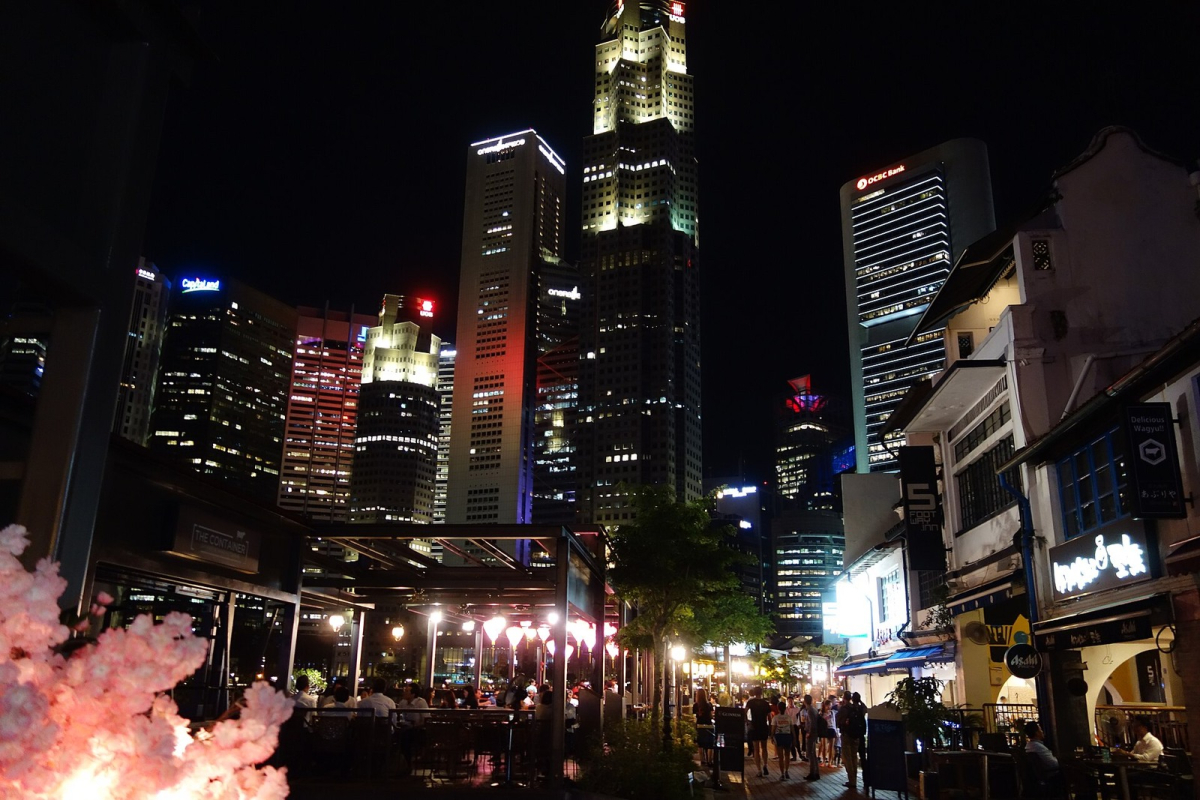
The most rewarding things to do in Singapore often combine an activity with its setting: eat in a hawker centre, follow the river between old trading streets and the bay, or spend an afternoon connecting museum objects with the neighbourhood outside. Choose the experience first, then the venue. This page helps you decide how to spend your time; the attractions guide explains individual major sights, while the itineraries put them into full-day sequences.
Start with one main experience and leave room for a meal and an unhurried second stop. Outdoor time is easier to enjoy early or late in the day, with an indoor alternative for heat or thunderstorms. A short rail journey does not remove the walking within a garden, museum complex or resort island.
Choose an experience that fits your visit
| Your priority | A useful starting choice | Allow space for |
|---|---|---|
| A first look at the city | Singapore River and the bay on foot | A meal, museum break and return station |
| Food and everyday life | A hawker meal within one heritage district | Browsing stalls and learning what to order |
| Plants and a slower morning | A focused Botanic Gardens walk | The correct entrance and a separate orchid ticket if wanted |
| Active coastal time | East Coast Park walking or cycling | A practical access point, equipment and the return journey |
| Art or history in depth | One museum with a nearby street walk | The collection you actually want to see |
| A major family outing | One Sentosa attraction or one Mandai park | Travel, on-site walking and a recovery break |
Scroll horizontally on smaller screens if needed.
Follow the river towards Marina Bay
Use Boat Quay and the Civic District to understand the change from a working trading waterfront to the contemporary city. A compact route can begin around Raffles Place, follow the public riverfront towards the Asian Civilisations Museum and Cavenagh Bridge, then continue towards the Esplanade and the bay. Cross at pedestrian crossings and bridges that fit your route rather than pursuing a perfectly continuous water-edge line.
The rewarding part is the transition in scale: narrow shophouse frontages, civic buildings and broad waterfront views. Stop for a drink or choose a museum before adding the longer bay promenade. If you want a short orientation, finish in the Civic District; if the evening is comfortable, extend towards Marina Bay. A public skyline view and a paid observation deck are different experiences, and you can enjoy the waterfront without buying a deck ticket.
For a boat perspective, compare an actual operator’s route, boarding point and final departure with the walk you would otherwise take. A sightseeing cruise provides an angle from the water; it does not substitute for time exploring the streets. Do not assume that every ticket includes food, an attraction entry or a convenient return to your hotel.
Make a hawker meal part of a district visit
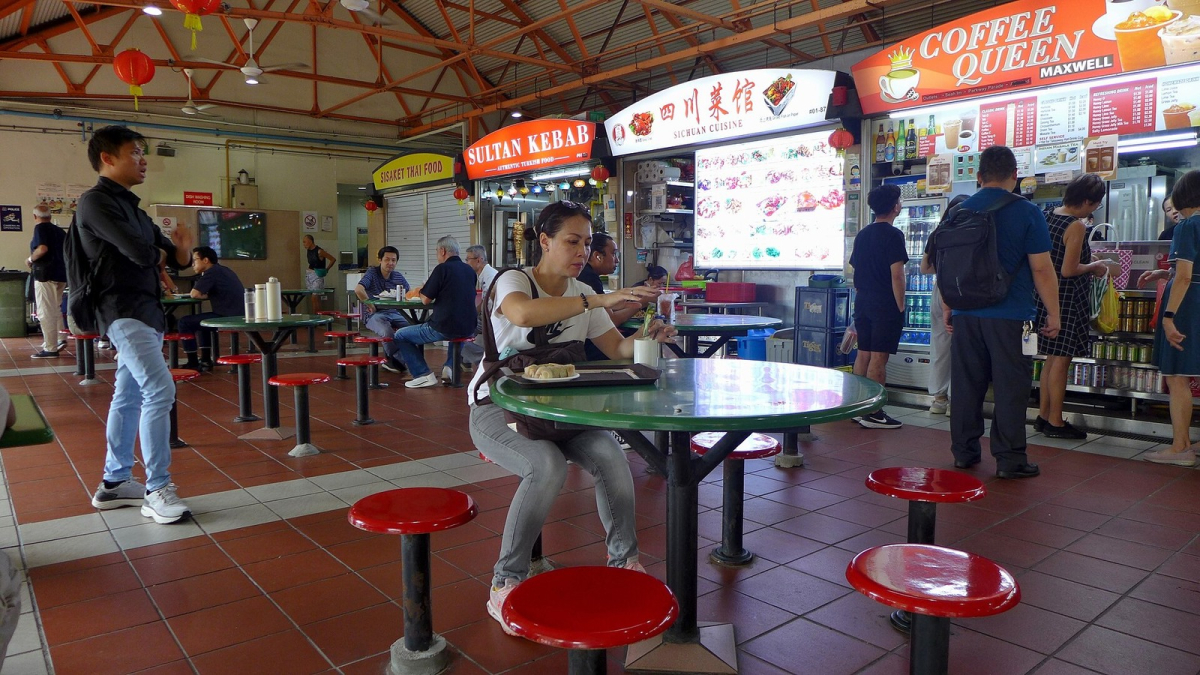
A hawker centre is most interesting when you approach it as a collection of specialised stalls rather than a single restaurant. Walk through once, decide what you want to try, then check the stall’s order and collection arrangement. Choose a modest first order so you can compare a second dish or drink without buying more than you want to eat.
Maxwell Food Centre and Chinatown Complex work with a Chinatown visit; Tekka Centre fits a Little India morning. Their appeal lies in the range of dishes and the everyday setting, not a promise that every famous stall will be open whenever you arrive. Carry some small cash, check accepted payment methods and ask about ingredients where allergies or dietary requirements matter. A dish’s familiar name does not establish every sauce, garnish or preparation method.
Return trays and crockery to the appropriate collection point and keep queues and walking routes clear. For suggestions on dishes, dietary questions and choosing between stalls and restaurants, use the food and drink guide. The official Chinatown overview places the district’s food centres within its wider cultural setting.
Explore one heritage district beyond its main photo stop
Telok Ayer and Chinatown: look at the relationship between the former waterfront, shophouses and different religious institutions. Thian Hock Keng and Nagore Dargah have distinct identities; do not treat every ornate façade as the same kind of temple. Pair the walk with a meal, and allow time to read interpretation rather than collecting doorways.
Kampong Gelam: walk the streets around Sultan Mosque, then explore textiles, perfume shops, food and contemporary street art. The mosque is part of a living religious district, not simply the background to Haji Lane. Keep worship and visitor access separate, dress respectfully for a religious visit and ask before making close portraits in a shop.
Katong–Joo Chiat or Tiong Bahru: choose these when you want a slower look at residential architecture, local businesses and food after the central highlights. They are rewarding precisely because people live and work there. Stay on public routes and leave entrances clear; a conserved façade is not permission to enter a private house. Use the history and culture guide for context, and the neighbourhood guide to choose an area that fits the rest of the day.
Choose a garden experience, not just a garden name
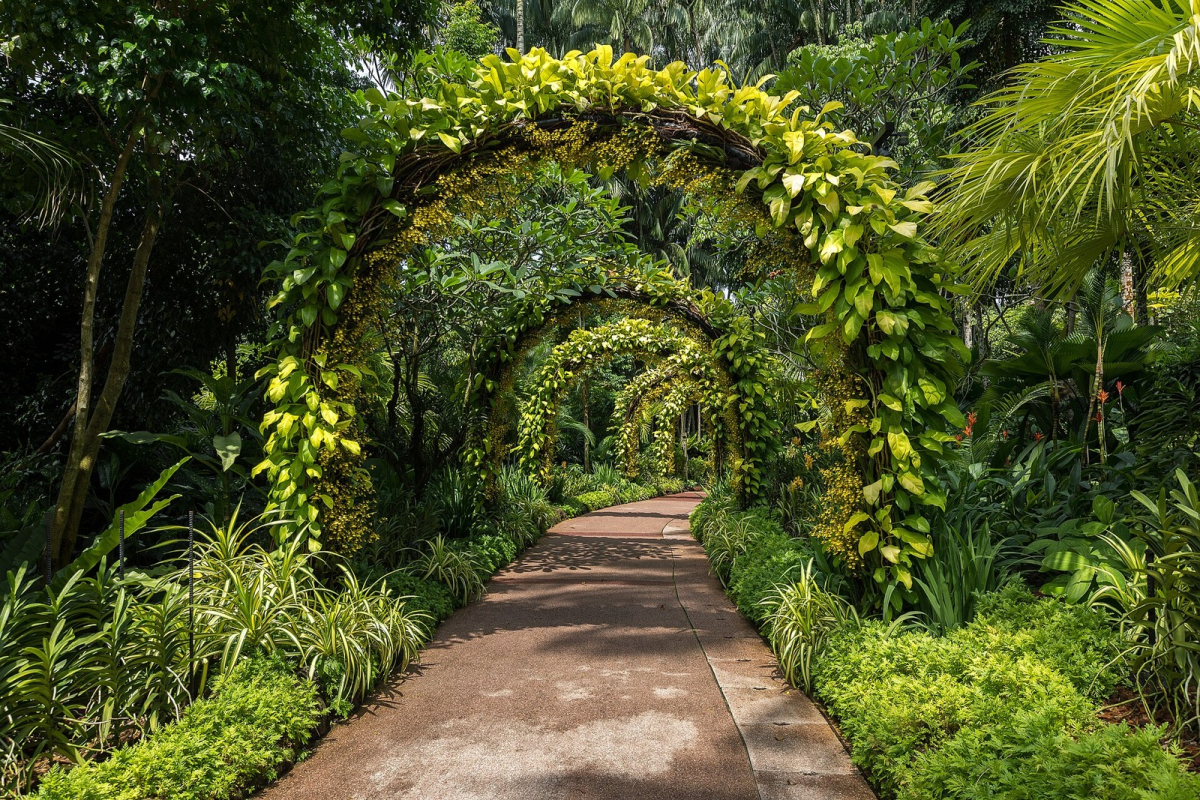
At Singapore Botanic Gardens, choose a section and an entrance before setting out. A focused walk through the grounds offers space to look at planting, mature trees and the way the landscape is used. Plant enthusiasts can make the National Orchid Garden the main purpose of the visit, rather than expecting to encounter its displays incidentally on a short walk from any gate.
The official National Orchid Garden information distinguishes this ticketed area from the wider gardens and identifies the convenient Tyersall approach. Check the current garden map and choose an exit that works for lunch or the return journey. Visitors with children should compare the age and operating rules of a particular play area before promising it as the reward at the end of a long walk.
Gardens by the Bay offers a different experience: designed landscapes, conservatories and dramatic architecture around the Supertrees. Decide whether you want an outdoor stroll, a particular conservatory or an elevated view. The operator’s opening and closure information is more useful than assuming all attractions operate together. Leave time to look, rather than treating both major gardens as short stops on the same checklist.
Use a museum to deepen an outdoor visit
Choose the museum by your question. National Museum of Singapore gives historical context; Asian Civilisations Museum connects art and objects with Asian exchange; Peranakan Museum explores the material cultures and identities of Peranakan communities. National Gallery Singapore adds art to the experience of the former civic buildings.
A satisfying half-day can pair the Asian Civilisations Museum with the river, Peranakan Museum with Armenian Street, or Indian Heritage Centre with Little India. Give the collection a real time block, rather than buying a ticket only to rush through until the rain ends. The museum comparison and practical descriptions help you select one. Current galleries and special exhibitions can differ from an institution’s general reputation.
Walk or cycle a manageable section of East Coast Park
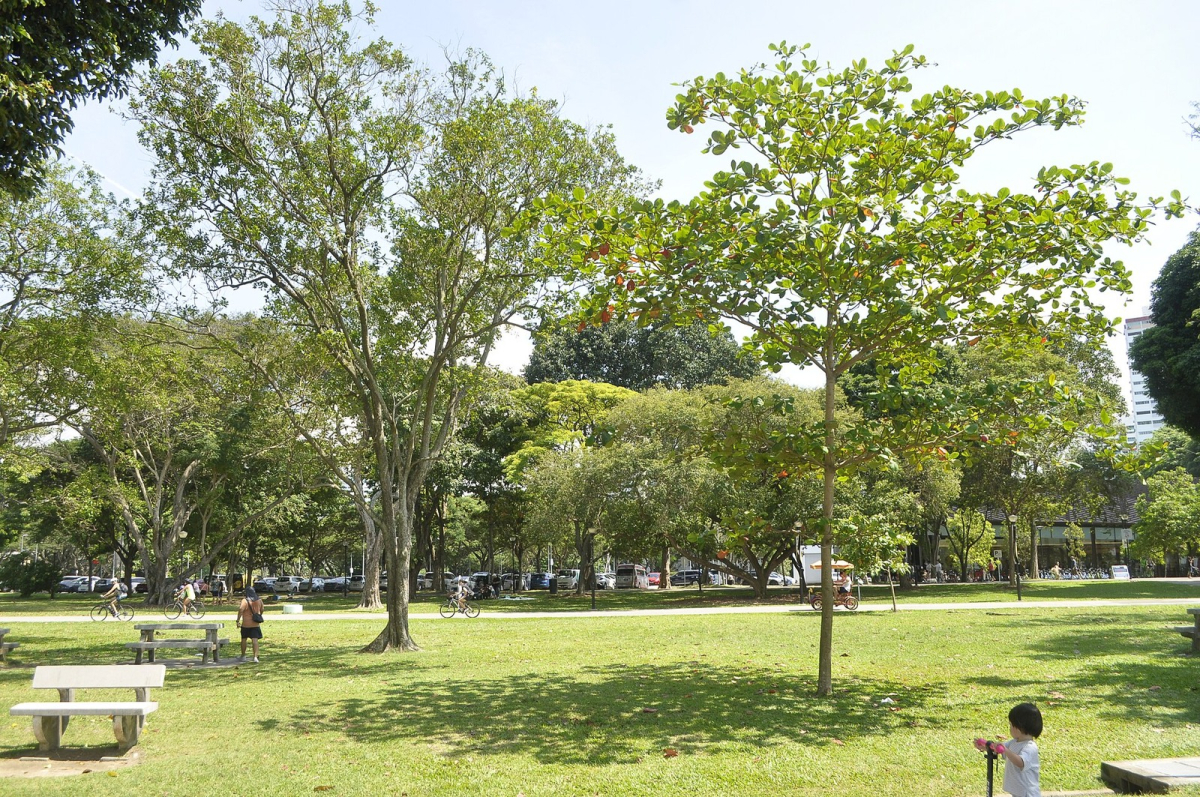
East Coast Park offers a coastal change of pace, with space for a walk, a cycle and a meal. Choose an actual park area as your destination: the long coast is not one point beside a single station. Start and finish around an access point that fits your transport, especially if you are hiring a bicycle and must return it to a particular outlet.
The NParks park page provides the map, current notices and activity information. Keep walking and cycling considerate, watch junctions and pedestrians, and pick a distance you can comfortably reverse if conditions change. A coastal photograph does not establish current swimming conditions. Families can choose a specific play area, but should check its age suitability and maintenance arrangements separately.
For a beach-led outing, compare Sentosa’s beaches, East Coast Park and the Southern Islands before deciding how much travel and preparation you want. The dedicated guide separates coastal activities from current swimming and access conditions.
Give a major outing the time it needs
Sentosa: choose between a beach-led afternoon and a ticketed attraction day before booking. A theme park or the Singapore Oceanarium can be the main event; adding every other island attraction can make the visit tiring and expensive. The approach through HarbourFront and travel within the island belong in the schedule. See the Sentosa attraction choices.
Mandai: select the wildlife park that interests you rather than assuming a multi-park product should be completed in one day. A daytime park and Night Safari require different energy and transport planning. The Mandai section explains the distinction; use the operator’s actual park pages for ticket inclusions and current entry arrangements.
Pulau Ubin: choose it for a less urban day with an additional boat crossing, not as an extra stop after the bay. The approach through Changi Village, route conditions and the return crossing make it a separate outing. Compare it with the other day-trip choices before using your only free day.
Enjoy an evening with a purpose
A skyline walk, a waterside meal and a late bar session are different evenings. For photography, arrive while there is still light so you can choose a viewpoint before the city lights become the main subject. The photo-spots guide helps you decide whether you want the downtown towers, the bay or a heritage streetscape.
For a social evening, choose an area that fits your preferred atmosphere and the journey back. A restaurant booking does not guarantee a seat at a particular bar afterwards, and a historic nightlife photograph does not prove a venue still trades. Use the nightlife section for that decision, and plan the return before staying later than convenient public transport.
Combine experiences without crossing the city repeatedly
| Start with | Then add | Keep flexible |
|---|---|---|
| Asian Civilisations Museum | A river walk and a meal | How far to extend towards the bay |
| Little India streets and food | Indian Heritage Centre | The length of the outdoor walk |
| Botanic Gardens | Lunch and an indoor afternoon | Orchid admission and which garden section to explore |
| Katong–Joo Chiat food and architecture | A selected East Coast Park area | Walking versus a short onward ride |
Scroll horizontally on smaller screens if needed.
With a short stopover, replace an ambitious cross-island plan with one compact district. The airport’s transfer information confirms that Jewel is in the public area; establish immigration eligibility, baggage handling and the required return to your departure terminal before counting it as available leisure time. A flight connection is not the same as a full sightseeing day.
Things to do in Singapore FAQ
What should I do first on a short Singapore visit?
Choose a compact heritage or river district with a meal and one main experience. Add the bay only when the time, weather and return journey allow; do not begin with two distant ticketed attractions.
Are the best experiences necessarily ticketed?
No. Public waterfront walks, many neighbourhood streets and parts of the major gardens can be enjoyed without an attraction ticket. Meals, particular gardens, conservatories, museums and activities have their own costs and entry arrangements.
Should I visit both major gardens?
They offer different experiences. Choose Botanic Gardens for a focused landscape or plant visit and Gardens by the Bay for its designed setting and selected attractions. A short trip may be better served by one unhurried visit than two rushed stops.
What can I do when it rains?
Choose a museum, a covered meal or another indoor experience that interests you in its own right. Check its admission and gallery arrangements before travelling. Save exposed waterfront, cycling and beach activity for suitable conditions.
Is East Coast Park a quick extension of Joo Chiat?
It can pair well with the district, but choose a particular park access point and decide how to reach it. The coast is long, so a generic map pin can leave you far from the activity or meal you wanted.



