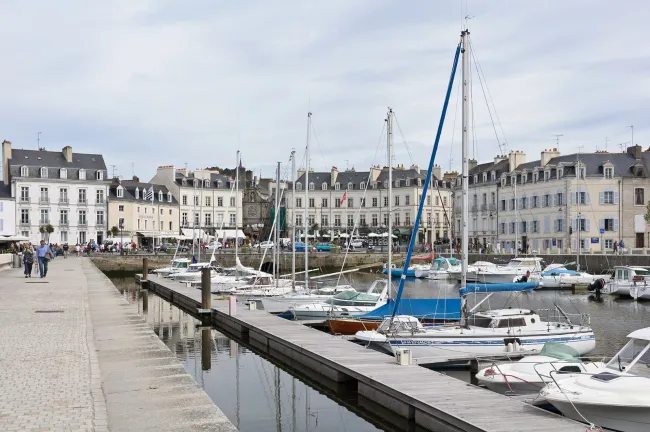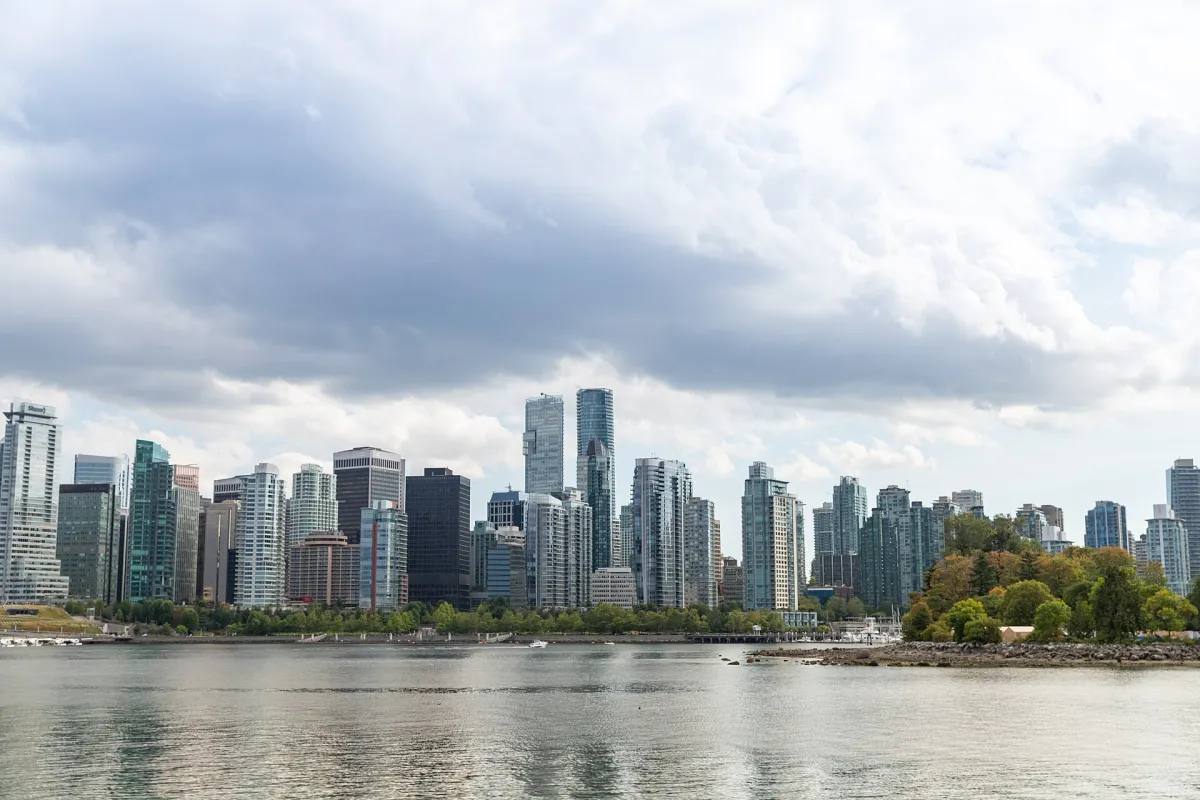
Where you stay in Canada determines how much of the trip you spend travelling rather than exploring. Choose a base for the days you actually intend to have: a central city neighbourhood for museums and restaurants, a mountain town with workable transport, or a coastal community where you can stay through changing weather. A low room price is not enough if it adds parking, long transfers or repeated drives. This guide compares areas and trade-offs. Once the base is settled, use Canada Hotels for individual properties and Longer Stays & Costs for temporary extended stays.
Match the base to the trip you want
On a small screen, swipe or scroll the table sideways to see every column.
| Base choice | Best suited to | Trade-off to consider |
|---|---|---|
| Central Toronto | A short, largely car-free city stay | Higher central room costs versus less transport and parking |
| Montréal downtown or Old Montréal | A first city visit with museums, restaurants and historic streets | Different atmosphere and walking surfaces; check the actual station approach |
| Old Québec | A historic walking stay | Hills, steps and winter surfaces matter to the hotel approach |
| Downtown Vancouver or transit-connected Richmond | City sightseeing or an airport-linked stay | Nightly saving versus repeated city journeys |
| Banff, Canmore or Lake Louise | Different parts of a Rockies trip | Transport to the day’s objective, not only the room rate |
| Victoria or Tofino–Ucluelet | Two different Vancouver Island stays | They are not one interchangeable overnight base |
| Halifax or Cape Breton communities | City culture or a slower coastal road trip | A distant city base creates repeated long drives |
| Newfoundland regional bases and Fogo Island | A focused outport or landscape stay | Flights, ferries, roads and limited local capacity |
| Whitehorse or Yellowknife | A deliberately chosen northern trip | Separate territories and transport networks; not one combined city base |
Toronto: central convenience or a deliberate neighbourhood stay
For a first short visit, central Toronto can make a largely car-free stay easier. The area around Union Station is useful when your plans involve rail arrivals, airport connections or downtown days, but choose the actual hotel entrance and walking route rather than booking only by a station name. Other central neighbourhoods can be better if a particular theatre, museum or food scene is the main reason for the visit. Destination Toronto’s neighbourhood guide helps distinguish their character.
Compare the complete cost of a central stay with a more distant room: include parking, transit, taxis and the value of repeated travel time. A suburban hotel can work for a specific event or a car-based onward route, but it is not automatically an equivalent city-break base. For families, a grocery shop, laundry and a manageable return after dinner may matter more than a high floor. Check noise, the number of actual beds and the final approach with luggage before committing.
Montréal: downtown, Old Montréal or the Plateau
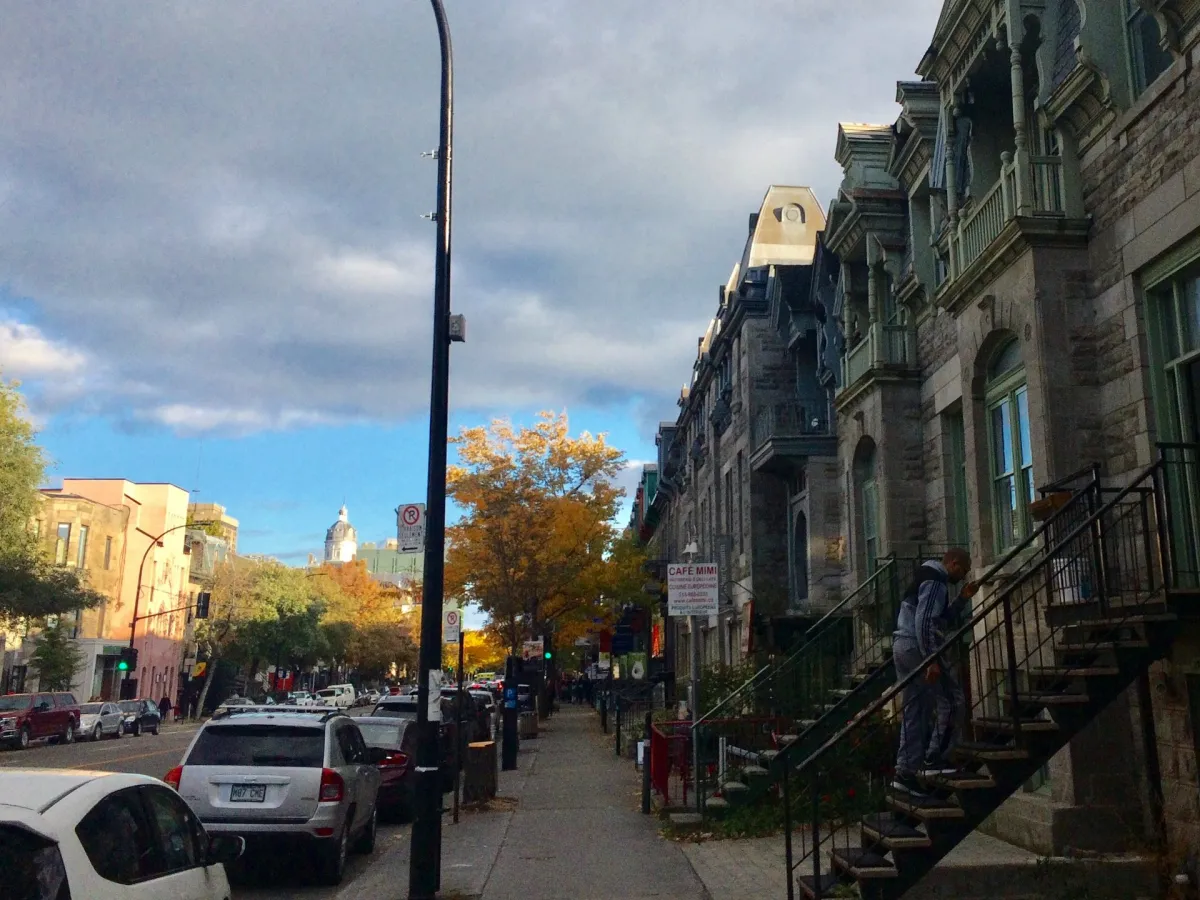
Downtown Montréal is a practical starting point when your days combine museums, shopping, performances and transport. Old Montréal and the Old Port put you closer to historic streets and the waterfront atmosphere; the Plateau and Mile End suit travellers who want neighbourhood cafés, independent shops and a less hotel-centred rhythm. These are related but different experiences, not simply three prices for the same location. Use Tourisme Montréal’s neighbourhood descriptions to choose the setting first.
Then inspect the exact address. A listing associated with a neighbourhood may still be a substantial walk from the metro or from the places you plan to visit. In older buildings, stairs, lifts and room layouts need direct confirmation. For a late music evening, check the final return service or budget for an appropriate taxi. If you want a quieter stay, ask about the room position rather than assuming a residential district is silent. Travellers with a car should confirm parking cost and entry arrangements; a central stay may allow you to postpone collecting the vehicle.
Québec City: historic atmosphere with a careful look at the hills
Old Québec is a compelling base when you want to step straight into historic streets, but the Upper and Lower Town relationship changes the everyday walk. Check where your hotel sits relative to the places you want to reach, particularly if you have luggage, a pushchair or limited mobility. A short horizontal distance on a map can conceal a steep route or steps. Québec City Tourism compares areas to stay, including options beyond the historic core.
Choose Old Québec for atmosphere and short local outings, or consider another practical city neighbourhood if room layout, parking or a different dining scene matters more. In winter, ask about the approach and access rather than relying on a summer photograph. A heritage building can offer character without necessarily providing step-free access to every room. If you are planning a Wendake visit or a rural excursion, confirm the outward and return transport separately; a historic-city hotel does not make those trips walkable.
Vancouver and Richmond: compare the daily journey, not only airport distance

Downtown Vancouver suits visitors who want neighbourhood walks, waterfront time, restaurants and performances with fewer repeated journeys. Richmond can be a deliberate choice for an airport-related stay, local food interests or a suitable accommodation offer, but check how each day will begin and end. Not every Richmond property is next to a station, and an airport-area shuttle may serve only particular terminals or hours. Ask about the actual service before treating it as included transport for every outing.
TransLink identifies the Canada Line as connecting downtown Vancouver, YVR and Richmond. The line has different branches, so read the destination and the hotel’s final approach carefully. For a late flight, a nearby stay can make sense; for several days in the city, compare repeated travel with a central room. If you plan to collect a car for Vancouver Island or a road trip, choose when you need it rather than paying to park throughout the urban part of the holiday.
The Rockies: Banff, Canmore and Lake Louise do different jobs
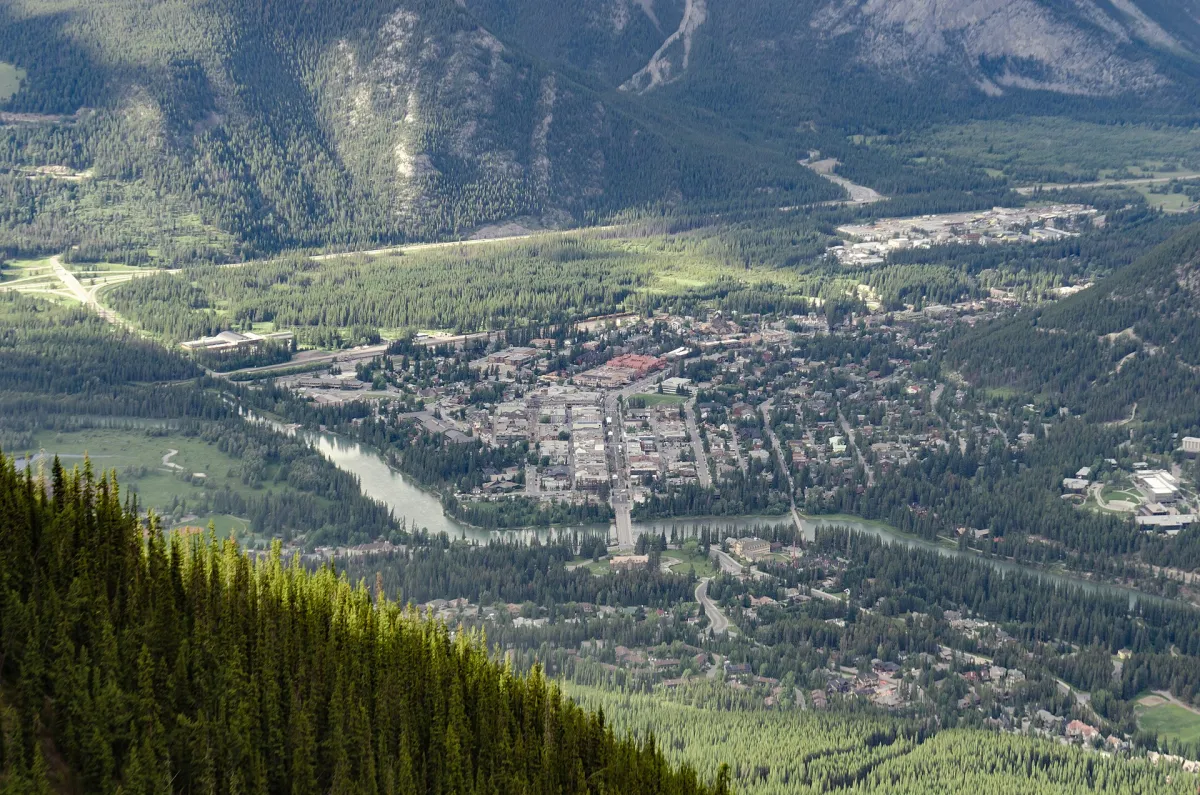
Banff is useful when you want a mountain-town setting with a concentration of dining and visitor services. Canmore, outside Banff National Park, can suit a different accommodation style and an onward road plan, but it adds a separate journey to park objectives. Lake Louise is a more focused base for the lake area and nearby mountain outings, with less choice of evening services than a larger town. The right answer depends on which part of the mountains you intend to use, not on one universally best base.
Check the specific transport plan before booking a car-free stay. Banff & Lake Louise Tourism provides official planning information, while Parks Canada explains the reserved lake-access services. A room close to a lake is not proof of shuttle availability, and a distant cheaper room may add repeated driving. Split a longer stay if it removes unnecessary backtracking, but avoid changing hotels so often that luggage and check-in consume the weather windows you wanted for outdoor time.
Vancouver Island: Victoria and Tofino are separate stays
Vancouver is a mainland city; Vancouver Island is a separate island. Within the island, Victoria and the Tofino–Ucluelet area are also distinct bases. Victoria suits a city-and-harbour stay with restaurants, museums and nearby outings, while the west coast is a more focused choice for beaches, rainforest and Pacific weather. A single hotel should not be treated as equally convenient for both. The official Tourism Victoria and Tourism Tofino sites help you compare the different settings.
If both are important, allocate separate nights and make the transfer a proper travel day. On the west coast, a beachfront property, an in-town room and a place nearer a trail access have different benefits; verify the actual approach and transport. Storm watching is only appropriate from a safe location. For the mainland crossing, confirm the exact ferry route, vehicle booking, check-in and final drive before choosing a non-refundable stay. Keep a buffer before a critical international flight rather than assuming the last island night can connect with any departure.
Nova Scotia: use Halifax for the city and regional bases for Cape Breton
Halifax is a good base for a city stay shaped by food, museums, waterfront time and live music. A location that supports your evening return can be more useful than a room advertised broadly as harbour-side. Cape Breton needs a different accommodation decision: choose communities that fit the part of the coastal route and the events or walks you want, instead of repeatedly returning to a distant city. Tourism Nova Scotia distinguishes Halifax Metro and Cape Breton Island as separate visitor regions.
For a road trip, a split stay can reduce backtracking, particularly when an evening concert or an early walk is important. Confirm seasonal opening and meal options before choosing a small settlement outside the main visitor period. A kitchen can be valuable, but check that shops are available when you arrive. If you are travelling without a car, verify the exact intercity and local connection before booking a scenic rural property. A beautiful view does not solve the journey from a bus stop to the accommodation.
Newfoundland and Fogo Island: choose a regional commitment
Newfoundland works best with a clear regional plan. St. John’s is a different base from the west-coast Gros Morne area, and Fogo Island adds another layer of ferry or air access. Choose the area that matches the trip’s purpose and allow enough nights to settle in. An outport stay can be rewarding precisely because it is less connected, but that also means fewer last-minute alternatives for rooms, meals and transfers.
The official Fogo and Change Islands guide explains the approach through the Farewell ferry, and the provincial ferry page publishes the current service pattern and live-update link. Read those before booking connecting travel; weather and the operating schedule matter. Ask your accommodation about the final transfer and food arrangements without assuming these are included. Keep an arrival buffer and avoid pairing a weather-sensitive island departure with a tight flight connection.
Northern stays: Whitehorse and Yellowknife are different trips
Whitehorse in Yukon and Yellowknife in the Northwest Territories are separate northern gateways, not interchangeable neighbourhoods or two halves of one easy city break. Choose one according to flights, the season and the experiences you want. A city hotel with organised evening outings offers a different rhythm from a remote lodge where meals and activities may be integrated. Compare the whole arrangement: airport transfer, clothing, heating, food, viewing location and the number of nights, not only a room rate.
Use Travel Yukon and Northwest Territories Tourism’s Yellowknife information for the appropriate destination. An aurora package should not be assumed to guarantee a sighting, and a room outside town does not automatically offer safe independent winter access. Confirm pickup boundaries if booking a guided outing from a city base. For families or travellers with mobility needs, ask about the actual route between the room, dining area, warm shelter and viewing space.
Before booking: inspect the final approach and the complete stay
Ask questions that a room photograph cannot answer: how many steps reach the entrance, whether the lift serves your floor, how far the nearest useful transport is, and what happens with a late arrival. Confirm the exact bed arrangement, kitchen or laundry access, parking, resort charges and taxes that apply to the offered rate. For a family, a separate sleeping space and nearby groceries may be worth more than a formal star category. For a longer visit, compare weekly arrangements without assuming a tourist rental is a residential lease.
Choose fewer, well-positioned bases when possible. A two-night stay usually provides only one full day between arrival and departure; constantly moving can make even a long holiday feel rushed. Use Itineraries to check the night count and Airports & Transfers for the first and final journeys. Once the geography works, compare individual hotels on their actual facilities and booking terms rather than choosing a property first and forcing the route around it.
Frequently Asked Questions
Should I book one hotel for an entire Canada trip?
One hotel can work for a focused city or regional stay. It is not a practical base for distant parts of the country, and even neighbouring regions may justify a split stay when it reduces repeated long transfers.
Can I use Victoria as my only base for Vancouver Island’s west coast?
If you want more than a brief visit to the west coast, split your stay between Victoria and the Tofino–Ucluelet area. That leaves more time for the coast and avoids a long return drive after an outdoor day.
Is the cheapest room usually the best value?
Compare the complete stay, including parking, transfers, meals and time spent travelling. A more central or better-positioned base can reduce other costs, while a remote stay may be worthwhile for its own distinct purpose.