CANADA TRAVEL GUIDE
Best Time to Visit Canada: Seasons, Regions & Trip Choices
The best time to visit Canada depends first on what you want to do and where. Summer gives many regions their broadest range of outdoor services, but it can also bring high demand, heat and wildfire smoke. Winter can be the point of a trip rather than a compromise, provided the route and equipment suit it. Choose the region and experience before choosing a month.
Choose the experience before the calendar
For a first visit combining cities and general sightseeing, the warmer months usually make walking and outdoor stops easier. For high mountain hiking, the practical window is narrower and depends on the trail and year. For skiing or a dedicated northern-lights trip, look at the operator’s actual season rather than using a general summer recommendation.
Treat shoulder season as a trade-off. A quieter destination may have fewer departures, shorter attraction hours or closed facilities. A lower accommodation price is useful only if the trip you want is possible. Check ferry, shuttle and excursion dates before reserving non-refundable nights around them.
Climate patterns help shortlist dates; they do not forecast your week. Read a current local forecast and conditions reports close to departure. Pack for variability and keep at least one workable alternative to a weather-dependent day. For a multi-region trip, you may need clothing for very different conditions within the same itinerary.
Canada’s seasons at a glance
Swipe or scroll horizontally to see the full table.
| Period | Often suits | Important limitation |
|---|---|---|
| Spring | City breaks, gardens and a less summer-focused route | Mountain snow and seasonal closures can remain |
| Summer | Longer outdoor days, coastal touring and many park services | High demand, heat, insects and possible wildfire smoke |
| Autumn | City walking, regional foliage routes and a slower pace | Foliage timing varies; services may close before winter |
| Winter | Skiing, winter culture and properly planned northern travel | Cold, darkness, road conditions and specialist equipment |
Pacific coast and Vancouver Island
Southwestern British Columbia has a different winter pattern from much of inland Canada. The federal land and climate overview notes that rain is more common than snow around Vancouver and Victoria in winter. That does not mean snow and ice are impossible, or that an inland mountain road has the same conditions as a coastal street.
For a city-and-coast trip, consider how much time you want outdoors and how comfortable you are with rain. Waterproof clothing and flexible days matter more than an expectation of constant sunshine. On Vancouver Island, the west coast and sheltered eastern communities offer different experiences; choose the base for the activities you will actually do.
Summer can work well for combining Vancouver with island or coastal travel, but book key accommodation and ferry arrangements for the dates you need. In winter, a storm-watching visit requires a safe, appropriate viewpoint and respect for closures; it is not a reason to stand near breaking surf or move driftwood. Check the local forecast rather than travelling for a guaranteed storm spectacle.
Canadian Rockies and mountain travel
Mountain seasons do not follow the city calendar neatly. Snow can remain on higher trails after lower valleys feel like spring, and an apparently easy summer route can require different skills when snow-covered. Check the specific trail report and access road, not a photograph or a broad national-park opening date.
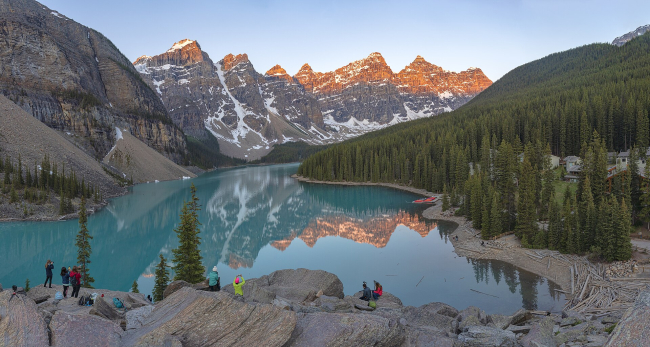
For a classic lake-and-hiking trip, confirm shuttle and attraction operating seasons before locking the route. Parks Canada’s Lake Louise and Moraine Lake transport page publishes dated service details and explains that Moraine Lake Road is closed to personal vehicles. A park visit and a reservation for a particular service are separate arrangements.
Winter changes both the appeal and the demands. Skiing can be the main purpose, while sightseeing requires attention to road conditions, cold and daylight. Do not transfer a summer driving itinerary unchanged into winter. Build fewer moves, use suitable transport and ask a qualified operator about activities beyond your own experience.
Ontario and Québec cities, lakes and foliage
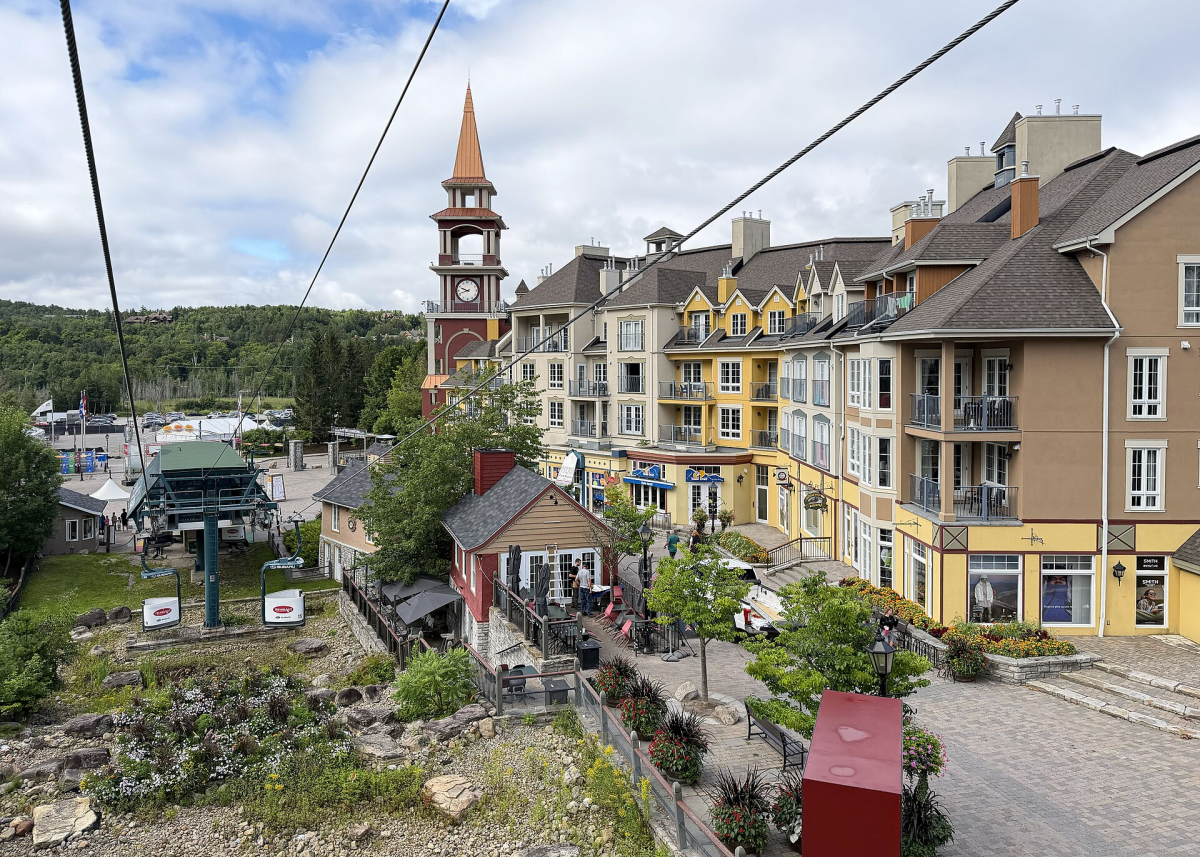
Cities such as Toronto, Ottawa, Montréal and Québec City can support trips in several seasons, but the style changes. Warm weather suits neighbourhood walking and outdoor dining, while winter asks for proper clothing, shorter outdoor segments and useful indoor stops. Summer can also be hot and humid, so plan shade and breaks rather than assuming Canada always feels cool.
Autumn foliage is a reason to travel, but peak colour moves with latitude, elevation and the year’s weather. Choose a region and monitor local reports rather than booking a single day as a guarantee. Include town, museum or food stops so that the route remains worthwhile if colour develops earlier or later than hoped.
For a winter city visit, check event dates and whether the specific outdoor feature you want is open. A canal, skating trail or snow activity depends on conditions; an annual festival name does not guarantee every component operates throughout its advertised period. The festival guide separates planning ideas from the current official calendar.
Atlantic Canada and the Prairies
For an Atlantic road trip, seasonality affects the number of available tours, rural dining options and accommodation choices. A route through Nova Scotia, New Brunswick, Prince Edward Island or Newfoundland needs the actual operating dates of the services you want. Ferry arrangements can be a major part of the plan rather than a casual add-on.
Coastal weather can shift quickly, and fog or rough conditions can alter a boat trip. Keep flexibility and avoid making an irreplaceable excursion the only purpose of a final day before departure. Autumn can be appealing, but the service calendar may narrow even while scenery remains attractive.
On the Prairies, distinguish city travel from a long rural driving route. Summer conditions, winter exposure and the distance between services have different implications for each. Do not infer driving conditions from a forecast for a city several hours away. Check road reports, fuel planning and daylight for the actual route.
Northern travel and northern lights
A northern-lights trip requires darkness as well as suitable atmospheric and sky conditions. There is no guaranteed viewing on a particular night. Choose a destination and operator whose season, transport and equipment fit the experience, and allow several opportunities rather than treating an airport arrival as a reliable viewing plan.
Summer in the North offers a different trip, with long daylight and its own access and insect considerations. It should not be sold as an aurora substitute. Distances, limited services and weather-dependent operations can make a northern itinerary less flexible than a southern city break, so confirm the practical details before paying for separate flights.
Ask what happens if weather cancels an excursion or delays a flight, how meals and transfers work and whether the supplied clothing meets your needs. Remote travel costs and rescue arrangements deserve attention. The safety guide explains the planning questions without implying that a scenic setting is low risk.
Air quality and a flexible weather plan
Wildfire smoke can affect places far from an active fire, and air quality varies over time. Check the Air Quality Health Index and local instructions when planning strenuous outdoor activity. A clear forecast for rain does not establish clean air.
Build a sensible alternative around your base: an indoor museum day, a shorter lower-level walk if advised, or a change of region when feasible and safe. Book flexible accommodation where uncertainty matters. Do not attempt to enter a closed area because a reservation or photograph encouraged you to visit.
For final packing, read the forecast shortly before departure and again during a long trip. Include a rain layer, appropriate footwear and protection from sun or cold as relevant. Use Canada itineraries as adaptable route frameworks rather than fixed weather promises.
Frequently Asked Questions
What is the best month for a first Canada trip?
There is no single best month for all regions. Choose the region and main activity first, then compare local operating seasons, demand and weather trade-offs.
Is May a reliable hiking month in the Rockies?
Not for every trail. Snow and seasonal access restrictions can remain at elevation. Check the specific current trail and road reports and choose a suitable alternative.
Can I guarantee northern lights on a winter visit?
No. Darkness, sky conditions and auroral activity all matter. Allow several opportunities and choose an operator with clear cancellation and equipment arrangements.
When should I book an autumn foliage trip?
Choose the region first and use local reports as the trip approaches. Peak colour varies by latitude, elevation and weather, so build a route with worthwhile alternatives.