CANADA TRAVEL GUIDE
Canada Airports & Transfers: Choose the Right Arrival
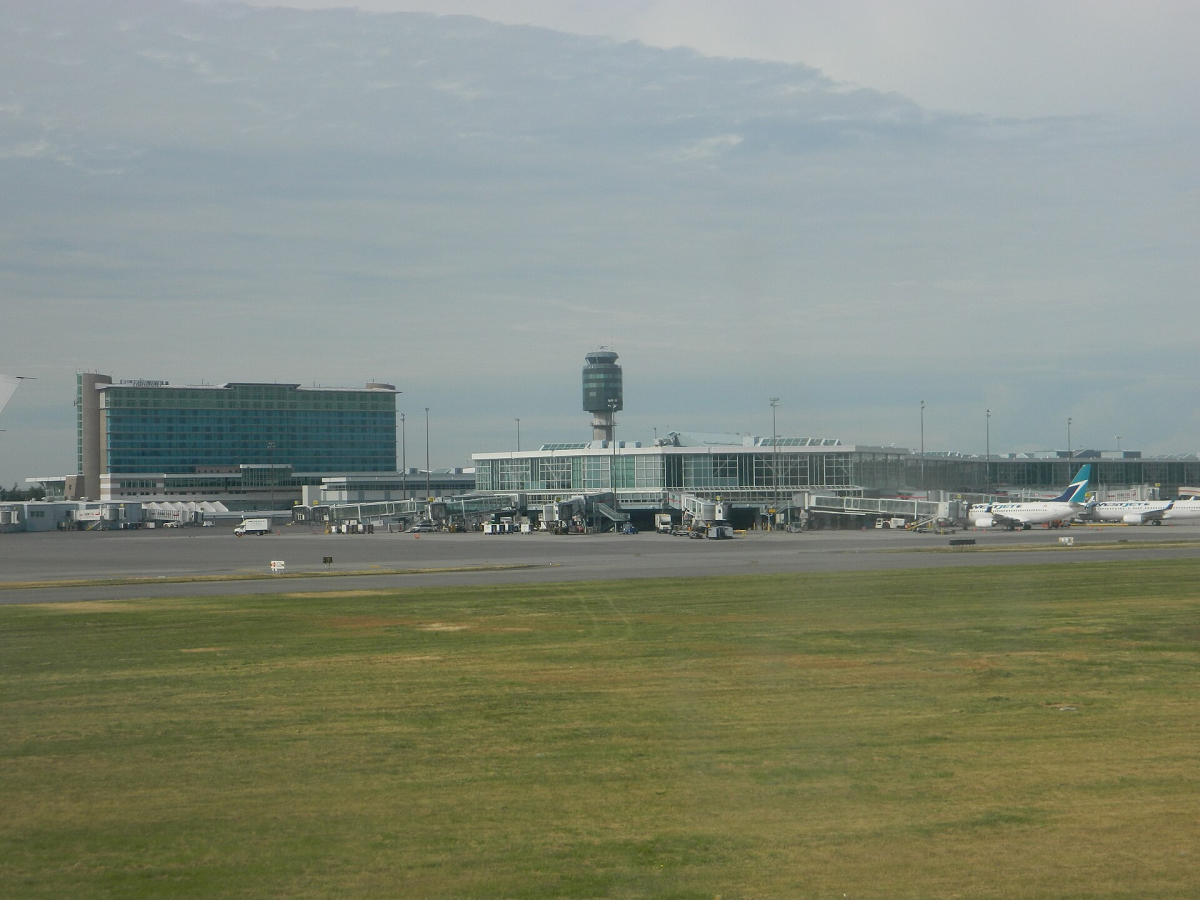
The most useful Canadian airport is the one that fits your route and onward transport, not necessarily the one with the cheapest flight. Compare the arrival time, transfer to your first bed and the next day’s plans before booking. A downtown stay, a mountain shuttle and a rental-car road trip require different arrangements. Build the whole arrival journey and keep a workable option for a delayed flight.
Choose the airport with the route in mind
Check the airport code on the fare and the actual town you intend to reach. Toronto Pearson, Vancouver, Montréal–Trudeau, Calgary, Ottawa and Halifax serve different regional plans. Flying to one does not make another region a convenient short drive away. If you want both eastern cities and the Rockies, compare a multi-city flight arrangement with the extra internal journey and backtracking.
Arrival time matters. A low fare landing after the final useful train, shuttle or rental counter opening can create another hotel night or a costly transfer. Read the operator’s service day and last departure carefully, including weekends or holidays. A terminal that remains open overnight does not mean every ground-transport service operates continuously.
For separate tickets, allow for immigration, baggage collection, a terminal or airport change and check-in for the next service. Do not assume the next airline or shuttle protects you if an independently booked flight is late. Compare the terms and build a buffer appropriate to the consequences of missing the connection.
Toronto Pearson: rail to the city and terminal planning
Toronto Pearson’s UP Express station is at Terminal 1, beside the Terminal Link connection serving Terminals 1 and 3. Follow the airport signs after collecting baggage and completing arrival formalities. If your accommodation is not near Union Station, check the onward walk or local transit connection before deciding rail is the simplest door-to-door option.
The current Pearson station page, checked on 3 November 2026, lists 28 minutes to Union Station. That is the train segment, not the time from aircraft arrival to hotel check-in. Add terminal walking, waiting and the final transfer; service disruptions or a late arrival can change the practical choice.
Use the operator’s current fare and payment guidance, and check the first or last train for your date. A licensed taxi or appropriate pre-booked vehicle can make sense for a group, substantial luggage or a property away from the rail route. Compare the total and pickup procedure rather than accepting an unsolicited offer in the terminal.
Vancouver YVR: Canada Line and final destination
The Canada Line connects YVR’s main terminal area with Vancouver and Richmond. The airport’s public transport page explains station access between the domestic and international terminals. Check that your chosen train serves YVR on the return journey, since the Richmond branch requires attention to the destination display.
For many downtown stays, rail is useful, but it does not take you directly to Vancouver Island, Whistler or every North Shore address. Those journeys need another service and their own timetable. A late arrival may be a reason to sleep near the airport or in the city rather than forcing a long same-evening transfer.
For the current airport surcharge and fare rules, use TransLink’s AddFare guidance. Airport and operator pages can update at different times; the fare authority’s current terms are the important check. Confirm night service separately if the Canada Line will not be running when you reach the station.
Montréal YUL: bus, taxi and traffic
The STM 747 airport bus serves Montréal–Trudeau and central Montréal connections. Its official airport fare page explains which passes are accepted and how to buy them. Check the current route and stop changes against your accommodation rather than choosing a hotel solely because an old map shows a nearby stop.
The 747 operates around the clock according to STM’s current guidance, but the best onward connection can differ by time of day. Road traffic affects a bus or taxi journey, and a subway connection may involve additional walking with luggage. If mobility, children or a late arrival make that difficult, compare an authorised taxi or pre-arranged accessible vehicle.
Read the current ticket conditions: an airport fare or pass can have different validity from a regular single bus ticket, and a receipt bought at a particular machine may need to be exchanged on board. Keep proof of payment. Do not assume a future rail project is already an operating airport connection; use the services actually listed for your travel date.
Calgary YYC: city stay or onward to Banff
YYC lists public buses, taxis, rideshare, hotel shuttles and regional operators on its transportation page. The airport states that there is currently no LRT connection. If a city hotel advertises airport access, check whether it means its own shuttle, a public bus or a change to the urban rail network.
For Banff, book an appropriate regional transfer rather than treating a city bus as a direct mountain service. YYC’s regional bus-operator directory identifies providers to investigate. Confirm the exact pickup, destination, luggage allowance, child arrangements and what happens if your flight is delayed.
If collecting a car, compare the rental counter’s hours and the driving conditions with your arrival time and experience. A long flight followed by darkness, snow or unfamiliar mountain driving may justify an airport or Calgary night first. For a car-free Banff stay, check local transport from the drop-off to the accommodation as well as the airport shuttle itself.
Ottawa and Halifax: check the whole connection
Ottawa Airport’s ground transportation page lists O-Train Line 4 between Airport and South Keys, along with bus and private transport options. The airport train is not a one-seat service to every central address. Plan the required onward connection and confirm service hours and any accessibility needs.
For Halifax Stanfield, the airport lists the Regional Express 320 and other bus or shuttle options. Check the destination stop and the final walk to your property. The airport is outside central Halifax, so a rental pickup or taxi quote should be compared with the full bus journey and luggage arrangements.
For either city, use the airport’s authorised pickup information, especially for taxis, rideshare or an accessible transfer. A hotel’s courtesy shuttle can have limited hours or require a call; confirm that with the property. If continuing to a small town, do not assume a regional bus waits for a late flight unless its terms explicitly say so.
Match the transfer to your arrival
Swipe or scroll horizontally to see the full table.
| Arrival plan | Usually worth comparing | Check before booking |
|---|---|---|
| Central city hotel | Rail or airport bus versus licensed taxi | Final stop, last service and luggage |
| Mountain or regional base | Reserved shuttle versus suitable rental | Flight delay policy and exact drop-off |
| Late-night flight | Overnight transport versus airport hotel | Actual operating hours and pickup procedure |
| Wheelchair or mobility needs | Confirmed accessible service | Notice, dimensions and assistance |
| Large family or group | Per-person public transport versus vehicle total | Child seats, luggage space and surcharges |
Late arrivals, accessibility and the return flight
Keep the transfer confirmation, pickup instructions and contact details available offline. If a driver needs your flight number, provide the correct operating flight and date. Know whether waiting time is included, when a booking is treated as a no-show and how you should report a delay. A promise of flight tracking should be explained in the provider’s terms.
For accessibility, ask about the specific vehicle, ramp or lift, luggage handling and mobility-aid dimensions. Airport assistance and transport assistance are different arrangements; booking one does not necessarily book the other. Families should confirm child seats and the vehicle’s actual passenger and luggage capacity before paying.
Plan the return transfer when you choose the outward one. Work backwards from the airline’s required airport arrival time and add the real journey, terminal access and a disruption margin. A train journey time or map estimate is not an airport check-in allowance. Use the Canada transport guide for longer regional movements after your arrival.
Frequently Asked Questions
Is the UP Express journey time the full Pearson-to-hotel time?
No. The current operator page lists the train segment to Union as 28 minutes, but you must add arrival formalities, terminal access, waiting and the onward journey to your property.
Can I take a direct train from Calgary Airport to Banff?
YYC states it has no LRT connection. Investigate the airport’s listed regional shuttle providers or a suitable rental arrangement and confirm the current service for your date.
Does Vancouver airport rail take me to Vancouver Island?
No. The Canada Line serves Vancouver and Richmond connections. Vancouver Island requires a separate ferry, flight or other booked transport arrangement.
Should I book an airport transfer in advance?
For regional, accessible, group or time-sensitive travel, a confirmed booking can be useful. Read pickup, waiting, baggage and flight-delay terms and compare them with the public services operating at your arrival time.