CANADA TRAVEL GUIDE
Canada Itineraries: 7, 10 and 14 Days by Region
The most useful Canada itinerary starts with a boundary. In one week, choose a compact region; in two weeks, expand within a connected area before adding a transcontinental flight. These editorial routes count the arrival and departure days and show where the nights go. They assume independently booked transport and accommodation, not a protected tour package. Daily activities can move with weather, opening days and availability. Compare the regional setting in Map & Regions, then check transport for your actual travel dates before committing to a non-refundable stay.
Choose a route before booking international flights
Think about the trip you want to remember: historic streets and food, mountain scenery, or a coastal road journey. An open-jaw international ticket can remove a return journey, but only if the airport and onward transport actually fit. A cheaper flight that adds a hotel night, a car return charge and a long transfer may not save money overall. Make a simple list of fixed costs and nights before deciding.
The day numbers below are planning allocations rather than exact travel durations. An early international arrival still needs border formalities, baggage collection and a transfer; a late arrival may leave no useful sightseeing time. For domestic connections, allow for separate-ticket risks and airline check-in requirements. Consult Airports & Transfers for arrival decisions and Getting Around for the transport comparison.
On a small screen, swipe or scroll the table sideways to see every column.
| Route | Nights | Transport assumption | Best fit |
|---|---|---|---|
| 7 days: Toronto and Niagara | 6 | Rail/bus or organised day trip; city transit | Short first visit without a car |
| 10 days: Montréal, Québec City and Ottawa | 9 | Intercity rail plus local transport | Historic cities, museums and food |
| 14 days: Vancouver Island and Vancouver | 13 | Car plus reserved ferry where appropriate | Coast, small towns and flexible outdoor time |
| 14 days: Calgary and the Rockies | 13 | Car or a carefully booked shuttle/tour plan | Mountain scenery and weather flexibility |
7 days: Toronto with a Niagara Falls overnight
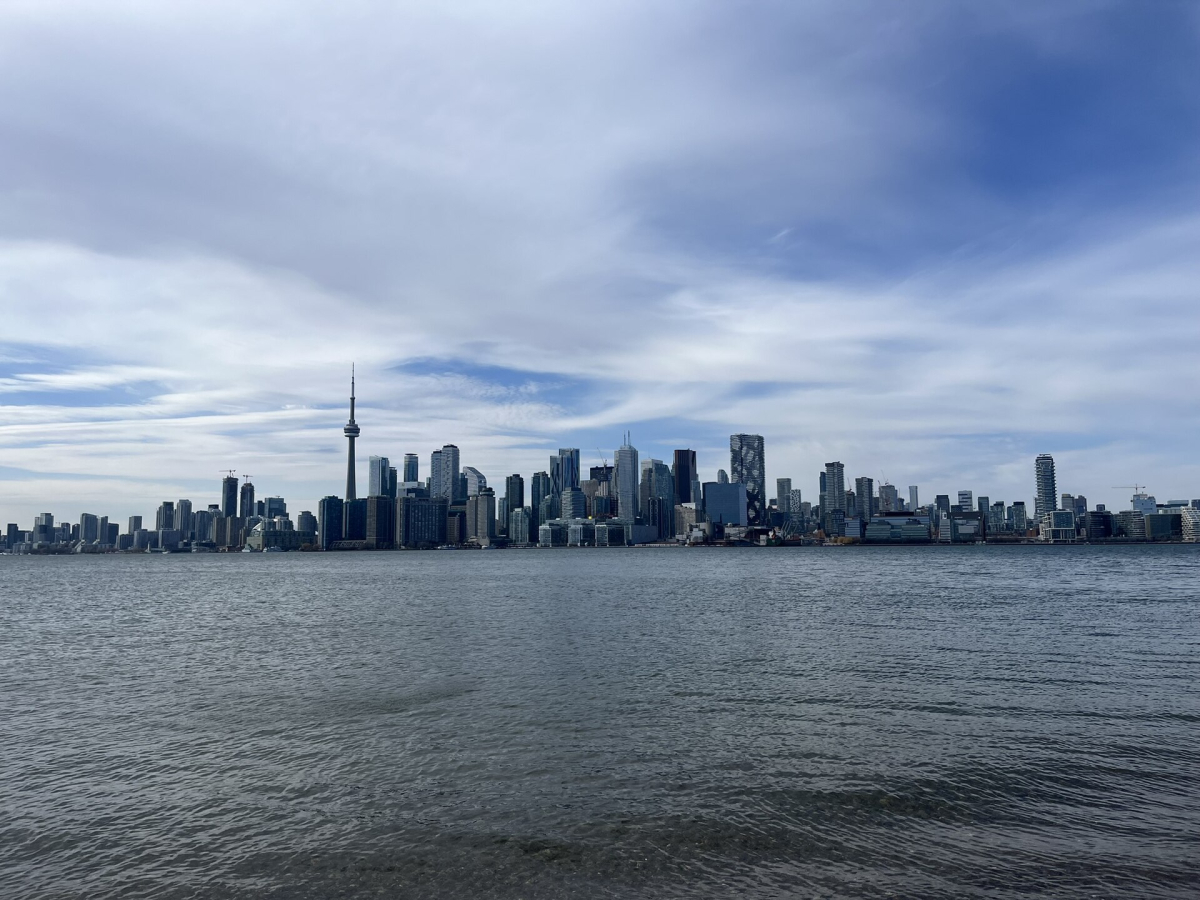
Days 1–3: arrive in Toronto and stay three nights. Keep day 1 for the airport transfer, a local meal and an easy walk. Use day 2 for downtown and the waterfront, choosing one paid attraction according to your interests. Make day 3 a neighbourhood day: a public market, a museum or an island outing if ferries and weather suit. Do not combine every ticketed sight into the same day merely because they look close on a map.
Day 4: travel to Niagara Falls and stay one night. Check the actual journey between your accommodation and the transport stop, then leave the afternoon and evening for the falls. Day 5: make any second visit you want before returning to Toronto. Stay in Toronto on nights 5 and 6. Use day 6 for the activity you deliberately left flexible, and depart on day 7. The allocation is three Toronto nights, one Niagara night, then two Toronto nights: five Toronto nights and six nights overall. Staying in Niagara separates the evening experience from the final transport deadline.
Adjust the Toronto route for time, children and weather
If you have only a late arrival on day 1 and an early departure on day 7, treat this as five usable sightseeing days. Keep the same six-night structure and reduce the attraction list. If changing hotels for one night is inconvenient, keep all six nights in Toronto and make Niagara a day trip; that trades the quieter overnight rhythm for simpler luggage handling. Confirm the final return service and its pickup point before choosing dinner plans.
For families, pair a demanding indoor visit with outdoor play rather than two long museums. For a wet day, move the indoor activity forward and keep a clear day for the waterfront. A city hotel near useful transport may save more time than a distant room with a lower nightly price. Do not rent a car solely for central Toronto; if a rural addition is essential, compare a short rental with a guided excursion and include parking in the calculation.
10 days: Montréal, Québec City and Ottawa
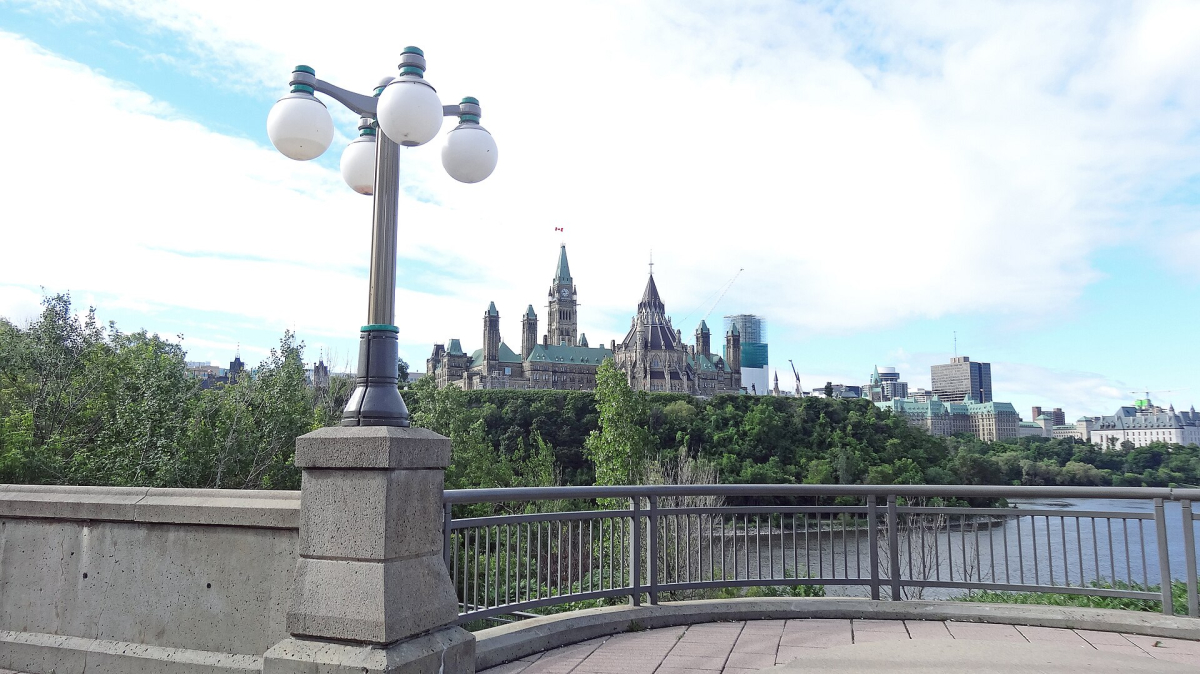
Days 1–3: arrive in Montréal and spend three nights. Use the first evening locally, then divide two full days between the historic centre and different neighbourhoods. Day 4: travel to Québec City and stay three nights, nights 4–6. Walk Upper and Lower Town on day 5; keep day 6 for a museum, a booked Wendake cultural visit with confirmed transport, or an easier day after the hills. Avoid filling a rail travel day with a timed dinner reservation that leaves no room for delay.
Day 7: travel to Ottawa and stay three nights, nights 7–9. This is a substantial transfer day, so inspect the booked rail itinerary, including whether you change trains in Montréal, rather than assuming a direct service. Use days 8 and 9 for museums, neighbourhoods and a river or canal walk. Depart on day 10. The route totals nine nights: three Montréal, three Québec City and three Ottawa. Reverse the order if the international flight and available train times work better.
Make the eastern city route work without a car
The Ontario–Québec corridor is a logical place to consider rail, but each booking still needs a timetable check. VIA Rail’s Ontario–Québec network information is the starting point, not a promise that your preferred departure operates every day. Compare station locations, baggage conditions and the full door-to-door journey with flying. Take a taxi or suitable transit for the final approach when luggage or mobility makes a long walk impractical.
Stay centrally enough to enjoy each city on foot and by local transit. A car can become a liability when you are paying to park while visiting museums and restaurants. If a rural excursion is important, arrange it for one day or take a suitable guided trip. In winter, allow extra time for outdoor walking and do not make canal skating the essential reason for an Ottawa stop: natural ice opening depends on conditions. An indoor cultural programme makes the route less dependent on one weather-sensitive activity.
14 days: Vancouver, Victoria and the west coast of Vancouver Island
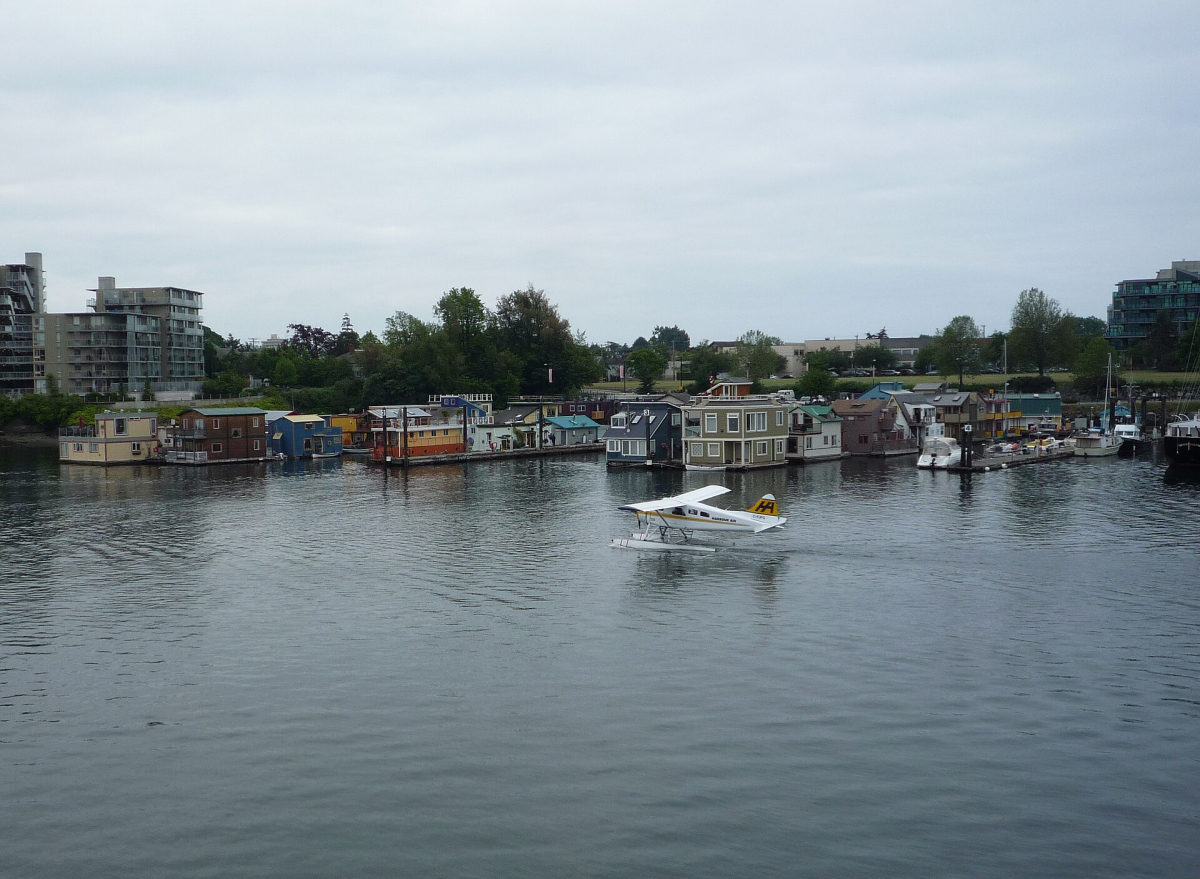
Days 1–3: arrive in Vancouver and stay three nights. Begin with neighbourhoods and the waterfront, using day 3 as a flexible city day rather than a rushed distant excursion. Day 4: transfer to Victoria on Vancouver Island and stay three nights, nights 4–6. A ferry crossing is only part of the journey: include travel to the terminal, check-in, loading, the crossing and the final approach to your hotel. On days 5 and 6, explore Victoria and choose a garden or coastal outing that fits your interests.
Day 7: drive to the Tofino–Ucluelet area and stay four nights, nights 7–10. Treat the drive as the day’s main task, with breaks and no fixed late-afternoon activity. Use days 8–10 for a short rainforest walk, beach time from a safe position, and a guided activity if conditions suit. Day 11: move to an east-coast Vancouver Island base such as Nanaimo or Parksville for one night. Day 12: cross back to Vancouver and spend nights 12 and 13 there. Day 13 is a buffer and final city day; depart on day 14. Total: thirteen nights, with a full mainland night between the return ferry and the international departure.
Book the island route around the crossing, not around a map line
A rental car makes the west-coast island portion more flexible, but compare the actual vehicle-and-passenger ferry booking and the rental company’s terms. BC Ferries publishes route schedules and booking information; route, check-in and availability need confirmation for your exact sailing. Keep ferry confirmations available offline and follow the operator’s instructions rather than relying on a third-party timetable screenshot.
For a car-free version, simplify the geography. Spend more time in Vancouver and Victoria, using confirmed intercity coach or ferry products and local transport, and drop the west-coast drive unless you have a workable booked service. In stormy weather, watch the sea from a safe setback; a dramatic forecast does not justify approaching surf or stranded logs. Families can reduce hotel changes by choosing either Victoria or the west coast as the main island stay. The route is intentionally generous with nights so weather does not control every decision.
14 days: Calgary and a slower Canadian Rockies trip
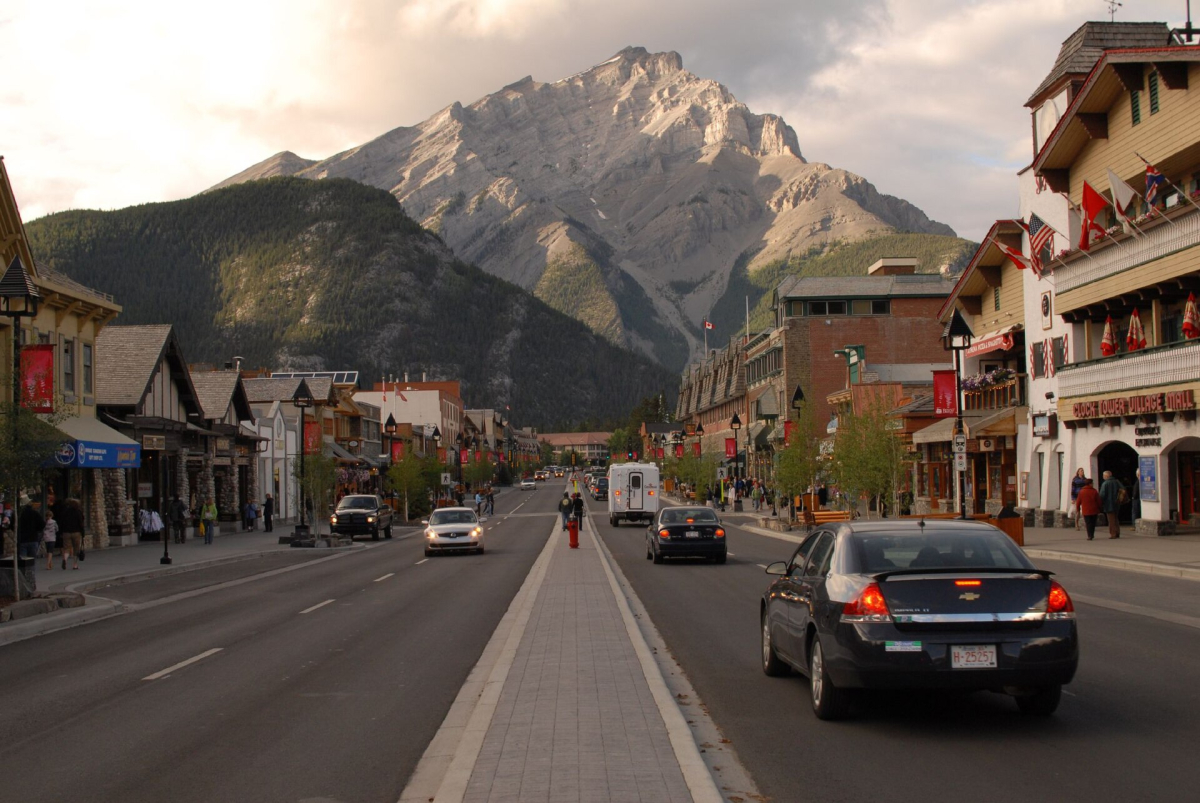
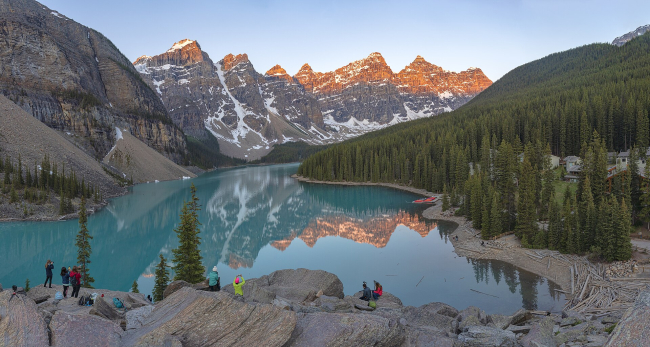
Arrive in Calgary on day 1 and stay one night. On day 2, travel to Banff or Canmore and stay four nights, nights 2–5. Give days 3–5 different levels of effort: a town-and-river day, a suitable hike and a weather buffer. Day 6: move to Lake Louise and stay three nights, nights 6–8. Use a reserved lake visit on one day and a suitable nearby outing on the other, changing the order with weather and shuttle availability.
Day 9: if roads, accommodation and current visitor access support your plan, travel the Icefields Parkway to Jasper and stay three nights, nights 9–11. Treat this as a transfer day with selected safe stops, not a day for a major hike as well. Use days 10 and 11 for confirmed open Jasper outings. Day 12: make the long return toward Calgary, with breaks and no timed evening commitment. Stay in Calgary on nights 12 and 13, keeping day 13 as a buffer and city day, then depart on day 14. Total: thirteen nights—one arrival, four Banff/Canmore, three Lake Louise, three Jasper and two Calgary. This route assumes suitable seasonal driving conditions; a winter visit needs a different plan.
Decide whether Jasper belongs in your mountain itinerary
The Jasper portion is a deliberate choice, not an automatic promise that every area is open. Parks Canada’s Jasper planning page links to current open/closed information, trail conditions and Icefields Parkway guidance; it still identifies closures connected with the 2024 wildfire. Check the actual places you hope to visit. If Jasper does not suit your dates or confidence, retain the first eight nights, redistribute the three Jasper nights among your existing mountain bases, and keep the two-night Calgary finish. Do not replace a closed area with an unsigned backcountry detour.
For travellers who do not drive, identify the exact combination of airport transfer, town transport, lake shuttle and guided excursion before booking remote accommodation. A hotel name that includes a park does not guarantee a useful public-transport connection. The Parks Canada lake-access guide explains shuttle reservations and Moraine Lake’s vehicle restriction. Our Walking & National Parks guide helps distinguish an easy scenic outing from a route requiring greater skill and equipment.
A booking order that keeps the itinerary realistic
First settle the international arrival and departure region, then identify the nights that depend on scarce transport or accommodation. Reserve those constraints together rather than locking a remote hotel before knowing how to reach it. Add flexible activities afterward. Write down every overnight on a calendar; a fourteen-day trip normally has thirteen nights when the first and final days are arrival and departure, while overnight flights may change the hotel count.
Keep meal plans and walking days realistic around transfers. Check refund conditions for each independent supplier, and leave a buffer before a flight that matters. A separate ferry, rail or domestic flight reservation is not automatically protected by the international airline. Build the budget from complete transport and accommodation quotes, then use Travel Costs & Money for the remaining categories. The best route is the one that still works when one afternoon is rainy, one traveller is tired or one service runs late.
Frequently Asked Questions
Is seven days enough for Canada?
Seven days can make a rewarding regional trip, especially around one city and a nearby contrasting landscape. It is too short to experience the country as a whole without spending a large share of the holiday in transit.
Should I book an east-to-west itinerary for two weeks?
Only if two distinct regions are essential and you accept the flight and airport time. Two weeks in a connected area usually offers more flexibility for weather, longer stays and slower travel.
Are these routes guided packages?
No. They are editorial planning examples. Prices, service schedules, accommodation availability and admission are separate checks, and any independently booked connections must be assessed on their own terms.