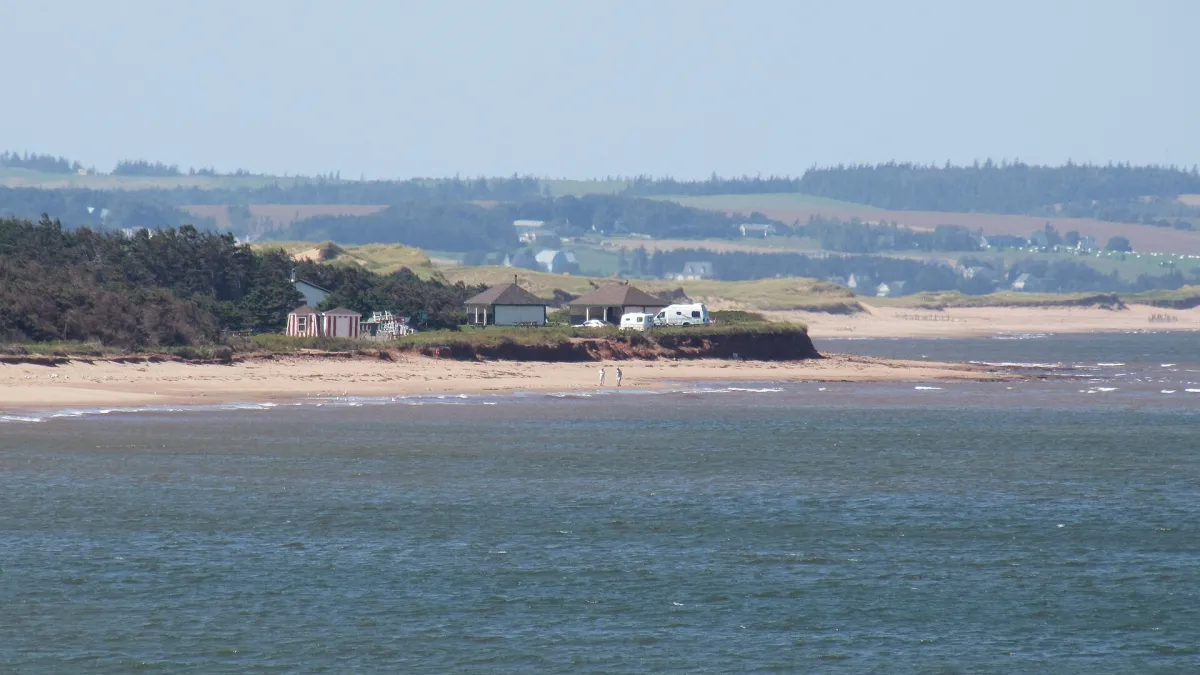
Choose the right kind of beach day
For a swim-focused trip, prefer an officially designated bathing area during its supervised season, then check the current water-quality notice and flags on arrival. For a scenic walk, tides, waves, access and the return journey can matter more than warm water. Families should confirm toilets, shade, food and the distance from transport to the sand. A quiet-looking remote shore may offer fewer facilities and more demanding conditions than a busy urban beach.
On a small screen, swipe or scroll the table sideways to see every column.
| Beach or area | Setting | Useful choice for | Main consideration |
|---|---|---|---|
| Cavendish, PEI | Atlantic coast and dunes | A summer beach day with a park setting | Use the designated supervised area and protect dunes |
| Wasaga Beach, Ontario | Freshwater Georgian Bay | A dedicated Ontario summer beach stay | Check which beach area, managing authority and parking you need |
| Centre Island, Toronto | Lake Ontario island shore | A city break with ferry and beach time | Seasonal lifeguards and the return ferry |
| Long Beach, Pacific Rim | Exposed Pacific coast | Surf lessons or shore watching | Unsupervised beach, cold water, tides and powerful surf |
| Spanish Banks, Vancouver | Urban ocean shore and tidal flats | A picnic, views and a city-side beach outing | The tide changes how far the water is from the beach |
Cavendish Beach, Prince Edward Island
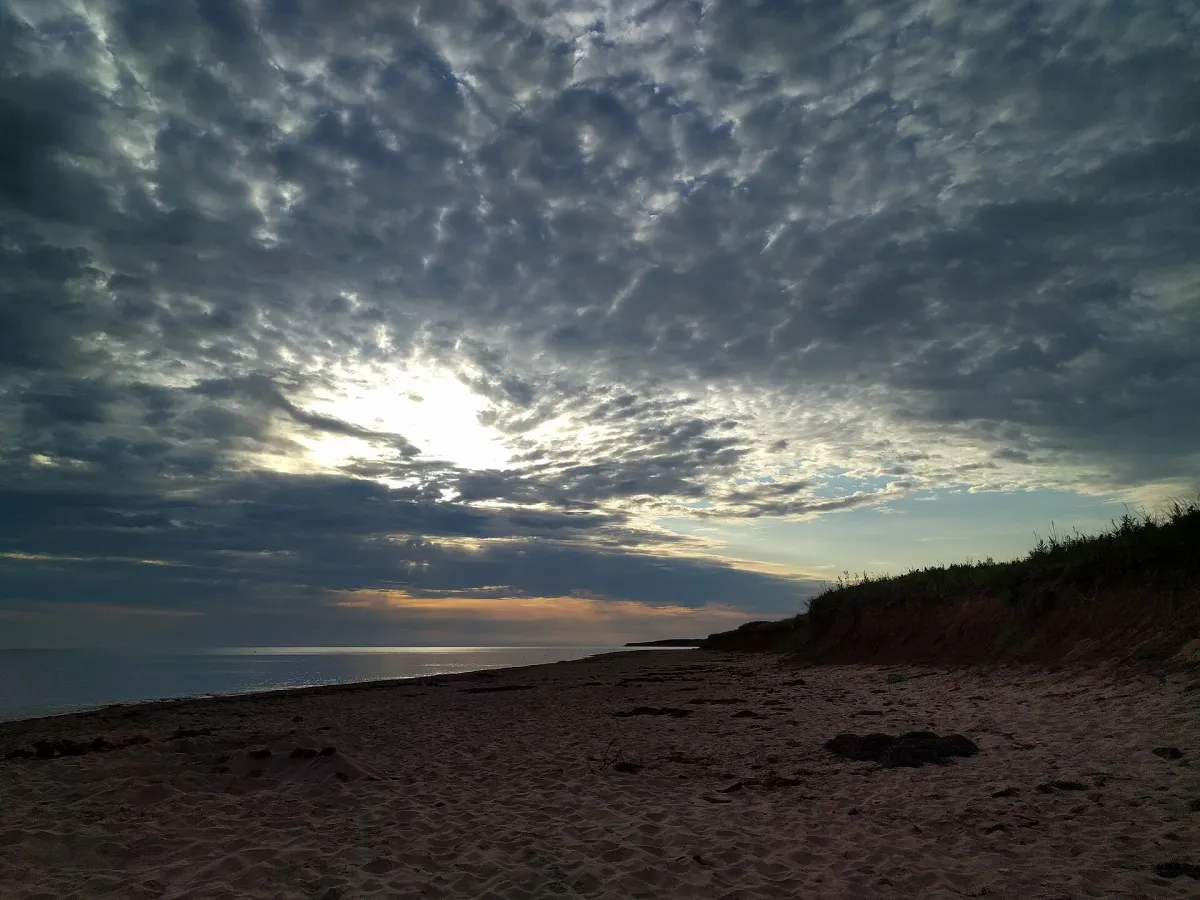
Cavendish is a useful choice if you want a recognisable Atlantic beach setting within a wider Prince Edward Island trip. Plan a proper beach half-day or longer rather than treating the sand as a quick photo stop between attractions. A nearby base makes it easier to return when weather suits and to keep meals and spare clothing close at hand. The surrounding dunes are part of the landscape’s appeal, and they need protection from foot traffic.
Parks Canada’s PEI swimming page provides beach options, accessibility information and links to surf conditions. Use the designated access and swim only where and when the current supervision and conditions support it. Seasonal surfguards are not a year-round service. Check for habitat closures, including protected bird areas, and leave shells, plants and wildlife undisturbed. A beach wheelchair or mobility mat at a location does not guarantee that every approach or tide condition meets an individual visitor’s needs; confirm the specific facilities before travelling.
Wasaga Beach, Ontario
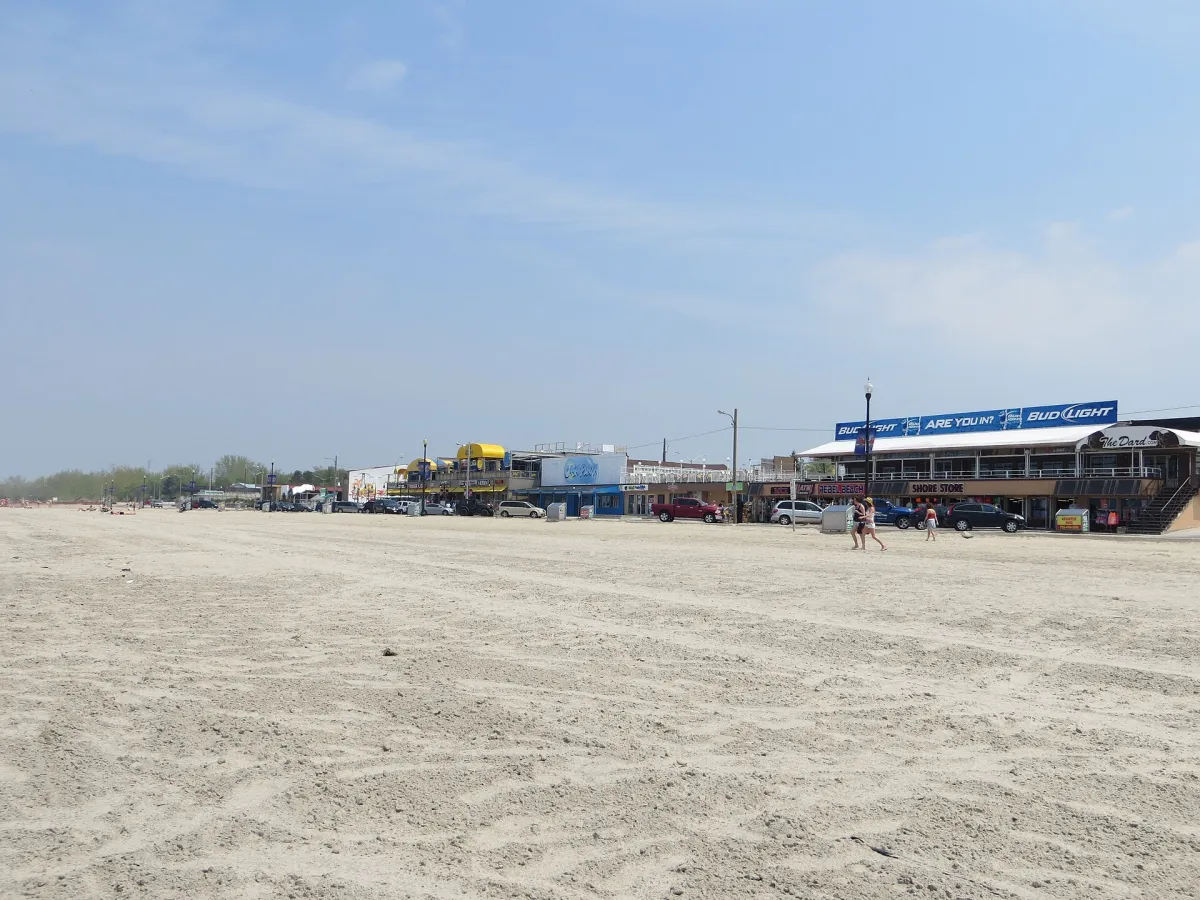
Wasaga Beach offers a freshwater beach experience on Georgian Bay and is better treated as an Ontario destination than as a casual extension of every Toronto day. Pick the exact beach area that suits your group: the most convenient arrival point is not necessarily the quietest place to sit. Allow for busy summer weekends, parking and a clear meeting point if people split up. Keep enough time for the return drive rather than waiting until everyone is exhausted to leave.
Use Ontario Parks’ current Wasaga Beach information and the Town of Wasaga Beach’s beach guidance together. Different areas and facilities may fall under different management, so a pass or parking arrangement should not be assumed valid everywhere. Verify the current water-quality information, rules and facilities for your selected access point. Freshwater can still have wind-driven waves and rapidly changing conditions. Stay close enough to supervise children continuously, and do not regard a long shallow-looking shoreline as a guarantee of safety.
Centre Island Beach, Toronto
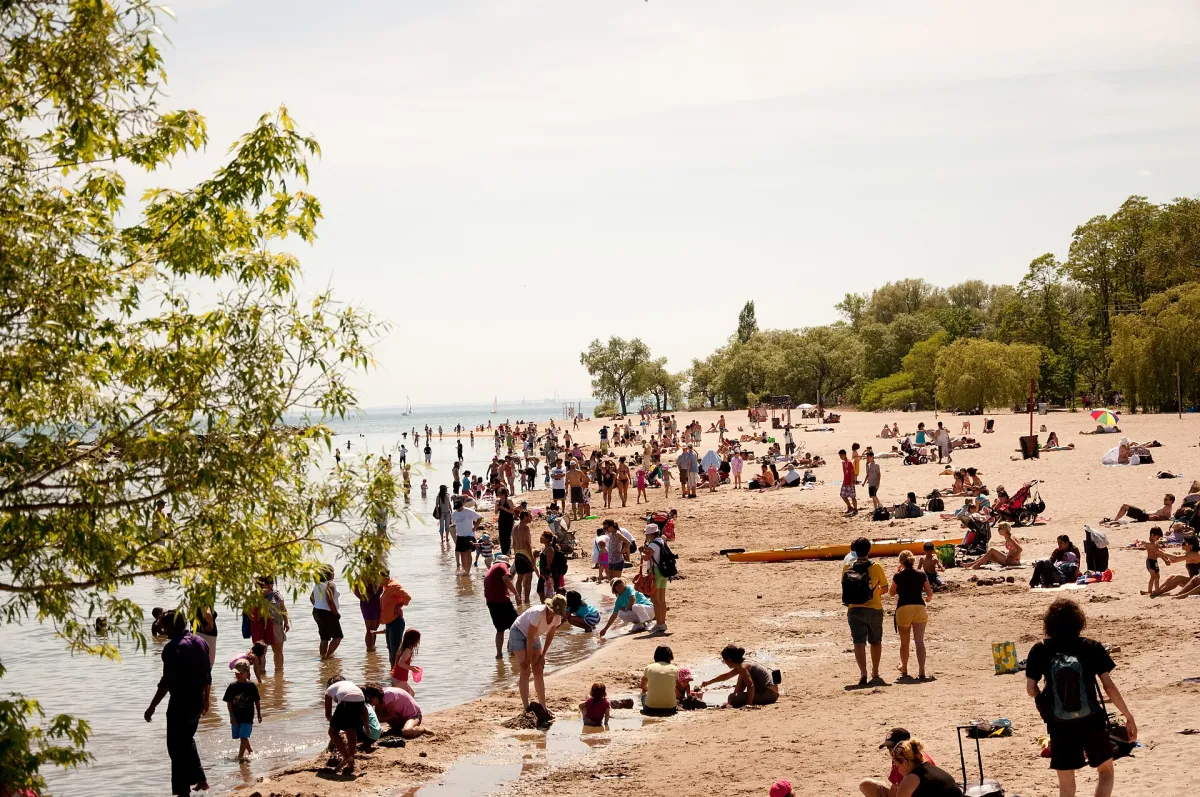
Centre Island combines a ferry journey, park space and a Lake Ontario beach with a city visit. It suits travellers who want a break from streets and museums without organising a separate rural road trip. The arrival terminal and the swimming shore are not the same place, so allow walking time and bring what you need rather than assuming every facility sits beside the ferry dock. A relaxed picnic and shoreline walk can be enough even when you decide not to enter the water.
The City of Toronto’s beaches page states the supervision season and current status. At our November 2026 check, lifeguard supervision had ended for the season, with no supervised swimming until summer 2027. Recheck for your own dates, and read the current water-quality advice. The city’s Toronto Island information also lists access notices. Choose the return ferry before settling into the afternoon, especially if you have an evening reservation on the mainland.
Long Beach, Pacific Rim National Park Reserve
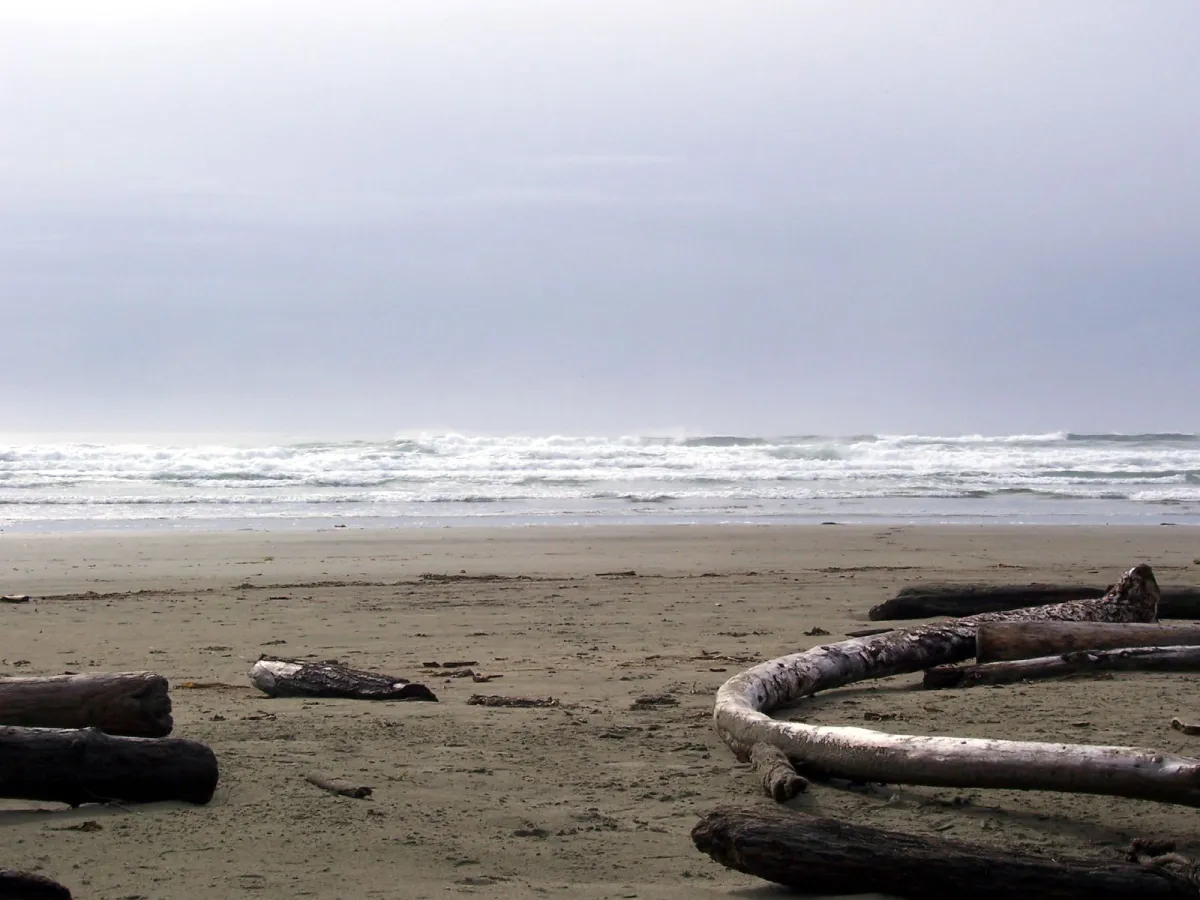
Long Beach is a Pacific coast experience with a different purpose from a sheltered summer swimming beach. Come for the scale of the shore, the changing light and a carefully planned walk, or choose a lesson from an appropriate surf operator if you want to enter the water. Beginners should ask how the operator selects a suitable site and conditions, what equipment is supplied, and how the lesson changes if the sea is unsuitable. A rental board on its own does not provide that judgement.
Parks Canada confirms that its Pacific Rim beaches are unsupervised, with no lifeguards or surf guards. Water remains cold, and tides, rip currents and changing surf require local knowledge. Keep well back from the active wave zone and unstable driftwood logs, particularly in stormy weather. Do not interpret other people in wetsuits as evidence that swimming is safe for your group. Check the tide and your planned return route before a long beach walk. A safe viewpoint and a warm drink can be a better storm-day plan than approaching the water.
Spanish Banks, Vancouver
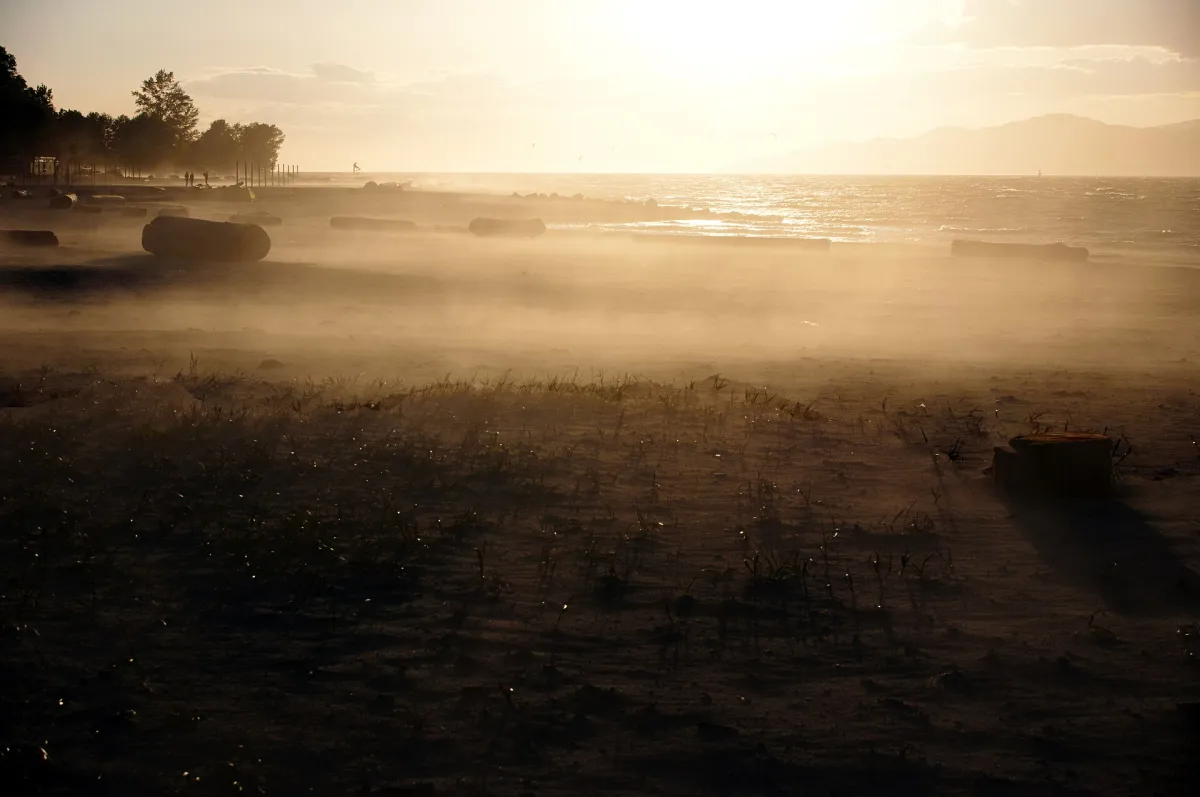
Spanish Banks works well when the beach is one part of a Vancouver day rather than the whole holiday. It offers room for a picnic and coastal views, with the tide strongly shaping the experience. Low tide can expose a broad area between the settled beach and the water, so a plan built around a quick swim may feel different when you arrive. Decide whether the group wants a walk, a social afternoon or swimming, then check conditions accordingly.
The City of Vancouver’s Spanish Banks page distinguishes its sections and publishes facility and parking details. The city’s beach guidance provides water-quality and seasonal supervision information. Confirm the appropriate access point and any current restrictions rather than following a generic beach pin. Observe signed zones for dogs, recreation and other activities. Do not collect shellfish because the sand looks clean; the city specifically prohibits bivalve harvesting here. Keep a layer for the return trip, when wind can make a sunny shoreline feel much cooler.
Read the season and water conditions before packing for a swim
Summer is the most practical period for many Canadian swimming beaches, but the useful window depends on the region, weather and supervision dates. A warm afternoon does not mean the water is warm, and an official water-quality result is a monitoring result rather than a live guarantee. Check the notice, the flags, local advice and the conditions you can actually see. After an advisory, choose a shore walk or another activity rather than trying to justify entering the water.
Keep swimming plans separate from scenic lake visits in the mountains. A turquoise mountain lake and a designated supervised bathing area serve different purposes. For a family trip, have a non-swimming version of the day ready: a picnic, a short walk or an indoor stop nearby. Take sun protection, drinking water and appropriate clothing, and keep an adult actively watching children near water. Inflatable toys do not replace a properly fitted flotation device or supervision.
Access, packing and leaving the coast in good condition
Read the practical details before choosing accommodation around a beach. A room described as near the coast may still require a drive, stairs or a difficult sandy approach. Check the final distance, slope, facilities, transport frequency and return option. If you need an accessible route or adaptive equipment, confirm it directly with the managing authority and ask whether booking is needed. Do not rely on a single accessibility symbol to describe the whole journey.
Use boardwalks and signed access routes, take litter away and give nesting birds space. Avoid drones unless the relevant authority clearly permits them; park, municipal and aviation rules can all matter. Keep music low and respect other visitors’ comfort when taking photographs. For a multi-stop trip, choose one beach that fits your route and enjoy it without rushing. Where to Stay helps compare a beach-side base with a city or regional hub, while Responsible Travel covers wider visitor choices.
Frequently Asked Questions
Are Canada’s beaches warm enough for swimming?
Some designated beaches are used for summer swimming, but water temperature and conditions vary greatly. Check the specific beach and use supervised areas when they are operating; the Pacific surf coast is a different environment from a sheltered lake shore.
Can I swim at Toronto’s beaches in winter?
The city’s supervised season is in summer, and it recommends swimming only when lifeguards are on duty. This guide does not recommend an unsupervised winter swim.
Do national park beaches always have lifeguards?
No. Pacific Rim’s beaches are unsupervised. Other parks may provide seasonal supervision only at specified locations, so check the exact beach and dates rather than assuming a national standard.