CANADA TRAVEL GUIDE
Things to Do in Canada: Experiences Worth Planning Around
Canada rewards a trip built around a few experiences rather than a race through a national checklist. Walking a historic city, taking a lakeside trail and watching a late-night sky all ask for different seasons, equipment and amounts of time. The choices below are alternatives across the country, not stops on one quick circuit. Choose a region first, then two or three experiences that fit the same journey. For the day-by-day order, use our Canada itineraries; for the landscape relationships, start with Map & Regions.
Walk the Lake Louise shoreline in the Canadian Rockies
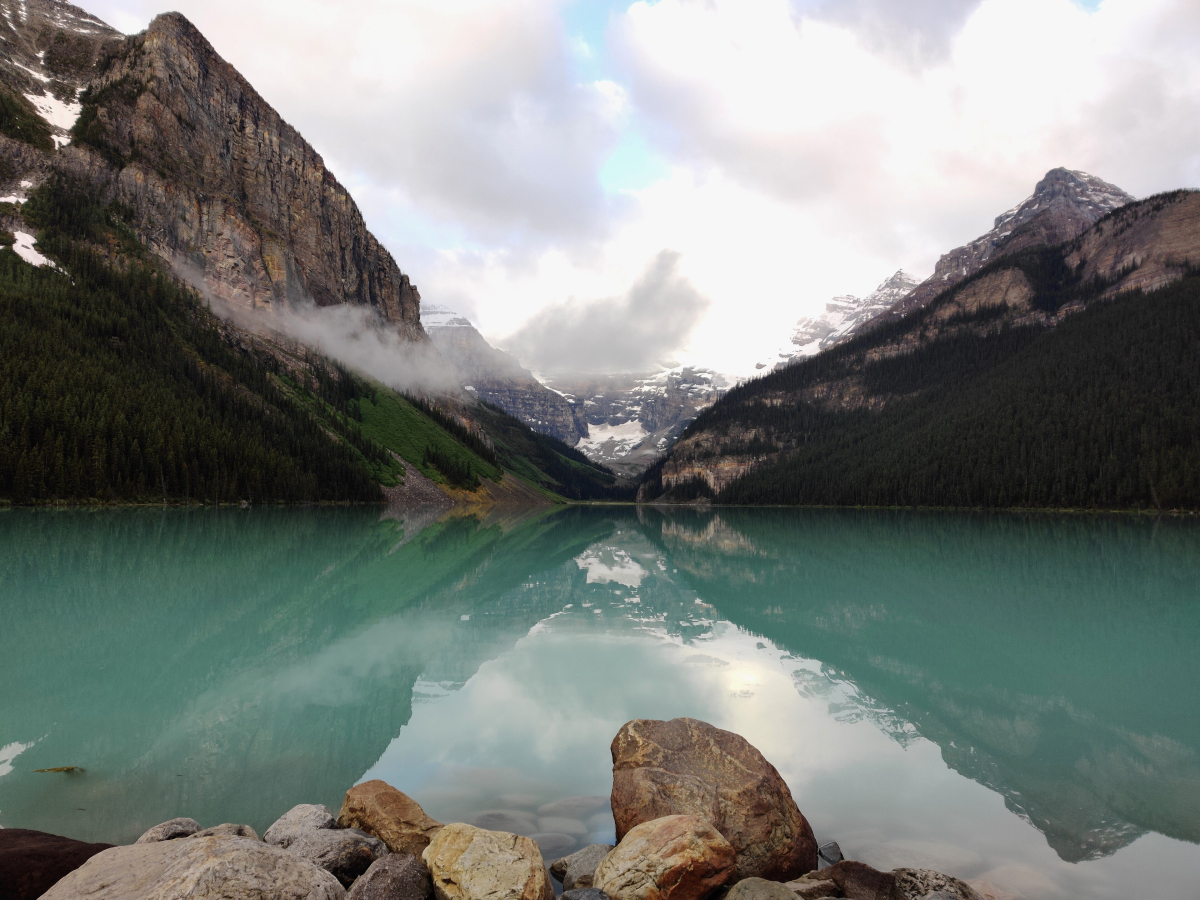
Lake Louise gives first-time mountain visitors a clear choice: enjoy the water and mountain setting from the shore, or commit to a more demanding trail above it. The shoreline experience suits a mixed-ability group much better than automatically attempting a high trail. Leave room to sit, look at the changing light and decide whether anyone actually wants another ascent. Cold water and mountain weather make this a scenic lake outing, not a substitute for a supervised swimming beach.
Transport is part of the experience. Parks Canada requires reservations for its Lake Louise and Moraine Lake shuttles; Moraine Lake Road is closed to personal vehicles year-round, with specified permitted transport exceptions. Check the operating season before choosing dates. Driving to Lake Louise does not give your vehicle access to Moraine Lake Road. During the operating season, a Parks Canada shuttle reservation includes access to the Lake Connector so you can visit both lakes; collect the required boarding pass and follow the current boarding instructions. Compare access from Banff with staying closer to Lake Louise, and keep a lower-elevation alternative if weather or transport prevents your preferred outing.
Feel the scale of Niagara Falls from the Canadian side
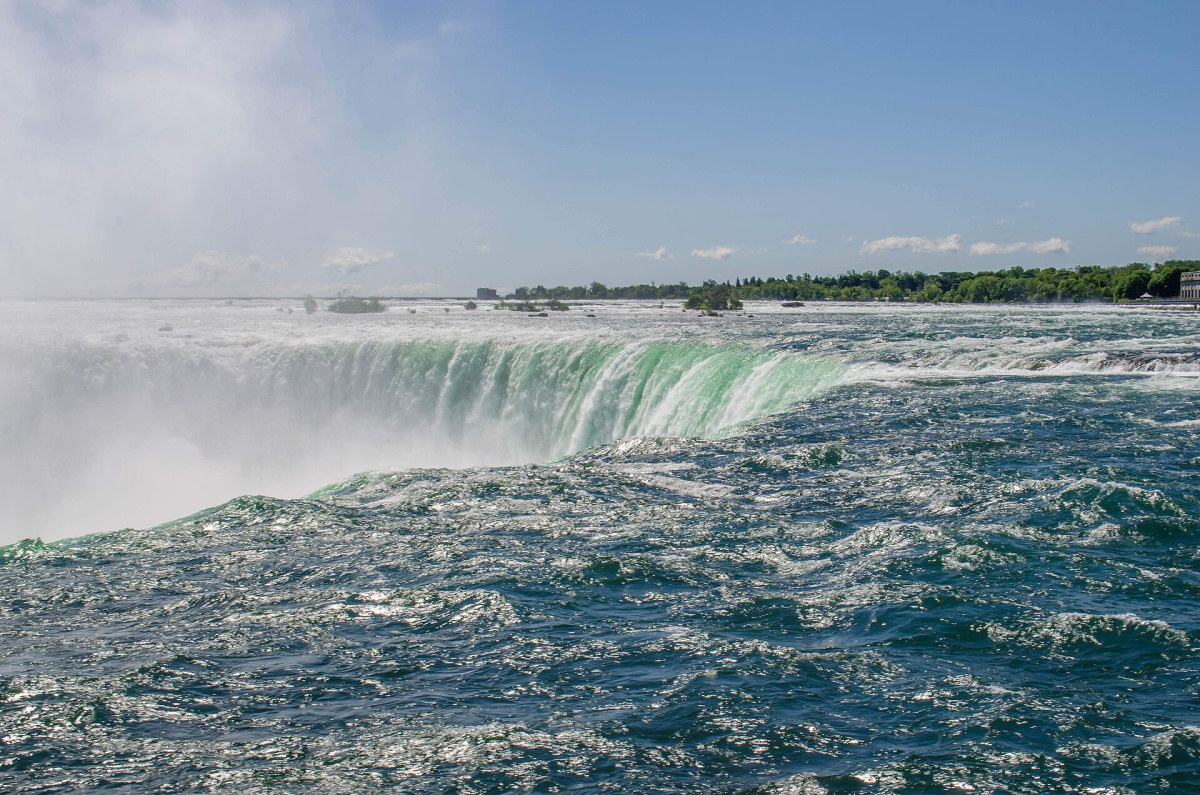
Niagara Falls works well as a focused contrast to Toronto: a day shaped around the river rather than another urban sightseeing list. Start with the public viewing areas, then decide whether you want one paid experience that brings you closer to the water. A boat trip, an underground viewpoint and an observation tower answer different interests; buying all of them can turn the visit into a queue-driven day. Treat the spray as part of the outing and protect cameras and spare clothing.
Use Niagara Parks to check the exact attractions and seasonal access you intend to use. Boat operations depend on conditions and season; an evening illumination does not mean that every attraction remains open. An overnight stay allows a slower transition between daytime and evening views. A return day trip is reasonable only after checking the actual outbound and final return transport, including the distance between the arrival stop and the falls.
Explore Upper and Lower Town in Old Québec
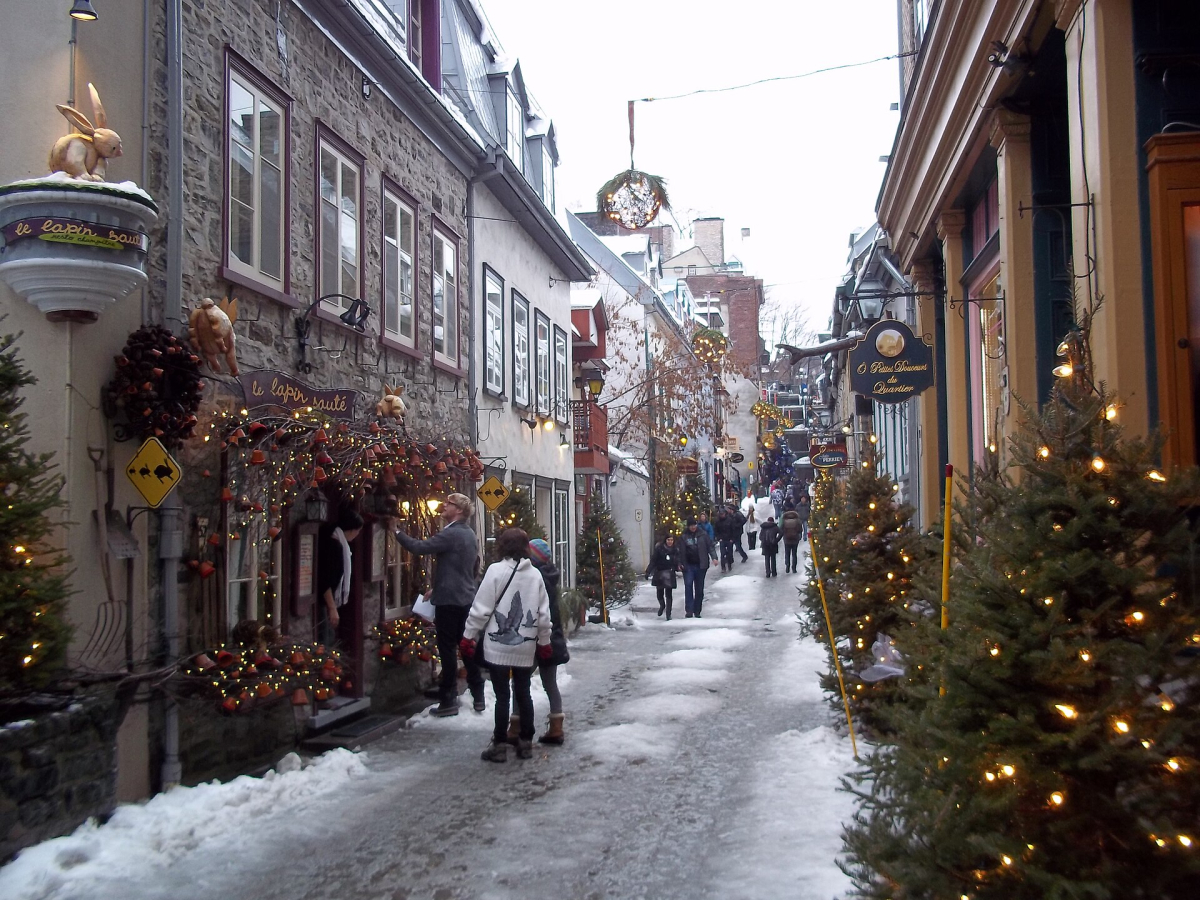
Old Québec is best approached on foot with pauses, rather than as a series of drives between monuments. Begin around the fortified Upper Town and Dufferin Terrace, then descend toward Place Royale and Petit-Champlain. The contrast between the elevated river views and the narrower Lower Town streets is the point of the walk. If you want historical depth, choose a guided tour with a clear language and route description; a short independent circuit gives more flexibility for cafés, shops and photography.
The official Québec City visitor guide is a useful starting point for the district. Hills, steps and winter surfaces change the practical difficulty, so assess the route rather than the small distance on a map. Someone who needs a step-free option should confirm entrances and transport separately. Keep a museum or a long indoor meal as a weather alternative. Old Québec is a living neighbourhood: avoid blocking doorways for photographs and keep residential streets quiet.
For an organised visit, compare the walking route, language, meeting point and access requirements before choosing a tour.
Explore Québec City tours on GetYourGuide
We may earn a commission if you book through our GetYourGuide links.
Walk or cycle Vancouver’s waterfront
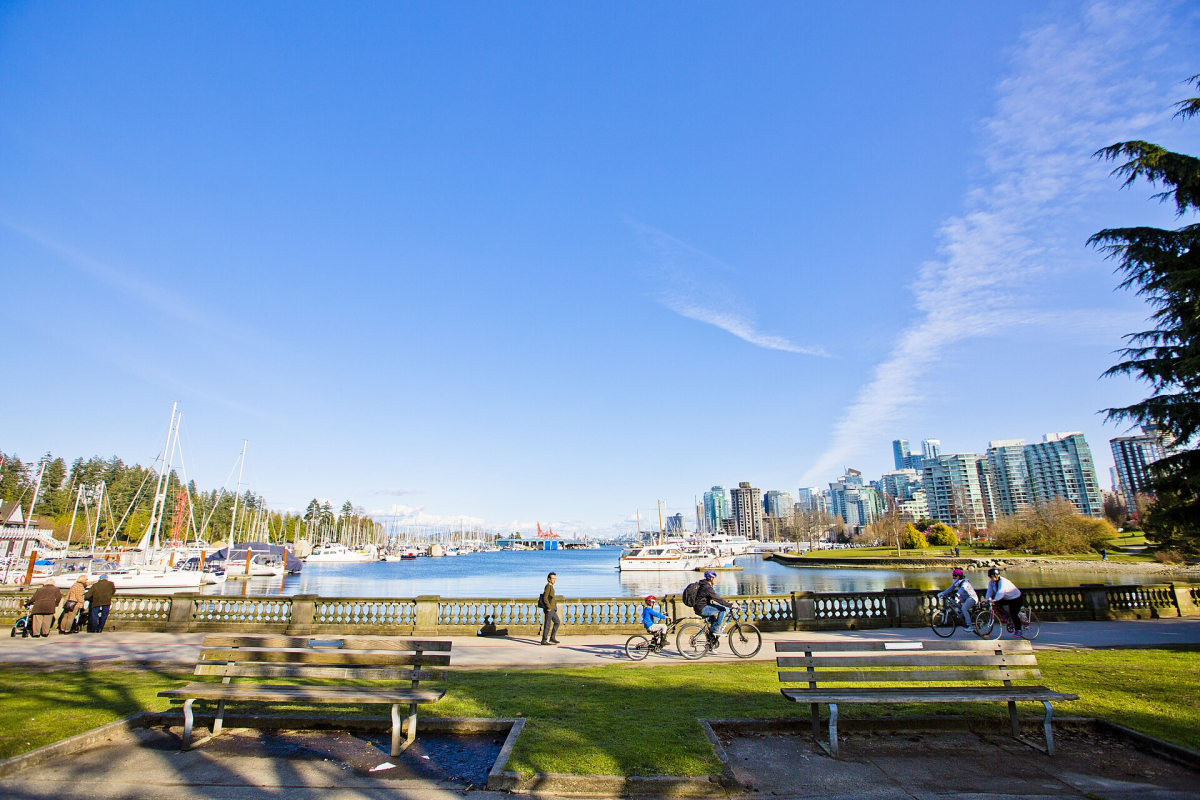
Vancouver offers a city-and-water experience without leaving the urban area. Choose a walk if your group wants frequent stops, or a cycle ride if everyone is comfortable sharing a busy recreational route. A short section around Coal Harbour can be more enjoyable than trying to complete an entire waterfront circuit before lunch. Pair the outing with a neighbourhood meal and leave ambitious mountain plans for another day; the skyline and shoreline already provide a strong sense of place.
The City of Vancouver explains the Seawall’s separate walking and cycling areas and publishes closures. Follow signs and current detours rather than an old saved route. Works were listed for part of the Stanley Park Seawall at this guide’s November 2026 check, which illustrates why a complete loop should never be assumed. Ask rental staff about the current permitted cycling route, helmet requirements, locks and the return deadline before paying. A bicycle rental is useful only if the route matches your confidence.
Build a Montréal day around neighbourhood food and street life
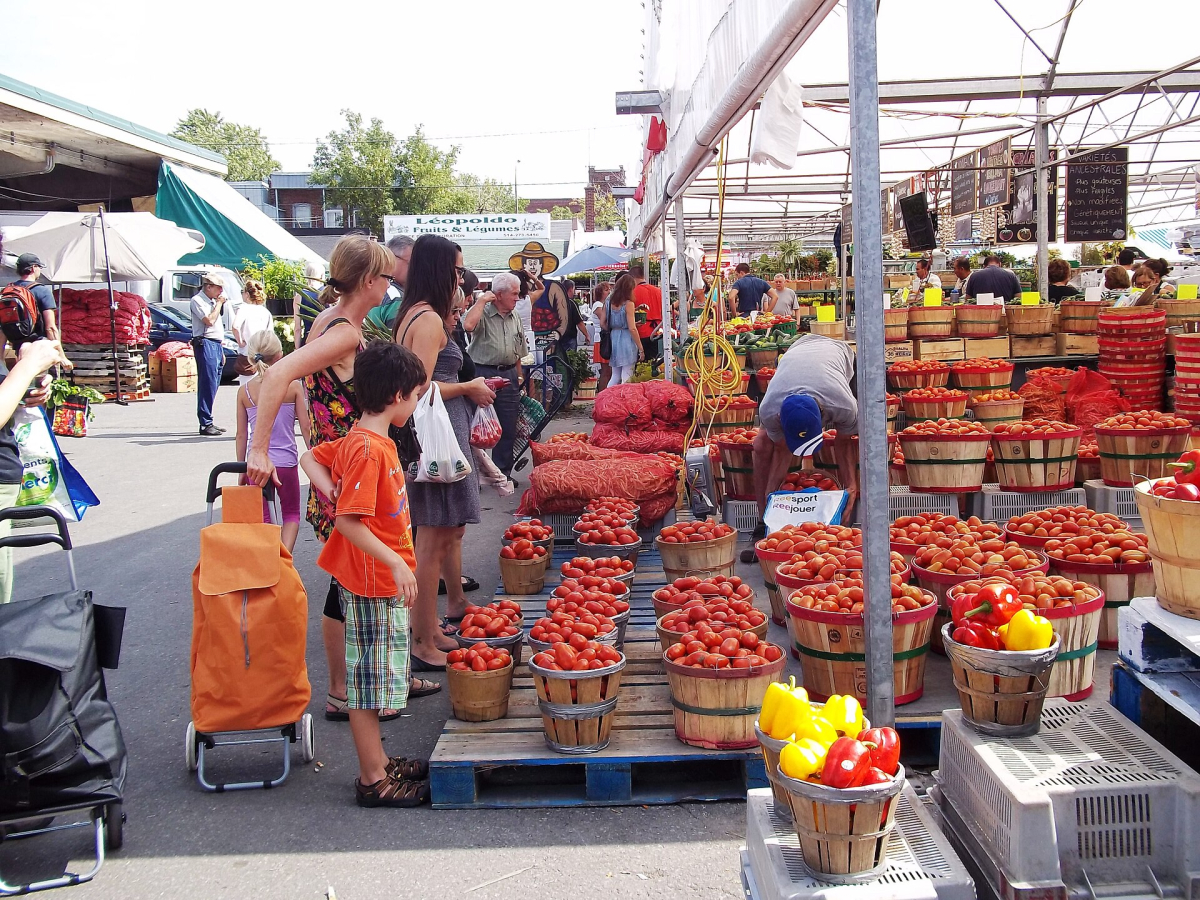
A Montréal food walk is more satisfying when it follows one neighbourhood rhythm instead of chasing famous dishes across the city. Combine a public market with nearby cafés, bakeries or independent shops, allowing time to look at seasonal produce and read menus. A guided walk can add context and tastings, but check how much food is included, whether substitutions are possible and where the tour ends. A self-guided outing suits travellers who prefer to stop according to appetite.
Jean-Talon Market is a year-round option in Little Italy, with producers, food shops and places to eat. Market trading and individual merchant hours differ, so do not assume a late arrival offers the full daytime selection. This experience is about exploring and tasting; use our restaurant guide when you need a particular booked dining room, and Food & Drink to understand regional dishes and ingredients.
Slow down for a Cabot Trail coastal drive
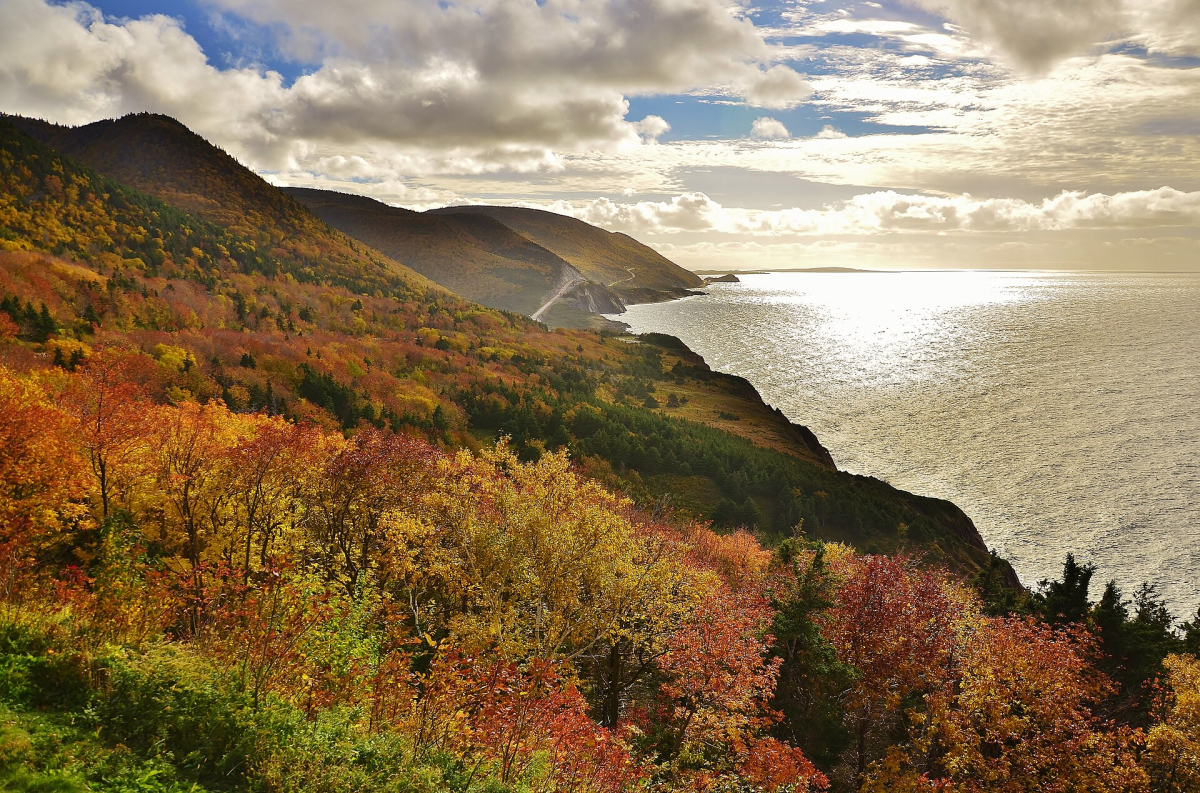
The Cabot Trail is a road-trip experience in Cape Breton, not a quick detour from Halifax. Its value comes from stopping: coastal viewpoints, short walks, villages and music can each justify time away from the car. Choose accommodation that supports the part of the route you want to explore rather than forcing a return drive to one distant base. Give the driver a real break before a longer hike, and avoid planning every viewpoint for the same sunset.
Cape Breton Highlands National Park’s hiking information distinguishes short walks from challenging trails and currently lists a parking reservation process for Skyline. Check that detail before making it the day’s fixed stop. Fog or rain can make a cultural visit and a meal a better choice than a headland. Coastal scenery is not a reason to stop on an unsafe shoulder: use designated pull-offs and respect private land.
Choose an Indigenous-led cultural visit in Wendake
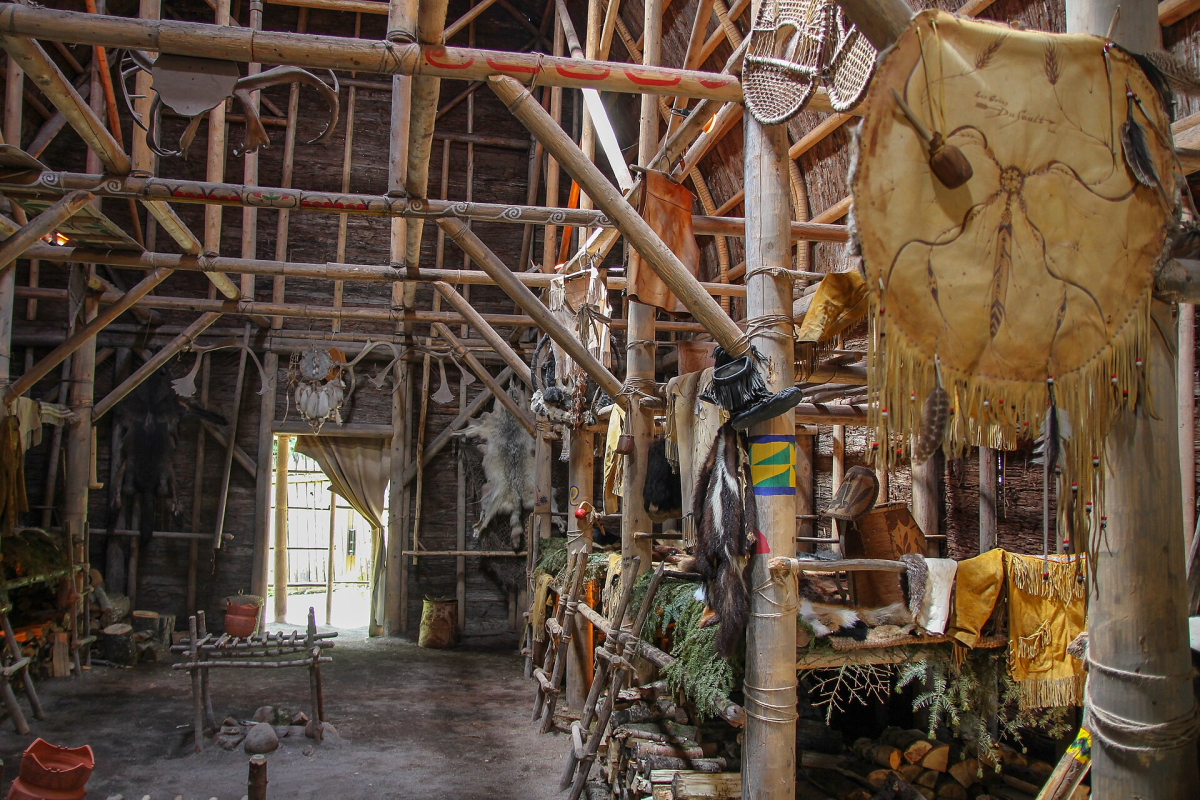
Wendake, near Québec City, offers a more grounded cultural encounter than treating Indigenous heritage as a generic Canadian theme. Decide whether you want a museum visit, an interpreted traditional site, a workshop or a meal, and book with the relevant host. These are distinct experiences, often with specific times and languages. Allow time to listen and ask respectful questions rather than arriving only for a photograph of a building or a performance.
The Huron-Wendat Museum and the Onhoüa Chetek8e Traditional Huron Site’s guided visit provide their own descriptions. Choose the programme whose subject interests you, and follow the host’s rules on photography, recording and participation. A reconstructed setting should not be presented as evidence that contemporary Huron-Wendat life belongs only to the past. Arrange the outward and return transfer before booking a timed activity, especially if you are travelling without a car.
Plan several chances to see the northern lights in Yukon

Northern lights viewing is an evening commitment with an uncertain natural outcome. A clear dark sky and auroral activity must coincide, and a photograph may show colour more strongly than your eyes. Plan several nights if this is the reason for the trip, keeping daytime activities gentle enough that a late finish remains enjoyable. Whitehorse can serve as a practical arrival base, while an organised outing can provide transport, a viewing location and warm-up facilities that an improvised roadside stop cannot.
Use Travel Yukon’s operator listings to compare what is actually included. Confirm clothing, heating, toilets, pickup, return arrangements and the cancellation policy directly with the provider. No departure date guarantees a sighting. Do not drive tired after hours outside in the cold, and do not stop in an active traffic lane to watch the sky. Summer’s long daylight is a different northern experience, not an equivalent aurora season.
Family travel: choose a manageable daily rhythm
For families, the strongest experience is often the one that leaves enough energy for the next day. Start with a single main outing and a flexible nearby option: a waterfront walk followed by a playground, a museum with an outdoor break, or a short lake visit rather than a long summit route. Let children help choose one stop, and check toilets, food and shelter before committing to a remote outing. A scenic drive still means time restrained in a vehicle.
Reserve child equipment and suitable room arrangements in advance. Ask about the actual walking surface, minimum participation age and supervision requirements for boats, cycling or guided activities; a family label does not establish suitability for your child. Keep a quiet indoor alternative for smoke, rain or cold. On a multi-region trip, a domestic flight or hotel change can consume much of a day, so give it space rather than attaching an ambitious excursion immediately afterward.
Shopping: look for provenance, usefulness and portability
Shopping fits most naturally into a city or market day. Look for Canadian-made work with a named maker, a clear material description and an origin you can understand, rather than assuming every maple-leaf souvenir was made locally. For Indigenous art, buy from the artist, an Indigenous-owned business or a reputable gallery that identifies the creator and Nation where appropriate. Ask whether a design is the artist’s own work and whether the item is an original, an authorised reproduction or a commercial souvenir.
Choose compact, durable purchases if your route involves flights and frequent hotel changes. Check food import rules for your destination before buying meat, fresh food or plant material, and keep receipts for higher-value pieces. A market is good for comparing texture, taste and craft, while a specialist shop may offer better packing and maker information. Shipping adds customs and delivery questions of its own. Leave time to make a considered purchase rather than filling luggage on the final airport transfer.
Frequently Asked Questions
Can I experience both eastern and western Canada in one week?
It is possible to fly between them, but doing so reduces time on the ground. For a first week, one region usually produces a more varied and less rushed trip than adding a second long flight.
Which experiences need advance arrangements?
Lake shuttles, popular guided activities, cultural programmes and specific performances may need reservations. Check the exact operator and date; a park admission or a city hotel booking does not reserve an activity.
Do I need to book every day?
No. Fix the experiences that have scarce capacity, then keep space around them for weather, neighbourhood walks and rest. Flexible time is particularly useful when visiting mountains or planning aurora viewing.