CANADA TRAVEL GUIDE
Walking and National Parks in Canada: Choose the Right Landscape
Canada’s parks range from mountain valleys to Atlantic headlands, rainforest and fragile dunes. A national park label does not tell you how difficult a walk will be, whether you can reach it without a car or whether a particular trail is open. Start with the landscape and the least experienced person in your group, then choose a route from the current official trail information. The suggestions below identify useful park choices rather than offering navigation instructions. For a complete travel sequence, use Canada itineraries; for swimming and coastal days, see Beaches.
Match the park to your time and abilities
A good park day includes the approach, parking or shuttle, the walk itself, breaks and a safe return. Compare elevation and surface as well as distance: a short rocky climb can be more demanding than a much longer level path. An easy official rating does not remove weather, wildlife or accessibility considerations. Check whether distances are one way or return, and allow your own group more time than a fit guidebook author might need.
On a small screen, swipe or scroll the table sideways to see every column.
| Park | Landscape and useful focus | Main planning question |
|---|---|---|
| Banff | Mountain lakes and valley walks | Can you reserve suitable transport and find a route matching the season? |
| Jasper | Mountain valleys and a less compressed stay | Which areas and trails are currently open? |
| Gros Morne | Tablelands, coastal walking and exposed uplands | Do you want a short geological walk or a demanding mountain day? |
| Cape Breton Highlands | Coastal headlands and forest trails | Can your overnight base support the drive and any parking reservation? |
| Pacific Rim | Temperate rainforest and Pacific shoreline | Do tides, surf and the chosen walking surface suit the outing? |
| Prince Edward Island | Dunes, wetlands and gentle coastal exploration | Which access points and protected areas are open? |
Banff: choose a valley walk before a high trail
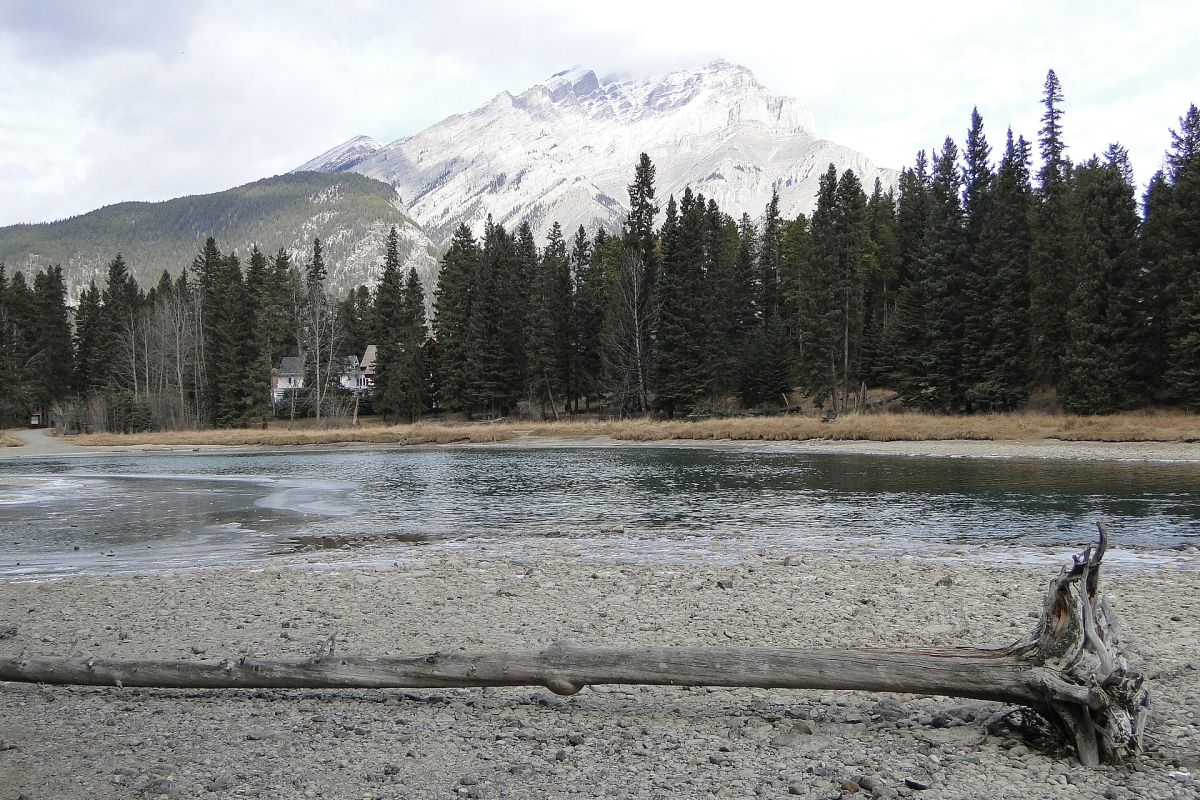
Banff is a strong choice when you want mountain scenery with a range of effort levels. A river or forest walk around the town can suit an arrival day, while a lake-area outing can occupy a separate day with more transport planning. Resist choosing a route only because its photograph looks familiar. A path that climbs above a lake may require much more stamina and preparation than the shoreline visit you originally imagined.
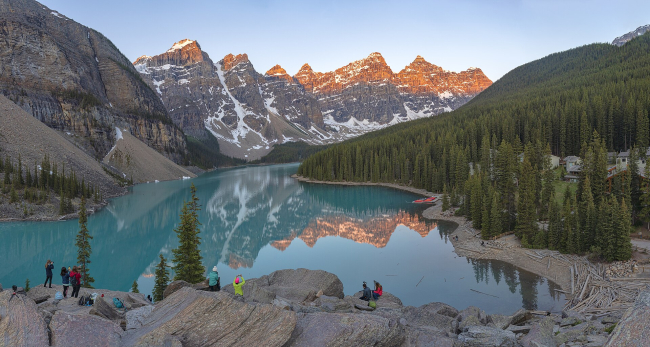
Use Parks Canada’s Banff hiking guide to compare the official descriptions and current conditions. Snow may linger at higher elevations after lower paths feel summery; in winter, a summer trail is not automatically a safe walking route. For Lake Louise and Moraine Lake, arrange the specific transport as well as any park entry. Start with a manageable walk, keep food secured and be ready to change plans when staff advice or posted restrictions require it.
Jasper: plan from the current open-area information
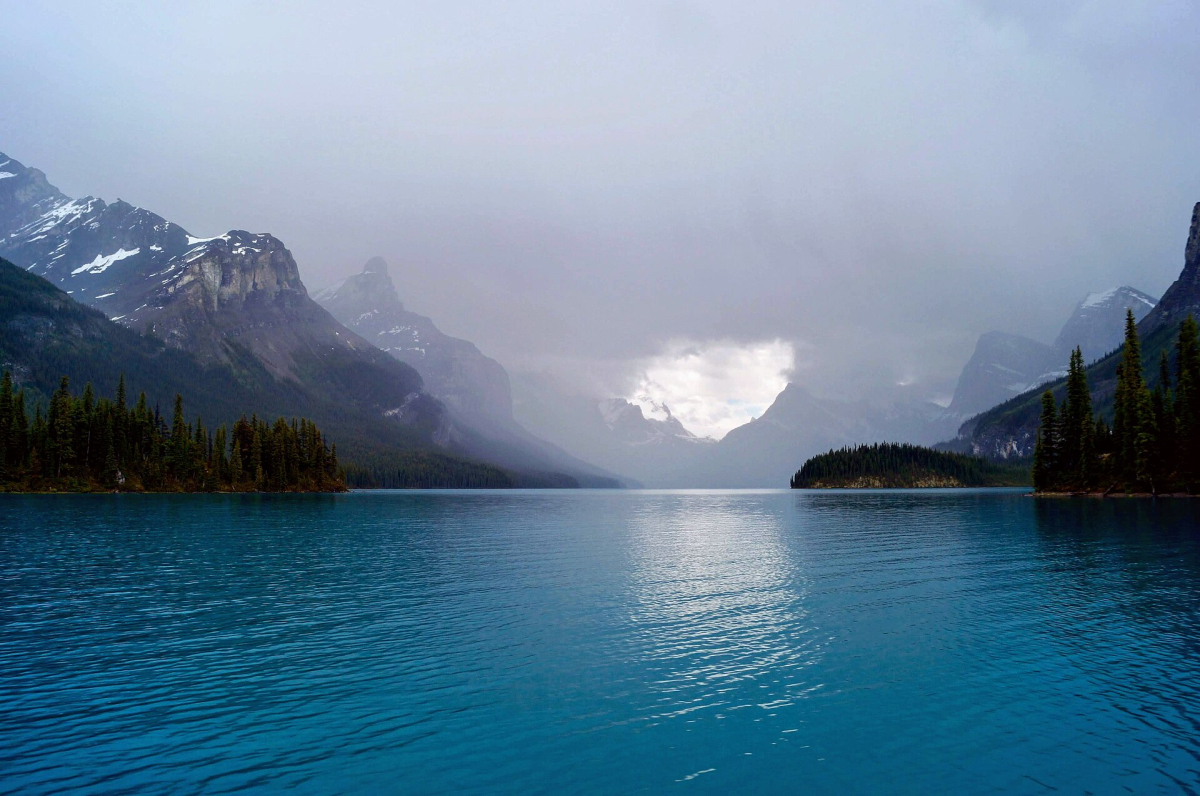
Jasper deserves time to settle into a mountain base rather than a hurried stop between two long drives. Choose the actual valley, lake or walking area you want to visit before booking each day. A shorter outing can leave room to enjoy the landscape without turning every stop into a physical challenge. A drive along the Icefields Parkway is a substantial travel day in its own right, especially when you add viewpoints and breaks.
Parks Canada’s Jasper planning page links to what is open, trail reports and road guidance. It continues to identify access impacts from the 2024 wildfire, so old photographs and pre-fire itineraries are not evidence of current availability. Confirm accommodation and the specific experiences you care about, then check again close to departure. Respect closures even if an online map still draws a trail through the area. If a key outing is unavailable, choose another open area rather than trying to find an unofficial way around a barrier.
Gros Morne: separate the Tablelands from the mountain challenge
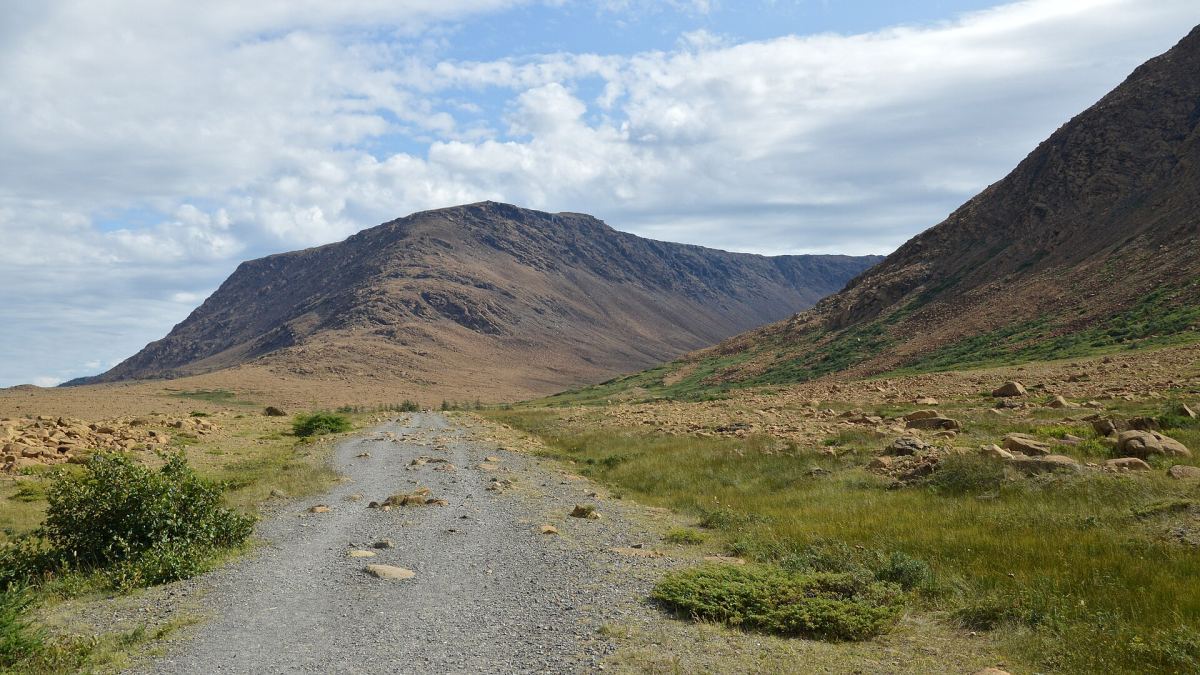
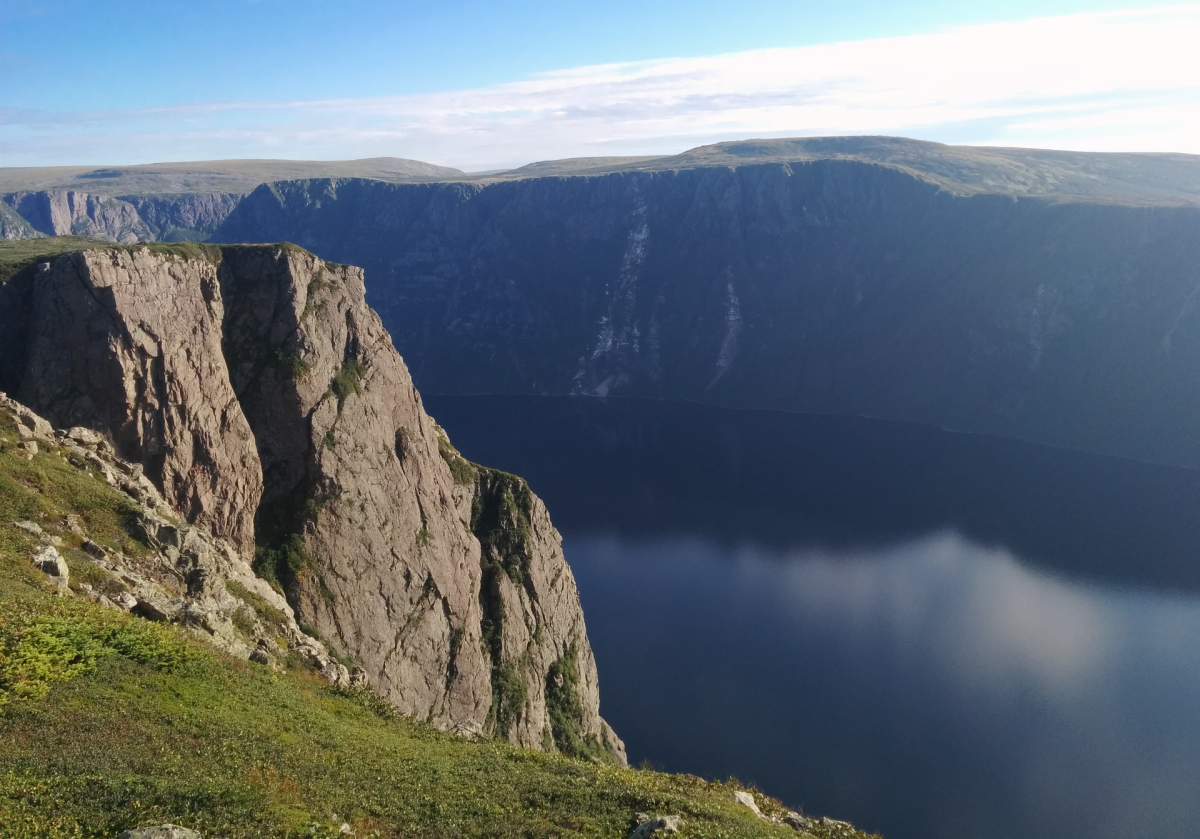
Gros Morne on Newfoundland’s west coast offers a geological and coastal park experience very different from the Rockies. The Tablelands are a useful focus for visitors interested in unusual rock and a more approachable outing; the Gros Morne Mountain route is a separate, demanding undertaking. Do not treat the two as interchangeable ways to spend a spare afternoon. Choose one main objective and leave time to understand the landscape instead of trying to combine every major walk.
The official Gros Morne hiking information explains route ratings and links to conditions and individual trails. Exposed terrain can become unpleasant or unsafe in poor visibility, strong wind or cold rain. Ask park staff about the route and seasonal restrictions that apply to your dates. A boat excursion and a mountain hike are also separate bookings and physical commitments; neither should be presented as an automatic extension of a short roadside stop. Allow several nights in the area if outdoor walking is the trip’s purpose.
Cape Breton Highlands: use short walks to break up the coastal drive
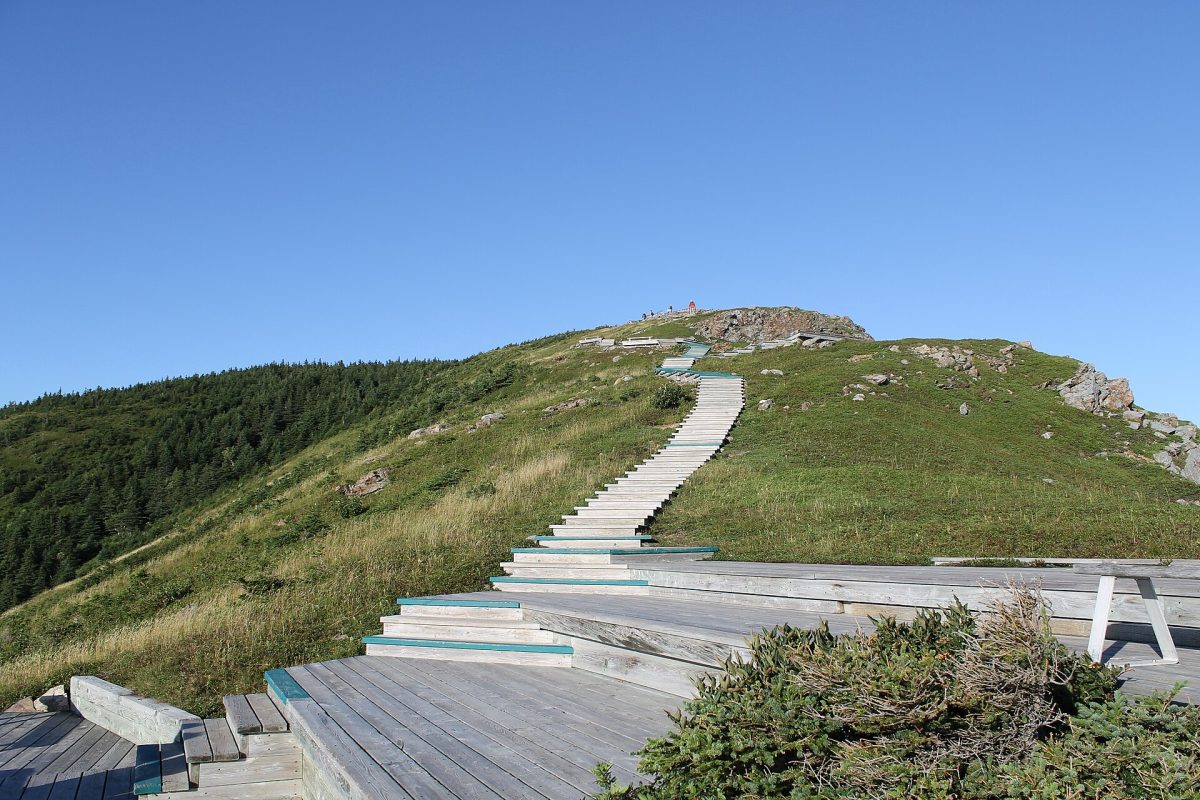
Cape Breton Highlands combines coastal views with forested and higher terrain. It works particularly well for travellers who want a road trip with varied walks rather than a single expedition. Pick a trail near the part of the Cabot Trail where you are sleeping, and make room for the return drive before you start. A beautiful lookout at the end of the day is less appealing if everyone is too tired for the onward journey.
Parks Canada’s trail list gives ratings and return distances and currently provides a Skyline parking reservation link. Check the current procedure instead of assuming you can arrive at any time. Boardwalks and steps do not necessarily make a route suitable for every mobility need. Follow local wildlife guidance, stay out of closed vegetation areas and do not use a road shoulder as a substitute car park. On a foggy day, a shorter sheltered option may offer a better experience than a headland with no view.
Pacific Rim: rainforest walking with a separate coastal safety plan
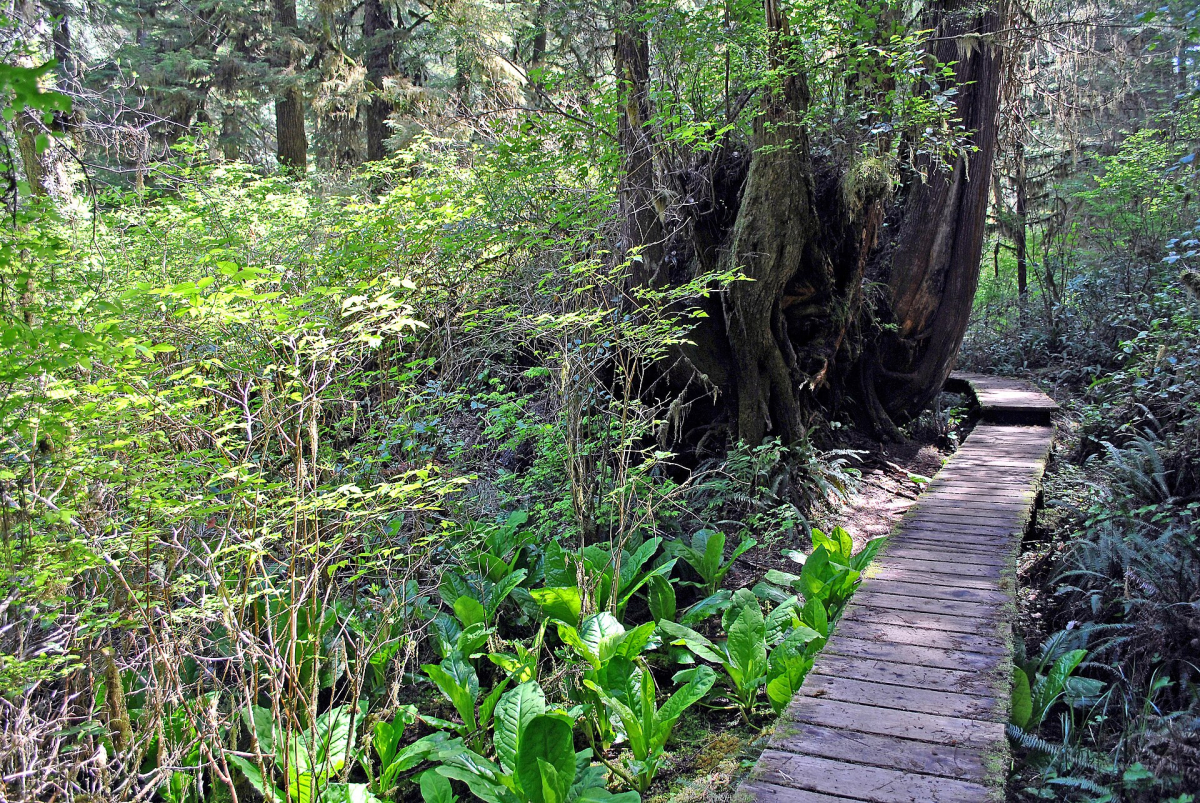
Pacific Rim National Park Reserve is a good match for travellers interested in temperate rainforest, Pacific weather and the transition between forest and shore. A rainforest walk offers a different experience from a long beach crossing and can be a useful choice when you do not want to commit to a major trail. Expect wet surfaces and steps where the selected route includes them; a boardwalk is not necessarily level, dry or step-free.
Choose your route from Parks Canada’s Pacific Rim hiking information, then review coastal conditions separately. A dry-looking beach at low tide may not remain a safe return route as the water rises. Stay away from active surf and unstable logs, and do not enter the water simply because other visitors are surfing. The park’s Long Beach beaches are unsupervised, as its surfing safety page makes clear. The multi-day West Coast Trail is a different undertaking from a short forest visit and requires its own planning.
Prince Edward Island: follow designated routes through dune and wetland habitat
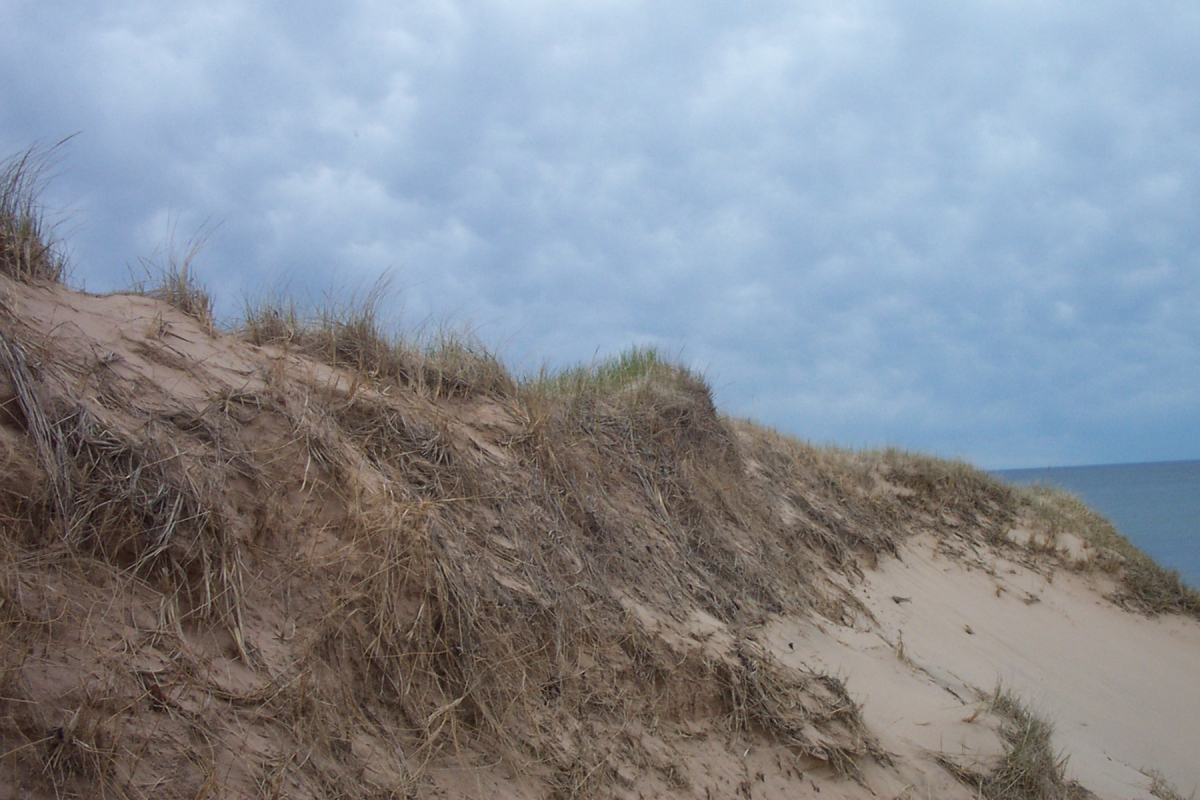
Prince Edward Island National Park offers a gentler landscape, but gentle does not mean unrestricted. Dunes protect the coast and support sensitive habitat; crossing them for a shortcut or a photograph damages the very setting you came to see. Stay on signed routes and use the designated access to the shore. Greenwich is a useful choice when you want a walk shaped by dunes and wetlands rather than a day centred on swimming.
The official Greenwich visitor page explains its walking options and landscape. Confirm seasonal access, facilities and current closures before setting out, especially outside the main visitor season. Wind and sun exposure can matter even on a relatively low-level walk, so bring layers and drinking water. If your group includes someone with limited mobility, check the particular path surface, slope and facilities instead of relying on a general park accessibility statement. Combine a walk with a separate beach stop only when both fit the day’s conditions.
Reservations, equipment and a practical turnaround decision
Park admission, camping, shuttles, parking and guided activities may be separate requirements. A general entry pass does not reserve a campsite or a scarce shuttle seat. Read the actual confirmation for the product you bought and keep it available offline. For a guided activity, compare the starting point, minimum age, required footwear, cancellation conditions and what happens in poor weather. Do not assume a guide supplies everything you need.
Carry clothing for the expected conditions plus a warmer or waterproof layer, water, food, suitable footwear and a way to navigate if mobile coverage fails. For more remote walking, seek park-specific advice about emergency communication and wildlife precautions. Decide before starting what will make you turn around: deteriorating weather, a slower pace than expected, an equipment problem or insufficient daylight. Turning back early can preserve the rest of the holiday. Travel insurance and a charged phone help, but neither replaces an appropriate route choice. Further preparation is covered in Health & Safety.
Frequently Asked Questions
Do I need to be an experienced hiker to enjoy Canadian parks?
No. Many parks offer shorter walks, scenic stops and interpretation. Choose the exact route from current official information; the park’s famous summit or multi-day trail is rarely the only option.
Does a park pass include shuttle reservations?
Do not assume so. Admission and transport can be separate products, and popular services may need their own reservation. Read the official booking requirements for the date and location.
Can I use a summer walking plan in winter?
A winter visit needs a fresh assessment of snow, ice, daylight, access and avalanche terrain. Use the park’s winter guidance or an appropriate qualified operator instead of assuming that the same summer path remains suitable.