CANADA TRAVEL GUIDE
Canadian Food and Drink: What to Try by Region
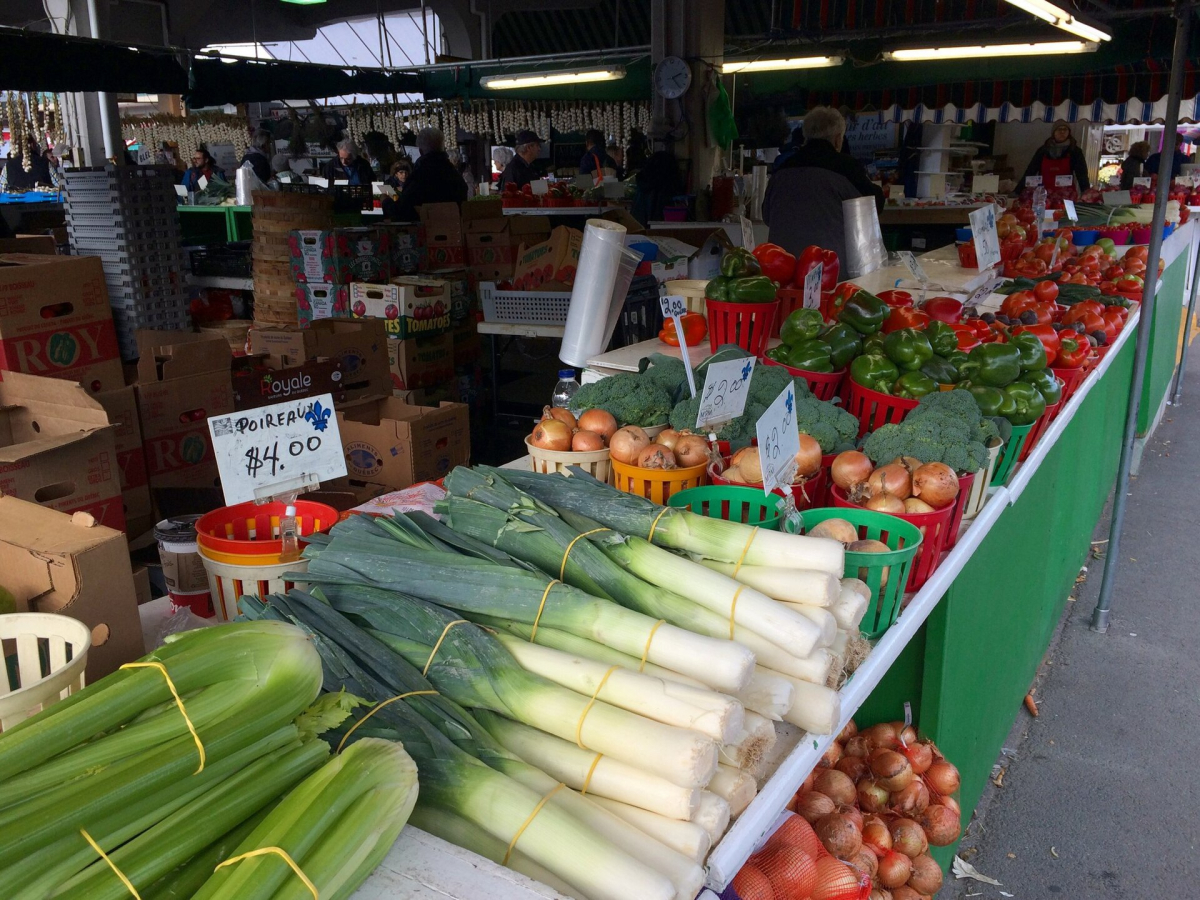
Canadian food is more useful to understand as regional cooking than as one national tasting menu. A Québec comfort dish, a Prince Edward Island shellfish meal and an Indigenous-owned Vancouver dining room tell different stories. Follow the ingredients and the people preparing them, and leave space for the everyday cooking of the neighbourhood you are visiting. This guide helps you decide what to order and what questions to ask. For a particular market or dining room, use Where to Eat in Canada; for the complete meal budget, see Travel Costs & Money.
A regional starting point for your first food choices
On a small screen, swipe or scroll the table sideways to see every column.
| Region or setting | Useful foods to explore | Question to ask |
|---|---|---|
| Québec | Poutine, meat pies, maple products, local cheese and cider | What is in the sauce or filling, and is this the producer’s own product? |
| Ontario city and market days | Butter tarts, market baking, peameal bacon sandwiches and varied neighbourhood cooking | Is this a snack, a full meal or a product to take home? |
| Prince Edward Island and Atlantic Canada | Mussels, oysters, lobster and other locally offered seafood | What is the source, preparation and serving format? |
| British Columbia | Salmon, seasonal produce and Pacific-facing food cultures | Which species, source and cooking style are offered today? |
| Indigenous-led dining | Contemporary dishes reflecting the particular host’s ingredients and knowledge | Whose food story is being shared, and how does the menu describe it? |
Treat these examples as an introduction, not a rule about what every resident eats. Migration, trade, family traditions and local ingredients all shape Canadian food. An excellent neighbourhood meal need not contain a maple leaf, and a dish sold nationally may still carry a strong regional association. Choose one or two foods that interest you rather than ordering everything at once.
Québec comfort food: poutine, meat pies and a menu worth reading

Poutine combines fries, cheese curds and gravy; the balance of crispness, curd texture and sauce matters more than a towering pile of toppings. Start with a modest portion if it is part of a larger tasting day. Gravy is not automatically vegetarian, and a kitchen offering one plant-based version does not make every sauce or topping suitable. Ask specifically about ingredients and preparation rather than relying on the appearance of the dish.
Québec’s hearty cooking also includes meat pies, pea soup and other dishes whose recipes differ between households and regions. The official Québec City guide to traditional specialties is a useful introduction. Read the description instead of assuming every item called tourtière is identical. These dishes can be substantial, so plan a walk before the meal rather than a strenuous outing immediately afterward. A traditional-food restaurant and a contemporary seasonal restaurant answer different cravings; both can belong in the same trip.
Maple products: choose flavour and purpose before the souvenir bottle
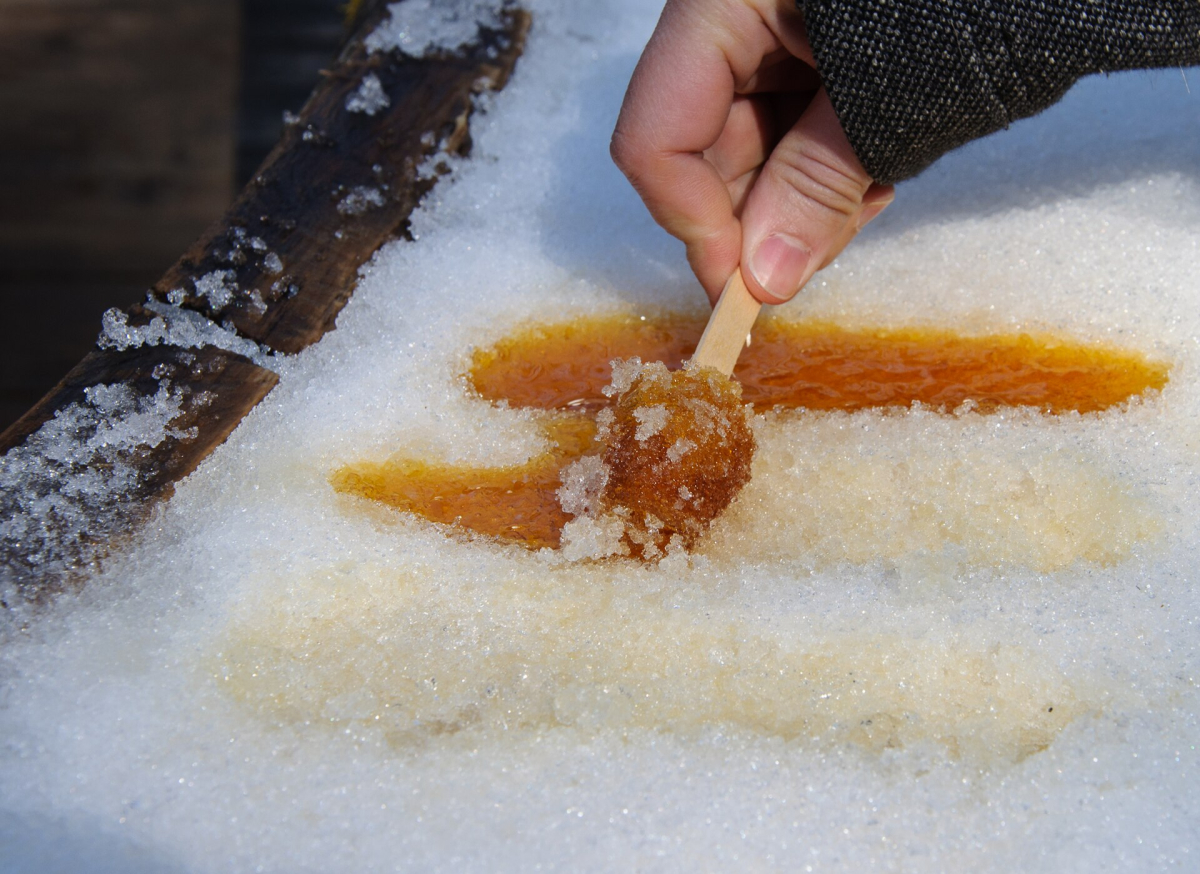
Maple syrup is an ingredient as well as a souvenir. Think about how you will use it: a lighter flavour may suit delicate foods, while a more robust one can work well in cooking. Compare the producer, ingredient list and package rather than buying only by bottle shape. Maple-flavoured sweets and pure maple syrup are different products, so read the label if the ingredient itself is what you want to bring home.
For a sugar-shack outing, check the season, menu, reservation and location before arranging transport. A rural meal is not automatically accessible by city transit, and an operating online shop does not mean the dining room is open that day. Some businesses offer contemporary or seasonal menus beyond the familiar spring meal; follow the actual programme rather than an old photograph. Maple taffy on snow is a particular preparation, not a service available everywhere year-round. For luggage, consider leakage protection, liquid restrictions in cabin baggage and the food rules at your destination.
Ontario baking and market snacks: make room for a small tasting
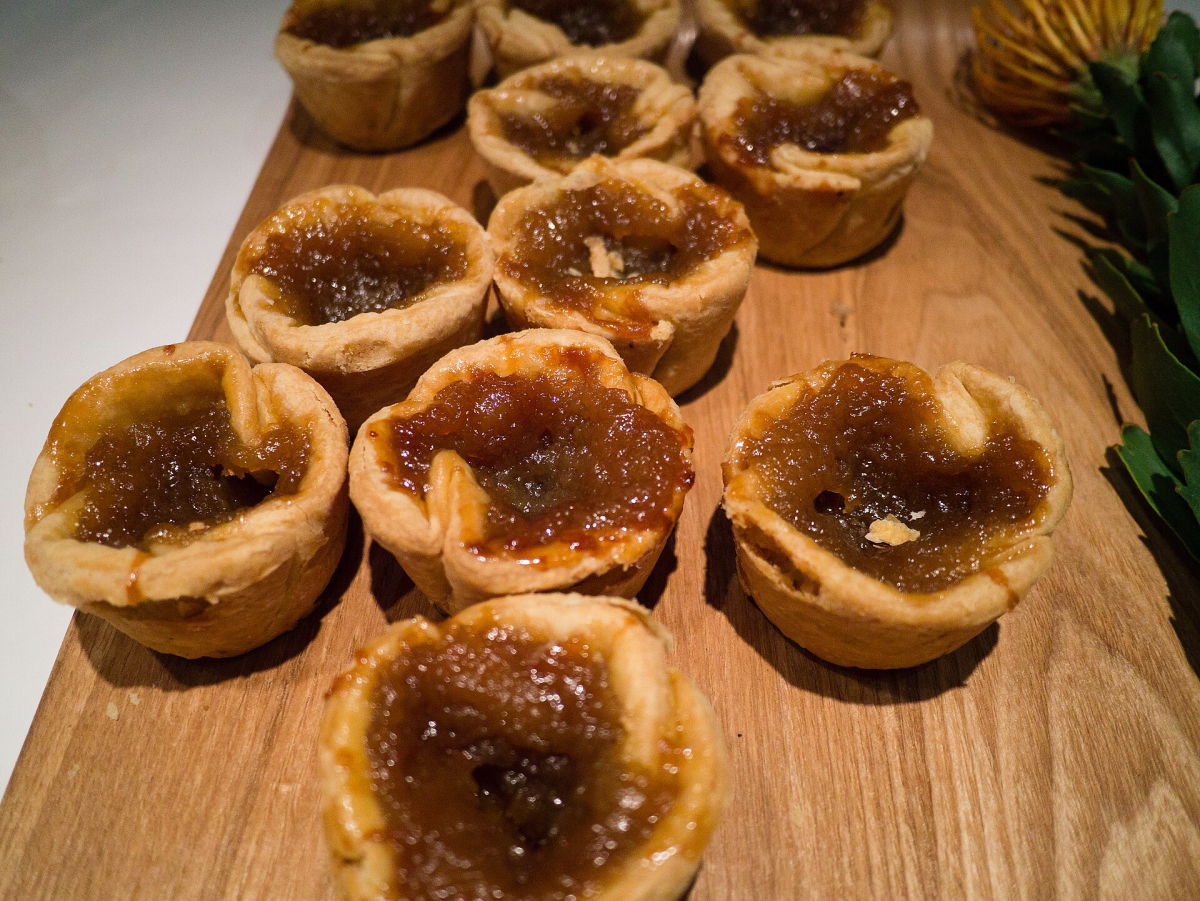
A butter tart is a useful small-scale introduction to Canadian baking: pastry holds a sweet filling, with recipes and preferences varying over texture and additions such as raisins or nuts. Buy one to share if you are comparing bakeries, and ask about ingredients if allergies matter. The point is not to declare one national winner but to notice how pastry, filling and freshness change the result. A sturdy box is more useful than a fragile paper bag when taking baking onto a train.
Toronto’s public markets also make a convenient setting for a sandwich or a collection of smaller foods. A peameal bacon sandwich is a distinctive option for pork eaters, but it need not become a compulsory stop for every visitor. Read the St. Lawrence Market directory and current trading information to choose merchants that match your appetite. Fresh produce, prepared food and a farmers’ market operate differently, so decide whether you want lunch now, picnic ingredients or groceries for an apartment stay.
Atlantic seafood: order the preparation you actually want
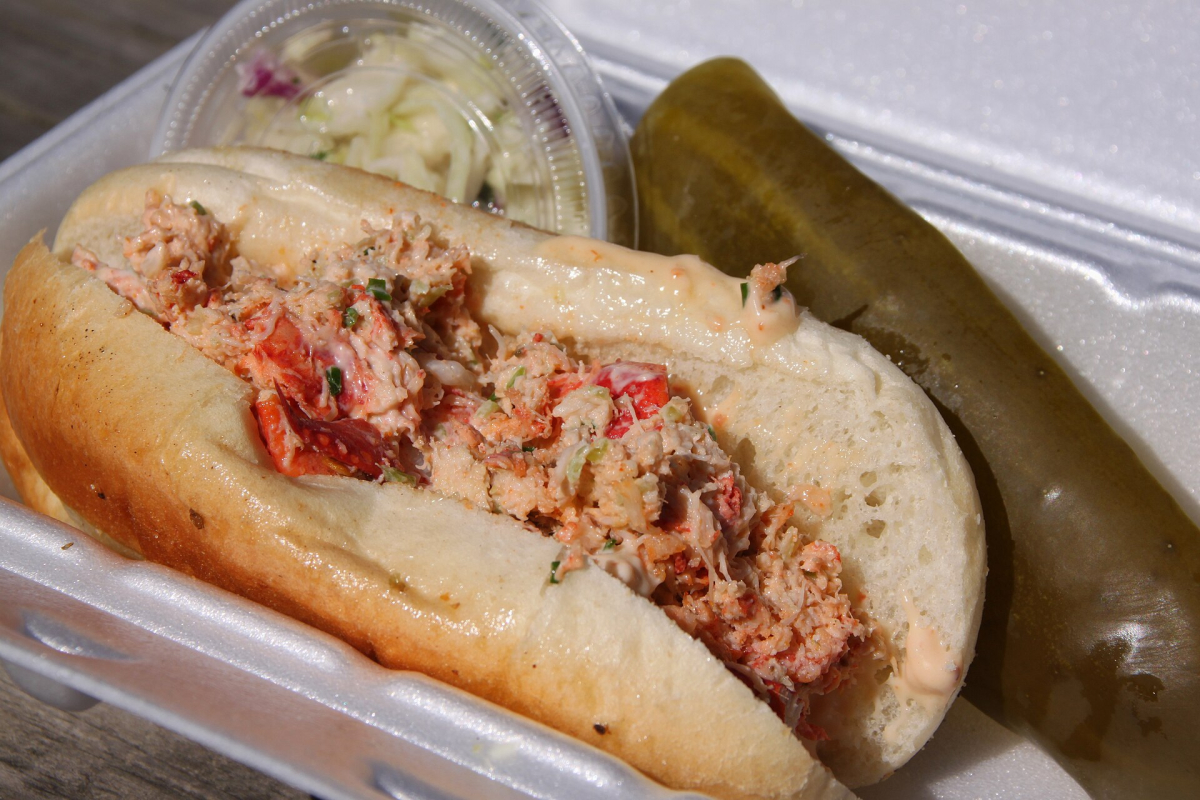
Prince Edward Island is strongly associated with shellfish and farm produce. Mussels, oysters, lobster and potatoes can appear in settings ranging from a casual lunch to a more elaborate dinner. Tourism PEI’s culinary information also makes clear that local food is not only a summer subject. However, an ingredient’s regional reputation does not guarantee that every seasonal restaurant is open on your travel date.
Ask whether a lobster dish is whole, a roll, part of a platter or another preparation; the name alone may not describe the portion or work involved in eating it. For oysters, request the producer or growing area if you want to compare flavours, and choose a cooked alternative when raw shellfish is unsuitable for you. Allergies and cross-contact require a direct kitchen conversation. Do not gather shellfish from a beach as a substitute for buying from an appropriate food business; harvesting rules and safety conditions are separate from whether a shore looks clean.
British Columbia: salmon, produce and a wider Pacific food culture

In British Columbia, ask what fish is on the menu rather than treating salmon as one uniform ingredient. Species, sourcing and preparation change flavour and texture. A smoked product, a raw preparation and a cooked fillet are different eating choices, and travellers with food-safety concerns should discuss the preparation rather than relying on the dish’s reputation. Seasonal vegetables and fruit can provide as much sense of place as an elaborate seafood plate.
Vancouver’s food also reflects the city’s communities and Pacific connections. Leave room for a neighbourhood meal outside a narrow list of national icons: noodles, dumplings, South Asian cooking, bakeries and other everyday choices can be central to the visit. A public market is good for comparing products, while a booked restaurant allows a different pace. Our separate restaurant and market selection explains practical choices without implying that a photographed menu item will always be available.
Indigenous-led dining: follow the host’s own food story
There is no single Indigenous Canadian menu. First Nations, Inuit and Métis food traditions and contemporary businesses are diverse, with distinct lands, histories and ingredients. Choose a host who explains their own work and sourcing, and avoid treating one meal as a complete lesson about every community. Contemporary cooking belongs in this story as much as heritage interpretation; a modern dining room does not make the experience less meaningful.
Salmon n’ Bannock, for example, describes its Vancouver cooking around traditional ingredients used in modern dishes and prioritised Indigenous suppliers. Its menu is the restaurant’s own expression, not a template for all Indigenous food. Bannock can be served in different forms, so read what the particular kitchen offers. Ask politely when you want to understand an unfamiliar ingredient, and respect the distinction between buying a public dining experience and gaining access to private cultural knowledge. Book ahead for a small dining room rather than assuming it can absorb an unplanned large group.
Drinks: choose by flavour, transport and the actual setting
Canadian beer, cider, wine, spirits and alcohol-free drinks offer plenty of regional variation. Ask for a small tasting or a by-the-glass recommendation when you want to understand a producer’s range without ordering too much. A brewery, a winery tasting and a restaurant meal have different booking, age and transport considerations. Rural tasting routes are particularly dependent on a safe return plan; the distance between producers is not an invitation to drive after drinking.
Non-drinkers should look beyond a token soft drink. Tea, coffee, locally produced juices, craft alcohol-free drinks and a thoughtfully made mocktail can all fit a food-focused day. Check whether a tasting menu can offer an alcohol-free pairing and whether the price is separate. Public alcohol rules vary by place, so a bottle purchased legally is not automatically permitted on a beach, in a park or on transport. Follow the specific local rules and venue policy, and arrange a designated driver or suitable transfer before the outing starts.
Ordering, dietary needs and paying without surprises
Use the menu as a starting point for a conversation. Tell staff clearly whether an ingredient is a preference, an intolerance or an allergy, and ask whether the kitchen can safely accommodate it. A dish name does not reveal every stock, sauce, garnish or shared cooking surface. Vegetarian diners should ask about gravy, broth and animal fat in dishes that may otherwise appear plant-based; vegan diners also need to ask about dairy and eggs. If a kitchen cannot give a clear answer, choose another dish or venue.
Read the complete bill: taxes, any stated service charge and optional gratuity can change the final amount from the menu price. Avoid adding a second gratuity by habit if an applicable service charge is already included. For a tasting menu, check the cancellation terms, deposit, beverages and supplements before confirming. Book the meal at a time that works with the day’s transport, and let the restaurant know promptly if plans change. A market lunch can balance a more expensive dinner without sacrificing interest or quality.
Frequently Asked Questions
Is poutine vegetarian?
It can be, but the gravy and toppings need checking. Ask the kitchen about the specific version and any preparation concerns rather than assuming that fries and cheese make the whole dish vegetarian.
Should I book a restaurant every night?
Book the meals that matter most or have limited seating, then leave flexible evenings for markets and neighbourhood discoveries. Confirm opening days, particularly on a rural or seasonal route.
Can I bring Canadian food home?
That depends on the item and the destination’s import rules. Check those rules before buying, especially for meat, dairy, fresh produce and plant material; a sealed package is not automatic permission to import it.