CANADA TRAVEL GUIDE
Getting Around Canada: Trains, Flights, Ferries & Car Rentals
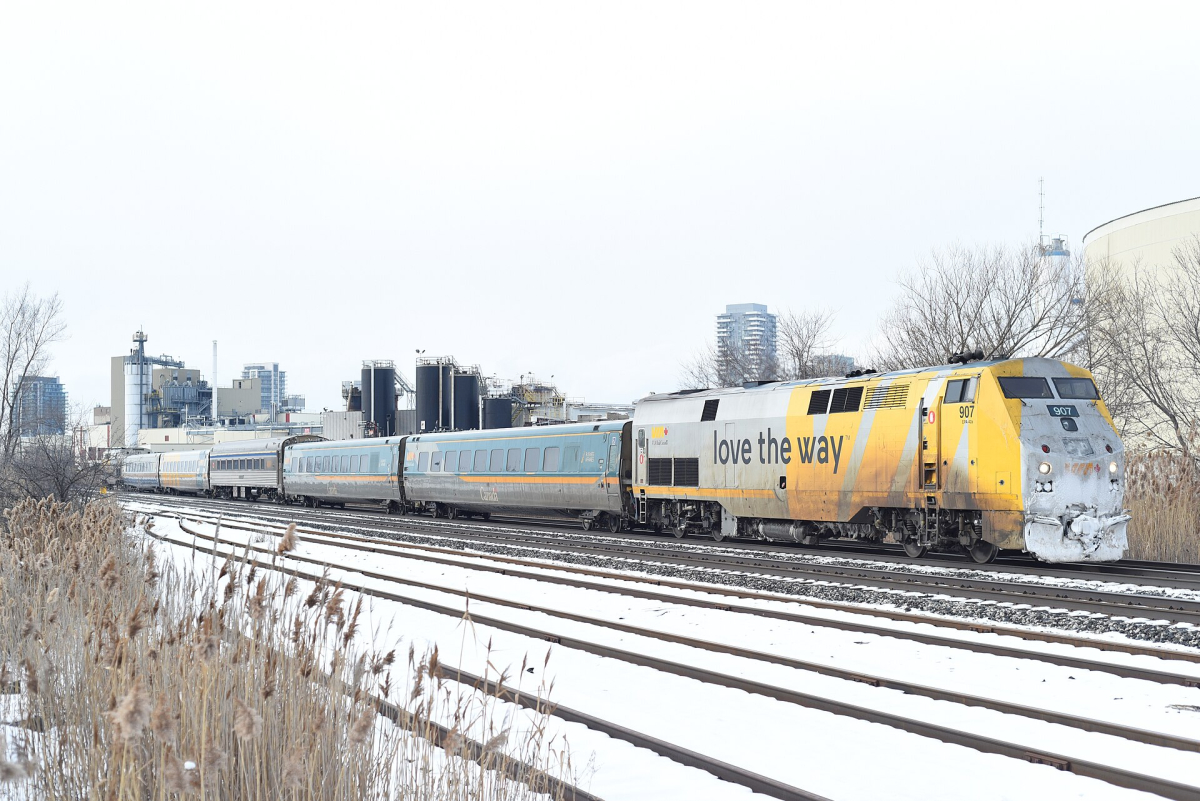
Canada rewards a transport plan built around a region rather than a line drawn across the entire map. Trains can be useful between major eastern cities, flights can make distant regions practical, and a car can open rural routes without being useful every day in a city. Combine modes when each solves a real problem. This guide focuses on the journey after arrival; airport transfers have their own page.
Choose the mode for the actual journey
Compare door-to-door time and total cost for the whole travelling party. A flight’s scheduled time leaves out airport access, security, baggage and the final transfer. A train may connect central locations but still require a taxi to a remote property. A car provides flexibility while adding parking, fuel, insurance and the responsibility for safe driving.
Look at the journey’s purpose. If you want a scenic rail experience, time aboard can be part of the holiday. If you need to move between far-apart regions for a short visit, the same journey may consume too many days. Do not assume one mode should cover the whole itinerary just because it works well for the first segment.
Confirm the service on the actual date before booking accommodation around it. Some regional routes have limited departures or seasonal operations. Separate tickets can leave you responsible for a missed connection, so choose buffers based on the impact of a delay rather than the shortest theoretical transfer.
Trains: the eastern corridor and longer journeys
VIA Rail’s Ontario–Québec services can work well for city-based travel involving Toronto, Ottawa, Montréal and Québec City. Check the specific departure and station: the network is not a single shuttle stopping everywhere at the same frequency. Use VIA’s current schedules and compare the actual arrival with your accommodation’s location and check-in.
Toronto–Montréal is a substantial intercity journey, not a brief commuter hop. VIA’s route page provides current departures and journey details. Check baggage and fare conditions for your class rather than assuming every ticket includes the same luggage or flexibility.
Long-distance trains are a different kind of plan. VIA describes the Toronto–Vancouver Canadian as a multi-day journey, so it should be chosen as an experience with time allocated to it. Do not schedule a critical separately ticketed flight immediately after a long-distance arrival. Check onboard accommodation, meals, accessibility and what you can reach from a stop before reserving a segment.
Flights for distant regions
Domestic flights can make sense when combining distant parts of Canada, but compare the total journey with the time available in each place. A short holiday with several internal flights can leave little usable time after transfers. An open-jaw international ticket may avoid returning to the starting city; price the actual alternative rather than assuming it costs more.
Check baggage, sports-equipment and change rules before selecting the lowest fare. If you are carrying skis, camping equipment or a mobility aid, confirm the airline’s process and limits. Some items used outdoors have special transport restrictions. Do not buy specialist safety equipment assuming it can travel in ordinary baggage.
For northern or remote destinations, ask what happens when weather disrupts service and whether your onward booking is protected. Keep realistic flexibility and the funds for an additional night if necessary. A separate excursion departure may not wait for a late flight. Use the airport guide to work through the ground connections at either end.
Car rentals: useful freedom with real conditions
A rental car is often useful for rural areas, park approaches and a route with several scattered stops. It can be unnecessary during a downtown city stay. Compare renting only for the road segment with keeping a vehicle throughout the holiday, including collection-location hours and the cost of reaching the counter.
Ask for the complete quote: vehicle class, taxes, insurance options, deposit or card hold, mileage terms, additional drivers, one-way charges and any equipment. Confirm the required licence, accepted card and driver-age conditions directly with the rental company. Provincial driving rules and rental eligibility are separate questions; one does not automatically satisfy the other.
Check cross-border, ferry and unpaved-road permissions if they matter to your route. Record the vehicle’s condition at collection and understand fuel or charging return requirements. For winter travel, ask exactly which tyres are fitted and check the requirements for the roads you will use. All-wheel drive does not remove the need for appropriate tyres, judgement and safe stopping distances.
Ontario’s visitor driving guidance distinguishes short and longer visits, while British Columbia provides winter guidance for visitors and rental vehicles. Check the province you will drive in and whether a translation or international driving permit is relevant. Do not assume one national visitor rule covers every licence and duration.
Ferries: the terminal is part of the journey
For Vancouver Island and other coastal routes, a ferry crossing includes more than time on the water. Check the correct terminal, the drive or transit connection to it, the booking conditions and the required check-in window. A reservation for one Vancouver-area terminal cannot be used as if all terminals serve the same route.
BC Ferries booking guidance explains that not every route is reservable and that advance space can sell out. Booked vehicle travel and unbooked travel have different certainty. Read the specific terminal’s check-in rules, and allow for traffic before reaching it; arriving after the cutoff can invalidate the benefit of a reservation.
Foot-passenger travel can be practical if the transport at both ends works. BC Ferries offers advance booking on specified routes, with its foot-passenger page explaining redemption and boarding. Compare bus connections, luggage and the final destination before leaving the car behind. A ferry terminal outside a city is not the same as arriving at its downtown.
Buses, urban transit and the last kilometre
Intercity buses can fill gaps between rail routes, but operators and frequencies vary by region. Use the actual operator’s timetable and stop location rather than assuming every town has a central bus terminal. Check luggage, seasonal days and the final local connection. A service marked for a region may stop at a roadside pickup rather than the town centre.
In major cities, choose accommodation near the transit you will use repeatedly. A day pass is valuable only if its zone, mode and validity fit your journeys. Airport services can have different fare rules. Keep proof of payment and use the same payment method where the operator requires it for transfers or tap-out.
For accessibility, investigate station lifts, boarding arrangements and the last approach to the property. A route can be accessible in normal operation yet difficult during a lift outage or snow event. Ask for the provider’s current arrangements and leave time for an alternative, particularly on a departure day.
Car-free park visits need targeted planning
A car does not automatically solve access to the most popular park locations. Parks Canada states that Moraine Lake Road is closed to personal vehicles. Its Lake Louise and Moraine Lake page describes reserved shuttles and other permitted options. Read the booking and boarding location carefully; a park pass and shuttle ticket are not interchangeable.
When staying without a car, choose a base and excursion that work together. Check the first departure, last return, luggage or stroller rules and the walking distance at the attraction. A timetable that reaches a trailhead does not guarantee enough time for your intended walk and a safe return.
For a multi-day route, map every transport segment before paying for the accommodation. Identify which connections are independent and what you would do if one fails. The itinerary guide offers route structures, while this page helps decide how each move should actually work.
Frequently Asked Questions
Can I travel around Canada without a car?
Yes for many city routes and selected regional trips, but plan the actual connections. Ontario–Québec rail, urban transit and reserved excursions can work well; remote areas may require specialist transport.
Is the train the fastest way across Canada?
No. A transcontinental train is a multi-day experience. Compare it with flying based on the purpose of the trip and the time you want to spend aboard.
Do I need to reserve a Canadian ferry?
It depends on the route and travel type. For BC Ferries, not every route is reservable. Check the current booking and terminal check-in rules for the sailing you intend to use.
Can I drive my rental car to Moraine Lake?
Parks Canada says Moraine Lake Road is closed to personal vehicles. Use an authorised transport option and read its reservation and boarding requirements.