CANADA TRAVEL GUIDE
Shopping in Canada: Local Shops, Markets and Souvenirs
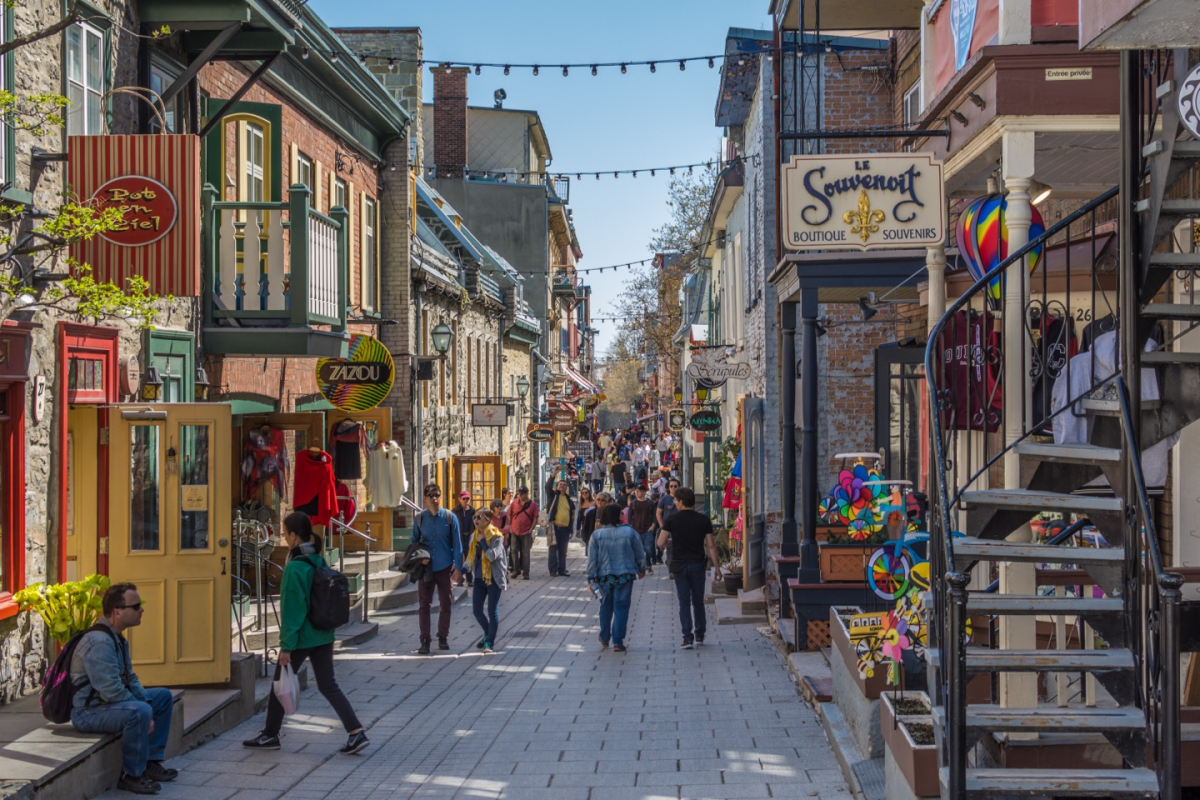
The most useful souvenir has a clear connection to a place or a maker and a sensible way to get home. In Canada that might be a small bottle of syrup from a named Québec producer, a print from a British Columbia craft cooperative or dried dulse bought at an Atlantic market. Start with the cities already on your itinerary, then match the shop to the kind of gift you want. This guide compares actual buying stops and the questions that matter at the counter.
Choose a gift that suits the traveller and the route
Swipe or scroll horizontally to see the full table.
| What to look for | Where to compare | Before you pay |
|---|---|---|
| Maple syrup or maple sugar | Québec producer or specialist shop | Check country of origin, bottle size and packing |
| Pottery, textiles or prints | Granville Island craft shops | Ask who made the piece and whether it can travel flat |
| Work by a named Indigenous artist | Indigenous-owned gallery or verified seller | Record artist, community, material and provenance |
| Dried dulse or a small local craft | Saint John City Market | Check food import rules and the vendor’s trading day |
| Prairie-made design or a small gift | The Forks Market and nearby shops | Confirm who made it and where |
Pick a recipient and a price range before comparing displays. Useful gifts are easier to choose when you know whether someone will cook with the product, wear it or put it on a wall. If two pieces are similar, the maker’s information, reliable packing and a location that fits your route can be worth more than a small saving.
Québec maple products: read the label before choosing
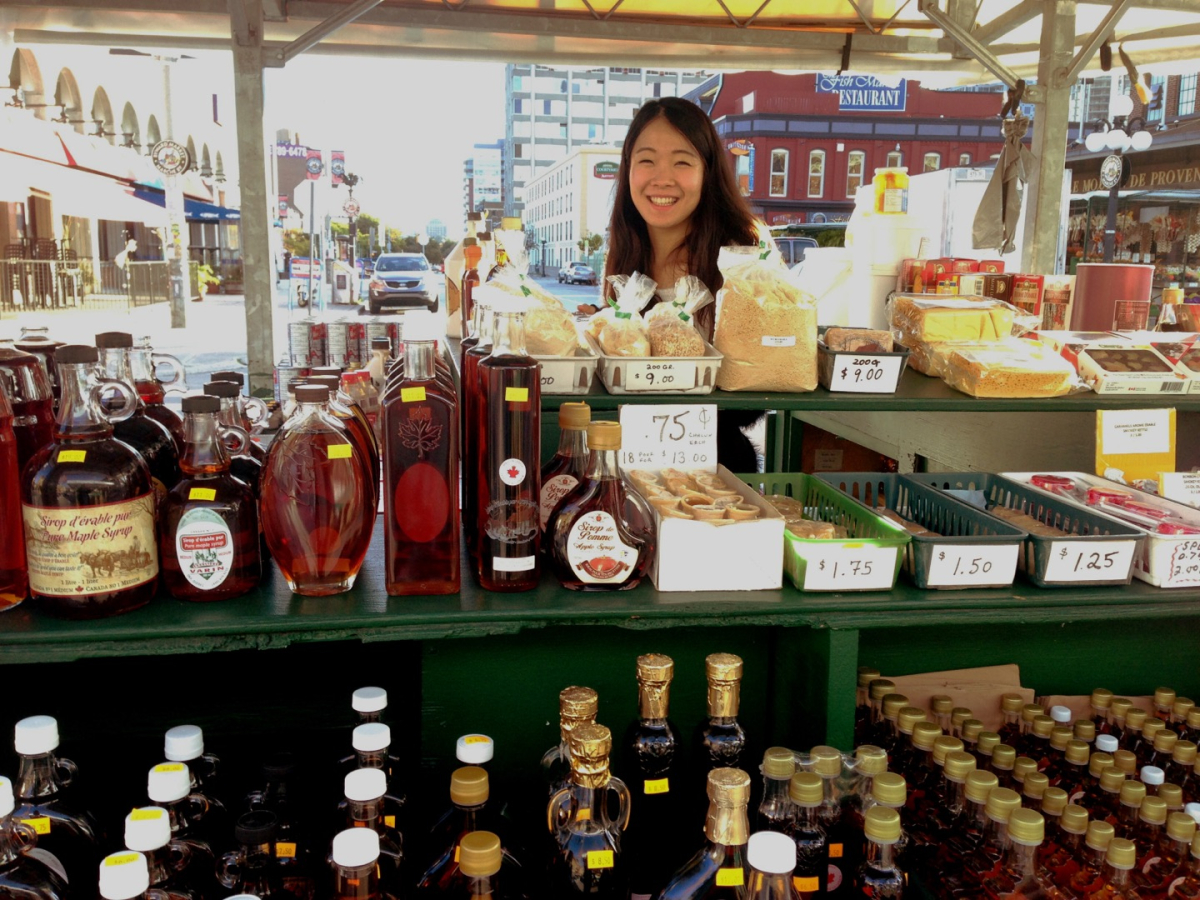
Pure maple syrup is a good gift for someone who cooks. Maple sugar or candy is easier to carry when a heavy bottle would dominate a small bag. For syrup, compare the ingredient list, net quantity, producer and declared country of origin. A Canadian distributor’s address by itself does not tell you where the sap was harvested. The Canadian Food Inspection Agency’s maple labelling guide distinguishes grade, colour class and origin. If two bottles differ mainly in size, compare price per 100 mL rather than the shelf price alone.
For a concrete stop in Québec City, the Petit Champlain cooperative directory lists La Petite Cabane à sucre de Québec among its regional food merchants. Compare a small bottle and a dry product before committing. Look for a sealed container, ingredient information and a size you will actually use. A tasting can tell you which flavour you prefer, but the label is what you will need later if a recipient has an allergy or your destination asks what is inside. The Food & Drink maple section covers tasting and serving choices.
Québec City: shop in Petit Champlain and around Place Royale
Start at Place Royale and follow Rue du Petit-Champlain through the lower town. The cooperative’s merchant directory gives you a way to choose two shops with different specialties before going. Look at work from a named jeweller or printmaker first if you want a gift with a traceable origin. Set aside time for a maple shop separately so you can compare sizes without carrying a bottle through every stop.
Allow around an hour to browse two or three shops as an editorial planning estimate. Small shops set their own hours. Allow more time in winter and check the route if steps, uneven paving or a steep climb would be difficult. If you already have an Old Québec walk planned, put the purchase at the end so you can walk or use your chosen transport back with fewer bags.
Vancouver: choose craft, textiles or art on Granville Island
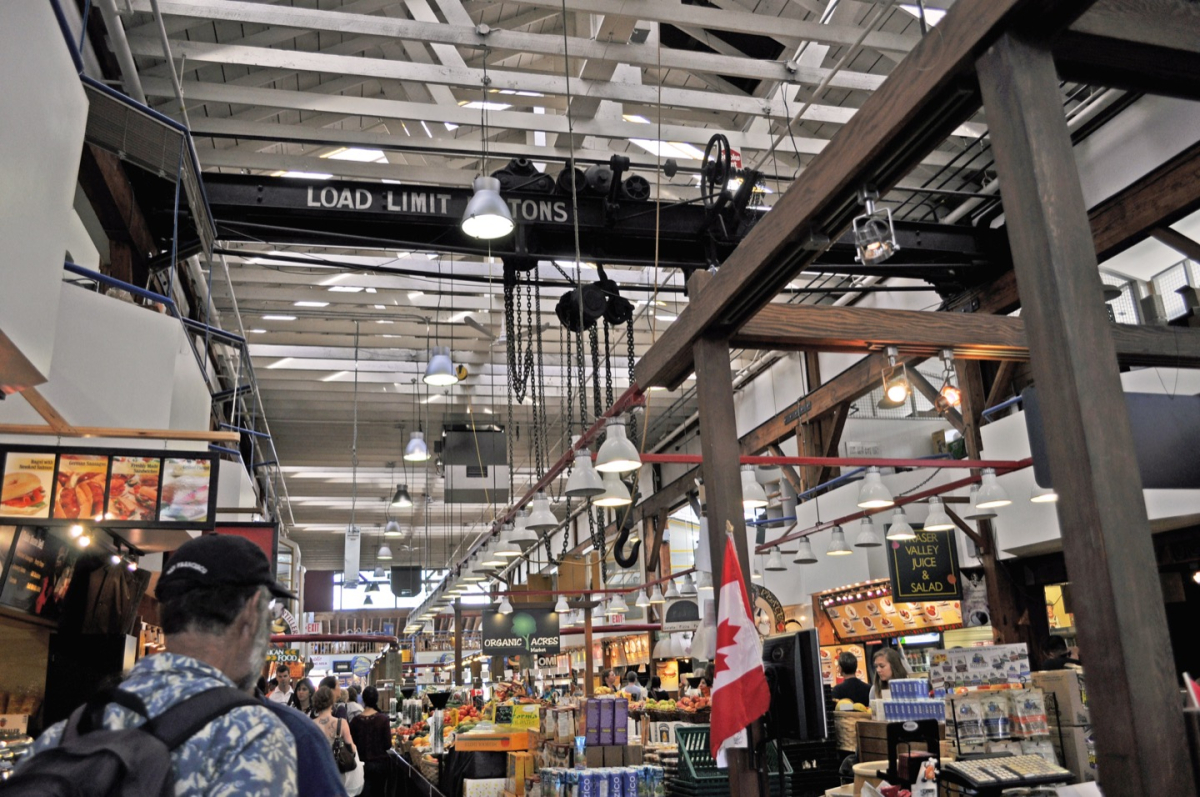
For pottery, jewellery or other craft by identifiable makers, start with Circle Craft in the Net Loft. Ask which part of the piece is handmade, who made it and how to care for it. Compare one small functional piece with a flat print if packing space is tight. Maiwa’s Granville Island location is a separate stop for textiles and supplies. Ask where an individual textile was made, since a shop in Vancouver may carry work from makers elsewhere.
Put the Net Loft and the Public Market into the same outing. Leave a fragile purchase until after you have browsed the market or ask the seller to hold it. If you want an Indigenous-owned gallery, Indigenous Tourism BC lists Wickaninnish Gallery at 1666 Johnston Street. Check the island’s directions and access information and the shops’ own hours before relying on a particular bus, parking space or late opening.
Indigenous art: ask who made the piece and where
First Nations, Inuit and Métis artists work in distinct traditions and contemporary forms. Start with the artist and the work itself. Ask for the name, community, material and, for a print, the edition information. For a substantial purchase, ask the seller to write those details on the receipt or a provenance card. A generic description such as northern art does not identify an artist or establish that a piece is Indigenous-made.
The Inuit Art Foundation explains its Inuit-led Igloo Tag and what the mark covers. It is relevant to Inuit art, while other artists and communities may document their work differently. If a piece includes animal-derived material, ask exactly what it contains and check the rules for your destination before paying. Discuss insured shipping for anything large or fragile. The Responsible Travel guide covers buying from hosts and respecting local protocols.
Winnipeg: compare small gifts and Prairie makers at The Forks
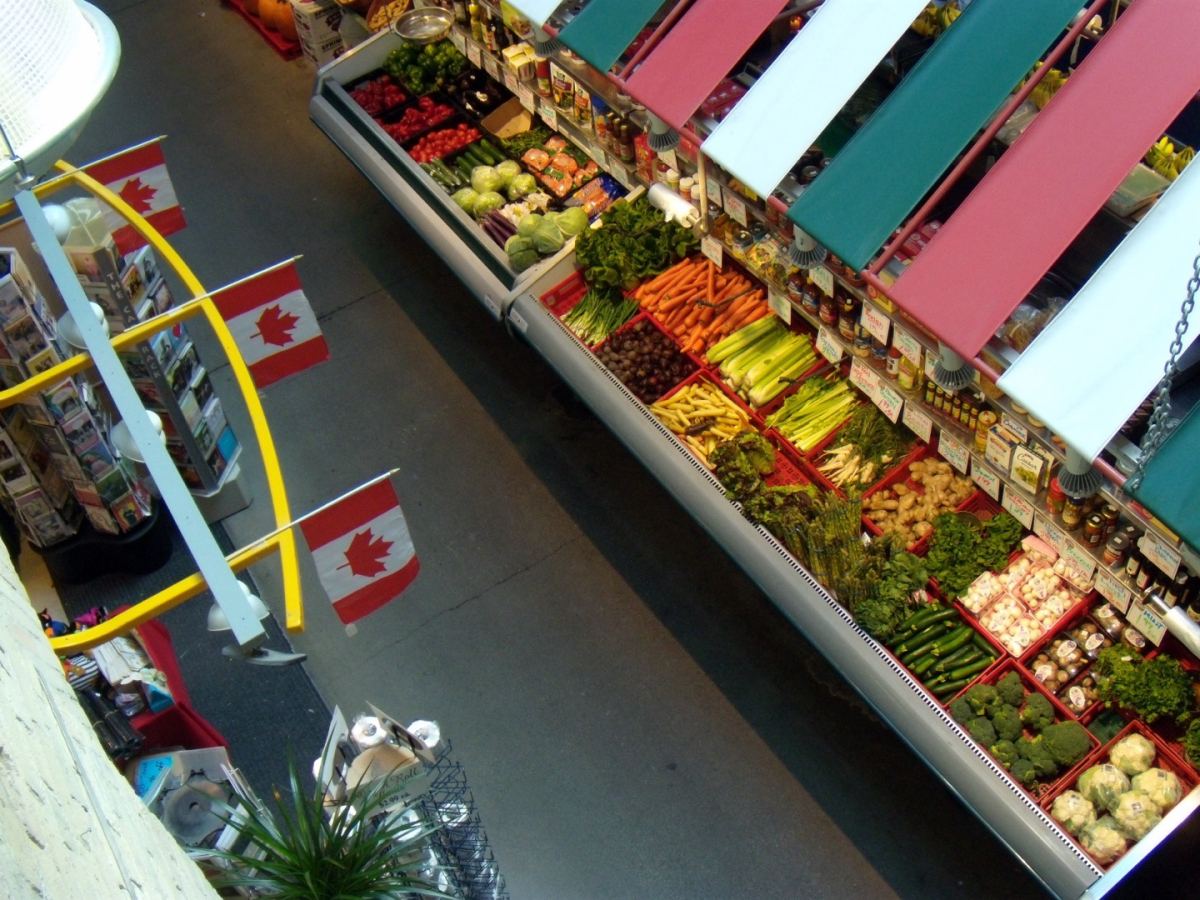
The official shops directory for The Forks is useful when you want several options at one stop. Scan the listings before visiting and choose a local design, print, textile or useful household gift you can compare without needing a car for each shop. Ask the seller where an individual product was made and whether there is a maker’s card, especially when a store mixes locally made pieces with stock from elsewhere.
The Market is at 1 Forks Market Road. Go upstairs for local retail and check the individual shop’s hours, which can differ from the food hall. Fit the stop into a central Winnipeg day. Shop in the Market first, then make a separate check of nearby shops only if you need more choice. If you are travelling by rail or returning to the airport, buy fragile pieces last and ask for a box you can carry without crushing. Save food purchases for later in the day if they need refrigeration.
Saint John: compare dulse and local craft at the City Market

At Saint John City Market, 47 Charlotte Street, start with local food and maker stalls rather than assuming every counter has the same selection. The market lists dulse, a dried seaweed, alongside local crafts. Dulse is a compact food gift when the recipient likes savoury flavours and their destination allows it. Check the packaging, origin and best-before information. A small print or another non-food craft is easier if you are uncertain about import rules.
The market lists regular Monday-to-Saturday trading. Confirm holiday changes and the vendor you need before making a special trip. Pair the visit with time in uptown Saint John. If arriving by ship or on a road trip, keep the market and one nearby shop together instead of crossing the city to collect several souvenirs. Saint John is in New Brunswick. St. John’s in Newfoundland is a different destination.
Pack the purchase before paying
Ask how the shop would send the item itself. A flat print needs a rigid sleeve. Ceramics and glass need a box with padding and should be protected from weight placed on top. If the seller offers shipping, ask for the full price, delivery estimate, insurance and the process for breakage. Keep the receipt and the maker information with the item.
The Canadian Air Transport Security Authority treats maple syrup and other liquid gifts as liquids at security. Check the current cabin limits and any connecting airport’s rules. If you can use checked luggage, protect bottles against leaks and breakage. Food import rules are a separate check at your destination. Compare the tax-inclusive price and luggage or shipping cost before you buy, and use Travel Costs & Money for paying in Canadian dollars.
For an edible gift, keep the original labelled package and choose an unopened size you can use. Keep food separate from soap or fragranced goods. If your bag has a tight weight limit, weigh a glass item with its box or compare it with a lighter alternative before heading to the till.
Frequently Asked Questions
What Canadian souvenir is easiest to carry home?
An unframed print, textile or small piece of jewellery usually takes less room than glass or a carving. Ask for maker details and a protective sleeve. For food gifts, check ingredients and your destination’s import rules first.
Can I take maple syrup through airport security?
CATSA treats syrup as a liquid at Canadian security checkpoints. Check the current cabin rules, including those for any connection. Pack a larger sealed bottle securely in checked luggage if your airline permits it.
How can I check who made a piece of Inuit art?
Ask for the artist’s name, community, medium and a written receipt. The Inuit Art Foundation explains where its Igloo Tag applies. Ask the gallery to document provenance even when a piece does not carry the tag.
Should I visit several markets in one day?
One market and a specialist shop in the same neighbourhood usually give you a better comparison. Save the rest of the day for the place itself, especially if a long transfer separates your bases.