| Place | Allow | Decision before going |
|---|---|---|
| Parliament | About 1–1.5 hours including arrival formalities | Check official tour language, ticket conditions and ID requirements |
| Fisherman’s Bastion / Matthias Church area | About 1.5–2.5 hours | Separate the public terrace, paid areas and church visit |
| Buda Castle district / palace area | About 2–4 hours | Choose a museum and check works affecting routes |
| Dohány Street Synagogue | About 1.5–2 hours | Check religious closures, security and visitor dress requirements |
| Hungarian National Museum | About 2–3 hours | Choose the exhibition and verify the visiting day |
| Heroes’ Square / City Park edge | About 1–2 hours outdoors | Add more time for a museum or park activity |
Hungarian Parliament Building
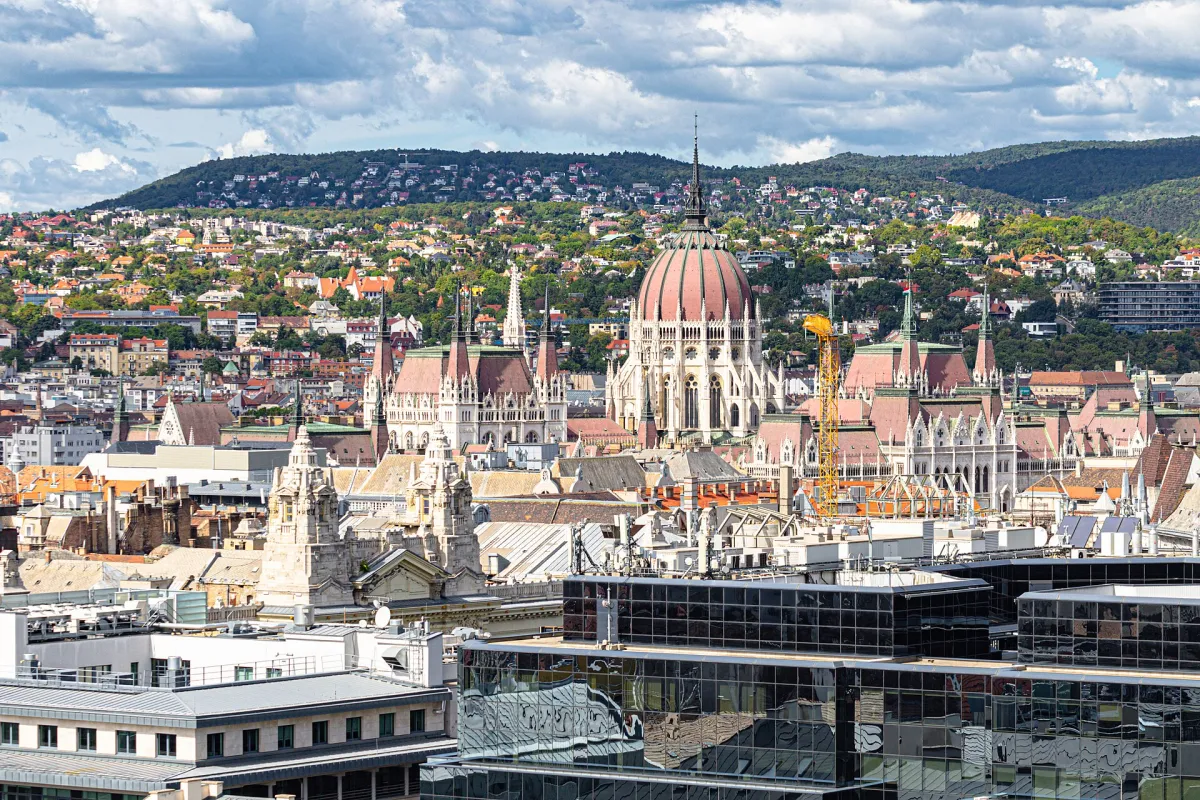
Choose Parliament if the building’s interior and the working institutions behind the skyline interest you. Use the official visitor centre rather than assuming every reseller offers the same ticket. Check the language, the people covered by the ticket, required documents and arrival instructions before paying.
An exterior riverside walk is a separate option and does not require buying a building tour. Leave room for security procedures and avoid placing a second timed booking immediately afterwards on the opposite bank.
Fisherman’s Bastion and the Matthias Church area
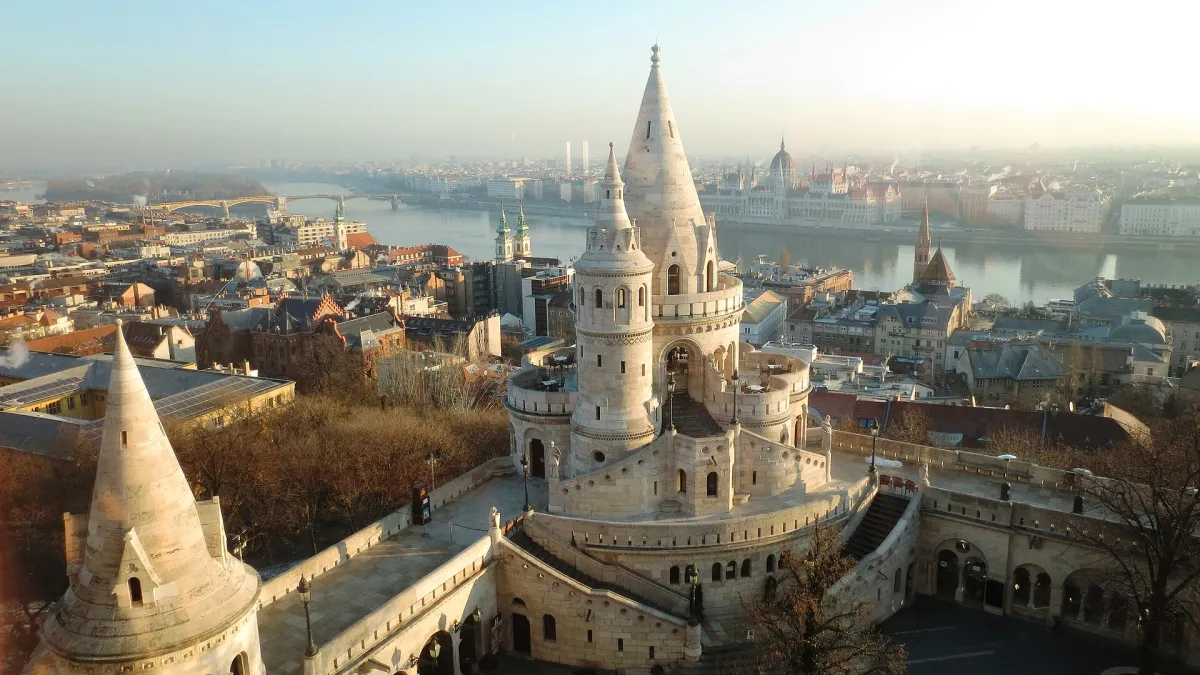
This is the compact Castle District choice for arcades, skyline views and a church visit. Fisherman’s Bastion’s medieval-looking forms belong to a later viewing terrace. Treat the lower public spaces, upper terrace access and Matthias Church admission as separate checks; free access to one part does not imply every area is free.
Expect steps, narrow viewpoints and busy passages. Plan the bus or walking ascent to suit your group and keep tripod legs and pushchairs out of the through route. Services and visitor conditions can affect church access.
Buda Castle and its museum choices
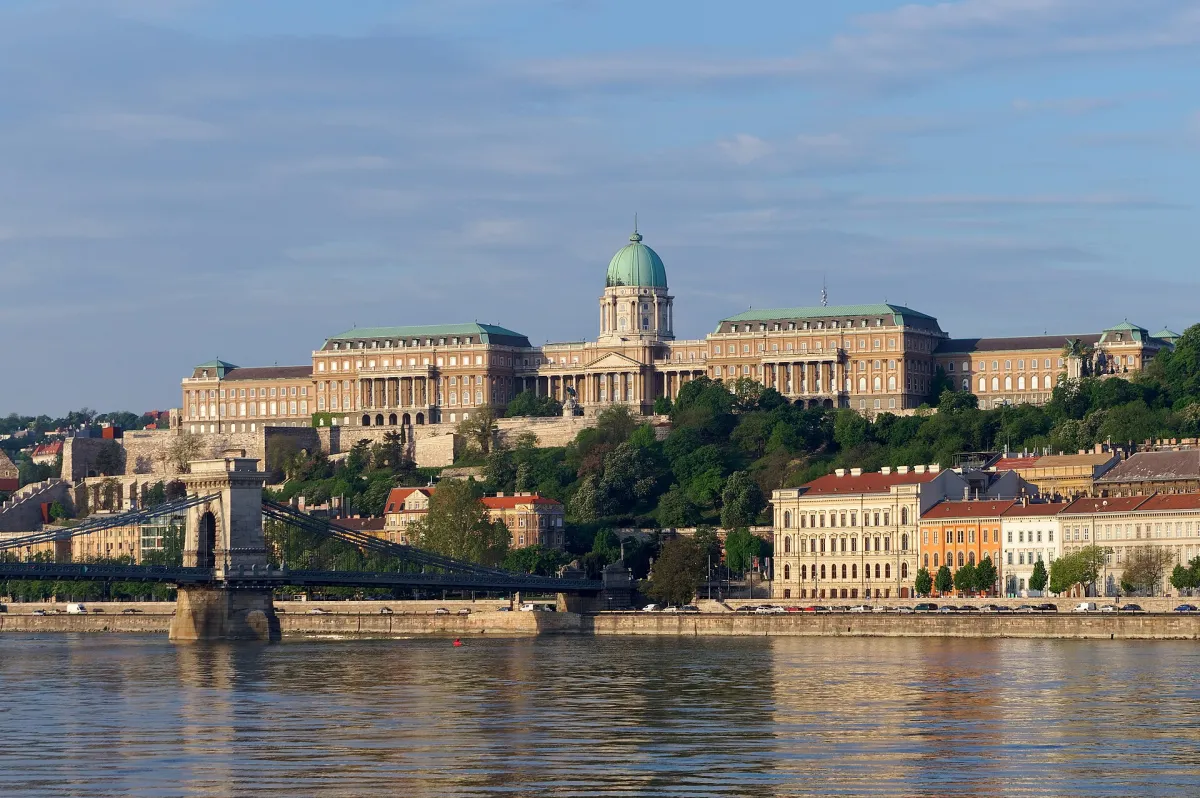
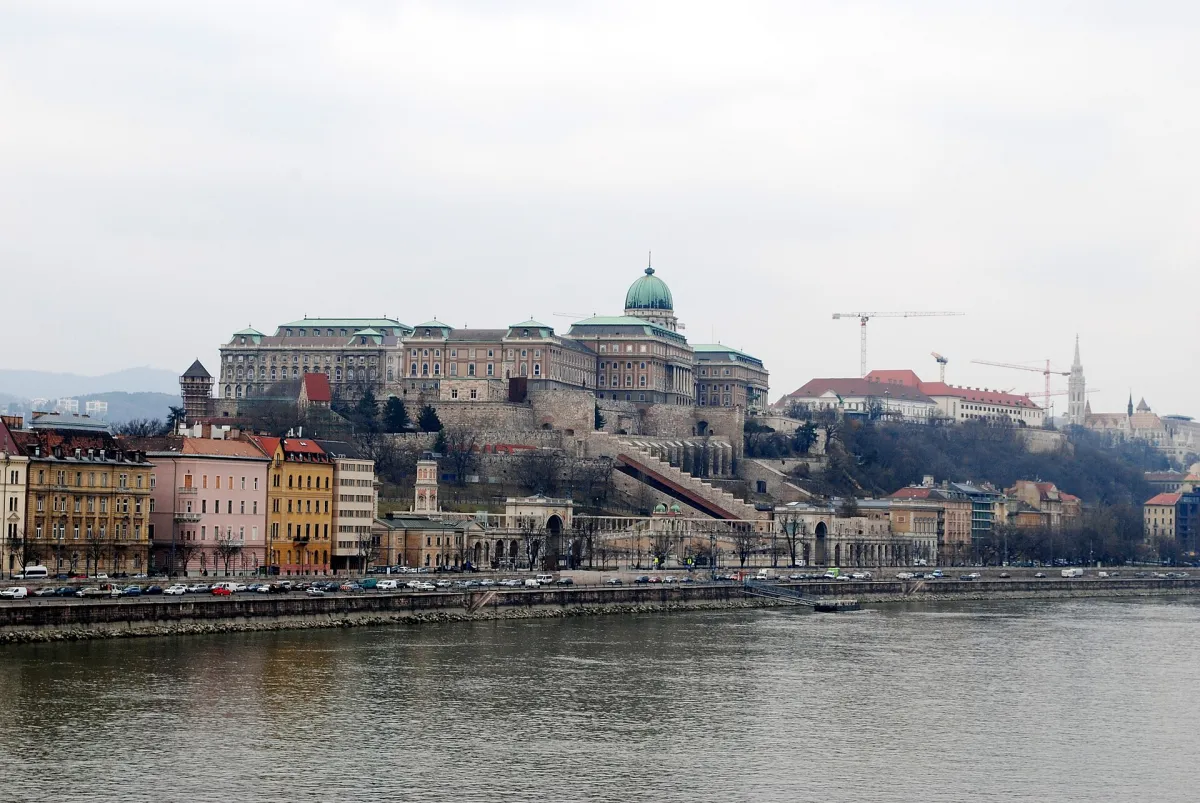
The palace area is a district-scale visit, not one interchangeable castle ticket. Decide whether you want the grounds and views, a historical collection or an art exhibition. Restoration and construction can change pedestrian routes; a historic photograph should not be used as a current access diagram.
Use the museum’s current venue and entrance information for the exhibition you have selected. The history guide explains the city’s layers without turning this page into a second history article.
Dohány Street Synagogue
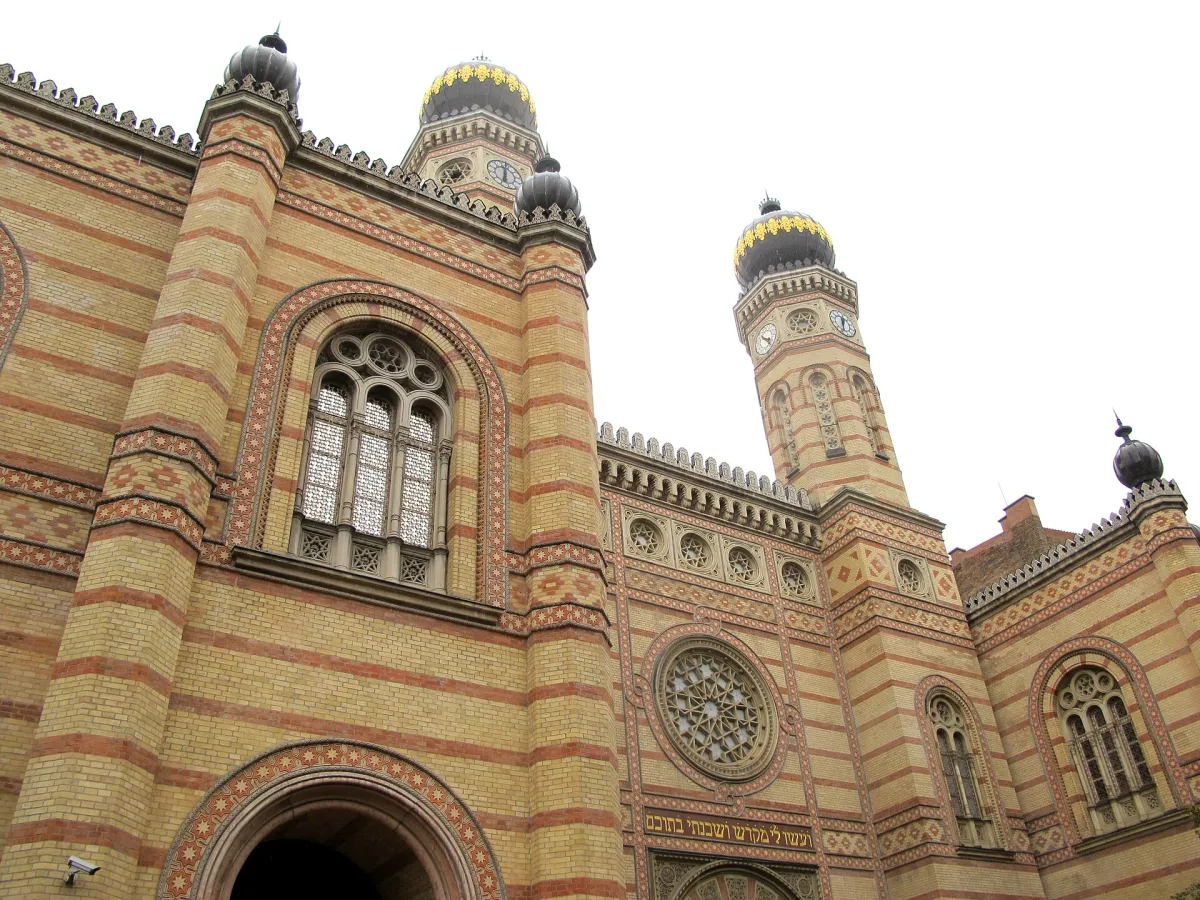
Visit for Jewish heritage and remembrance as well as architecture. Consult the official visitor information for the religious calendar, security and clothing rules. A closed tourist visiting day cannot be solved by arriving early, and a bar route through the quarter is not a substitute for understanding the synagogue and memorial spaces.
Allow time for the material and keep behaviour appropriate to a religious and commemorative site. Check what a ticket includes; a nearby synagogue or a general Jewish Quarter tour is not automatically admission to this complex.
Hungarian National Museum
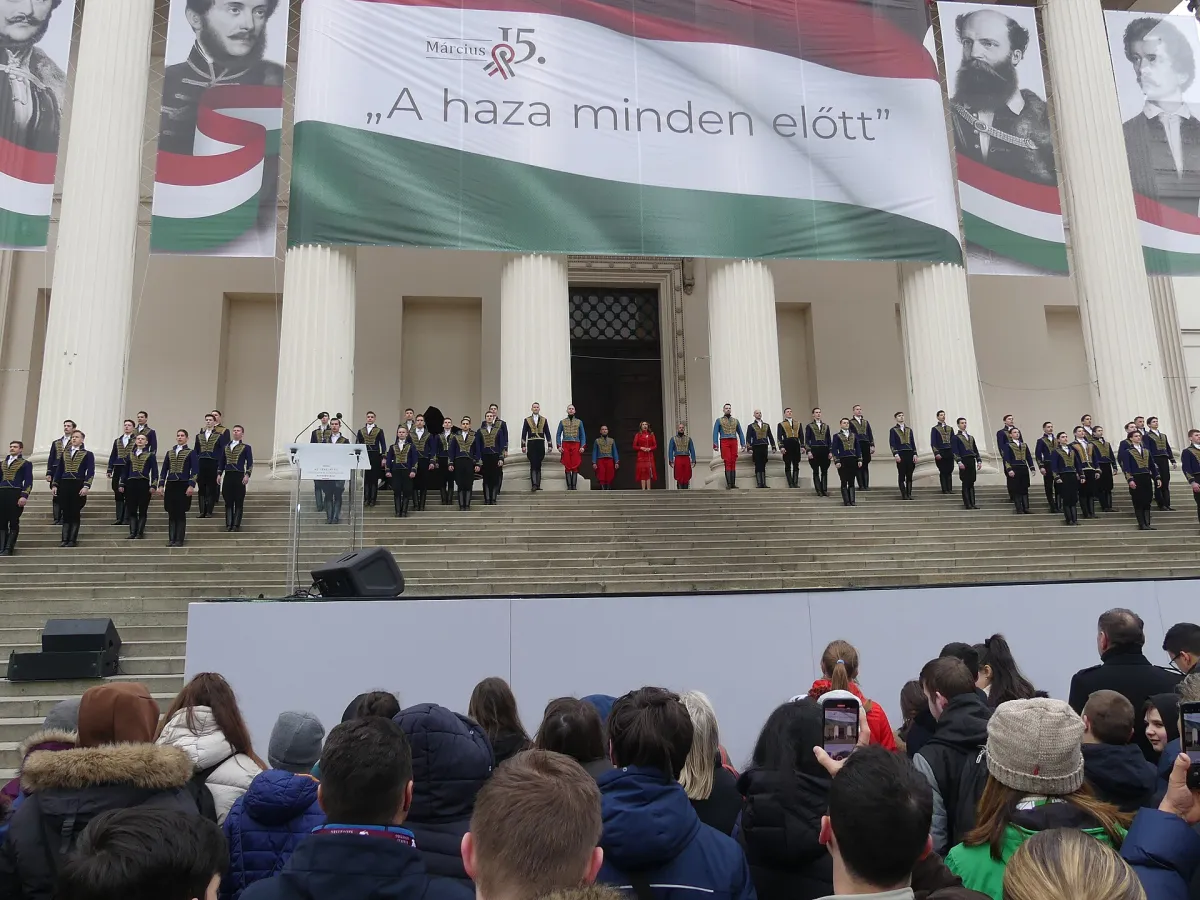
Choose this museum when your main question is Hungarian history rather than a quick view of a famous building. Start with the current exhibition information and decide how much time you want to spend inside. The garden and exterior can fit a shorter market-area walk, but that is a different experience from the collections.
Combine the visit geographically with the Kálvin tér and market area. Avoid assigning several hours to the museum and then treating a distant City Park booking as the next short stop.
Heroes’ Square and the City Park edge
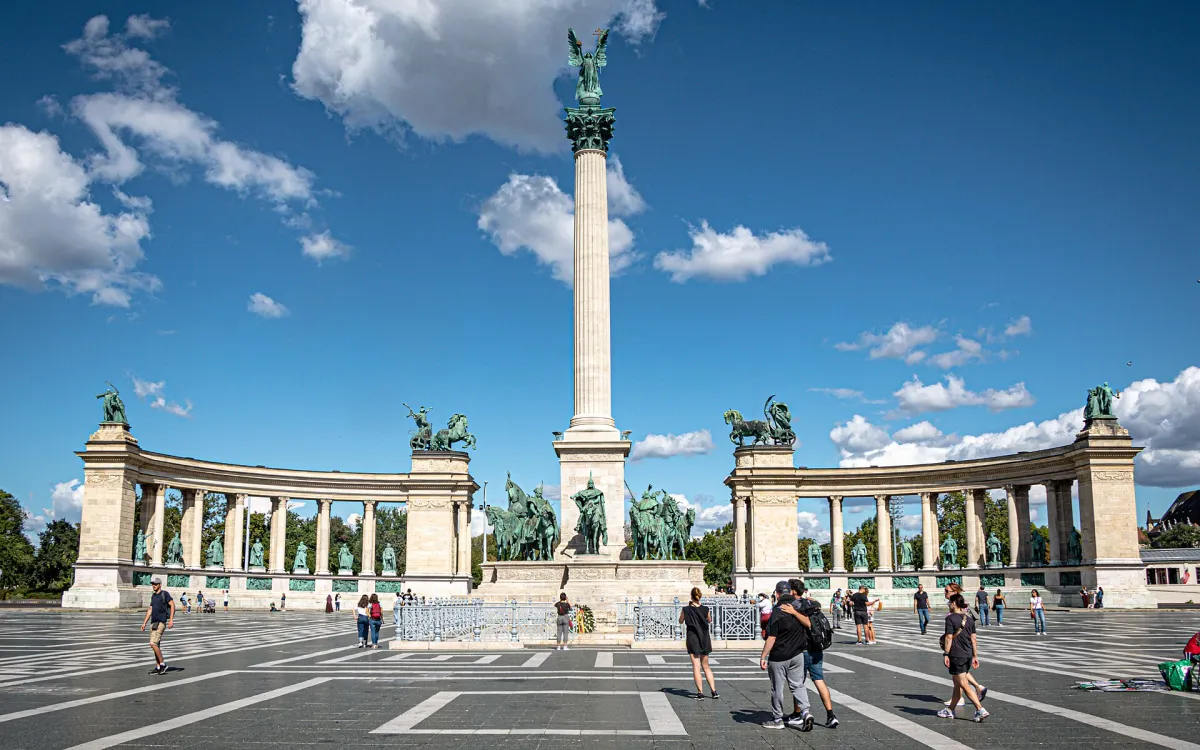
Heroes’ Square introduces the broad avenue-to-park part of Budapest. Use it as a starting point for a park walk or an art museum visit, rather than a rushed detour between riverfront appointments. The large open space offers little shelter in poor weather.
A nearby bath, museum, playground or concert venue needs its own time and ticket decision. Follow the parks and outdoor section for the walking choices instead of repeating the same place list.
Museums & Culture: choose a collection
Budapest’s museums tell different stories. Choose the question you want a visit to answer: how Hungary’s history unfolded, how its painters saw the country, how everyday objects carry cultural meaning, or how music can be experienced through listening and play. One well-chosen collection usually adds more to a short trip than rushing through several museum entrances.
| If you are interested in… | Choose | Suggested time inside |
|---|---|---|
| European painting, antiquities and grand museum interiors | Museum of Fine Arts, by Heroes’ Square | 2–3 hours; choose one collection first |
| Hungarian painting and its visual culture | Hungarian National Gallery, Buda Castle | 2–3 hours, plus the hill approach |
| Objects, traditions and everyday life in Hungary and beyond | Museum of Ethnography, City Park edge | 1.5–2.5 hours |
| Listening, music history and interactive experiences | House of Music Hungary, City Park | 1.5–2 hours for an exhibition; add separately booked activities |
| Hungarian history and archaeology | Hungarian National Museum, Museum Boulevard | 2–3 hours |
| Jewish heritage and remembrance | Dohány Street visitor complex | 1.5–2 hours, depending on ticket and tour |
Museum of Fine Arts: European art and extraordinary interiors
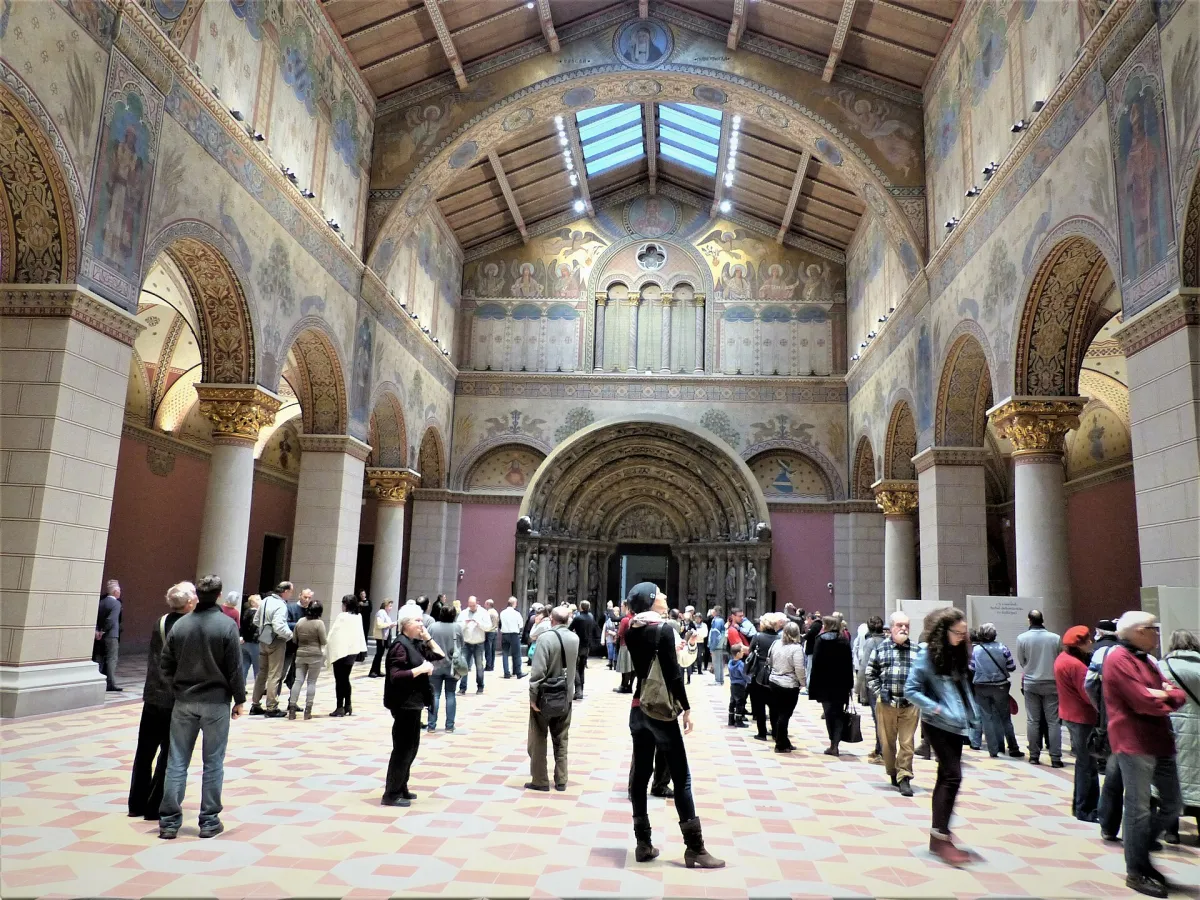
Choose the Museum of Fine Arts (Szépművészeti Múzeum) if you want European painting, sculpture or the ancient world. Its European Art 1250–1600 display offers a manageable focus within a much larger institution: look for the differences between Italian Renaissance painting and the northern European schools rather than trying to absorb every room. The museum also presents Egyptian and classical antiquities, so a visit need not be only about paintings.
The Romanesque Hall is a reason to look at the museum building as well as its collections. Its decorated arches and monumental interior reward a slower pause; the photograph here records the hall’s 2018 reopening, rather than guaranteeing today’s furniture, crowds or access. Pick a priority collection, then add the hall if it is accessible on your visiting day. The museum’s official collection page and current visitor notices distinguish the displays and special opening arrangements.
Hungarian National Gallery: see the country through its artists
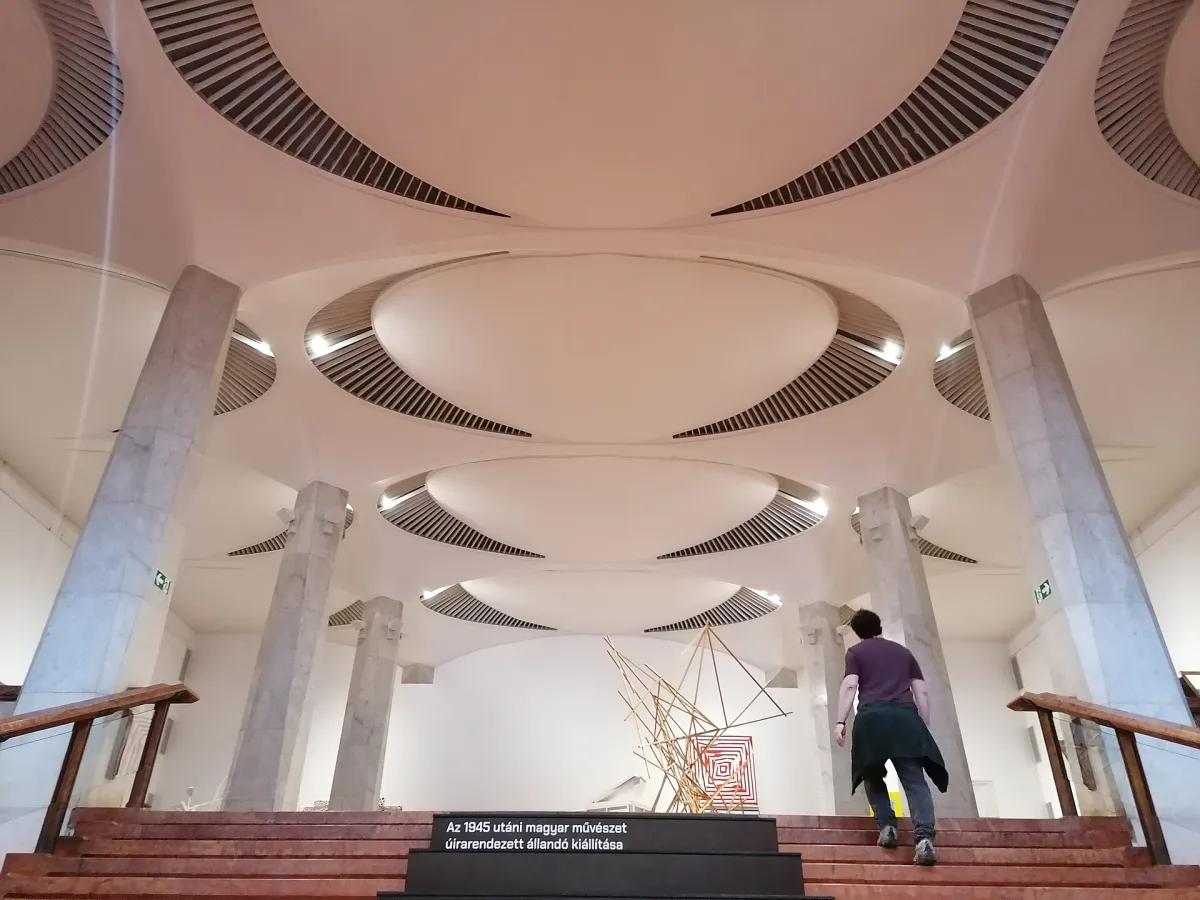
The Hungarian National Gallery (Magyar Nemzeti Galéria) is the more focused choice when you want Hungarian art rather than a broad survey of European masters. A landscape, a portrait and a scene of daily life offer different ways into the country’s visual culture. Spend time with a few works and their labels: who is represented, what kind of place is being pictured, and whether the scene is an observation, an ideal or a social argument.
The gallery’s official virtual exhibition on realism, from Munkácsy to Mednyánszky is useful preparation for this kind of looking. It is a collection resource, not a promise that the same exhibition or every illustrated work is currently on view. Plan the museum as part of a Castle District block and check the gallery’s current visitor information for the actual entrance, open rooms and access arrangements. The staircase photograph is from 2024; it does not establish a step-free route or current installation layout.
Museum of Ethnography: objects with stories beyond the display case
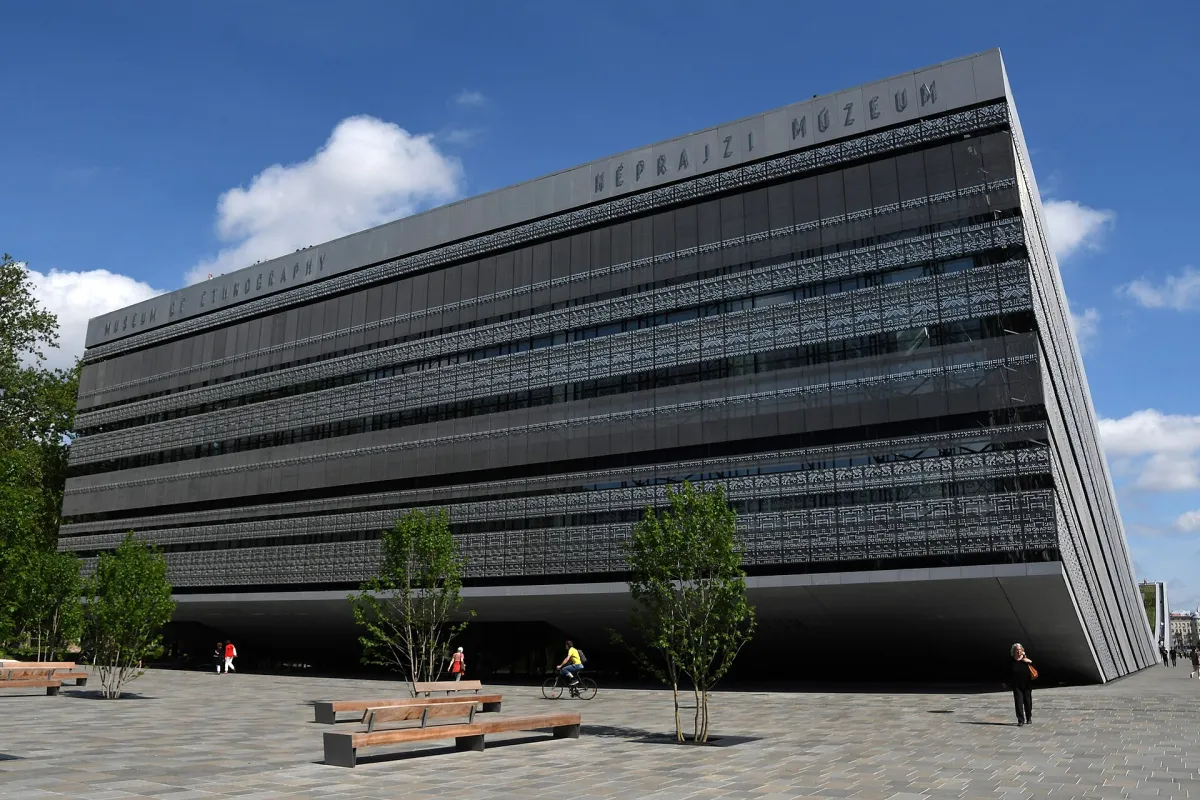
At the Museum of Ethnography (Néprajzi Múzeum), the useful question is how an object was used and what it meant to the people who made or owned it. Its collection exhibition brings Hungarian and international material together in eight themes, using objects, photographs and multimedia. Clothing, furniture, ceramics and recordings can reveal family life, belief, work and the way museums themselves collect and interpret culture.
The building opened beside City Park in 2022; do not follow an old guide to the former Kossuth Square venue. Allow time to read the stories, rather than treating the patterned façade and roof garden as the whole visit. Families can ask about the exhibition’s family guide and choose a small number of themes. The official collection exhibition description explains the focus; check ticketed exhibitions and the public spaces separately.
House of Music Hungary: make listening the main activity
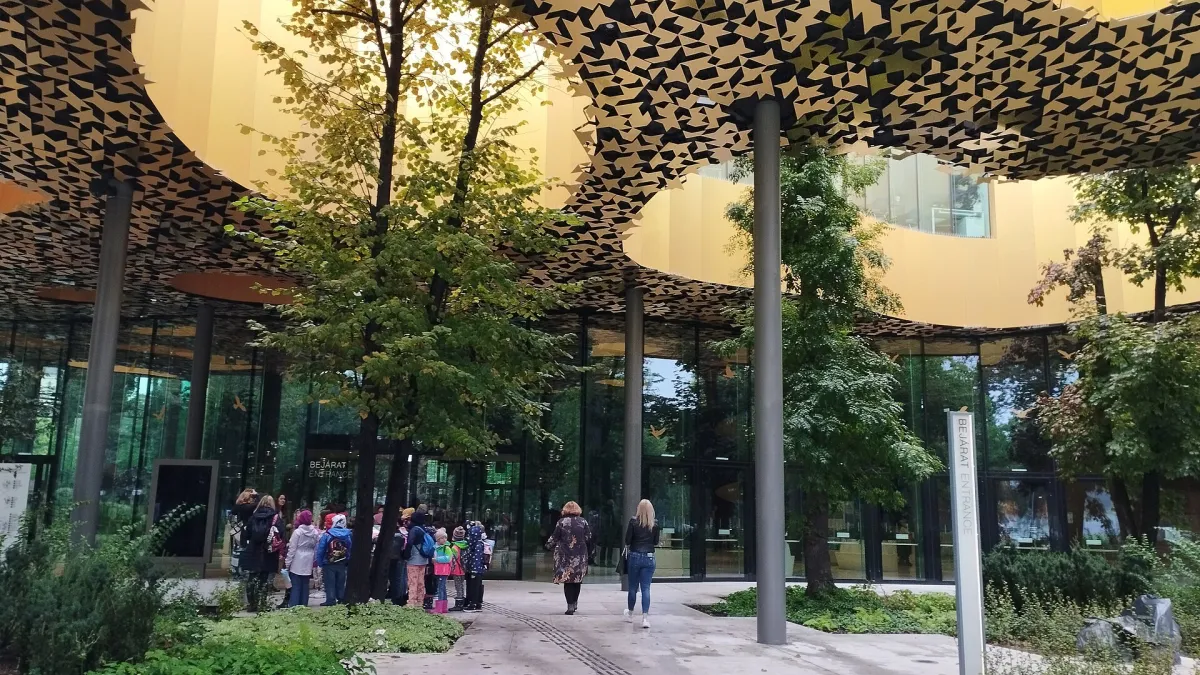
The House of Music Hungary (Magyar Zene Háza) suits visitors who would enjoy a listening experience alongside visual art and history. Its Sound Dimensions permanent exhibition follows European and Hungarian music through sound and interactive interpretation. The surrounding trees and perforated canopy make the approach distinctive, but seeing the architecture is a different experience from entering an exhibition or attending a performance.
Choose the component you actually want. The permanent exhibition, Sound Dome screenings, Creative Sound Space and concerts have their own arrangements; one admission should not be assumed to include all of them. The Creative Sound Space is a hands-on option with separately ticketed sessions; read the selected session’s duration before booking. For families, decide how much concentrated listening or group activity suits your children, and check the language and time slot. Use the permanent exhibition information, Creative Sound Space details and current opening information before booking.
History and Jewish heritage: allow time for context
Choose the Hungarian National Museum when historical events and the objects behind them are your priority. It fits a Museum Boulevard and Kálvin tér day more naturally than a dash between two City Park bookings. A garden or façade visit can be enjoyable, but it does not replace time with an exhibition.
For Jewish heritage, the Dohány Street Synagogue section explains the visitor complex and the separate checks for admission, religious closures and respectful access. Give commemorative spaces time and attention. A general walk through the Jewish Quarter, a museum display and a synagogue visit each serve a different purpose; verify what the selected ticket actually includes.
Build a cultural half-day around one area
- City Park, art focus: make the Museum of Fine Arts the main visit, then pause at Heroes’ Square or walk into the park. Add another museum only if you still want a substantial indoor block.
- City Park, everyday culture or sound: choose the Museum of Ethnography or House of Music as the anchor. A second timed ticket needs a realistic gap for lunch, walking and an unhurried first visit.
- Buda, Hungarian art: pair the National Gallery with the Castle District. Check the hill approach and return route before placing a performance on the opposite bank later that evening.
- Central Pest, history and heritage: choose the National Museum or a Jewish heritage visit as the priority, then explore the neighbouring streets. Both deserve more than a quick exterior stop.
Tickets, families and access: the checks that change the plan
Compare permanent-collection admission with temporary-exhibition and timed-entry tickets. A museum closing time is not the last admission time, and a regular weekly timetable may change for a public holiday. Before buying a city pass, check the exact institution, exhibition, discount and reservation requirement; do not count a benefit you will not use. No fixed ticket prices are quoted here.
For a wheelchair, pushchair or limited walking stamina, confirm the whole route: street entrance, security or cloakroom, lift, exhibition floor and accessible toilet. Ask about the facilities you need rather than relying on a staircase photograph or a general access symbol. For children, choose one engaging collection or activity, plan a break and confirm any programme’s age guidance. The accessibility guide and family planning section help with those decisions.
If you want culture after the galleries close, choose a real programme at the Opera, Müpa or another venue that matches your interests. A building tour, rehearsal and performance are separate bookings. The Festivals & Events guide helps place a dated programme in the trip; Nightlife covers the wider evening choices.
Sources & planning updates
Practical information checked on 16 October 2026. Recheck opening times, temporary closures and the conditions for your travel date with the relevant operator.
- Official Parliament visitor centre
- Budapestinfo official attraction guide
- Hungarian National Museum
- Official synagogue visitor information
- Museum of Fine Arts: European Art 1250–1600
- Hungarian National Gallery: official virtual collection
- Museum of Ethnography: collection exhibition
- House of Music Hungary: permanent exhibition
- House of Music Hungary: Creative Sound Space
- House of Music Hungary: current hours