
HUNGARY · BUDAPEST GUIDE
Shopping in Budapest: Markets, Gifts & Design
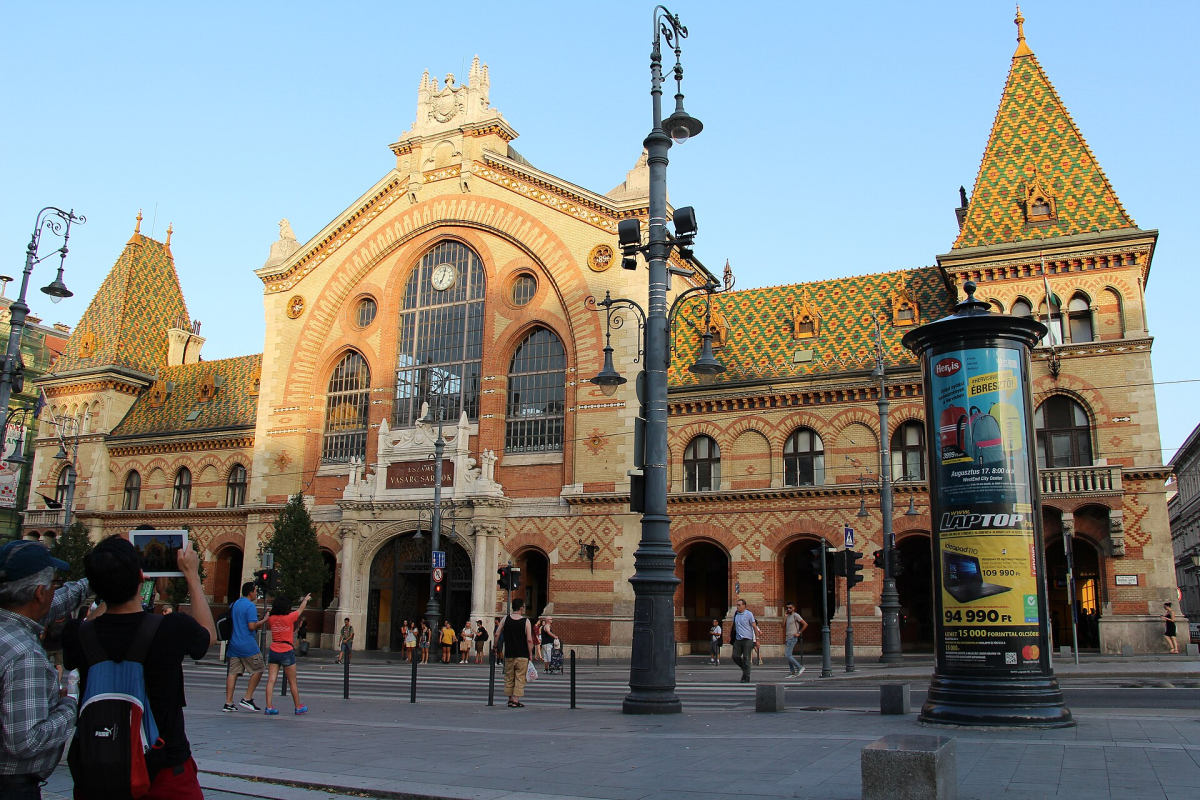
Decide what you want to buy before choosing the shopping area. Food gifts, Hungarian design and general high-street browsing lead to different places and questions. A souvenir’s location in a Budapest shop is not proof that it was made in Hungary.
Where to browse
| Place / area | Useful for | Decision to make |
|---|---|---|
| Central Market Hall | Paprika, packaged foods and a market atmosphere | Compare weight, ingredients, origin and the total price |
| Váci Street and nearby central streets | Convenient browsing alongside sightseeing | Separate general retail from locally made products |
| Andrássy Avenue area | Avenue architecture and established fashion retail | Choose the shop intentionally; not every stop is a local maker |
| Independent design and temporary markets | Gifts with a named designer or maker | Check the actual event date, maker and payment terms |
Food gifts: paprika and beyond
For paprika, check whether it is sweet or hot, the producer, package size and ingredient information. Compare the unit price rather than the decorative container alone. For wine, sweets or preserved foods, ask what storage is required and whether the packaging will survive your journey.
Before buying meat, dairy, plants, seeds or other restricted products, check the rules of the country you are taking them into. Airline liquid limits and customs rules are separate questions. A shop’s willingness to sell something does not establish that you may import it.
Design, craft and provenance
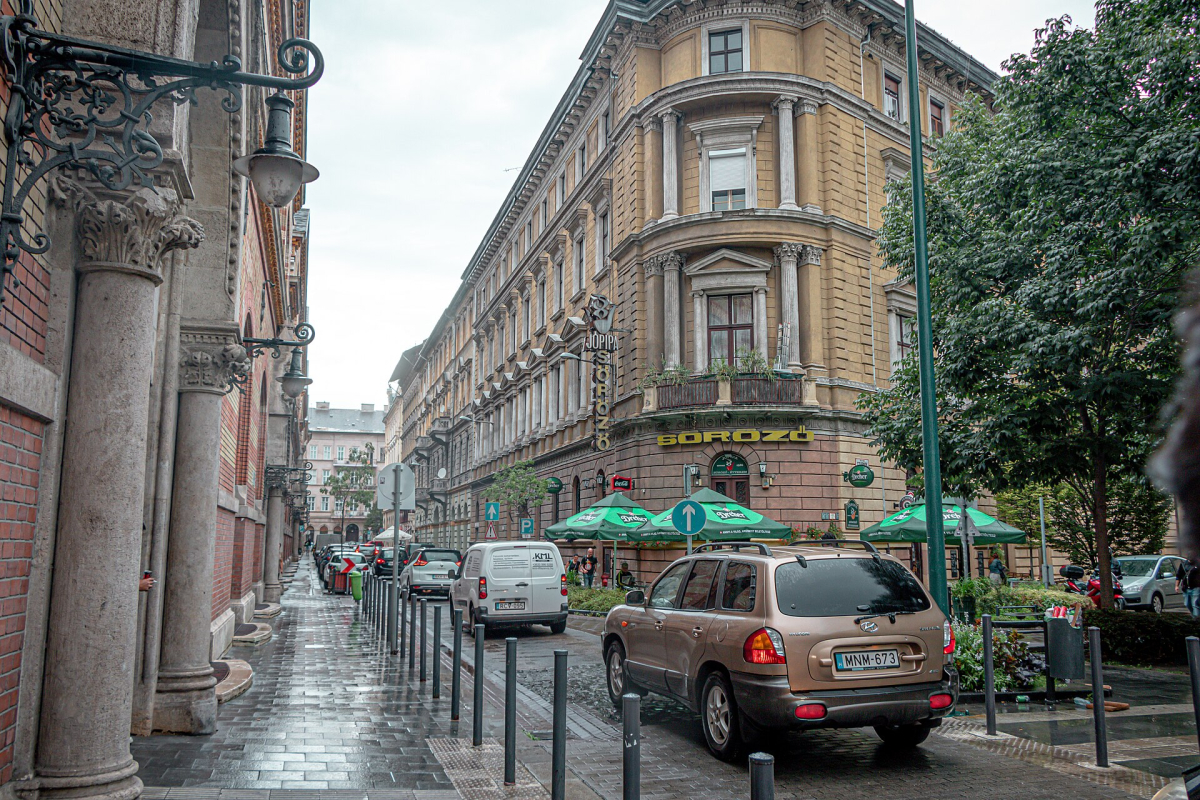
Ask who made an item and where. A named designer, workshop or maker’s label gives you a better basis for a choice than a generic “traditional” claim. If buying fragile ceramics or glass, ask about protective packing and any practical way to transport it safely.
At a temporary market, verify the current organiser and location before making a special journey. An old social post can describe an event that has moved or ended. Avoid claiming that every object in a central market is handmade or locally produced.
Fit shopping into the route
Combine the Central Market Hall with the nearby river or National Museum area rather than travelling back across the city just to collect a small gift. Buy perishable or bulky items toward the end of the day. Check individual stall hours; the hall’s opening time does not promise every counter is trading.
For a café or meal while browsing, use Food & Drink. For the wider allowance, use Travel Costs & Longer Stays. Do not turn shopping time into a second paid-attraction schedule unless a specific craft workshop is the point of the visit.
Payment and purchase checks
Check the final price, currency and return conditions before paying, particularly for a high-value purchase. Keep the receipt and do not assume tourist-market returns work like an online order. Choose the payment method and currency deliberately; read any conversion offer before accepting it.
Keep bags secure in crowded aisles, ask before photographing stalls or people, and leave room for regular shoppers. The Responsible Travel guide connects shopping choices with neighbourhood life and local businesses.
Sources & planning updates
Practical information checked on 16 October 2026. Recheck opening times, temporary closures and the conditions for your travel date with the relevant operator.

.jpg)
