
HUNGARY · BUDAPEST GUIDE
Getting Around Budapest
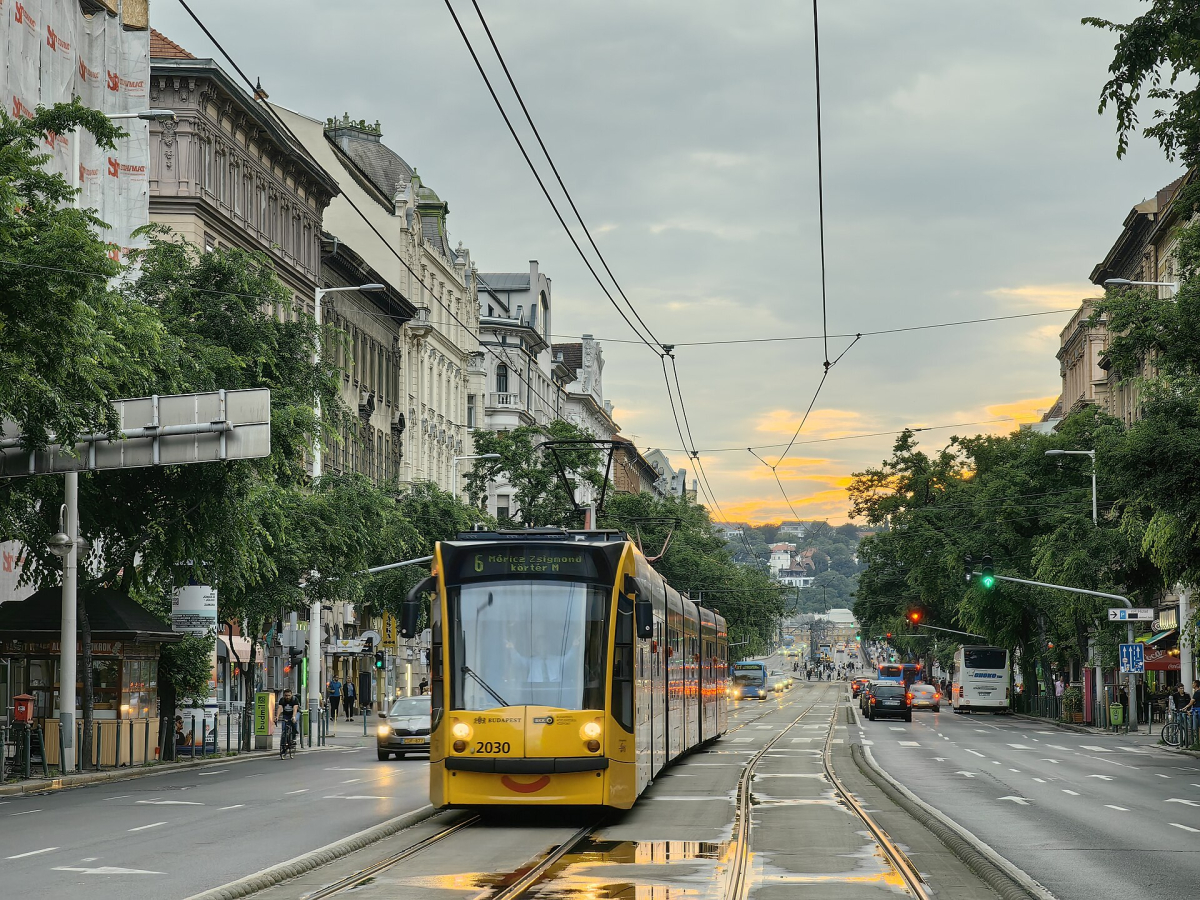
Walk within one sightseeing cluster and use public transport to connect the clusters. That approach is easier than either buying a ticket for every short street or walking across the entire city between timed visits. BKK’s BudapestGO planner combines route planning with ticket purchases; the route you choose and the ticket you buy still need to match.
Choose tickets for the journeys you will make
Single tickets suit limited travel when you understand the transfer rules. Time-based mobile tickets can suit journeys involving transfers. Travelcards reduce the need to count each ordinary ride during their validity. The cost guide contains the current comparison; use BKK’s product page for the rules and any concession you intend to claim.
A city transport product is not automatically valid on special tourist services or the Airport Express. Treat the funicular, heritage services and 100E as separate checks. Do not assume a Budapest Card covers every activity that appears in a brochure.
Validation: the step visitors most often overlook
Buying a single ticket does not always make it ready for use. Validate a paper single at the appropriate machine before the metro journey or on boarding a surface vehicle. Keep it until the journey is finished and you have left the controlled area. For a mobile ticket, follow the app’s code-scanning or validation instructions and be ready to show the active ticket to staff.
A regular single is for one continuous journey under the product rules. Transfers between metro lines can be allowed without buying another single; leaving the system and starting a separate journey is different. Bus-to-tram or bus-to-metro transfers are not generally included in one regular single. A time-based ticket has its own validation conditions. Read the current instructions rather than copying another passenger’s actions.
How the network helps a visitor
| Journey type | Useful approach | Caution |
|---|---|---|
| Central Pest | Walk short distances; use metro or tram for longer gaps | Crowded intersections can add more time than the map suggests |
| Castle District | Plan the hill approach and the descent separately | A scenic walk may include steps and cobbles |
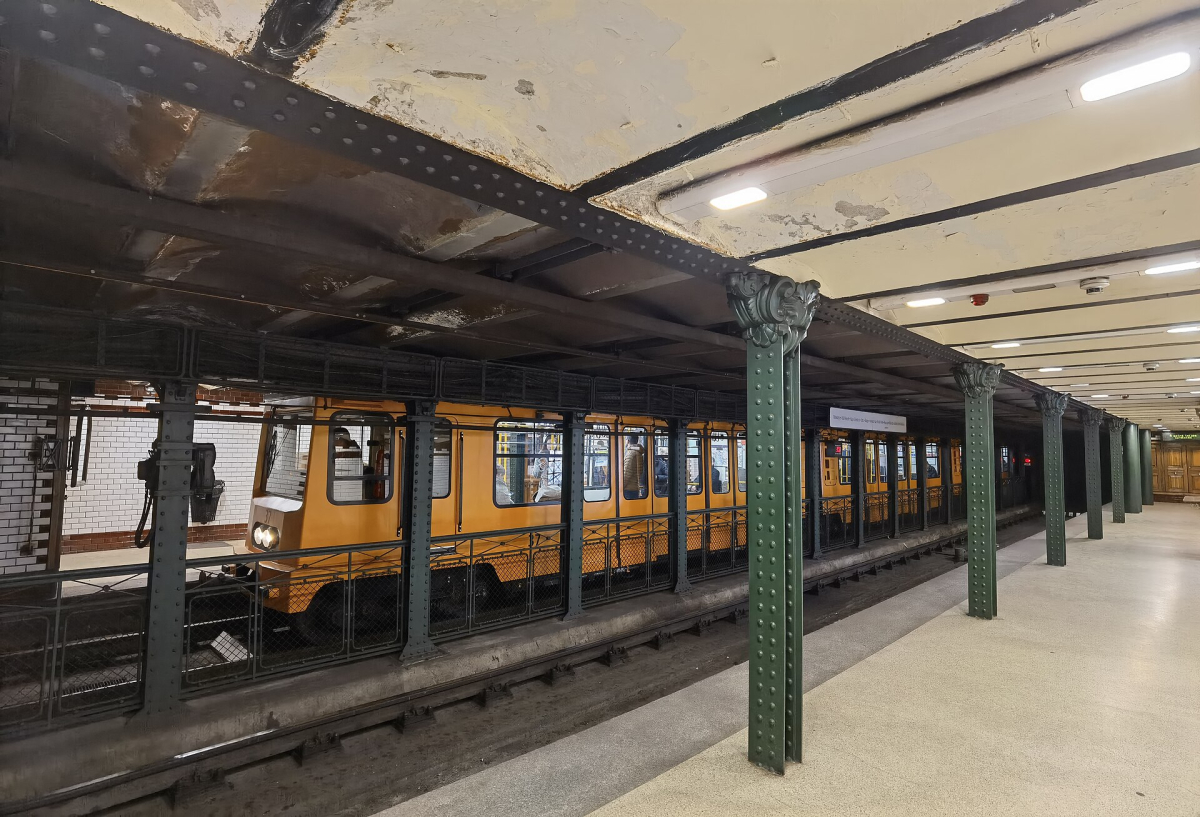
| City Park and Andrássy Avenue | Combine the avenue and the park as one block | Historic M1 stations are not a universal step-free option |
| River viewpoints | Choose a stop near the right bank and facing direction | Not every riverside tram or stop has the same access |
| Night return | Use the live planner for the exact date and hour | Daytime metro assumptions do not apply all night |
Step-free journeys and luggage
Check the station entrances, lift status, vehicle and destination pavement as one chain. A low-floor vehicle does not solve a staircase at a station or a steep hotel approach. Leave more transfer time with luggage or a pushchair and avoid placing bags across doors or accessible spaces.
The Accessibility page explains the questions to ask before a trip. The airport guide handles terminal arrival separately, including 100E and the regular-fare 200E connection.
Taxis, cycling and cars
For a taxi, use a recognised dispatcher or booking app and check the vehicle and destination before you leave. Do not accept a promised price from an unsolicited approach as if it were the official fare. For cycling, choose a route with a comfortable level of traffic and understand the rental scheme and parking rules first.
A central hire car adds parking and city-driving decisions to a trip that public transport can often cover. If you need one for travel beyond the city, compare the full rental terms, toll requirements and return location; do not interpret a city-card benefit as insurance coverage.
Sources & planning updates
Practical information checked on 16 October 2026. Recheck opening times, temporary closures and the conditions for your travel date with the relevant operator.


