HUNGARY · BUDAPEST GUIDE
Budapest History & Culture
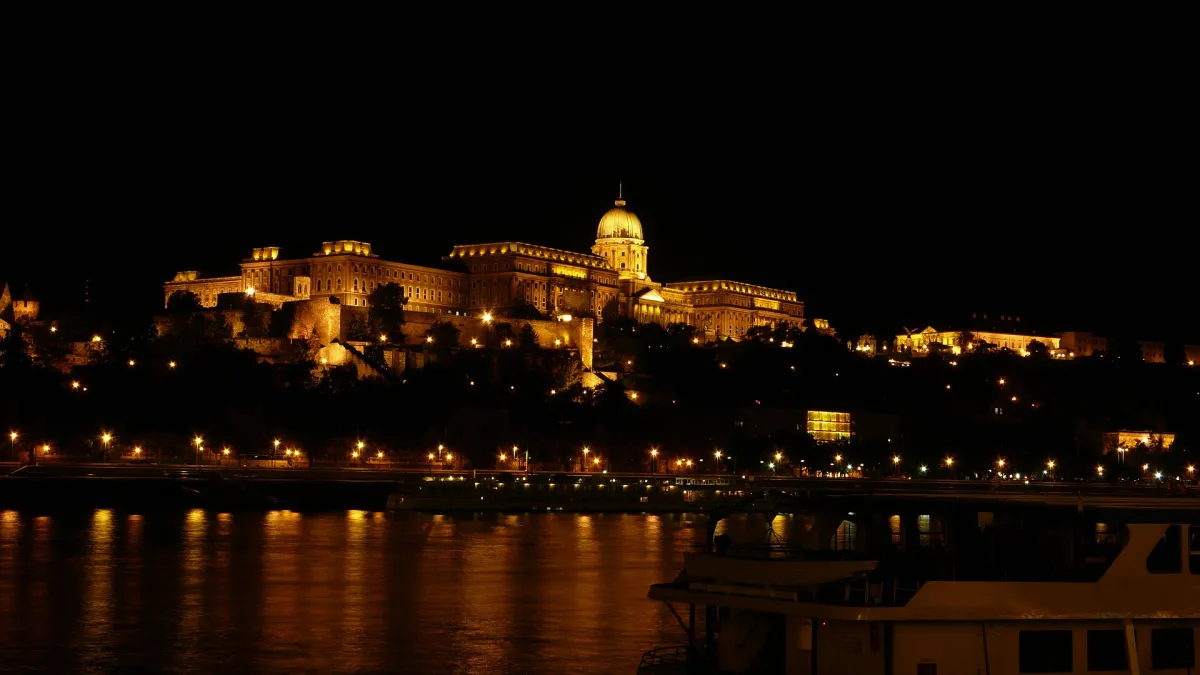
Budapest is easier to read when you stop looking for a single architectural period. Roman remains, medieval street patterns, Ottoman bathing heritage, nineteenth-century boulevards and twentieth-century memorials coexist in the city. The layers do not form a neat museum route, and a reconstructed building is not necessarily an untouched survival.
Buda, Pest and Óbuda
The modern capital united Buda, Pest and Óbuda in 1873. Buda occupies the hilly western bank; Pest spreads across flatter land to the east; Óbuda lies farther north on the Buda side. Those differences still shape a visit. Castle Hill involves slopes and elevated views, while inner Pest offers a denser network of boulevards, shops and public institutions.
The UNESCO description is useful for understanding the Danube banks, Castle Quarter and Andrássy Avenue as an urban ensemble. The designation does not mean every building in Budapest belongs to the protected property. Use the map and neighbourhood guide to connect the historical names with your actual route.
A short timeline for the city you see
| Layer | What it helps explain | A practical way to explore |
|---|---|---|
| Roman Aquincum | The northern part of today’s city has a much older urban history | Allow a separate northern outing rather than squeezing it between central bookings |
| Medieval and Ottoman periods | Castle Hill and the long bathing tradition | Distinguish surviving fabric from later rebuilding |
| Nineteenth-century growth | Bridges, public buildings, Andrássy Avenue and the 1873 union | Walk a short boulevard section rather than only photographing the skyline |
| Twentieth-century rupture | War damage, the Holocaust and political memorials | Give memorial sites time and context |
| Contemporary Budapest | Restoration, creative venues and residential life | Treat lively districts as neighbourhoods where people live |
Architecture without a checklist
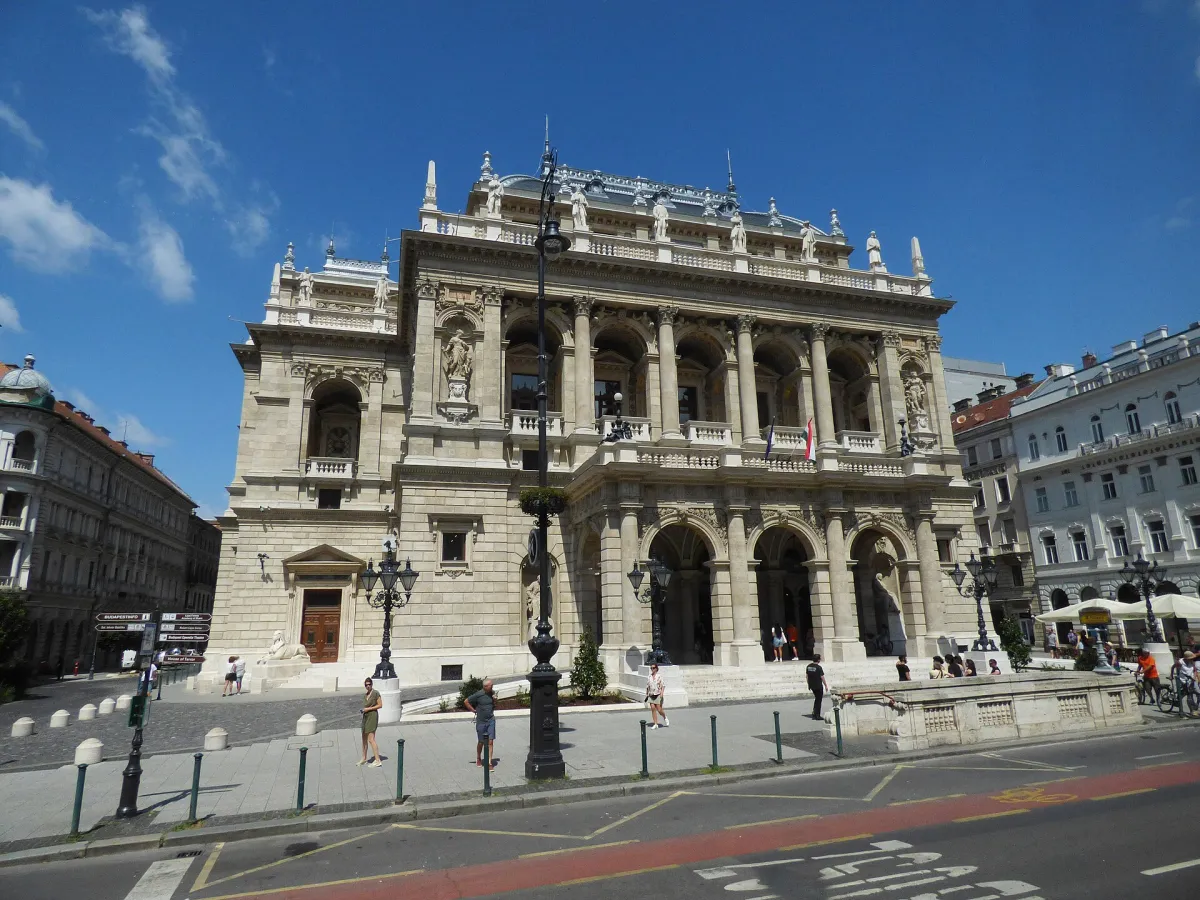
The Parliament’s riverside silhouette and the Opera’s avenue setting serve different purposes: one expresses the state on the waterfront; the other belongs to the cultural life of the boulevard. The Castle District’s streets also show the effects of war and reconstruction. Looking at the street plan, frontage and use of a building can reveal more than assigning every façade a style.
Fisherman’s Bastion is a later viewing terrace with a medieval-looking vocabulary. It should not be confused with a surviving medieval defensive complex. For access decisions and the differences between grounds, towers, museums and religious interiors, continue to Attractions.
Jewish heritage and remembrance
Dohány Street Synagogue and the surrounding quarter carry religious, cultural and Holocaust history. The area’s contemporary bars do not replace that history. Check the religious calendar and the official visitor conditions before choosing a synagogue visiting day; services and commemorations can change tourist access.
At the Shoes on the Danube memorial, leave room for people who have come to remember. Avoid staged celebratory poses or placing belongings on the memorial. If you want more background, choose a museum or a qualified heritage tour and allow time to absorb the material rather than immediately rushing to the next viewpoint.
Choose the kind of cultural visit you want
For a chronological national history visit, start with the Hungarian National Museum; for paintings, compare the Museum of Fine Arts and the Hungarian National Gallery using their current exhibitions. Opera and Müpa are better planned around a specific performance than treated as interchangeable evening venues. A building tour and an evening performance can have very different tickets and entry arrangements.
The Museums & Culture section helps choose a collection. The events guide covers programme checks, and itineraries explains how to fit a cultural block into a realistic day.
Sources & planning updates
Practical information checked on 16 October 2026. Recheck opening times, temporary closures and the conditions for your travel date with the relevant operator.