
HUNGARY · BUDAPEST GUIDE
Budapest Accessibility: Routes, Sights & Hotels
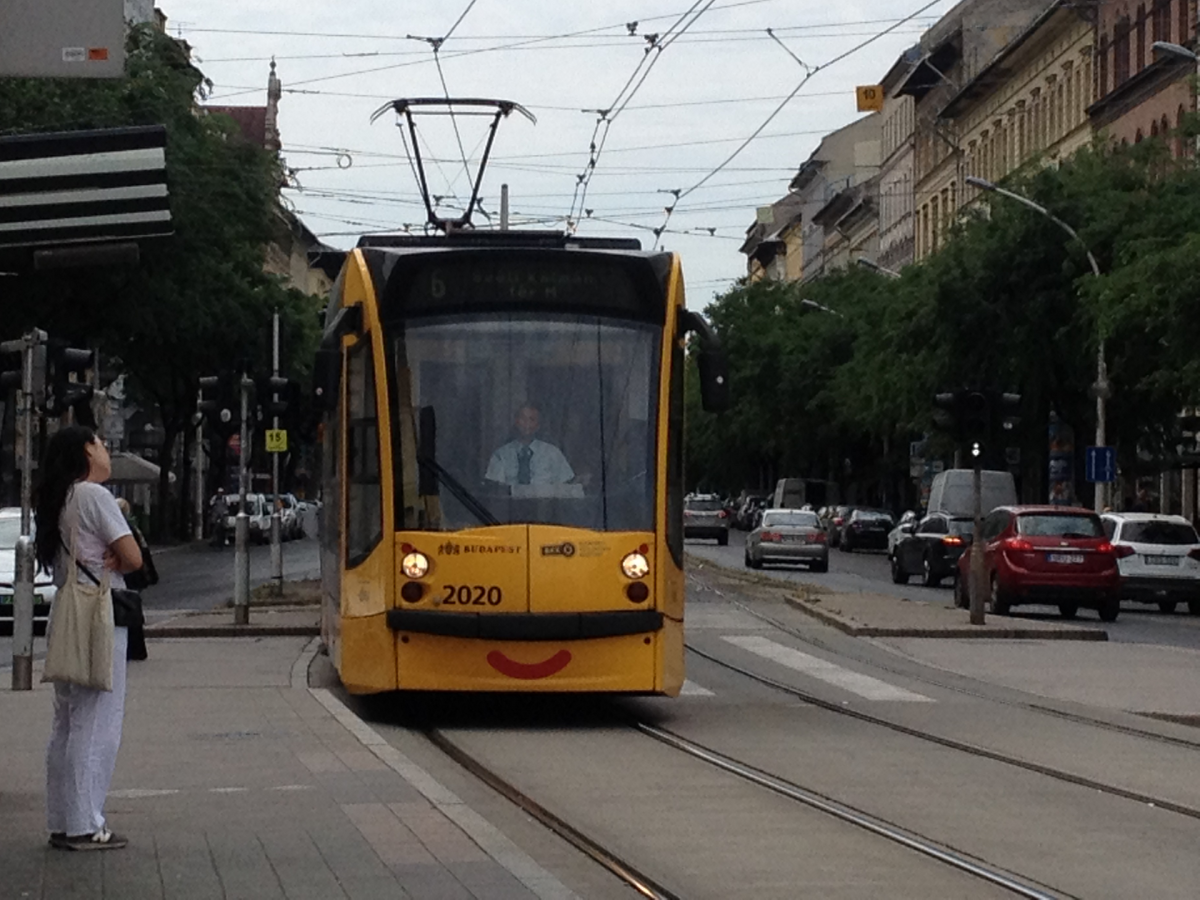
Plan access as a sequence: street, stop, vehicle, transfer, destination entrance and facilities. One accessible element does not guarantee that the whole journey works. Budapest combines modern low-floor vehicles with historic stations, hills, cobbles and older buildings, so route-specific checks are more useful than a city-wide label.
Public transport: check the complete route
Use BKK’s accessibility information and current journey planner to identify a suitable route. Confirm lift availability and the entrance you must use; a station symbol alone does not show a temporary outage. Historic M1 stations should not be assumed step-free. On surface routes, check the actual vehicle and stop rather than generalising from one photograph of a low-floor tram.
Leave extra time for boarding and transfers and check any assistance arrangements you need. If the first route fails, identify an alternative before starting. BudapestGO’s current information is more useful for that decision than a static tourist map.
Walking surfaces and Castle Hill
Buda’s slopes change the effort involved even over a short distance. In the Castle District, cobbles, steps, uneven surfaces and works can interrupt an otherwise attractive route. Ask about a practical approach from a specific stop or drop-off point and whether the route includes a steep descent.
Pest is generally flatter, but kerbs, crossings, construction and busy pavements can still matter. Choose shorter loops with places to rest and shelter. A river view does not require reaching every lower embankment or staircase. Use Map & Neighbourhoods for geography, then verify access separately.
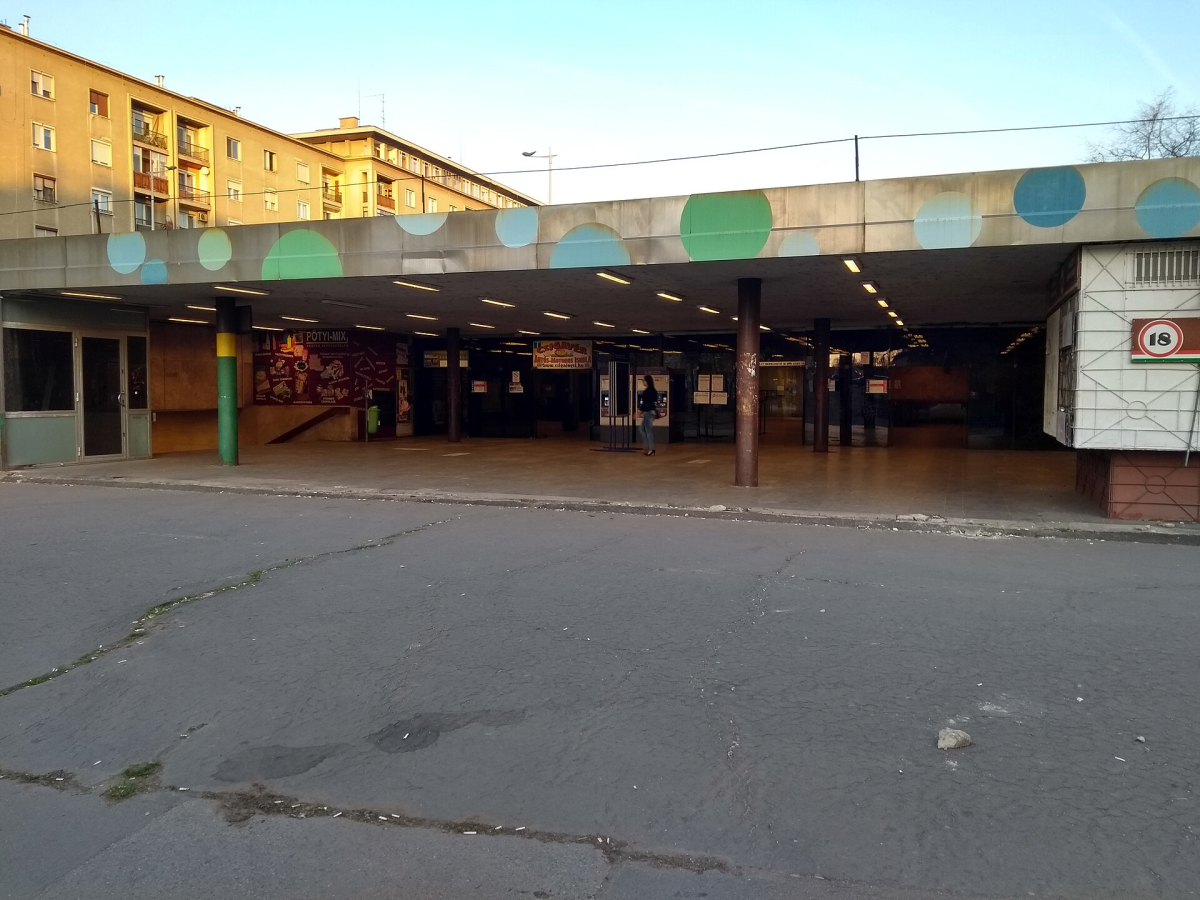
Venues, toilets and sensory needs
| Ask about | Useful detail to request |
|---|---|
| Entrance | Exact step-free door, opening time and whether staff must unlock it |
| Vertical access | Lift dimensions, weight limits and any stairs before the lift |
| Toilet | Accessible toilet location, route, opening and whether a key is required |
| Seating and queues | Rest points, waiting arrangements and any assistance process |
| Hearing / vision support | Captioning, audio description, hearing loop or other specific service |
| Sensory needs | Busy periods, lighting, noise and a quieter visiting option |
For baths, confirm changing, pool access and assistance individually. Széchenyi’s own FAQ says the building is not fully barrier-free. A city-card discount does not change access conditions. Photography and static-map labels cannot establish that a lift or accessible toilet is operating today.
Hotel and transfer questions
Ask about the exact room category, doorway widths, bathroom layout, shower, bed height and space for transfers as relevant to you. Confirm the route from the street through reception to the room, including any threshold or lift. A hotel’s accessible public lobby does not establish that the room meets your needs.
For airport travel, a low-floor bus still needs a usable stop and final walk. A standard taxi may require transferring from a wheelchair; arrange the correct vehicle in advance where necessary. Use Airports & Transfers and Hotels once the specific requirements are clear.
Build a realistic alternative
Keep fewer timed stops and allow space to change the route if a lift, path or facility is unavailable. Save the operator’s official contact and your accommodation details offline. For urgent help call 112; for transport enquiries use BKK’s official contact route.
This guide supplies planning questions and verified official information, not an independent access audit of every station, hotel or attraction. Ask the provider to confirm the features that are essential for your trip and recheck temporary status close to travel.
Sources & planning updates
Practical information checked on 16 October 2026. Recheck opening times, temporary closures and the conditions for your travel date with the relevant operator.

_at_Blaha_Lujza_t%C3%A9r.png)
