



Sign in
For Photos4Travel editors and team members.
Norway Attractions: Which Places Belong on Your Route?
Europe · Norway guide
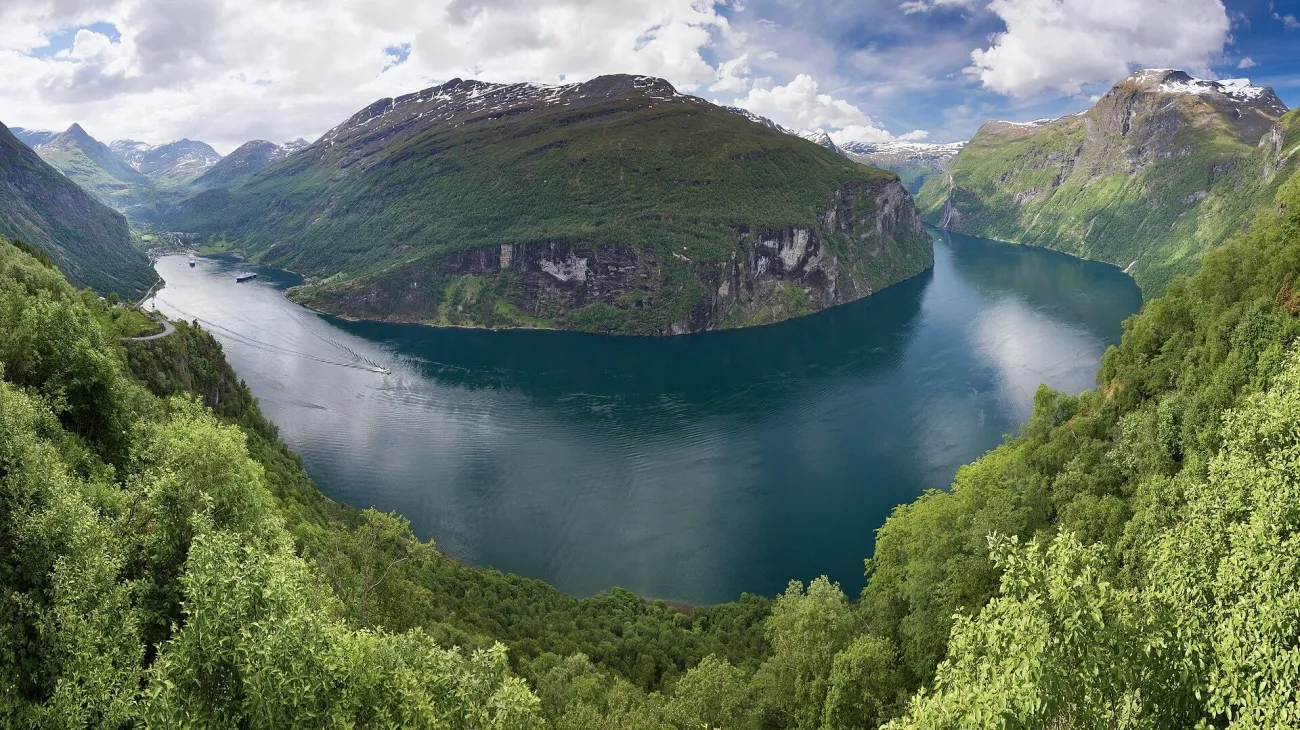
Norway’s attractions are spread across very different landscapes. Bryggen is a place to explore within a city day; Geirangerfjord is part of a wider fjord region; Lofoten is an island group that deserves several nights. Comparing them as equal stops on a short checklist leads to difficult routes.
Use this guide to choose places, then use Map & Regions to decide where to stay. Activities and tour formats belong in Things to Do; detailed trail demands belong in Walking & National Parks.
Shortlist attractions by region
| Place | Useful base | What you are choosing |
|---|---|---|
| Bryggen | Bergen | A historic waterfront district within a city stay |
| Nærøyfjord | Flåm, Aurland or a connected western base | A fjord landscape reached by a planned boat or land outing |
| Geirangerfjord | Geiranger or a workable regional base | A separate fjord stay or carefully timed regional excursion |
| Lofoten villages | Svolvær, Reine or another selected island base | A regional stay rather than a quick single attraction |
| Preikestolen | Stavanger or accommodation near the trailhead | A demanding-enough mountain outing requiring its own preparation |
| Vigeland installation | Oslo | A sculpture-focused park visit that fits a city itinerary |
| Nordkapp | Honningsvåg area or a suitable northern itinerary | A remote coastal destination with its own transport requirements |
Choose two or three places within one region before adding a distant highlight. Your shortlist should fit the nights you have, not only the photographs you hope to take. Availability, weather and local access are checks to make after choosing the region.
Bryggen and Bergen’s waterfront
Bryggen rewards a slower visit. Look beyond the waterfront façades into the permitted passages and public areas, and distinguish the historic district from the rest of Bergen’s harbour. Shops, museums and food venues have their own opening arrangements; walking through the area does not give access to every building.
Allow a flexible part of the day rather than attaching an exact universal visit duration. You might make a short architectural walk or a longer visit with a collection, meal and nearby harbour streets. Keep an indoor option available when rain or wind makes an extended waterfront stay uncomfortable.
Choose Bergen if you want to combine urban culture with onward fjord travel. Do not assume a Bergen hotel puts every famous western fjord within a short local outing. The distinction between the city and the surrounding region is essential when comparing organised excursions.
Nærøyfjord and the Flåm–Aurland area
Nærøyfjord is a landscape choice, not a single viewpoint with a universal entrance. Decide whether you want to experience it from a passenger boat, a guided excursion or a stay in the wider area. A cruise route may connect different quays, so check the finishing point before arranging your return.
Flåm is useful for the railway connection; Aurland offers a different village setting. Neither name establishes the view from an individual room. Check the hotel address, the actual quay and whether you need a connecting bus or taxi with your luggage. The Sognefjord planning guide helps place these locations within the larger region.
A high mountain photograph of the fjord does not describe the effort needed to reach it. If your priority is scenery rather than hiking, choose a suitable boat journey or accessible outing and enjoy it on its own terms. Leave the trail comparison to the walking guide.
Geirangerfjord: plan a regional visit
Geirangerfjord can be a highlight of a western itinerary, but the route into the area matters as much as the visit itself. Compare a stay in Geiranger with an excursion from another base using the actual seasonal connections. A route that works during the main summer schedule may not work in winter.
Think about what you want to see: the village, the water, an elevated viewpoint or a combination. Each adds travel and may involve separate opening or road conditions. Do not reserve a distant departure immediately after an excursion whose return depends on weather or a tightly timed connection.
If the area is the main reason for your trip, give it an overnight stay rather than reducing it to a photograph between transfers. In a short holiday based around Bergen and Sognefjord, adding Geiranger can mean sacrificing time in both places. It is reasonable to save one fjord area for another visit.
Lofoten: villages and landscape together
Reine, Henningsvær and Svolvær offer different settings within the same island region. Reine suits a southern Lofoten landscape focus; Svolvær can be a practical service and activity base; Henningsvær combines a harbour village setting with cultural stops. Choose accommodation around the places you want to explore rather than changing hotels for every village.
Working harbours, bridges and residential streets are everyday spaces. Use lawful parking, keep road access clear and ask before entering private areas. A fishing cabin in a photograph may be accommodation, a working building or someone’s property; its appearance is not an invitation to step onto the deck.
Read the official Lofoten planning guidance for regional connections. A coastal village day can be rewarding even when a mountain summit is unsuitable. Keep galleries, food stops and low-level scenery as alternatives to an exposed hike.
Preikestolen and Lysefjord
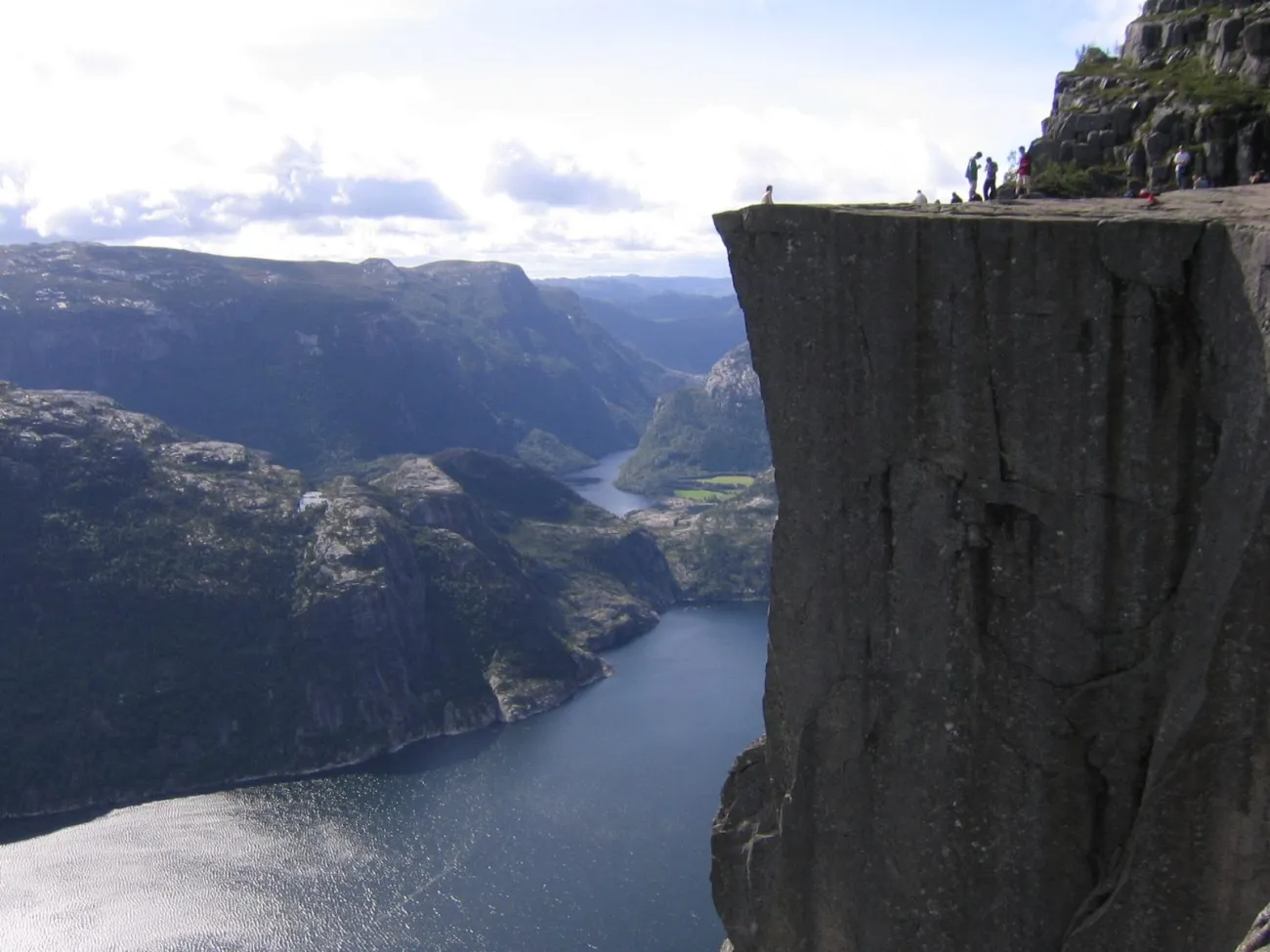
Choose Preikestolen because you want a mountain walk and can prepare for it, rather than because it appears on a list of essential photographs. The trail is separate from a Lysefjord cruise: seeing the cliff from the water is not the same experience as standing on top.
The official hike description gives the route and seasonal context. Use our walking guide for the distance, ascent and equipment discussion. Give the outing its own day, including transport to the trailhead, and decide in advance what you will do if conditions are unsuitable.
Stavanger can support a wider coastal stay with food, museums and urban time. That makes it a better base for many visitors than treating the region as one trail reached in a rush. You can enjoy Lysefjord without committing to a cliff-top hike.
Oslo: Vigeland and waterfront architecture
The Vigeland installation in Frogner Park offers a different attraction from the museums and architecture around Bjørvika. Plan it as a selected city outing, with enough time to walk between the sculptures and understand their setting. It is an outdoor visit, so surfaces and comfort change with rain, snow or ice.
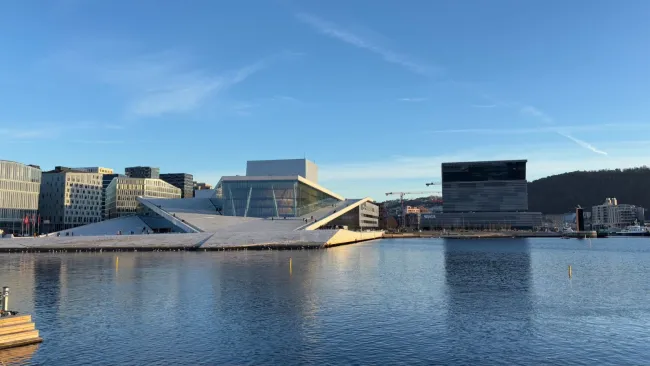
The Opera House, Deichman library and MUNCH waterfront can form another part of a city day. Admission, performance tickets and building-access rules are separate matters; a building’s exterior can be enjoyed without assuming unrestricted access to every interior space.
Use the existing Oslo travel guide for neighbourhoods and city-level decisions. Oslo’s broad fjord setting is not a substitute for western Norway’s steep-sided fjords, but the city offers a worthwhile cultural component in a wider trip.
Nordkapp and Svalbard: deliberate additions
Nordkapp belongs on a route designed for far-northern travel. Check how you will get there, where you will sleep and what the conditions allow on your visit day. It is not a convenient extra after a short Tromsø break simply because both are in Northern Norway.
Svalbard is a separate Arctic journey. Air travel, guided activities, local environmental rules and insurance require their own preparation. Do not treat Longyearbyen as an ordinary mainland stop or suggest independent wildlife excursions. Follow the Governor of Svalbard’s current travel information and the entry discussion in Travel Essentials.
History and culture: choose a subject
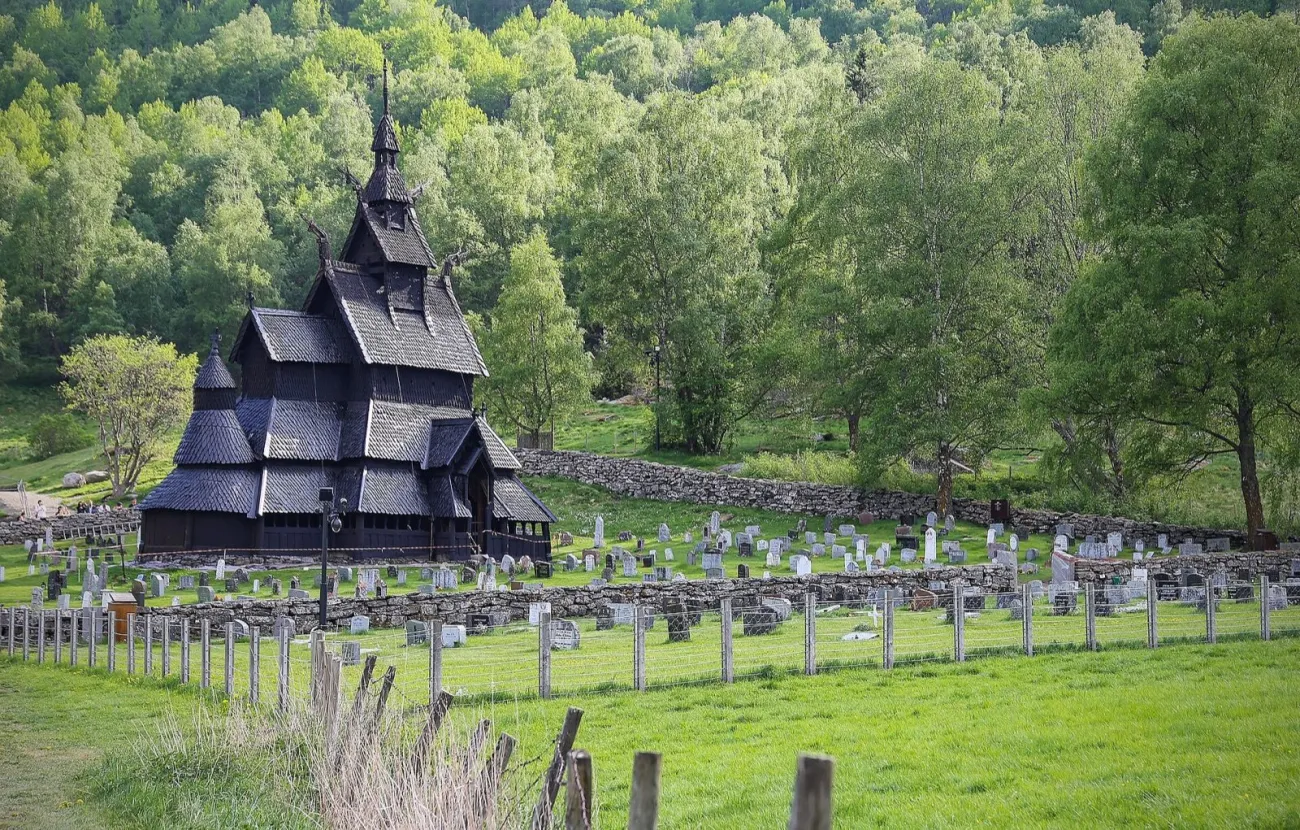
Norwegian history is easier to understand through specific places: a preserved waterfront, a stave church, an open Viking-era collection or a contemporary Sámi-hosted visit. Check what a venue actually interprets. A reconstructed building, an archaeological site and an original historic structure provide different kinds of evidence.
For a stave church, consider whether you can visit the interior and whether transport allows enough time. For a museum, verify the current collection and any closure before booking around it. Avoid using an old guidebook’s museum name as proof that the same attraction is open today.
Approach Sámi culture through named communities and hosts, recognising that it is living culture with regional differences. Photography, recording and participation should follow the host’s guidance. These visits add depth to an itinerary when you give them time instead of treating them as another short photo stop.
Travel Tip: Mark each shortlisted attraction as a city stop, a half-day outing or a regional stay. This simple distinction exposes an overloaded itinerary before you book the hotels.
Norway attractions: FAQs
Which attraction should anchor a first trip?
Choose the region first. Bergen and one western fjord area provide a coherent introduction; Lofoten or Tromsø can instead anchor a dedicated northern visit.
Can I see Norway’s main attractions in one week?
You can see a useful selection, but the country’s highlights do not form one compact circuit. Keep the route focused and include travel time.
Are famous viewpoints suitable for everyone?
No. Check the actual access, walking demands and seasonal conditions. A boat journey or lower viewpoint may better suit your group.
Last updated:
Tours, Tickets & Experiences
Norway Travel Tips & Inspiration