
NORWAY · OSLO GUIDE
Oslo Travel Guide
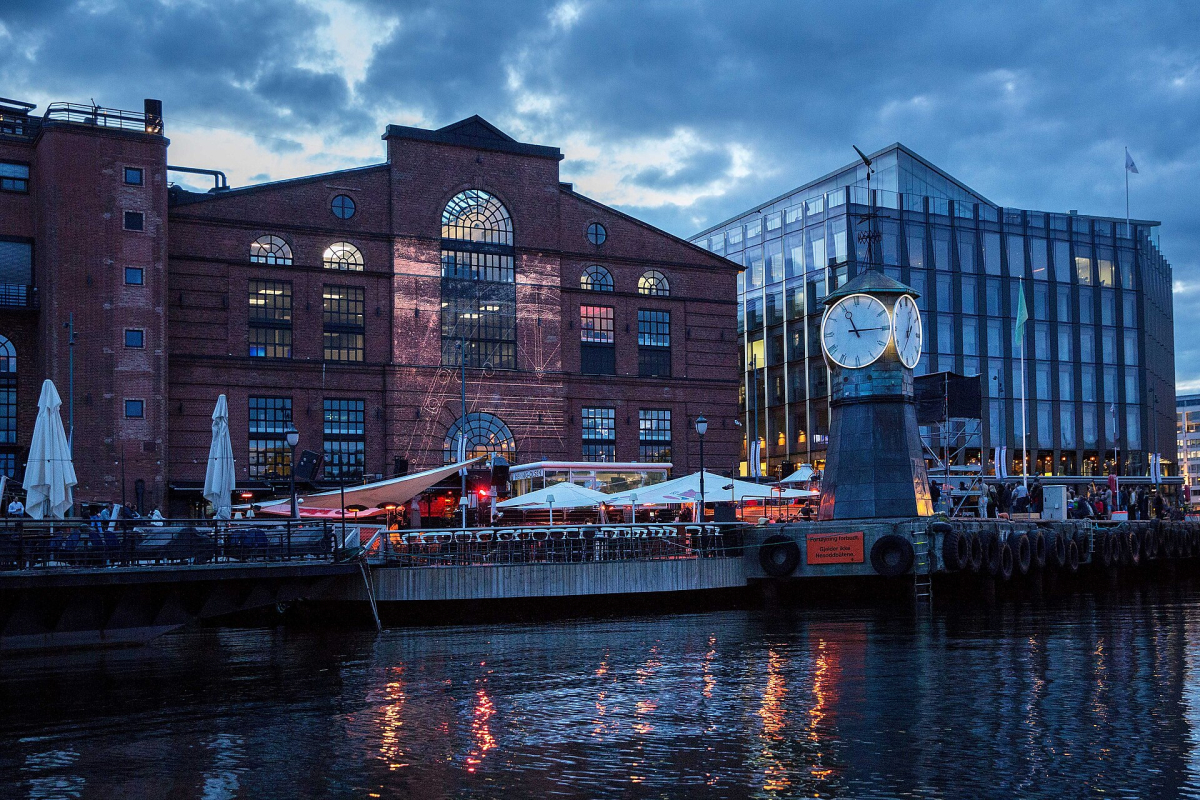
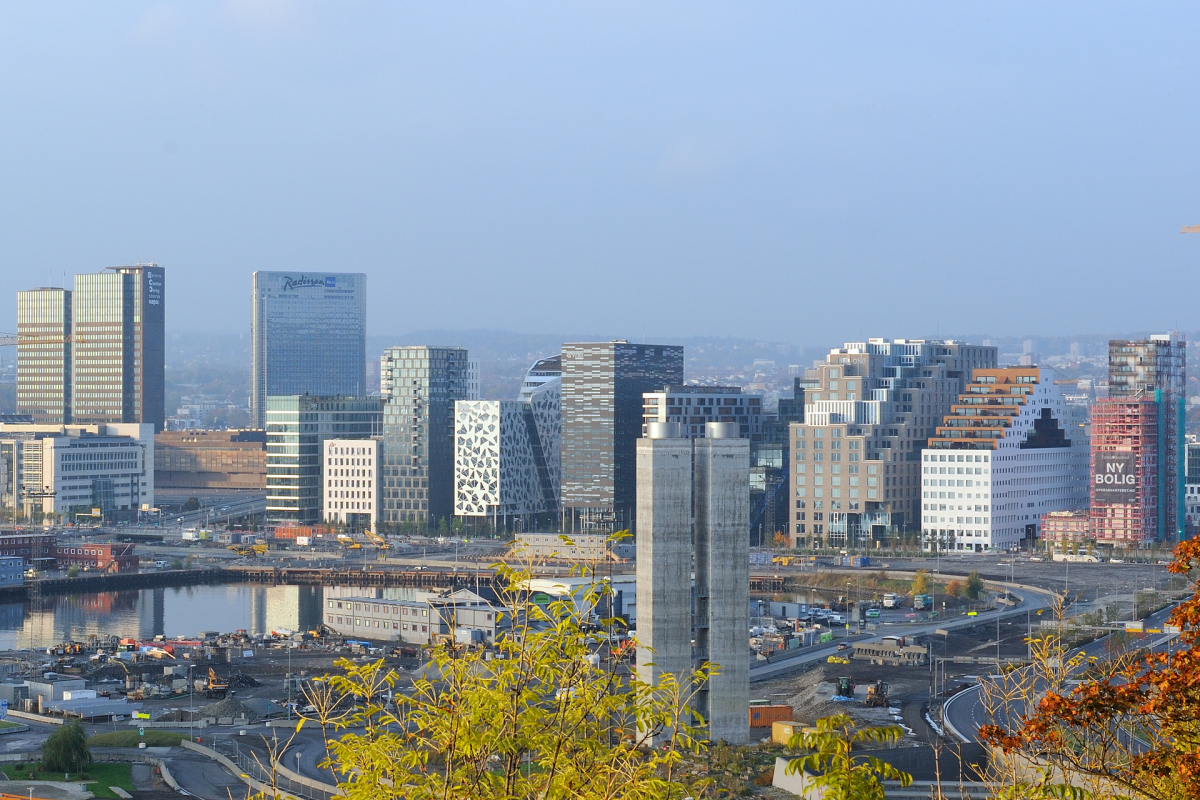
Oslo brings major art collections, a changing waterfront and everyday access to the forest into one city break. In Bjørvika, the Opera House, MUNCH and Deichman library sit close to the water; further west, Akershus and Aker Brygge give the harbour a different historic and urban character. Step inland for neighbourhood cafés and the Akerselva river, or use public transport for a forest or island outing.
Allow three full days for a first visit if you want a central waterfront day, a museum day and some outdoor time. Two days can cover a more selective introduction; four or five let you slow down or add a trip beyond the city. This guide helps you choose the shape of that stay, with detailed advice on the linked pages.
Oslo at a Glance
| Plan | Practical starting point |
|---|---|
| Days: three full sightseeing days | Three full days, plus arrival and departure time |
| Base: near your useful transport hub | Oslo S/Bjørvika for rail convenience; central Karl Johans gate for a traditional city base; Majorstuen for a more residential stay |
| When: summer outdoors or a winter city break | Late spring to early autumn for longer days; winter for a different, weather-dependent city and forest trip |
| Arrival: check OSL or TRF | OSL Gardermoen has rail connections; TRF Torp is a different airport with a longer transfer |
| Transport: walk central clusters | Walk between central clusters and use Ruter services for longer journeys |
| Budget: price the room and meals first | Norwegian kroner (NOK); price the room, meals and admissions before deciding your daily budget |
For the underlying city facts, language, currency and time-zone details, start with Oslo Fast Facts. The map and neighbourhood guide shows how these areas fit together, including where a longer journey is involved.
What Makes Oslo Worth Visiting?
Art and architecture: Oslo rewards time inside a collection as well as outside its buildings. MUNCH and the National Museum both hold work by Edvard Munch, but offer different curatorial experiences. The Opera House and Deichman add a contemporary public-space dimension to a waterfront day. Choose one substantial indoor visit and leave room to explore its surroundings.
A working city beside nature: former industrial stretches along Akerselva now sit beside parks, food venues and neighbourhood life. Grünerløkka’s independent shops and cafés offer a different pace from the landmark waterfront. Forest walks and island outings are accessible from the city, but each needs its own time and return plan.
A distinct fjord setting: the Oslofjord gives you islands, bathing places and a broad coastal landscape. It is different from western Norway’s steep-sided fjords. Oslo can be a rewarding city stop in a wider Norway trip, but the two regions require separate travel time.
What to Do in Oslo
Choose one collection you want to spend time with: MUNCH for Edvard Munch and its changing programme, the National Museum for a broader art and design visit, or the Fram Museum for polar exploration. Combine your choice with a nearby walk instead of racing through several ticketed museums. The former Viking Ship Museum remains closed for redevelopment. The new Museum of the Viking Age is working towards a late-2027 opening, which the museum says can still change; do not plan a visit to the ships on a 2026 trip.
The harbour links Bjørvika, Akershus and Aker Brygge, but it is more enjoyable in sections. Set aside another half-day for Vigeland’s sculpture installation in Frogner Park or a public-transport journey towards the forest. Things to Do focuses on experiences; Attractions helps you choose individual places.
How Many Days in Oslo?
With one day, stay central and choose one indoor highlight. With two, add either Bygdøy or Frogner and a neighbourhood walk. With three, reserve a flexible outdoor half-day for an island or Sognsvann, then keep space for your preferred museum. Four or five days make room for a slower family visit, a second collection or a day outside Oslo.
Arrival days are shorter than they look on paper. Include baggage, the airport transfer, hotel check-in and the final walk. Use the Oslo itineraries for realistic day sequences and their rain alternatives.
Neighbourhood Life, Food and Evenings
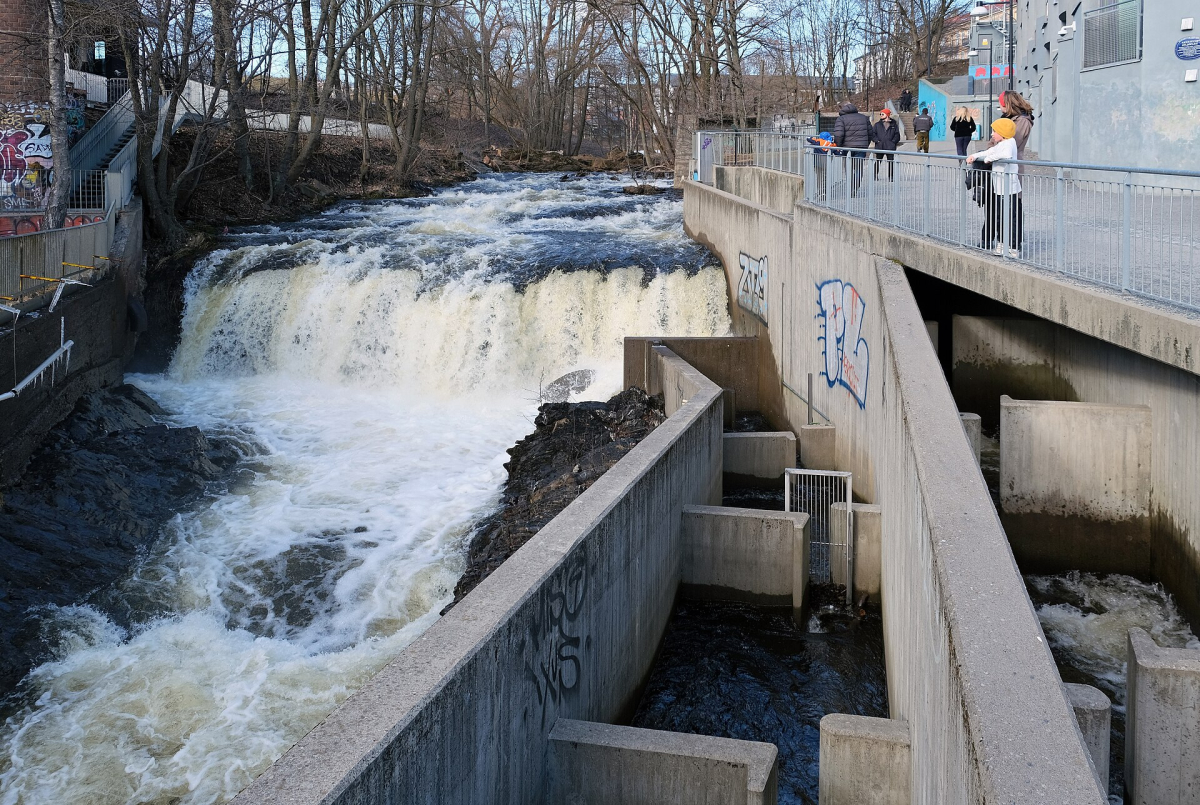
Give part of your stay to an ordinary neighbourhood walk. A stretch of Akerselva around Vulkan and Grünerløkka combines the river’s industrial setting with parks and places to stop for coffee or food. You do not need to walk the entire river to enjoy it. Choose a manageable section and build in a meal rather than treating the area as a detour between major attractions.
For Norwegian flavours, compare a traditional meal, seafood or a simple bakery-and-coffee stop with the wider mix of restaurants and food halls. The Food & Drink guide explains local dishes, neighbourhood options and dated menu prices. For gifts and design, the Shopping section helps you choose Norwegian products and local stores.
Choose the evening separately: a quiet bar, a live performance and a club night have different timings and transport needs. Use Nightlife for that decision, and check the festival and event calendar before fixing the accommodation dates.
Best Time to Visit Oslo
Summer gives you longer evenings and more scope for waterfront and island time. Spring and autumn can suit a museum-led break, provided you keep outdoor plans flexible. In winter, daylight is limited and icy paths change the pace of even a short walk. A city stay does not guarantee skiing conditions, the midnight sun or northern lights.
Choose your dates around the experience you want rather than the lowest airfare alone. Compare seasons in Weather & Best Time to Visit and check the events guide before booking a non-refundable stay.
Where to Stay in Oslo
For a first trip without a car, begin with the route from the station to your accommodation. Oslo S and Bjørvika make rail arrival simple and put the Opera House waterfront nearby. Karl Johans gate and Nationaltheatret work for the traditional centre and westward transport. Majorstuen and Frogner suit travellers who prefer a residential setting near the sculpture park. Grünerløkka is a different choice for cafés, independent shopping and evenings out, with a longer final connection from the airport train.
Compare the neighbourhoods and longer-stay trade-offs in Where to Stay; use Hotels for named property choices. Check the exact room’s bed arrangement, breakfast, cancellation policy and step-free route; neither a neighbourhood label nor an exterior photograph guarantees those details.
Getting to and Around Oslo
Read your airport code before selecting a transfer. Gardermoen (OSL) and Torp (TRF) involve different routes and journey lengths. Within Oslo, the important distinction is between regular Ruter transport, regional rail and separately ticketed products. A sightseeing cruise is not interchangeable with an island ferry, and a city ticket should not be assumed to cover every airport service.
Start with Airports & Transfers and Getting Around. The geographic map helps you group visits on the same side of town.
Make Room for the Outdoors or a Family Day
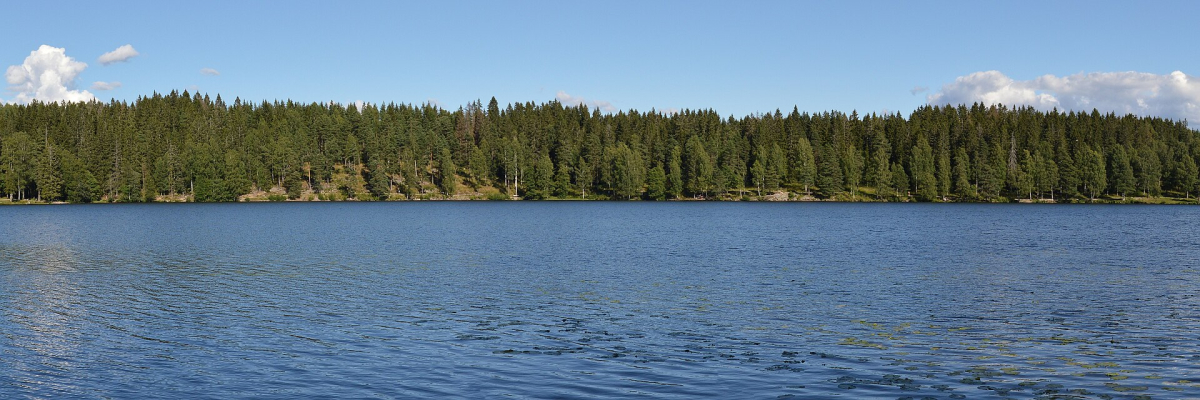
A mainland beach, an island picnic and a forest lake are different outings. Huk keeps you on Bygdøy; Hovedøya adds a ferry and walking time; Sognsvann offers a freshwater and forest setting. Start with Beaches & Swimming Spots for shore type, seasonal facilities and water-information checks. Physical access to a beach does not establish that services or a return ferry operate on your date.
For a park or riverside plan, see Parks & Outdoor Activities. With children, choose one main visit, a meal break and unstructured outdoor time rather than several long admissions. The Family Travel section covers the practical choices. For a longer stay, compare neighbourhood and accommodation trade-offs before adding more sightseeing days.
Travel Costs and Practical Essentials
Accommodation and restaurant choices usually make a larger difference to the total than cutting one local journey. Compare room prices for your actual party and dates, check whether breakfast is included, and separate an airport transfer from ordinary city travel. The costs and money guide includes a transparent planning budget and a way to evaluate the Oslo Pass. Compare your actual admissions and transport in City Passes & Tickets; a pass is useful only when its inclusions fit the visits you will make.
Entry requirements depend on nationality, travel documents and previous time in the Schengen area. Norway is in Schengen but is not an EU member. Use the official nationality-based check before travel. Visa & Entry, Health & Safety and Accessibility cover the practical checks. Save Useful Contacts for visitor information, transport enquiries and lost-property channels.
Photography and Responsible Visits
Oslo offers several distinct photographic subjects: the Opera House’s sloping planes, City Hall’s mass beside the harbour, the Palace approach and the sculpture park’s long axis. Give each a workable route and enough time for changing light. Read the photo planning guide before choosing your stops. Public access is not permission to block a walkway, enter a private area or photograph someone at close range without consideration.
Use transport and walks that fit the day, carry litter back from islands, and check local swimming and fire restrictions. The responsible travel guide explains the choices that matter in the city, forest and fjord.
Build Your First Oslo Plan
- Choose your dates and full days. Count arrival and departure separately, then check weather and any event that may affect your stay.
- Pick a base and transfer. Compare the airport code, station connection and last walk to your accommodation before paying for the room.
- Choose one priority per day. Keep a museum, a neighbourhood or an outdoor excursion as the anchor, with nearby visits around it. Use the one-, two- and three-day routes for the sequence.
- Price the actual trip. Add room, meals, airport travel, local transport and admissions, then compare passes and cancellation conditions.
- Keep one half-day flexible. Move the island, park or beach outing around the forecast and current service. For a wider excursion, read Day Trips before setting aside the travel time.
First-Trip Questions
Do I need a car?
A central city break usually works well without one. Consider a car only for a wider itinerary whose destinations and parking justify it.
Is Oslo a fjord cruise base?
You can explore the Oslofjord from the city, but it is not the same landscape or itinerary as western Norway’s steep-sided fjords. Do not fit a distant west-coast trip into a casual half-day from Oslo.
Planning information reviewed 18 October 2026. Primary references: VisitOSLO’s city-centre guide, Akerselva, Munch’s art in Oslo and the Viking museum construction update. The linked practical guides provide their own detailed sources and dates; confirm prices, opening and transport for your visit.



