
NORWAY · OSLO GUIDE
Oslo Attractions: 10 Sights, Museums & Landmarks
Oslo’s strongest sights are spread between the central waterfront, Frogner and the Bygdøy peninsula. Choose a main museum, then add a nearby outdoor landmark: this leaves time to see the details rather than spend the day moving between entrances. The ten places below include art, polar exploration, royal architecture and everyday Norwegian history, with a photograph and practical route for each.
Choose Your Oslo Attractions
These are editorial time allowances for a selective visit, excluding transport, queues and meals. The links take you to each place’s detailed notes.
| Attraction | Best reason to visit | Allow | Admission planning |
|---|---|---|---|
| National Museum | Art, design and Norwegian painting | 2–3 hours | Check exhibition ticket and concessions |
| MUNCH | Munch’s art and changing exhibitions | 2–3 hours | Advance booking recommended |
| Fram Museum | Step aboard a polar exploration ship | 1.5–2.5 hours | Paid; compare Bygdøy combination tickets |
| Opera House | Fjordside architecture | 30–60 minutes outside | Exterior visit; tours and performances separate |
| Vigeland Park | Sculpture in a large outdoor setting | 1.5–2 hours | Park free; museum separate |
| Akershus Fortress | Historic walls and harbour outlooks | 1–2 hours outside | Grounds and ticketed interiors differ |
| Royal Palace & Palace Park | Royal setting and landscaped park | 45–90 minutes outside | Park visit; palace tours in summer |
| Oslo City Hall | Norwegian murals and civic architecture | 45–60 minutes | Check visitor calendar and security queues |
| Kon-Tiki Museum | Ocean-crossing vessels and expedition stories | 1–1.5 hours | Paid; combination tickets available |
| Norsk Folkemuseum | Historic buildings and Gol stave church | 2–3 hours | Paid; check daily building/activity programme |
Museums & Culture: Choose by Interest
Choose the National Museum for a broad collection or MUNCH for a more focused Munch visit. Fram and Kon-Tiki explore different kinds of expedition; Norsk Folkemuseum is about buildings, homes and cultural history. The old Viking Ship Museum is closed during construction of the Museum of the Viking Age, with opening planned for 2027. Check the current Viking museum announcement before planning a ship visit.
1. National Museum
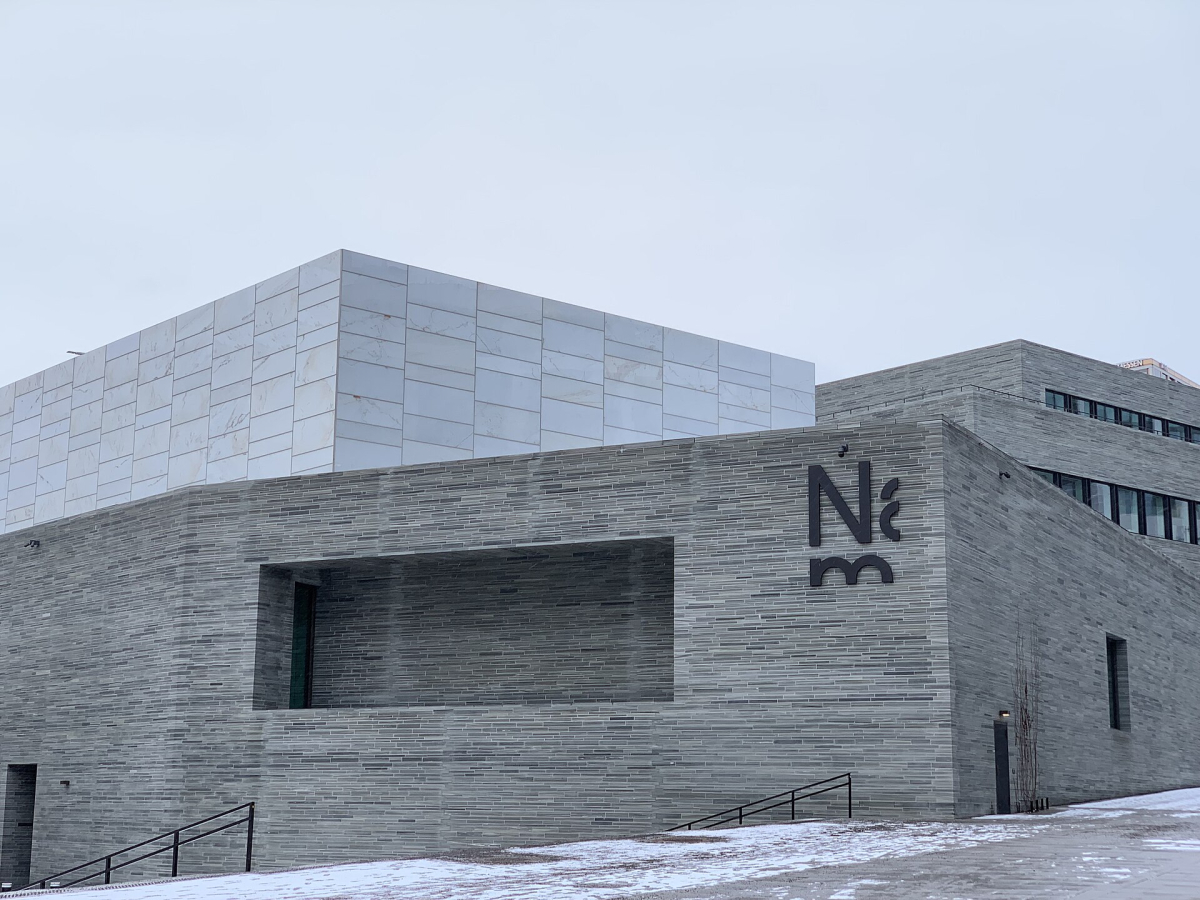
The National Museum is the best starting point if you want Norwegian painting alongside design, decorative arts and international work. Its scale rewards a short list of interests: select a painting section and a design section, then add a temporary exhibition if you still have time.
What to see: Look for the museum’s Edvard Munch collection, including The Scream, and compare it with the broader story of Norwegian art. The National Museum and MUNCH hold different works; check current display information if one particular painting is your reason for travelling. Read the museum’s Munch collection introduction before choosing between them.
Getting there: The address is Brynjulf Bulls plass 3, beside the western waterfront. Aker brygge tram stop is nearby; Nationaltheatret is a useful metro and rail approach followed by a walk. Use the museum’s transport directions for the appropriate entrance and accessible parking.
Practical visit: Allow 2–3 hours for a selection, longer for a major temporary show. Check the current opening calendar, tickets and access arrangements; old National Gallery listings refer to a different building. Pair the visit with City Hall or a short Aker Brygge walk rather than another large collection immediately afterwards.
2. MUNCH
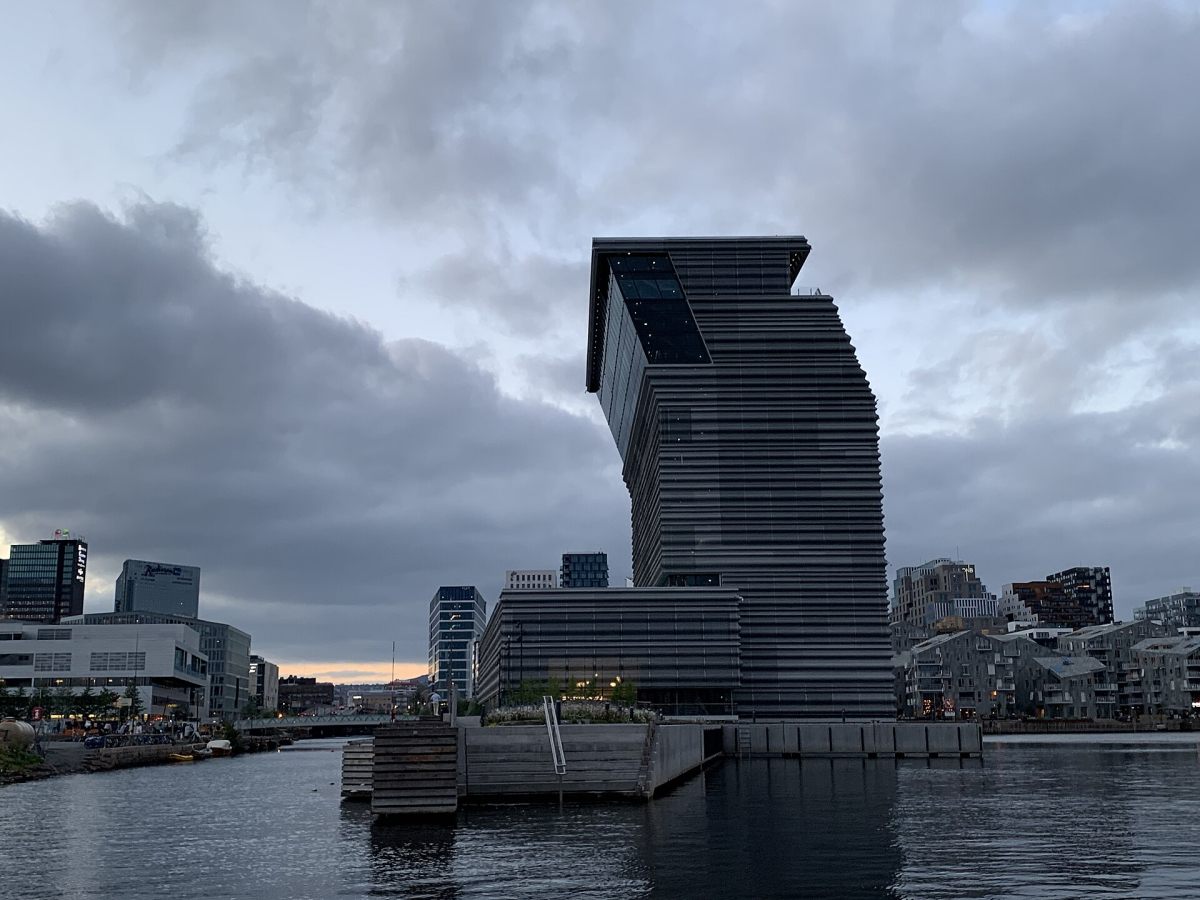
MUNCH’s tall Bjørvika building makes a strong choice for visitors who want time with Edvard Munch’s art and the museum’s changing exhibitions. It also fits naturally into an eastern-waterfront day with the Opera House and Deichman library.
What to see: Start with the Munch displays you care about most, then select an exhibition from the current programme. Works such as The Scream, Madonna and The Sun feature in the museum’s presentation, but display arrangements vary: check which version or gallery is available instead of assuming every famous work is on view together.
Getting there: The entrance is at Edvard Munchs plass 1. The museum describes the walk from Oslo S as about ten minutes; Bjørvika tram and bus stops are roughly 250 metres away. The waterfront approach also connects easily with the Opera House.
Practical visit: Plan 2–3 hours and book ahead for busy dates. Large luggage is unsuitable for a gallery stop: the museum’s lockers accept cabin-size cases up to 55 × 40 × 23 cm. Prams and framed child carriers cannot enter galleries; check the current arrangements before arriving with children. Lifts, seating and accessible facilities are available. Consult MUNCH’s visitor questions and accessibility guidance for your needs.
3. Fram Museum
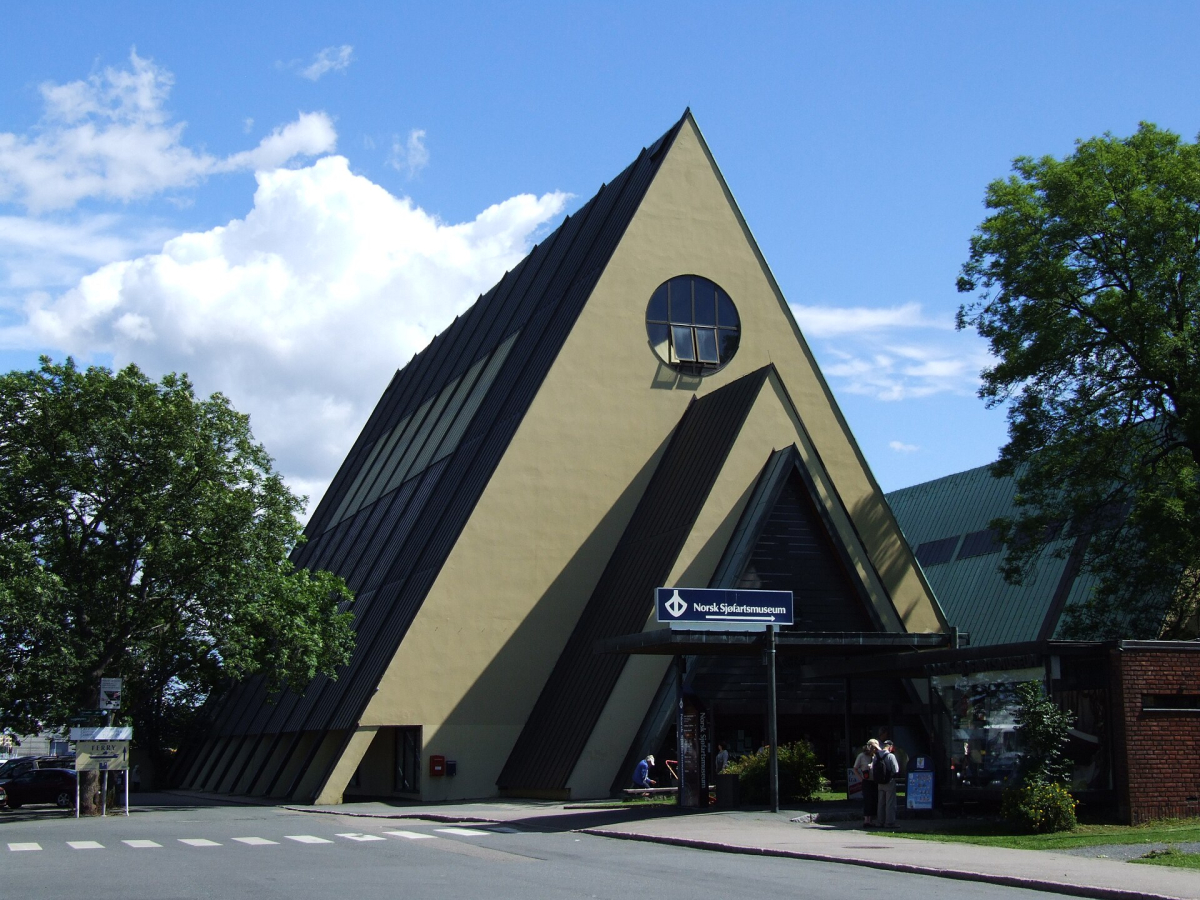
Fram offers a tangible introduction to polar exploration: the main attraction is the ship itself, rather than a room of photographs about a distant voyage. It is a useful choice for visitors interested in how crews lived and worked in extreme conditions.
What to see: Go aboard Fram to explore the cabins, lounges, cargo hold and engine room where access permits. Compare the ship’s cramped working spaces with the expedition stories around it. The official Fram exhibition guide explains the vessel and its onboard presentation; leave time to read the context as well as take photographs.
Getting there: The museum is at Bygdøynesveien 39 on Bygdøy. Bus 30 serves the peninsula from central Oslo; use Bygdøynes for the waterfront museum cluster. A boat can be an alternative when operating on your date, but check the pier, return departure and ticket validity rather than treating every harbour boat as a Ruter service.
Practical visit: Allow 1.5–2.5 hours. The museum building and the historic ship present different access conditions; ask specifically about onboard steps or narrow spaces if mobility is a concern. Compare a combined ticket with Kon-Tiki only if you will actually visit both. Check Fram’s current visit information and leave a transport and meal break in a Bygdøy day.
4. Oslo Opera House
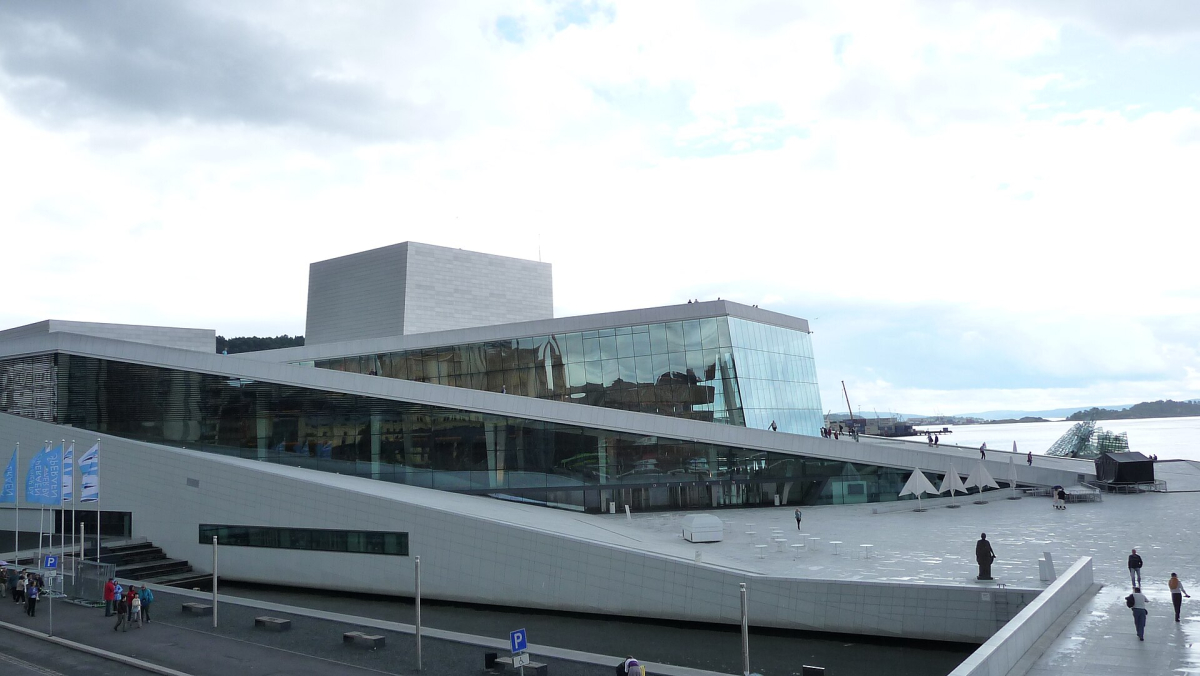
The Opera House brings Snøhetta’s sloping architecture down to the fjord. You can appreciate the relationship between the pale exterior, water and Bjørvika skyline without booking a performance, while a tour or evening production offers a different experience inside.
What to see: Walk around the waterfront edge to understand the building’s shape, then use the roof route only where open and suitable for the conditions. The public foyer gives another perspective during its opening hours. A guided tour is the appropriate option for a fuller architectural and backstage introduction; ordinary foyer access does not grant access to the auditorium or backstage.
Getting there: Walk towards the fjord from Oslo S and Jernbanetorget, or use nearby Bjørvika public-transport stops. The operator directs visitors to Ruter for current routes. MUNCH and the library can be reached on foot from here.
Practical visit: Set aside 30–60 minutes for the exterior, with separate time for a booked tour or performance. Rain, ice and closures can make a roof walk unsuitable; the ground-level waterfront remains an alternative where accessible. Arrive in time for a performance because late admission is restricted. Check practical information and step-free entrance details and the available guided tours.
5. Vigeland Park in Frogner Park
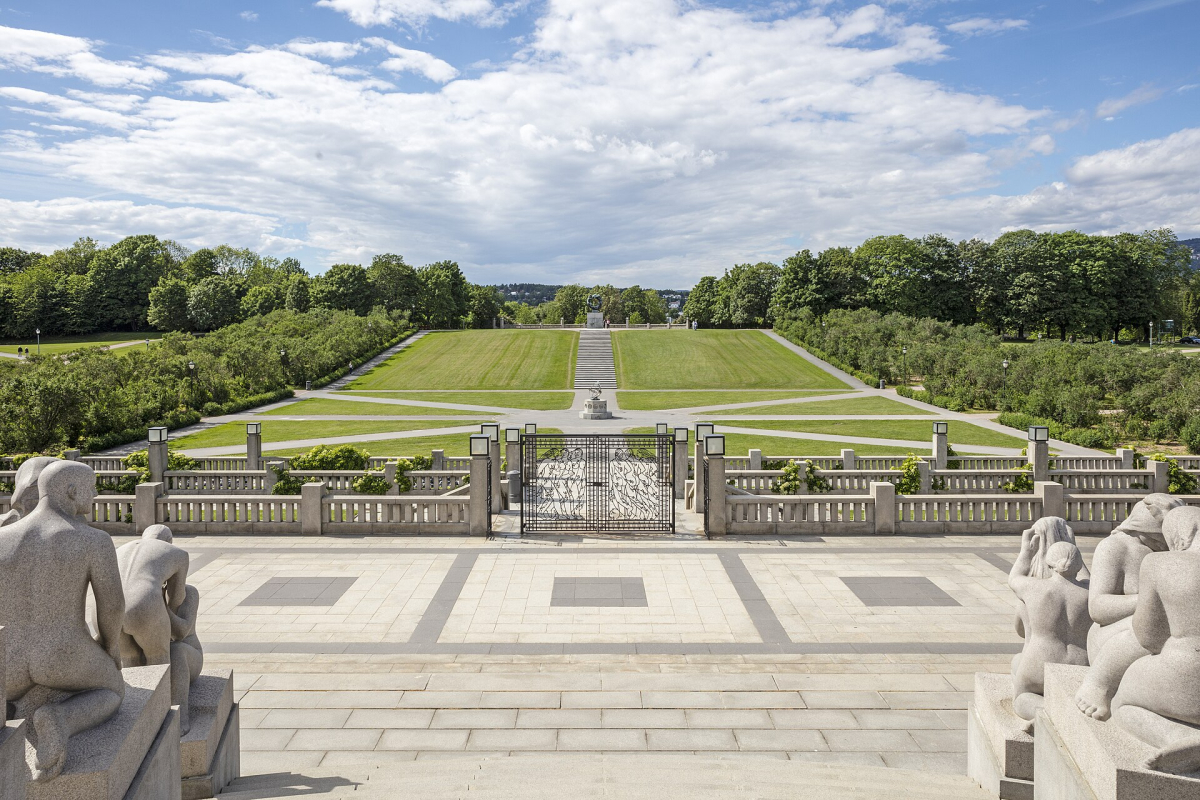
Vigeland’s installation is an extended outdoor composition within Frogner Park. Walking its full axis gives a better sense of the work than stopping only for a photograph of the best-known sculpture.
What to see: Follow the Bridge, Fountain and Monolith sequence, then continue to the Wheel of Life. Look at the smaller figures and wrought-iron details along the way. The installation comprises more than 200 sculptures in bronze, granite and wrought iron; the official park guide introduces the principal groups.
Getting there: Tram 12 and bus 20 are useful approaches; plan the current stop in Ruter. Frogner plass is the operator’s stated stop for the separate Vigeland Museum, south of the park, so check your destination before choosing which entrance to use.
Practical visit: Allow 1.5–2 hours for the sculpture route and pauses. The park is free and always open, while the indoor Vigeland Museum has its own ticket and opening days. Longer paths, steps and slippery winter surfaces affect the route; do not assume the direct stair approach to the Monolith is suitable for everyone. Read the park and museum visitor guidance. Morning light or a quieter weekday can make detailed viewing easier, without guaranteeing an empty park.
6. Akershus Fortress
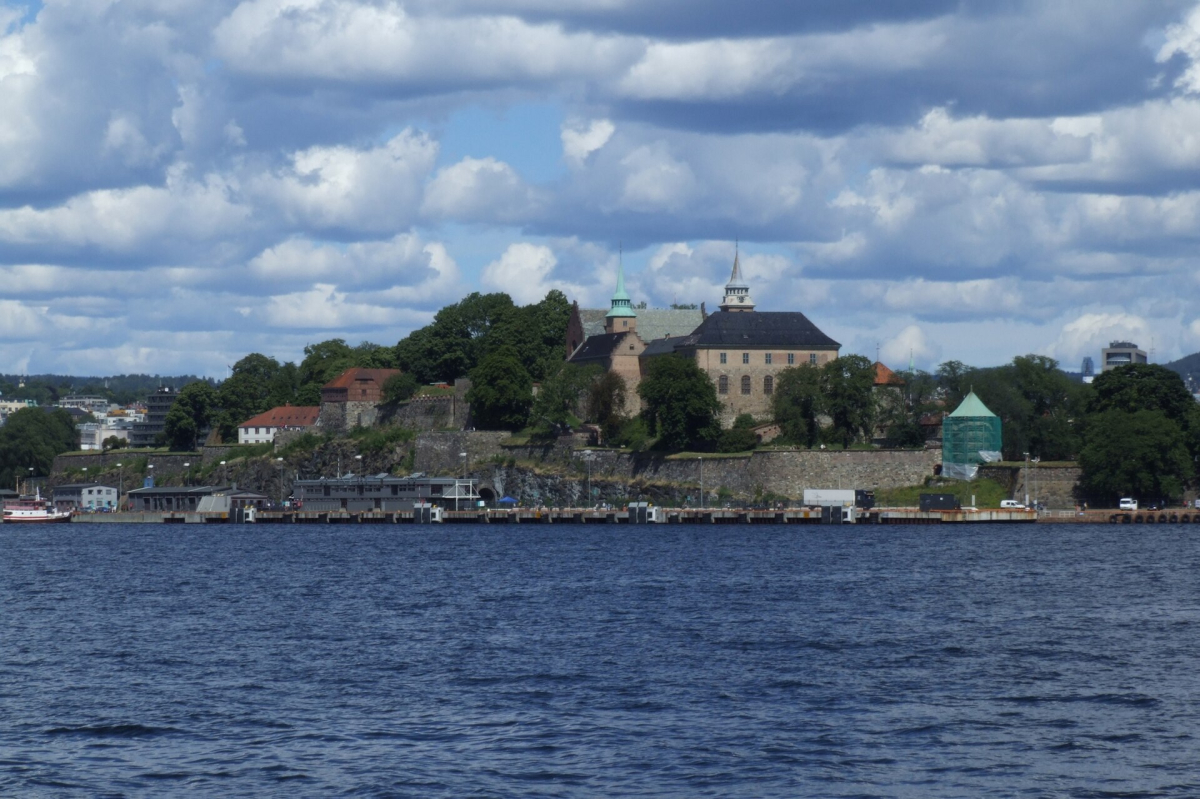
Akershus helps explain why Oslo’s old fortified centre faced the harbour. Its walls, courtyards and outlooks make a worthwhile outdoor visit, while the castle and museums add distinct historical subjects when open.
What to see: Follow the signed public routes through the fortress and look back towards the harbour from permitted viewpoints. For interiors, choose between Akershus Castle, Norway’s Resistance Museum and the Armed Forces Museum according to your interests. A castle visit and a walk around the grounds require different amounts of time.
Getting there: Approach on foot from the City Hall waterfront or the Kvadraturen streets. Use the fortress visitor information to choose a public entrance; navigating to a viewpoint on the map may lead you to a wall rather than an entrance. Check a current Ruter route if arriving from farther away.
Practical visit: Allow 1–2 hours outdoors, adding time for each interior. Grounds access and museum admission are separate, and the site remains an active military fortress: follow gates, barriers and local instructions. Slopes, cobbles and stairs can complicate the route. Check the castle’s current calendar before relying on an indoor visit; compare a combined museum ticket only after confirming the places you want are open.
7. Royal Palace & Palace Park
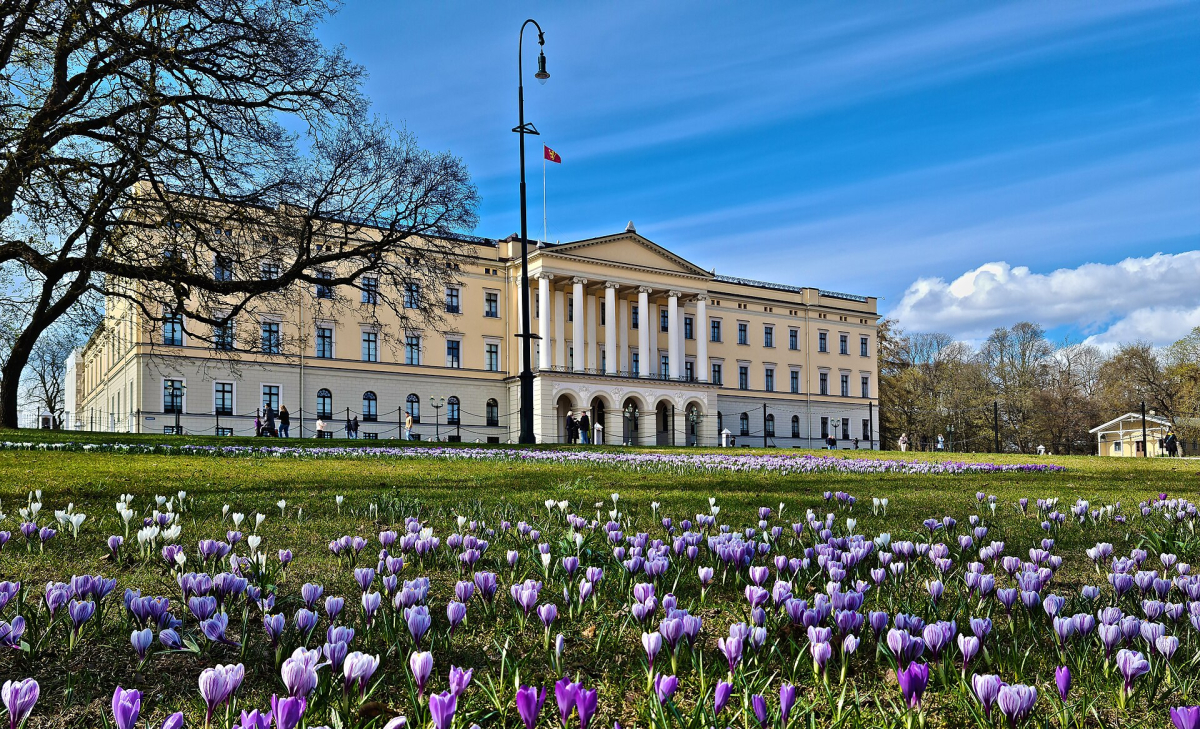
The Royal Palace forms the western end of the Karl Johans gate approach. Its setting works well as a pause between central sightseeing and the greener western neighbourhoods, even when the palace interiors are unavailable.
What to see: View the palace façade from the square, then explore the public park paths, mature trees and planted areas. In the summer tour season, guided visits introduce reception rooms; the precise room route can change. Keep the main Palace Park distinct from the Queen’s Park, which has a shorter seasonal opening period.
Getting there: The address is Slottsplassen 1. Nationaltheatret is the nearest major public-transport stop. For a booked palace tour, follow the instructions to the west side, behind the building; the front square is not the tour entrance.
Practical visit: Allow 45–90 minutes outside, plus the booked tour time if applicable. The main park is open year-round, but palace interiors normally open from late June to mid-August. Choose an English-language departure explicitly and book ahead. Interior photography is prohibited. Visitors using wheelchairs should check lift dimensions and arrangements in advance; the operator requests arrival behind the palace 20 minutes before the tour. See the Royal Court’s visit guidance for current dates and restrictions.
8. Oslo City Hall
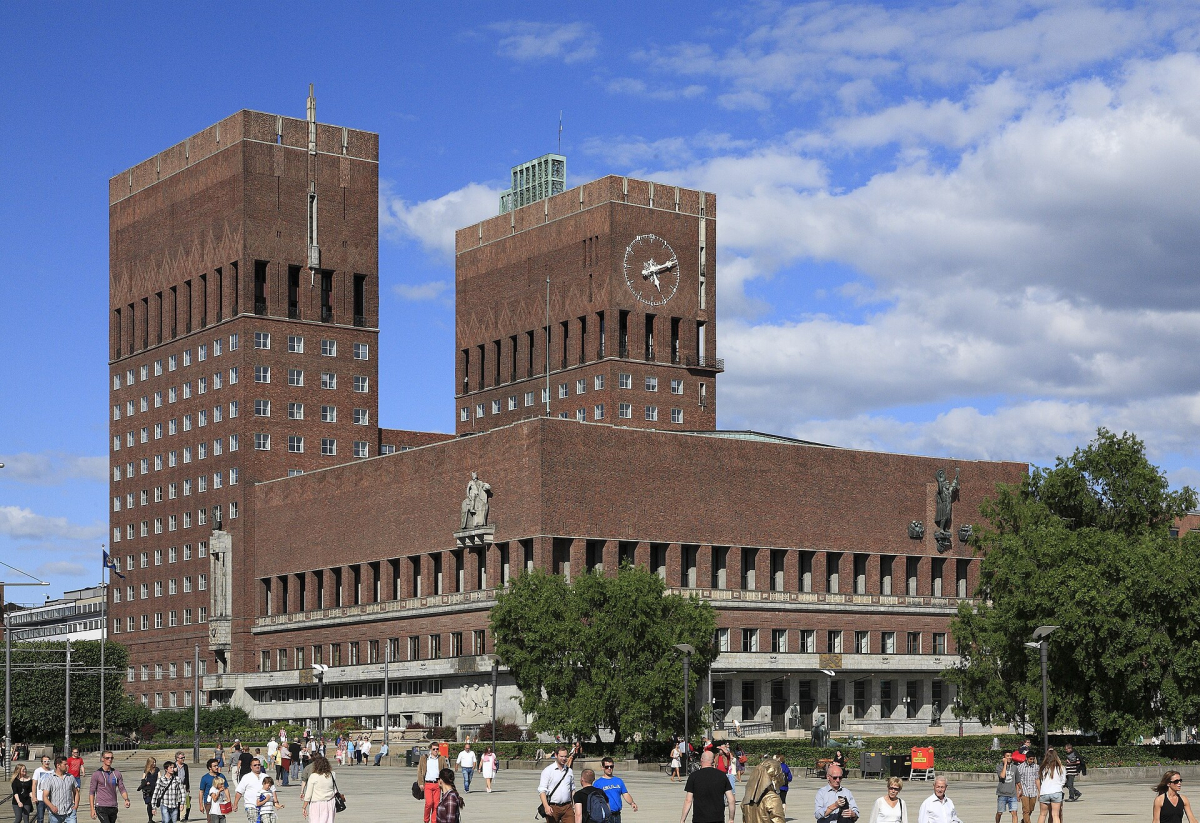
Oslo City Hall offers a compact introduction to Norwegian civic art. The red-brick towers are easy to recognise from the harbour, but the decorated interior is the main reason to go inside when visitor access is available.
What to see: Take time with the large murals and their scenes of Norwegian history, culture and working life, rather than treating the building as a quick lobby stop. The hall is associated with the Nobel Peace Prize ceremony. This is a working municipal building, so the rooms you can enter depend on official use.
Getting there: The municipality lists Rådhusplassen 1 as the visitor address. Walk from the National Museum and Aker Brygge waterfront, or approach from Nationaltheatret. Combine these nearby places geographically, while checking the City Hall entrance shown in current visitor instructions.
Practical visit: Allow 45–60 minutes plus security screening. As checked on 18 October 2026, the municipality lists Monday–Saturday, 09:00–16:00, with Sunday closure and additional closure dates; some rooms may be unavailable. Use the municipality’s current opening and closure calendar to plan your visit. Read the official destination introduction to the art and building for context.
9. Kon-Tiki Museum
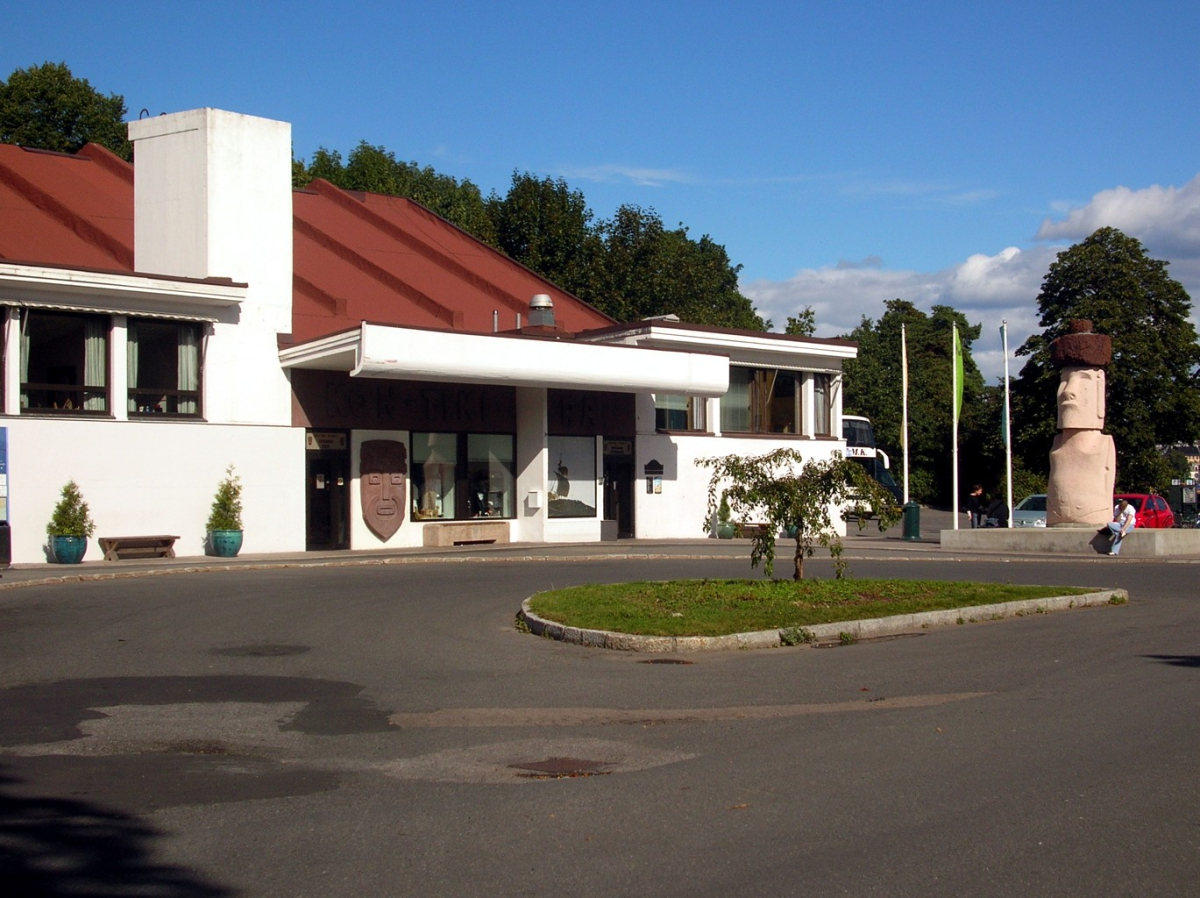
Kon-Tiki tells a different exploration story from Fram: ocean crossings in vessels built to investigate Thor Heyerdahl’s ideas. It is a compact companion to the neighbouring polar museum, especially if your group enjoys ships and expedition narratives.
What to see: The original Kon-Tiki raft and the reed boat Ra II are the central objects. The museum announced a new exhibition around and beneath the raft in summer 2026, with interactive elements and an updated Easter Island presentation. Use the available audio guide to add context instead of moving straight between the two vessels.
Getting there: The address is Bygdøynesveien 36. Bus 30 links central Oslo with Bygdøy; plan for Bygdøynes. If choosing the Bygdøy boat, check the actual sailing date and alight at Bygdøynes, the waterfront museum stop, rather than Dronningen farther away.
Practical visit: Allow 1–1.5 hours. Compare single, family, pass and combined-ticket arrangements against your actual group and museum choices; a bundled ticket is useful only when the extra visits fit. Check the museum’s current exhibitions, tickets and transport notes. Leave a break between Kon-Tiki and Fram so the two expedition stories remain distinct.
10. Norsk Folkemuseum
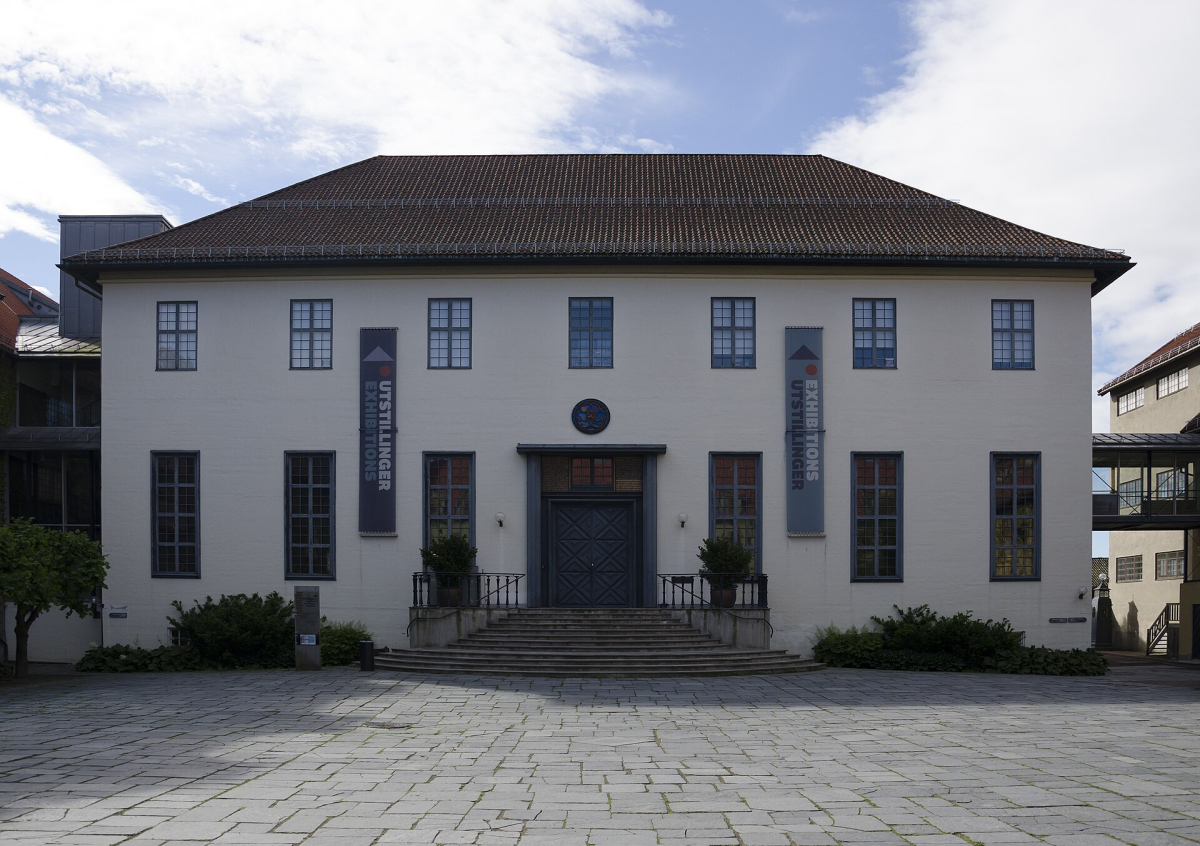
Norsk Folkemuseum suits visitors who want to understand Norwegian homes, building traditions and daily life. It is a substantial open-air visit with indoor displays, so give it a generous part of a Bygdøy day.
What to see: Make the medieval Gol stave church a priority, then select historic houses and farm settings along a manageable route. The church’s timber architecture is a different experience from the expedition vessels at Bygdøynes. Read the museum’s Gol stave church introduction for context. Building access, demonstrations and family activities depend on the day’s programme.
Getting there: The entrance is at Museumsveien 10. Take bus 30 to Folkemuseet. A boat arrival at Dronningen involves a further walk; it is a different stop from Bygdøynes, used for Fram and Kon-Tiki. Check the return route before committing to several museums.
Practical visit: Allow 2–3 hours, longer if activities appeal. Wear shoes suitable for outdoor paths and bring weather protection. Historic thresholds, gradients and gravel can restrict access to individual buildings, so ask the museum to help choose a workable route. Check tickets, access and transport guidance and the current daily programme; a general admission ticket does not mean every historic room or demonstration is available all day.
Pair Nearby Sights Without Rushing
- Bjørvika: Choose MUNCH as the main indoor visit, then walk past the Opera House and Deichman library. Leave performance time separate from sightseeing.
- Western centre: Combine the National Museum with City Hall when open. Add the Royal Palace park if you want a longer walk; save Akershus interiors for another block of time.
- Bygdøy: Choose Fram plus Kon-Tiki for an expedition day, or give Norsk Folkemuseum the main slot. All three with full visits, lunch and transport is a long programme.
- Frogner: Give Vigeland Park its own outdoor session. Add the Vigeland Museum only after checking its separate opening days and your remaining energy.
Practical Questions
Which attractions work best in rain?
The National Museum, MUNCH, Fram and Kon-Tiki provide substantial indoor visits. The Opera House roof, Vigeland Park and the open-air parts of Norsk Folkemuseum depend more on weather. City Hall can be a useful shorter indoor stop when its visitor calendar permits.
Can I use public transport for all ten?
Yes, these visits can be planned around central walking routes, tram, metro and bus connections. Bygdøy requires more travel time than the waterfront core. Check Ruter’s current journey planner for your date, access needs and disruptions; tourist boats can have separate ticket rules.
Where should I look for more outdoor experiences?
Use Things to Do for Holmenkollen, the river, islands and other experiences, Family Travel for family planning, and Oslo Itineraries for day sequences. The Oslo map helps place the districts before booking.
Visitor information checked 18 October 2026 against the linked attraction operators and official destination sources. Opening calendars, exhibitions, fares and access can change; follow the operator’s instructions for your visit date. Photo dates describe the photographs, not a guarantee of today’s displays or conditions.



