
NORWAY · OSLO GUIDE
Responsible Travel in Oslo: City, Forest & Fjord
Responsible travel in Oslo starts with a route you can enjoy without unnecessary journeys, then continues with how you use the waterfront, forest and islands. Public transport, careful purchasing and respect for local restrictions are practical choices; no single hotel label or short ferry trip makes a whole holiday impact-free.
Group Visits and Use the Right Transport
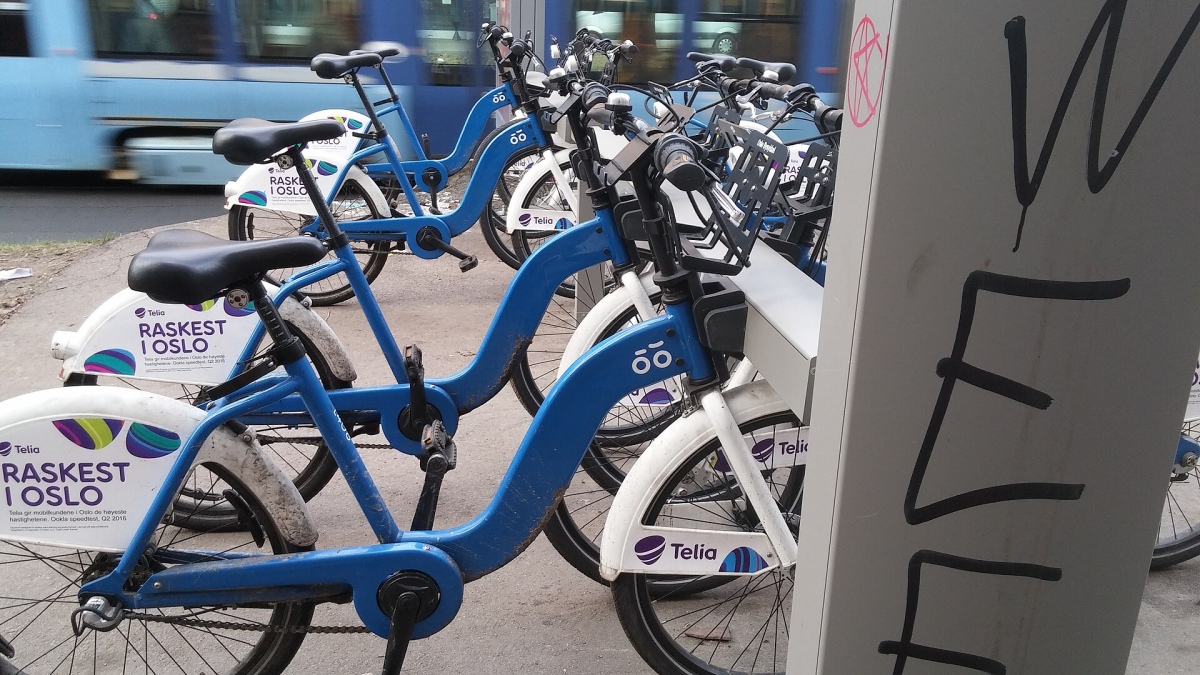
Build a day around adjoining neighbourhoods and use Ruter for a longer connection. Walking through central clusters can reveal more than repeated short vehicle trips. A bicycle may suit a confident rider and the conditions, but unfamiliar road layouts, tram tracks, rain and ice deserve attention. Follow local rules and keep parked cycles out of entrances and walking routes.
Look After the Islands
Take a reusable water bottle where practical, carry litter back if bins are unavailable or full, and avoid leaving food scraps. Respect wildlife, vegetation and archaeological remains. Hovedøya’s ruins are not climbing equipment; do not move stones or use old walls as a picnic kitchen.
Check current local fire and barbecue restrictions before lighting anything. A general public-access tradition is not permission to camp, make a fire or enter every shore or protected area. Stay on suitable paths, respect signs and leave private gardens and occupied residential areas alone.
Forest Time Without an Oversized Plan
Choose a route that fits your ability, daylight and weather. Carry the layer and battery reserve needed for a delay and check the way back before leaving the station. Keep wildlife at a distance, avoid damaging vegetation for a photograph and use current official guidance for snow, ice or fire conditions.
Spend With More Intention
Look at the maker, ingredients or origin rather than assuming that every souvenir sold in Oslo is Norwegian-made. A locally run café or independent shop can give context to a neighbourhood visit, but verify claims instead of treating “local” as a blanket environmental certification. Buy what you will use and compare packaging and transport when those choices matter.
Photography and Shared Space
Leave walking routes, museum doors, cycle lanes and ferry boarding areas clear. Ask before making a person the subject of a close photograph, especially children, and follow a venue’s restrictions on flashes, tripods or commercial work. Do not use a drone because another visitor has one; check the actual aviation, privacy and land-manager rules for the location.
Hotels, Meals and Honest Claims
Use the room and services you need and read the property’s specific policies rather than relying on an unqualified green label. Confirm towels, housekeeping or waste arrangements at the hotel. Choose meals deliberately and avoid ordering food only for a photograph. The food guide and shopping section help you make those choices in context.
For an island day read Beaches and Getting Around.
Planning sources: VisitOSLO, Oslo municipality, Ruter, Visit Norway responsible travel. Conditions checked 18 October 2026; confirm opening, ticket and transport details for your dates.

