
NORWAY · OSLO GUIDE
Oslo Fast Facts: Population, Location & Practical City Info
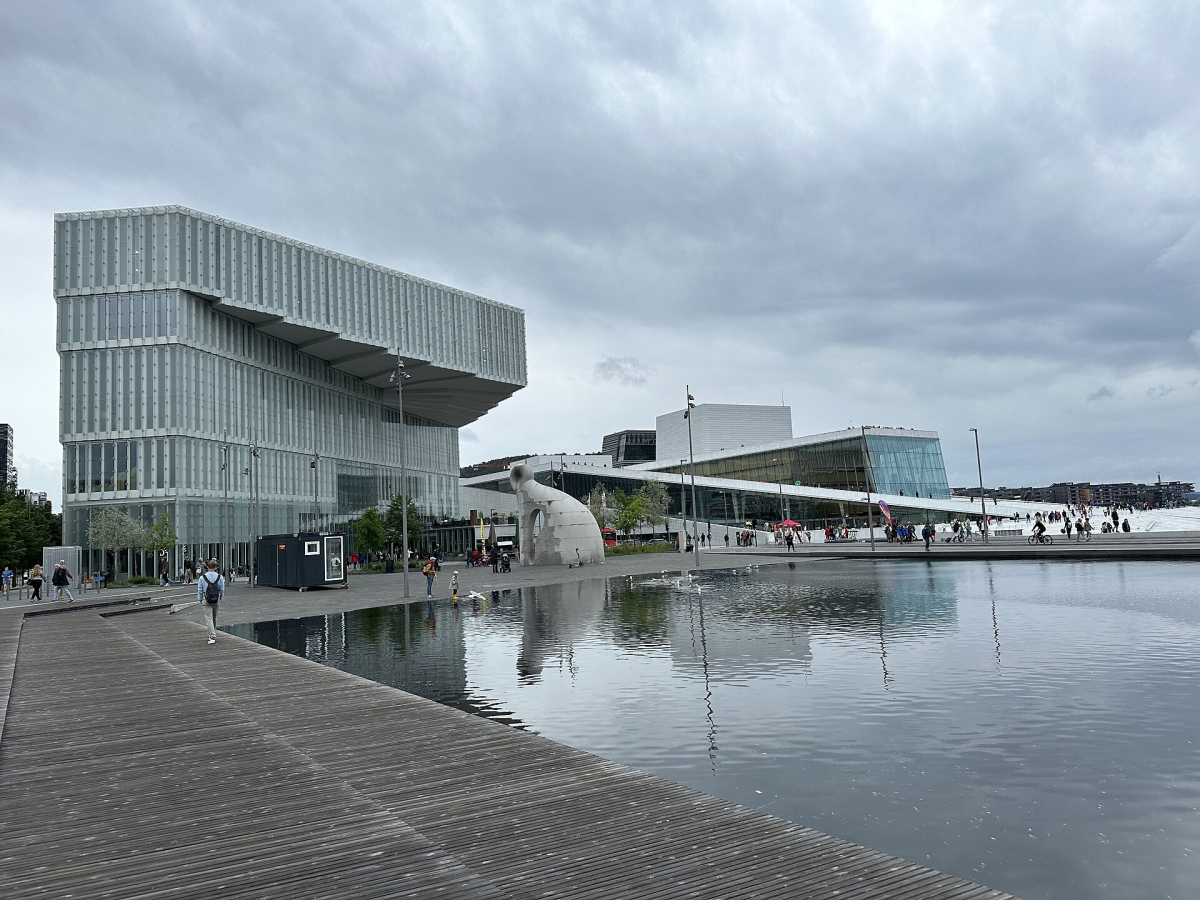
Oslo is Norway’s capital, set between the inner Oslofjord and forested hills. It combines a walkable central waterfront with neighbourhoods, islands and forest routes reached by public transport. These fast facts give you a practical starting point, with the population’s reference period stated separately from the date this page was checked.
Facts checked: 18 October 2026. Population figures describe a defined area and date; climate describes typical seasonal conditions, not the weather on your travel day. Use the linked detail guides when you need ticket prices, entry requirements or a full itinerary.
Oslo at a Glance
| Fact | What visitors should know |
|---|---|
| Country and status | Norway’s capital; municipal and county functions. |
| Location in Norway | Inner Oslofjord, southeastern Norway. |
| Municipal population | 729,437 at the end of Q2 2026. |
| Language for visitors | Norwegian; English widely understood. |
| Currency and prices | Norwegian krone: NOK / kr. |
| Local time zone | CET (UTC+1); summer CEST (UTC+2). |
| Climate and seasons | Four distinct seasons; cold winters, milder summers. |
| Airports serving Oslo | Gardermoen (OSL); Sandefjord Torp (TRF). |
| Main railway station | Oslo S / Oslo Sentralstasjon. |
| Local public transport | Ruter metro, tram, buses and regular ferries. |
| Electricity and plugs | 230 V / 50 Hz; Type F / Schuko. |
| Drinking tap water | Normally drinkable; follow local notices. |
| Emergency help numbers | 113 medical; 112 police; 110 fire; urgent care 116 117. |
The population comes from Statistics Norway’s Oslo municipal facts. The City of Oslo’s own overview explains its setting and municipal/county role. The sections below put the main facts into a visitor’s planning context.
Population: Which Oslo Does the Number Describe?
729,437 is the municipality’s population in SSB’s second-quarter 2026 series, measured at the end of the quarter, 30 June 2026. It was the latest quarterly figure displayed on the municipal facts page when checked on 18 October. The underlying source is SSB table 01222.
“Oslo municipality”, the continuous built-up urban area and the wider capital region have different boundaries. A larger number in another source may refer to a broader area rather than a newer count of the same population. This page uses the municipal figure consistently; it does not present a population forecast as an observed total. For a visitor, the useful distinction is that a place described as being in the Oslo region can still involve a substantial journey from the centre.
Location: Fjord, Waterfront and Forest
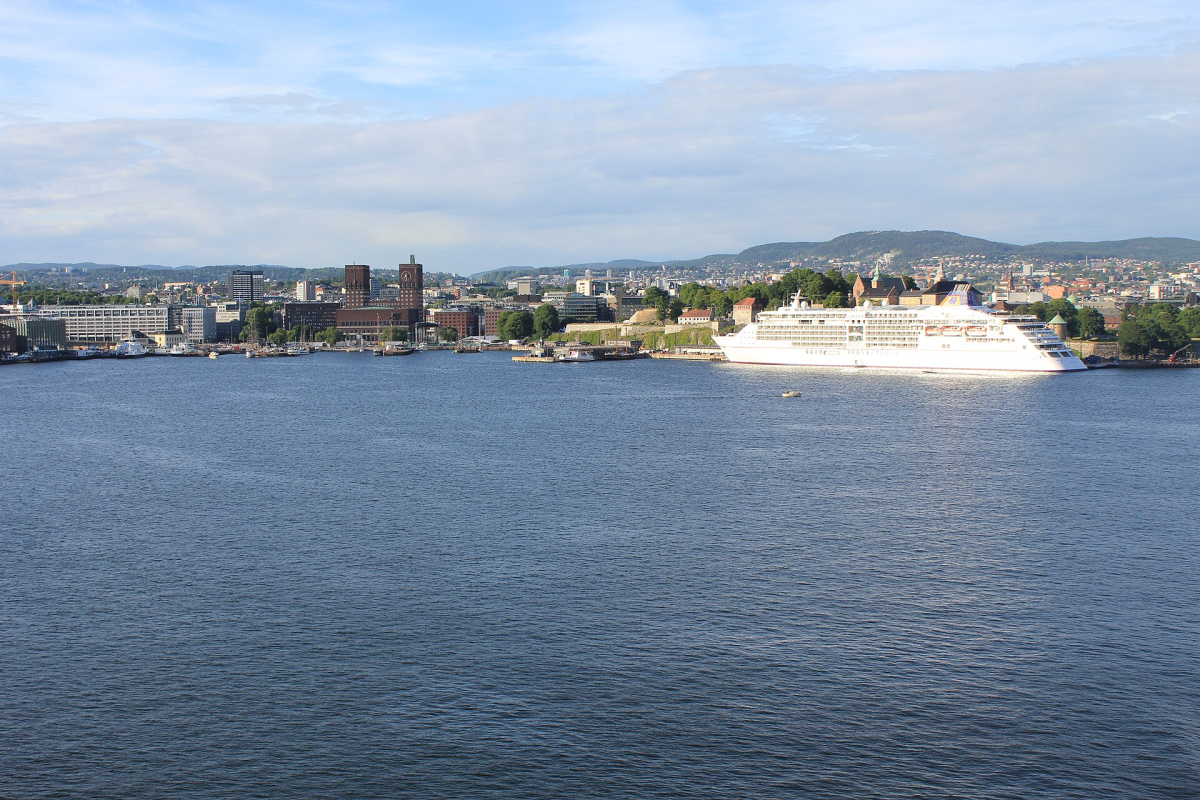
Oslo sits at the head of the Oslofjord, with the fjord to the south and the protected Marka forest around its eastern, northern and western sides. The centre’s waterfront includes Bjørvika, the Opera House area, the harbour by City Hall and Aker Brygge. These places are connected through the central city, but a forest trail, island or museum peninsula needs its own transport plan.
Use the Map & Neighbourhoods guide to see the actual geography and choose a base. A hotel described as “near Oslo” is not necessarily within a short walk of Oslo S. Check the full address and the final connection, especially for a late arrival or a trip with luggage.
Language: Norwegian and Everyday Communication
Norwegian is the everyday language. Bokmål and Nynorsk are written Norwegian standards, rather than two separate visitor regions to choose between. Språkrådet, Norway’s Language Council, explains their status and use. Norway’s wider language landscape also includes Sámi languages and minority languages; the short visitor fact is not an exhaustive account of that diversity.
VisitOSLO’s practical information notes that English is widely understood. You can usually begin a visitor enquiry in English, but confirm arrangements for a specialist service or an appointment. Save place names with their original spelling, including æ, ø and å, so a driver, map search or station sign is easier to match to your booking.
Currency and Payment: Read Prices in NOK
Norway’s currency is the Norwegian krone, with currency code NOK. The plural is kroner. A price marked 250 kr means NOK 250; it is not a euro price. Visit Norway’s official payment guidance says cards are accepted almost everywhere, with Visa and Mastercard more widely accepted than some other cards.
Carry a physical card and a backup rather than depending only on a phone. Ask about acceptance before an important purchase, and check your own issuer’s fees. Exchange rates vary, so a permanent EUR or USD conversion would quickly become misleading. Norges Bank lists current legal-tender banknotes and coins. For costs and payment preparation, continue to money and payments.
Time Zone and Clock Changes
Oslo uses Central European Time, CET / UTC+1, in standard time and Central European Summer Time, CEST / UTC+2, during daylight-saving time. Norway’s national measurement authority, Justervesenet, confirms both offsets and the current changeover rule: the last Sunday in March and the last Sunday in October.
Set your phone or calendar to the Oslo time zone rather than a fixed UTC offset. The difference from your home country can change when the two countries adjust their clocks on different dates. Local train departures, attraction slots and restaurant bookings use local time; pay particular attention to an overnight journey around a clock-change weekend.
Climate and Seasons: What to Prepare For
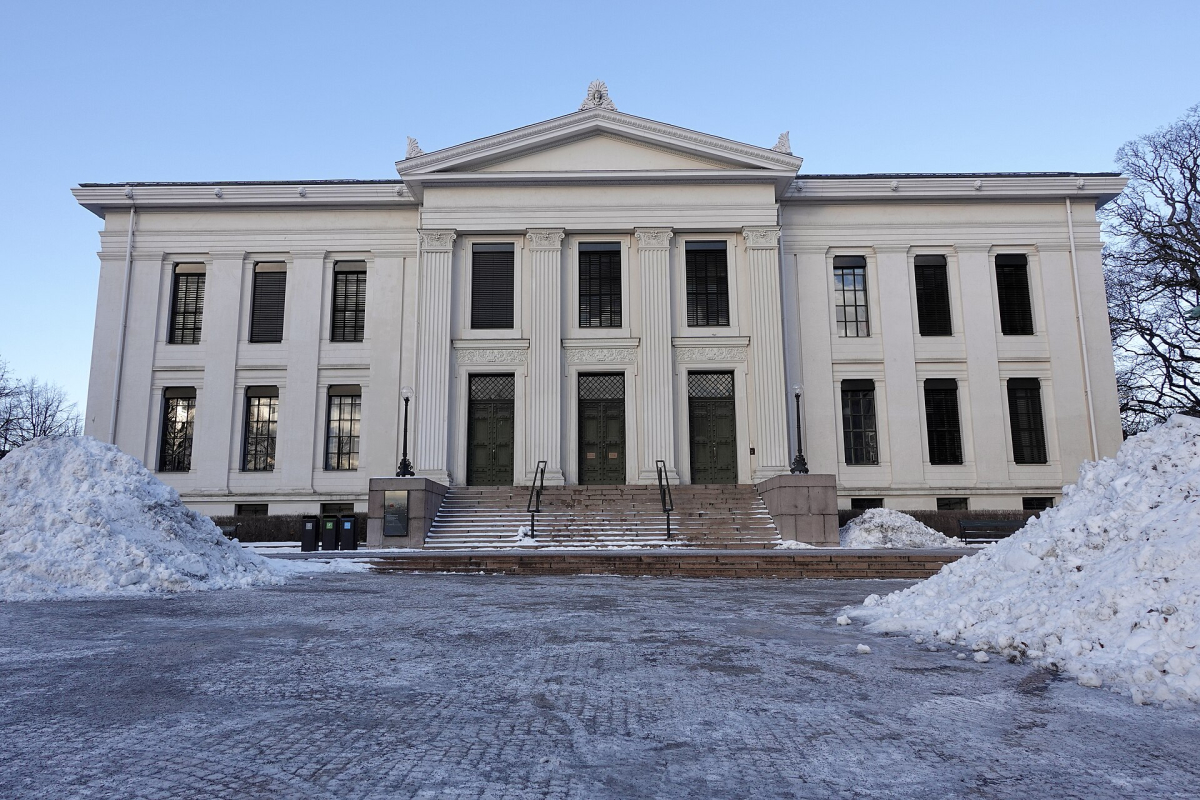
Oslo has marked seasonal contrasts. Its fjord setting moderates conditions compared with what many travellers expect from Norway, but winter still brings cold weather, snow and slippery surfaces. Summer can be warm enough for outdoor dining and swimming, while cooler evenings and rain still call for layers. Climate is a planning guide; a photograph of snow is not a promise of snow on your dates.
| Season and visitor preparation |
|---|
| Winter: Plan for cold, short days and potentially icy ground. Wear suitable footwear; check conditions before a forest trip or natural-ice activity. |
| Spring: Allow for changing conditions and cooler evenings. Keep a waterproof layer and an indoor alternative in your day plan. |
| Summer: Use the long evenings, but check actual ferry departures and attraction hours. Bring sun protection, a light extra layer and rain protection. |
| Autumn: Expect cooler conditions and shorter days as the season progresses. Leave daylight and transport margins for an outdoor outing. |
The official Oslo seasonal guide helps compare the visitor experience. For your departure date, use a current forecast and warnings through the Norwegian Meteorological Institute. This page avoids treating historical temperature extremes as current forecasts. See Best Time to Visit for a fuller seasonal decision.
Stations, Airports and Getting Around
Oslo S is the main railway station; Jernbanetorget is the adjoining central transport hub. OSL identifies Gardermoen airport, while TRF identifies Torp near Sandefjord. Check the code on your booking before selecting a transfer: they are not interchangeable airport names.
Use Ruter for local journey planning, including metro, tram, bus and regular ferry options. A central walk may be straightforward, while Bygdøy, an island or a forest destination can need a different service. Do not assume every sightseeing boat or airport service is included in an ordinary local ticket. The Getting Around and Airports & Transfers pages explain the options and current fares.
Small Practical Facts That Help Every Day
Power: use the 230 V / 50 Hz supply with a suitable plug. NTNU’s visitor information identifies Type F / Schuko sockets and the supply specification. A plug adapter does not convert voltage: read the input range on your charger or appliance.
Water: tap water is normally suitable for drinking unless a notice says otherwise, according to VisitOSLO. Refill a bottle from an appropriate drinking-water supply; do not extend this fact to untreated streams, ornamental fountains or every outdoor tap.
Addresses and opening times: save your accommodation’s full street address, entrance instructions and check-in arrangements. Verify the actual opening day of a museum or shop, particularly on a public holiday. A neighbourhood name or station name alone does not identify the entrance you need.
Quick Help and Where to Read More
For an emergency, call 113 for medical help, 112 for police or 110 for fire. Call 116 117 for urgent medical advice when help cannot wait and there is no immediate danger to life. The Health & Safety guide explains the services, hospitals and pharmacies; Useful Contacts provides the tourist centre, transport offices, lost-property channels and consular links.
Use Travel Essentials for documents, internet, payment and access preparation, and Itineraries to turn these facts into a one-, two- or three-day visit. Fares, exchange rates, event dates and opening hours need a date-specific check; the population’s reference period remains explicit even when those practical details change.



