
NORWAY · OSLO GUIDE
Oslo Itineraries: 1, 2 & 3 Days
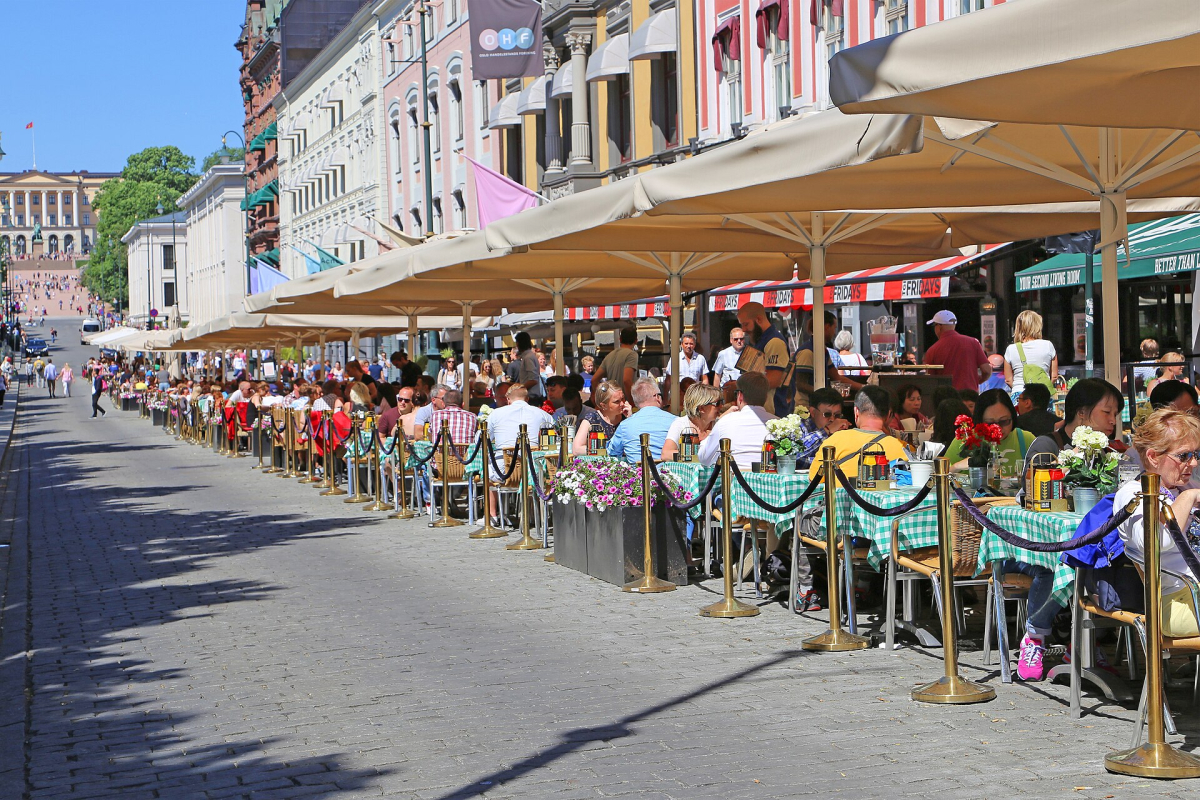
One day in Oslo is enough for the central waterfront and one substantial museum. With two days, add Bygdøy’s expedition museums; with three, give Frogner, the Royal Palace park and the National Museum their own day. These routes build on one another, so you can choose your trip length without repeating visits.
Allow full days already in the city: airport transfers, hotel check-in and departure time are additional. The clock times, walking allowances and visit lengths below are editorial planning estimates, not transport timetables or a promise of admission. Adjust them to your booked entry times, opening calendars, daylight and pace.
Choose Your 1, 2 or 3 Days in Oslo
| Days | Route | Paid visits | Pace |
|---|---|---|---|
| 1 day | Bjørvika → Akershus → western harbour | MUNCH, or replace it with the National Museum | About 7–8 hours including lunch and walking |
| 2 days | Day 1 above + Bygdøy | Add Fram and Kon-Tiki; Folkemuseum is an alternative | Day 2 about 6–7 hours with return transport |
| 3 days | Days 1–2 above + Frogner and western centre | Add the National Museum if not visited on Day 1 | Day 3 about 8 hours; City Hall is optional |
These routes favour meaningful visits over collecting every landmark. See Oslo Attractions for collection highlights and venue-specific access details, and the city map for orientation.
1-Day Oslo Itinerary: Bjørvika, Akershus & the Harbour
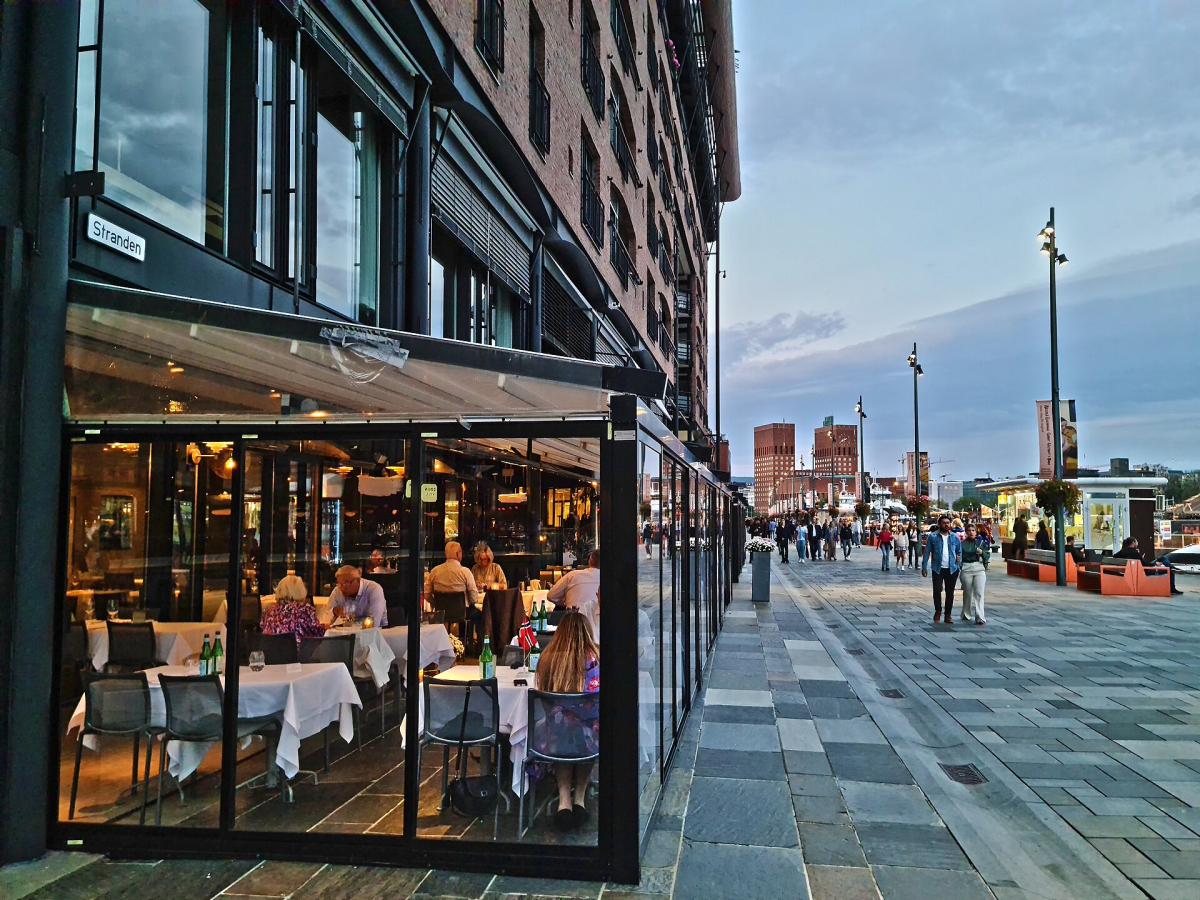
Route: Oslo S → Opera House → Deichman Bjørvika → MUNCH → Akershus Fortress → City Hall waterfront → Aker Brygge. Start at Oslo S/Jernbanetorget, a useful meeting point for rail, metro, tram and bus arrivals. Finish at the western waterfront, with Nationaltheatret a practical return hub.
| Time & stop | Next leg |
|---|---|
| 09:00–09:45 Walk from Oslo S to the Opera House and explore the exterior: about 45 minutes together | 5–10 minutes on foot to the library; leave the rest as a pause |
| 10:00–10:25 Deichman Bjørvika: about 25 minutes for a brief look inside, when open | Allow 20–30 minutes for the walk to MUNCH, lockers and arrival buffer |
| 11:00–13:00 MUNCH: about 2 hours for selected galleries | Choose lunch in Bjørvika rather than travelling across town |
| 13:00–14:00 Lunch and a seated break: 1 hour | Allow about 30 minutes to reach a public Akershus entrance via the central waterfront |
| 14:30–15:30 Akershus Fortress grounds: about 1 hour, following signed public routes | Allow 15–20 minutes towards the City Hall waterfront |
| 15:50–16:30 City Hall Square and Aker Brygge promenade: about 40 minutes outside | Allow a further 15–25 minutes if walking to Nationaltheatret or part of Karl Johans gate |
How to Make Day 1 Work
Keep the Opera House visit architectural: a performance or guided tour needs a separate reservation and time block. The roof is optional and depends on opening and surface conditions. A ground-level waterfront walk avoids relying on the roof in rain or ice. Deichman is a working public library, so keep a brief visit considerate and check its current opening information; if it opens later on your date, skip it or visit after lunch without squeezing the museum.
Book MUNCH ahead when possible. Its visitor guidance places the building about ten minutes’ walk from Oslo S and the Bjørvika stop about 250 metres away. The route above deliberately takes longer to enjoy the waterfront. A two-hour gallery visit is selective; add an hour if the exhibition is your priority and shorten the afternoon walk.
Akershus here means the outdoor grounds, not admission to all its museums. Follow the fortress’s public access instructions; cobbles, slopes and closed gates can change the approach. The City Hall stop is also exterior: arriving near 16:00 does not leave a useful indoor visit before the municipality’s usual closing time. The three-day route makes room for the interior earlier.
Prefer the National Museum to MUNCH?
After the Opera House, walk west via the fortress and harbour, then have lunch and reserve the National Museum as the main afternoon visit. Allow 2–3 hours in the collection and leave MUNCH out. This changes the order without adding a second major art museum. If staying three days, use the final afternoon for a neighbourhood walk or an exhibition you have not already seen.
Less walking: Keep Bjørvika and the booked museum, then use Ruter to plan a bus or tram connection towards the western centre. Check the full route from the stop to the public entrance; a short vehicle ride can still leave slopes at Akershus. Finishing after lunch is a valid shorter version.
2-Day Oslo Itinerary: Add Bygdøy’s Museums

Day 1: Follow the central route above. Day 2: Make one return trip to Bygdøy for Fram and Kon-Tiki. These neighbouring museums form a manageable expedition day; the peninsula is not a quick stop between two central appointments.
| Time & stop | Transport / buffer |
|---|---|
| 09:00–10:00 Travel from central Oslo to the Bygdøynes museum cluster | Allow 45–60 minutes door to door, including walking, waiting and the final approach |
| 10:00–12:00 Fram Museum: about 2 hours | Leave the ship and gallery route time to breathe |
| 12:00–13:00 Lunch and a waterfront break: 1 hour | Check café opening before relying on a particular lunch stop |
| 13:00–14:30 Kon-Tiki Museum: about 1–1.5 hours, including the short walk from Fram | The two museums are neighbours; no cross-city transfer is needed |
| 14:30–15:30 Return towards the centre | Keep 45–60 minutes for the complete return; add more if your next departure requires it |
| After 15:30 A café, short central stroll or rest before dinner | Keep this flexible rather than booking another distant museum |
Bus 30 or the Bygdøy Boat?
Use bus 30 as the straightforward planning option from the central corridor. Check the dated journey to Fram or Kon-Tiki in Ruter’s journey planner, including the final stop and walk. The 45–60-minute allowance above is a planning margin, not the bus’s advertised running time.
The Bygdøy boat is an alternative only when an actual sailing fits your date. Check the operator’s current timetable, pier and ticket rules: Bygdøynes serves Fram and Kon-Tiki; Dronningen is the other landing, useful for the Folkemuseum side of the peninsula. A standard Ruter ticket is not valid on this tourist ferry. Check Oslo Pass inclusion separately, and do not plan the day around an assumed year-round or late return departure.
Fram’s current visitor information lists bus 30 and combined tickets with neighbouring museums. Buy a combined ticket only if both visits suit your group and opening times. The building’s accessible route does not make every part below deck accessible; ask specifically about the ship spaces you want to enter.
Swap in Norsk Folkemuseum, Rather Than Adding a Third Museum
For historic buildings and Norwegian daily life, replace the Fram–Kon-Tiki pair with Norsk Folkemuseum. Take bus 30 to Folkemuseet, allow about 3 hours for a selective indoor and open-air visit, then have lunch and decide whether a short second visit still makes sense. Its daily opening, building access and activity programme matter more than a generic museum listing. An outdoor path and a historic threshold need different access checks from a modern gallery.
With young children, one museum plus lunch and a relaxed return can be the full day. If the forecast is good and parks are the priority, replace Day 2 with the Frogner and palace route below, omitting the extra art museum. This is a choice between two different outings, not an instruction to complete both in one afternoon.
3-Day Oslo Itinerary: Add Frogner, the Palace Park & Art
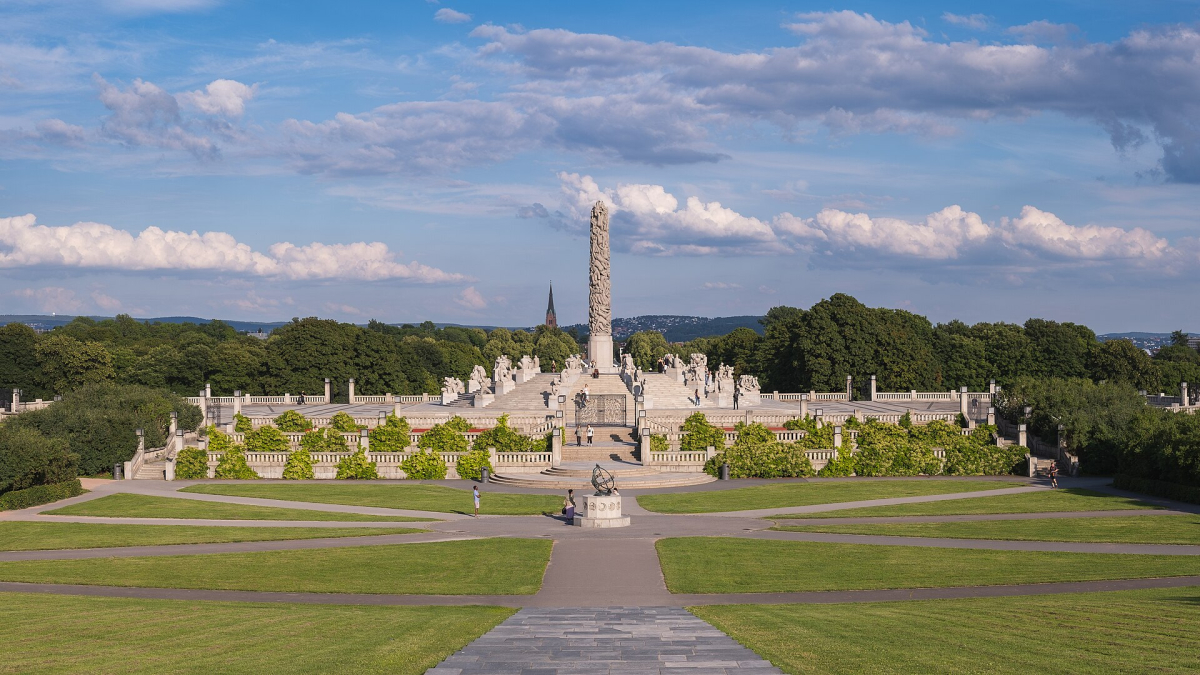
Days 1–2: Use the central waterfront and Bygdøy routes. Day 3: Start with Vigeland Park while you are fresh, then return towards the palace and western centre. Finish with the National Museum if you chose MUNCH on Day 1. Day 2 and Day 3 can trade places to fit the forecast and venue calendars.
| Time & stop | Next step |
|---|---|
| 08:30–09:00 Travel from central Oslo towards Frogner | Allow about 30 minutes; check your actual stop and first walk |
| 09:00–10:30 Vigeland Park: about 1.5 hours for the main sculpture axis | Bridge → Fountain → Monolith; shorten or reroute around difficult surfaces |
| 10:30–11:15 Return towards Nationaltheatret | Allow about 45 minutes for park exit, waiting, ride and walk towards the palace |
| 11:15–12:00 Royal Palace exterior and public park: about 45 minutes | This block does not include a palace interior tour |
| 12:00–13:15 Lunch, rest and walk towards City Hall | 75 minutes together; keep the meal close to this western-centre route |
| 13:15–14:00 Optional City Hall interior: about 45 minutes if open and the queue is short | If closed or screening takes too long, use the waterfront and save your museum arrival |
| 14:00–14:15 Walk to the National Museum and enter | Allow 15 minutes; add time if the entry queue requires it |
| 14:15–16:45 National Museum: about 2.5 hours | Choose collection sections before arrival; confirm opening and last admission |
Transport and Access on Day 3
The Vigeland operator identifies tram 12 and bus 20 as useful park approaches; Frogner plass is the stated stop for the separate indoor Vigeland Museum. Check the best stop for your chosen park entrance in Ruter instead of assuming the museum entrance is the start of every park route. The park is free and always open, while the indoor museum has a separate calendar and ticket. It is not included in this day’s timetable.
Nationaltheatret is the Royal Court’s stated transport approach. Keep the palace stop outdoors unless you have specifically booked a summer interior tour; fitting that tour means removing another stop. The main park and the more seasonal Queen’s Park have different access periods.
Check the municipality’s City Hall visitor calendar: it currently lists Sunday closure and additional event closures, with security screening for everyone. Keep it optional so it cannot derail the National Museum visit. The National Museum’s own opening calendar controls the final block. If a booking or closing time is earlier, go straight there after lunch.
Prefer Nature on the Third Day?
Keep Vigeland Park and replace the afternoon art block with a quieter outdoor outing, rather than stacking it after the museum. Sognsvann is an option for a forest-side break reached by metro; use a dated Ruter journey and allow the outward and return travel as well as time outside. In poor light or icy conditions, stay with a shorter central park walk. The parks and outdoor guide explains the alternatives; this substitution removes the National Museum and usually City Hall from that day.
Transport, Tickets & Realistic Time Buffers
| Route segment | How to plan it | Time to protect |
|---|---|---|
| Oslo S–Bjørvika | Walk; nearby Bjørvika tram/bus stops offer an alternative approach | 10–20 minutes direct to the museum area; longer when sightseeing |
| Bjørvika–Akershus–western harbour | Walk via public entrances, or use Ruter to shorten the cross-centre leg | About 30 minutes to Akershus, then 15–20 minutes towards City Hall, excluding visits |
| Central Oslo–Bygdøy | Bus 30; boat only with a confirmed suitable timetable | 45–60 minutes each way as a door-to-door planning allowance |
| Centre–Frogner | Tram/bus approach selected for your entrance; Ruter checks current route changes | About 30 minutes out, 45 minutes back including park exit and palace approach |
| Palace–City Hall–National Museum | Walk between nearby western-centre stops | Keep meal time, entrance checks and the museum’s last-admission rule separate |
Check the current Ruter fare for the zones and duration you need. The first day can be mostly on foot; the Bygdøy and Frogner days make public transport more useful. Compare the Oslo Pass with individual museum and transport tickets only after choosing your visits, using the city passes and tickets guide. Do not buy a pass merely to make an overfilled itinerary look economical.
Adjust for Weather, Children or a Short Stay
- Rain: Put MUNCH or the National Museum in the wettest block. Keep the Opera House exterior brief; do not depend on the roof. A Bygdøy day with two indoor museums can work well if transport is running normally.
- Winter or short daylight: Use daylight for the park and fortress, then move indoors. On the shortest days, swap the Day 1 museum and fortress order if opening and booking times allow, or omit the fortress. Check icy surfaces before following a direct walking line.
- Children: Choose one substantial museum per day, shorten gallery time and keep lunch and a playground or park break. See Family Travel for pram and age-related planning.
- Limited mobility: Check stop access, vehicle boarding, entrance, lifts and toilets for the complete route. Slopes at Akershus, the Opera House roof, park steps and historic ship interiors need separate decisions. Read the accessibility checks.
- Late arrival or departure day: Treat the remaining hours as a half-day. Choose Bjørvika plus one nearby visit, or the western waterfront, and keep airport and luggage arrangements outside the sightseeing schedule.
Day Trips From Oslo: Replacements for an Extra Day
Choose one of these if you have an extra day, or replace a city day that interests you less. Neither is an addition after the full Bygdøy itinerary. The overall allowances include visits, meals and travel margins; actual departures must be checked for your date.
Drøbak & Optional Oscarsborg: A Small-Town Waterfront Day
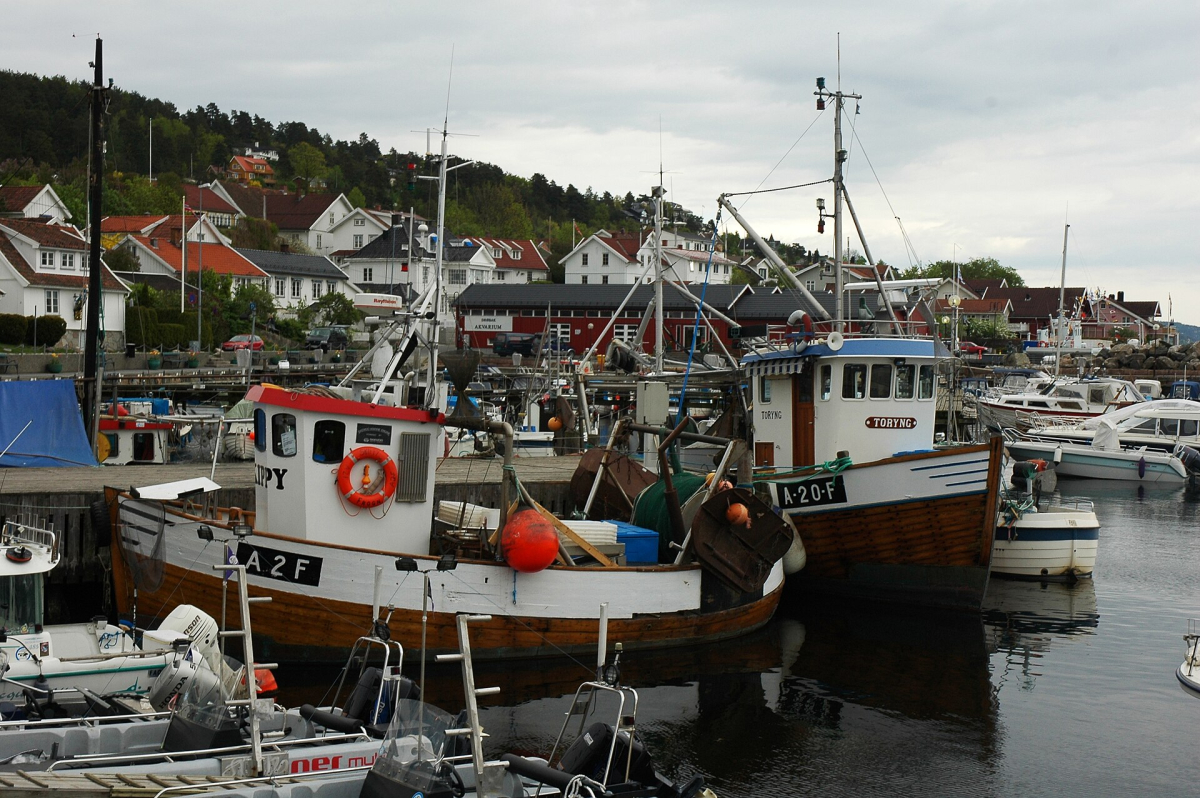
Allow: Around 6–8 hours overall, longer if connections or an island visit require it. Begin with the journey to Drøbak, spend 2–3 hours on the town, harbour and lunch, then add Oscarsborg only if the ferry schedule leaves a worthwhile visit and return margin.
Transport: Bus 500 from Oslo Bus Terminal is a useful starting route. Entur describes the direct bus trip as under an hour; allow more door to door for reaching the terminal, waiting and the final walk. Consult Entur’s Oslo–Drøbak journey information and the destination’s transport guidance for current alternatives.
Adding Oscarsborg: The separate ferry runs from Sundbrygga, north of central Drøbak, with additional central departures in some seasons. Check the fortress ferry timetable and ticket arrangements, transfer time and last practical return before leaving Oslo. Do not assume the Oslo bus ticket pays for that crossing. If the connection is awkward, keep the day in Drøbak rather than racing between piers.
Henie Onstad Kunstsenter: Art & Landscape at Høvikodden
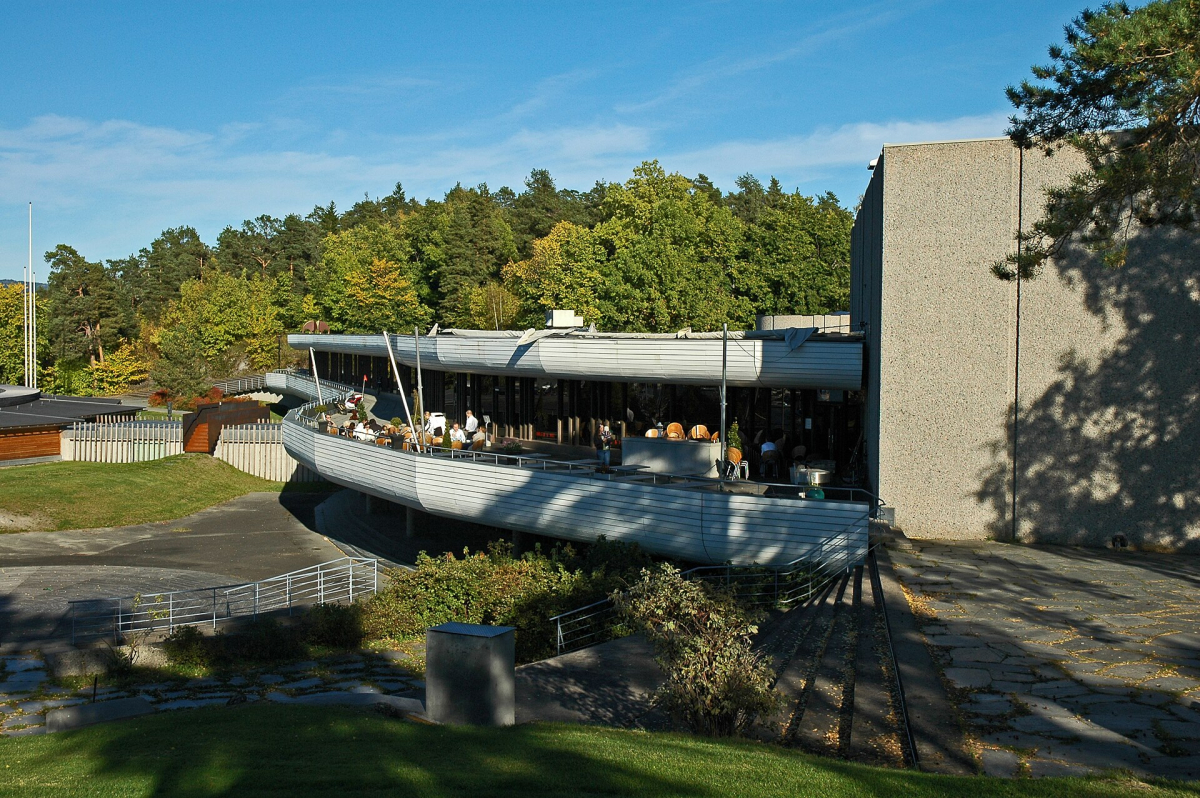
Allow: Around 4–6 hours overall: roughly 2 hours for selected exhibitions, 45–60 minutes for lunch or a break, an optional short outdoor walk and travel both ways. Choose it for the actual exhibition programme, not simply because it is another museum near Oslo.
Transport: Check a dated Ruter journey to Sonja Henies vei 31, Høvikodden, including the final walk. The official destination listing identifies bus 160 as an approach; use the planner’s current stop and entrance route rather than treating a stop name alone as an accessible arrival. Keep 45–60 minutes each way as a planning margin from the centre, adjusted to your actual departure point.
Check Henie Onstad’s exhibition and opening calendar before choosing the day, and verify any restaurant plan separately. The outdoor setting can extend a fine-weather visit; it does not replace checking whether the galleries you want are open.
Common Itinerary Questions
Is one day enough for Oslo?
It works for the central waterfront and one main collection. Bygdøy, Frogner, the forest and both major art museums need more time or substitutions. Pick the experience you most want and keep the remaining stops nearby.
Do I need to reserve every stop?
Reserve the museum, tour or performance that requires or benefits from advance booking. The outdoor walks have no timed reservation in these routes, but opening restrictions, events and weather can still affect access. Do not use a ticket to one venue as a general city admission pass.
Can I change the order of the days?
Yes. Place the western-centre day around the National Museum’s calendar, put Bygdøy on the day with suitable transport and give the park the better weather window. Keep all reservations and return journeys consistent when moving a day.
Planning conditions checked 18 October 2026 using the linked venue, operator and official destination sources. Suggested schedules and transfer margins are editorial estimates. Confirm the current calendar, departure, ticket and access details before booking. Photograph dates describe the image, not a guarantee of today’s businesses, exhibitions or conditions.


.jpg)


