




Sign in
For Photos4Travel editors and team members.
Norway Food & Drink: What to Try and How to Plan Meals
Europe · Norway guide
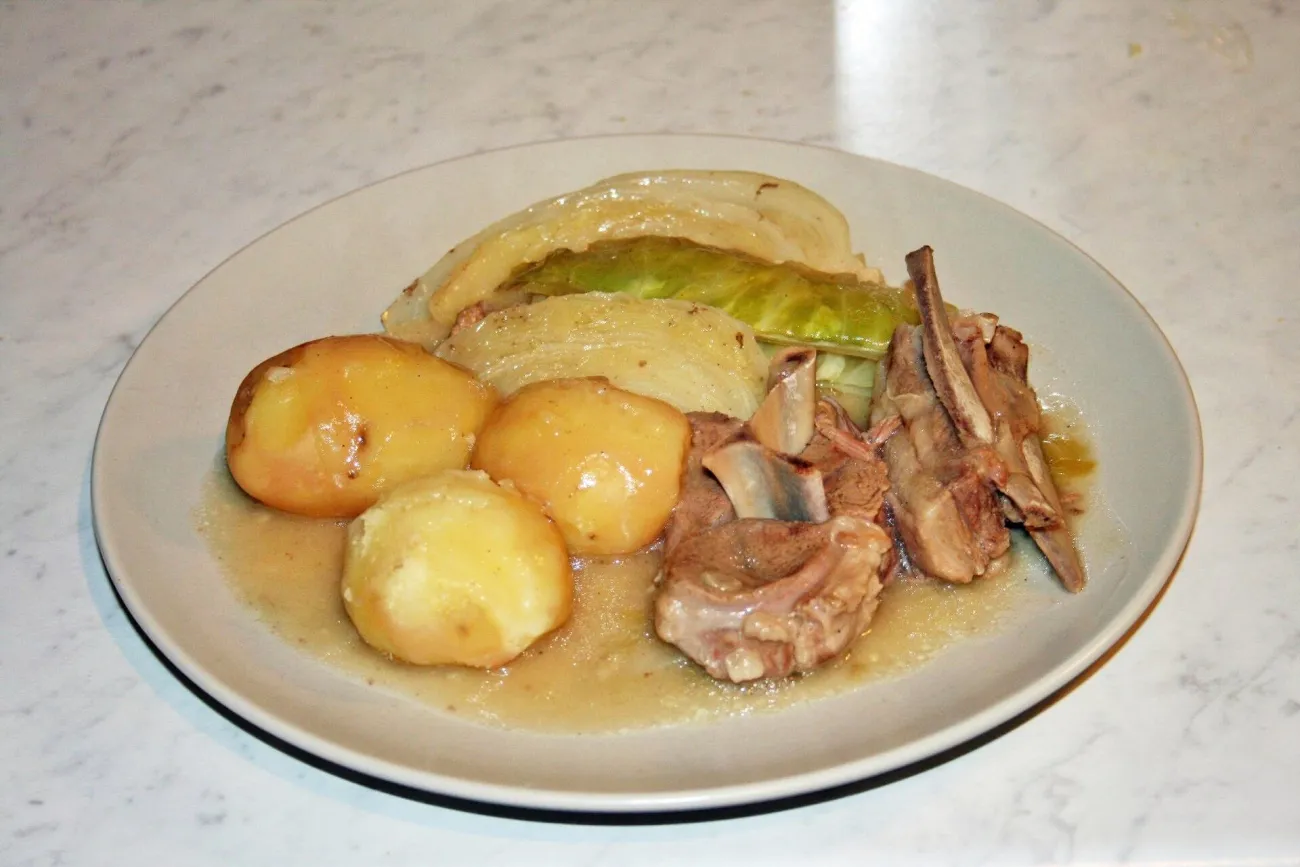
Eating in Norway can be a series of small discoveries as well as a restaurant itinerary: brown cheese at breakfast, a bakery bun with coffee, fish in a coastal town or a carefully chosen dinner. You do not need an expensive tasting menu every evening to experience local food.
Plan meals around the route and your dietary needs. A city food hall, a fjord hotel and a remote cabin offer different choices, opening patterns and price structures. This guide covers dishes, dining decisions and evenings out; Travel Costs & Money explains the wider budget model.
What to try first
| Food or drink | What to expect | Useful question |
|---|---|---|
| Brunost | Sweet, caramel-like brown cheese | Which milk blend or variety is this? |
| Fårikål | Lamb or mutton and cabbage stew | Is it on the seasonal menu today? |
| Skolebolle / skolebrød | Sweet bun with custard, icing and coconut | Which allergens and fillings does this version contain? |
| Fish soup or a fish dish | A locally varying preparation | What fish is used, and what is in the stock or sauce? |
| Norwegian waffles | Waffles commonly served with chosen toppings | What toppings are included? |
| Coffee and a bakery item | A simple food-and-drink stop | Is table service or counter ordering used? |
Names are a starting point, not a dietary guarantee. Recipes change, and the sauce or garnish can matter as much as the main ingredient. Ask the venue about the dish actually being served rather than relying on a generic translation.
Brown cheese, stews and bakery stops
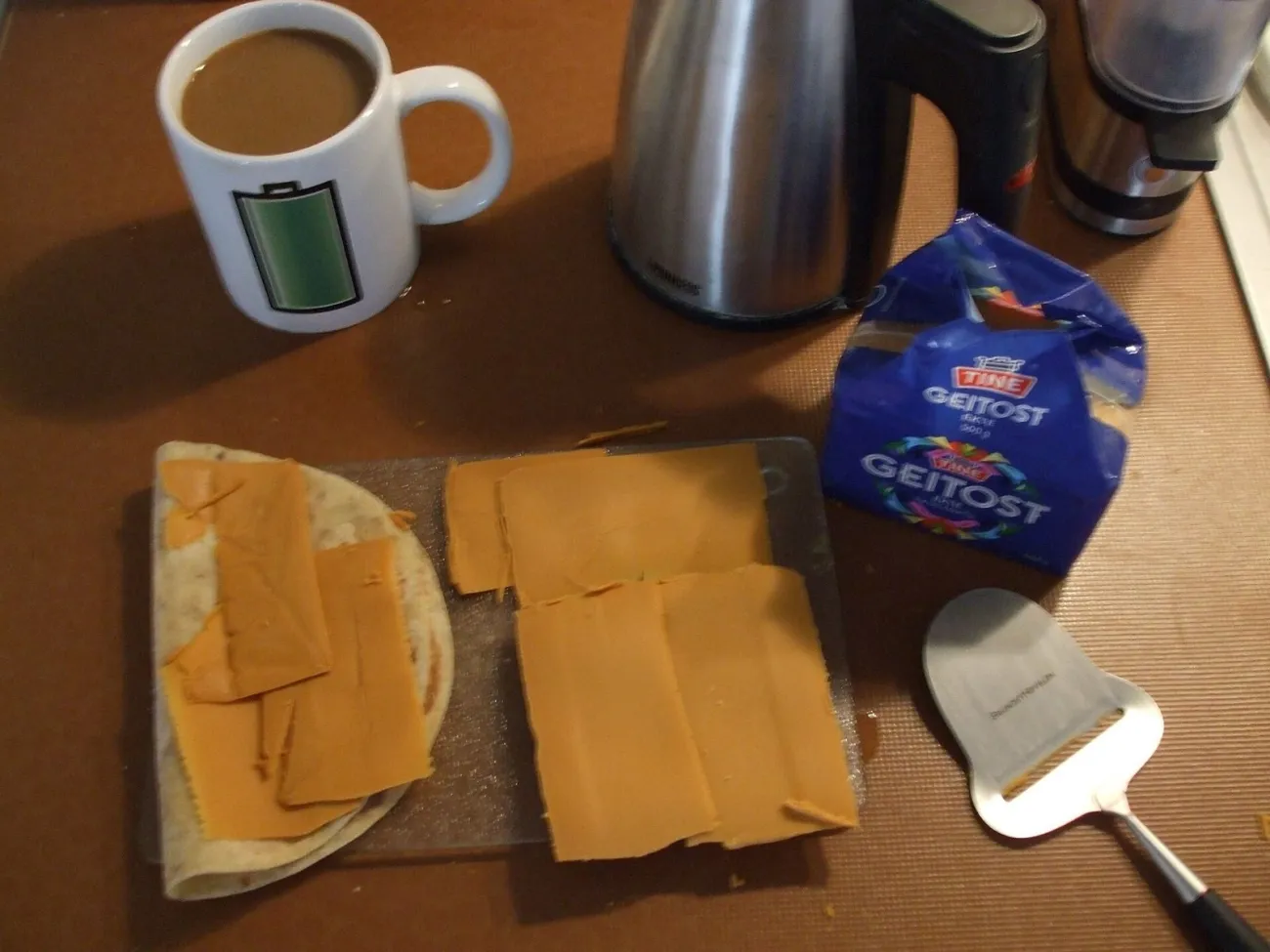
Visit Norway’s brunost guide describes the variety of sweet brown cheeses associated with Norwegian food traditions. Try a small portion on bread or another suitable accompaniment before buying a large package. Different blends have different flavours, so a first taste need not represent every version.
Fårikål is a lamb or mutton and cabbage dish associated particularly with autumn. Do not assume that a restaurant serves it throughout the year. A traditional name can also conceal a recipe variation, including flour used for thickening, so check ingredients when necessary.
For something simpler, look for skolebolle or skolebrød, waffles, cinnamon buns and other Norwegian baked goods. A bakery stop can fit naturally before a train journey or between nearby sights. Check opening time if it is meant to supply breakfast before an early departure.
Seafood: ask about the preparation and season
Coastal Norway provides many opportunities to try fish and other seafood, but a restaurant’s location does not establish that every item is locally caught or in season. Read the menu and ask about the specific ingredient if provenance matters to you.
Compare a simple fish dish, soup or lunch with a larger restaurant dinner according to your appetite and budget. A soup can contain dairy, shellfish or another stock ingredient that is not obvious from its name. A vegetarian-looking garnish does not establish that the whole dish is vegetarian.
For a seafood-focused meal, choose the venue deliberately and leave time to enjoy it rather than squeezing it between transfers. Check the kitchen’s closing time separately from the bar’s opening hours. A late arrival in a small village is a poor moment to discover that dinner required advance arrangement.
Coffee culture and ordinary meals

A café can be a useful pause in a city or village day. Compare a bakery counter, a sit-down café and a restaurant lunch rather than assuming one price category applies to all. Read whether you order at the counter, wait to be seated or collect the food yourself.
Choose a few ordinary meals alongside the special ones. Groceries, an included hotel breakfast and a picnic can make the route easier when they suit your accommodation and schedule. A picnic still needs preparation, somewhere appropriate to eat and a way to carry rubbish away.
Do not make a coffee shop your only weather backup if you need a long indoor visit. In busy places, a small café is also a working business with limited tables. Combine the break with a museum or other indoor option when the weather changes an entire afternoon.
Dining costs and reservations
Build the food allowance around the days you will actually have: one with a kitchen, one on a tour with lunch included, and one at a fjord hotel may need different amounts. Compare menus with the drinks and extras you intend to order, not just the least expensive main course.
Ask whether breakfast is included in your rate and whether a cabin has usable cooking equipment. Add cleaning or delivery charges where relevant. A kitchen is less useful if the nearest accessible shop closes before you arrive, so check groceries as part of the accommodation decision.
Reserve important dinners when the venue or occasion matters. Give the restaurant the correct party size and dietary requirements, and understand cancellation terms. For an everyday meal, keep a second nearby option so that a full dining room does not turn into an unplanned long journey.
For a working food allowance, our Norway budget model uses NOK 250–400 per person per day for an economy mix, NOK 450–650 for a middle range and NOK 700–1,000 for a more comfortable mix. These are editorial allowances, not menu quotations or a luxury ceiling. Decide how many breakfasts are included, which days permit groceries and which dinners matter; add alcohol and special meals according to what you intend to order.
Dietary requirements and allergies
Use a clear ingredient request and distinguish a preference from an allergy. Ask about cross-contact when it matters, and do not infer safety from an English menu label alone. A staff member needs to confirm the preparation of the actual dish, including stock, sauce and shared equipment.
Cities can offer a wider range of choices than a smaller settlement, but availability still depends on the venue and day. For a long excursion, tell the organiser early and confirm whether the provided food meets your needs. Carry a suitable backup when a missed meal would create a problem.
Keep written dietary information in a form you can show staff. If your requirement is complex, contact the accommodation or restaurant before arrival rather than relying on a busy evening conversation. An attractive food photograph provides no evidence about ingredients or preparation.
Alcohol shopping and Vinmonopolet
Check alcohol shopping before the evening you need it. Vinmonopolet’s published opening information gives general patterns and exceptions, with local shop hours to verify. Restaurant service, supermarket sales and a specialist shop do not have identical schedules or conditions.
The retailer’s age rules distinguish products below 22% alcohol, for which the purchasing age is 18, from products at 22% or above, for which it is 20. Bring accepted identification and check the venue’s own entry policy; a club can have a different admission age from the legal purchasing threshold.
Alcohol costs can change a restaurant budget considerably. Compare the full intended meal, and choose according to your own preferences rather than assuming drinks must accompany every local food experience. Do not combine drinking with a planned drive.
Vinmonopolet’s general shop hours, checked 25 November 2026, are Monday–Friday 10:00–18:00 and Saturday 10:00–16:00, with local exceptions. Shops close on Sundays, public holidays and 17 May. Check your actual branch before a remote stay; a restaurant licence and supermarket beer sales follow different arrangements.
Nightlife in Oslo, Bergen and Tromsø
Decide what kind of evening you want: a quiet bar, a meal with conversation, live music or a club. These lead to different venues and finishing times. Search the actual programme or event date, then arrange the way back before the evening starts.
In Oslo, choose an area that fits both your interests and accommodation. In Bergen, compare a performance or city-centre evening with the following day’s early fjord departure. In Tromsø, remember that a late aurora outing already occupies an evening and can affect the next morning; you do not need another late booking around it.
Check door policies, identification, ticket inclusions and the last useful transport. A venue’s bar hours do not establish its kitchen hours. Keep a backup payment method and a practical route to the hotel, especially in winter when a short distance may be unpleasant on foot.
Opening hours, age limits and the journey back
There is no single national bar timetable. Ask the venue for its opening, last-entry and kitchen times. The legal purchase/service threshold is 18 for drinks below 22% alcohol and 20 at 22% or above; a venue may impose a higher admission age. Carry accepted photo identification.
| City | Hours to understand | Evening plan |
|---|---|---|
| Oslo | Municipal rules cap alcohol service at 03:00; location-specific opening limits apply. | A city-centre or Grünerløkka evening can combine food and bars. Check the last useful bus, tram or metro for the actual weekday. |
| Bergen | Ordinary service ends at 02:00, with qualifying extensions to 03:00. | Choose a central bar or performance and leave an early fjord departure free of a very late night. |
| Tromsø | Ordinary service limits are 01:30 Sunday–Thursday and 03:00 Friday–Saturday; holiday and major-festival exceptions apply. | Keep aurora-tour nights separate from a planned bar evening. Allow for icy streets and a limited late connection. |
These are licensing limits, not a promise that a bar opens or serves until that time. Use the journey-planning advice in Getting Around to check the specific stop and last departure. Budget for a lawful taxi alternative if the return service does not fit.
Festivals and events: dates that can shape your stay
Choose the event before fixing the hotel nights. A festival can give a city stay a clear focus, but ticket availability, venue location and accommodation are separate bookings. The dates below are the next announced editions checked on 25 November 2026; follow the organiser for programme changes and future editions.
| Event / base | Date | What to plan |
|---|---|---|
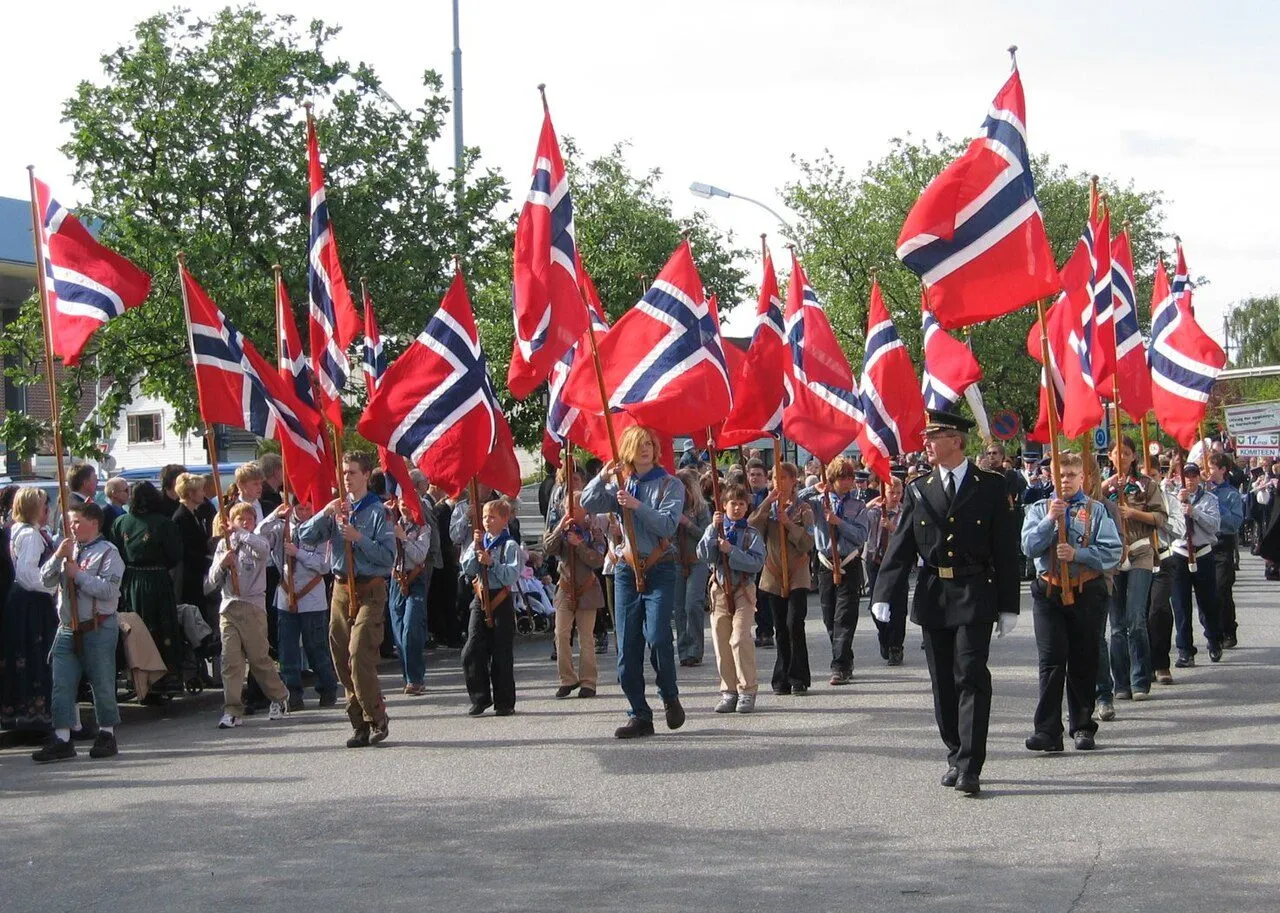
| Syttende Mai / nationwide | 17 May annually; the next is 17 May 2027 | Constitution Day parades and celebrations. Recheck local programmes, restaurant reservations, public-holiday openings and city-centre access. |
| Tromsø International Film Festival / Tromsø | 18–24 January 2027 | Choose lodging convenient for screening venues. Do not put a fixed screening and a long aurora outing in the same evening. |
| Øyafestivalen / Oslo | 11–14 August 2027 | Check the correct day ticket or pass and the return from the festival. Compare accommodation before committing to non-refundable transport. |
| Bergen International Festival / Bergen | 26 May–12 June 2027 | Choose performances by venue and time, leaving the following morning’s fjord connection realistic. |
For Syttende Mai, take part as a considerate spectator and allow extra time around parade routes. The public holiday also changes practical shopping plans: Vinmonopolet is closed. A restaurant’s celebratory menu may need a reservation even if you would normally walk in.
For the ticketed festivals, compare the total stay rather than assuming that every property raises prices or that a pass includes all performances. Check live room availability, refundable terms and the distance from the last venue to your bed. Our Where to Stay section helps choose a base; the Norway itineraries can then be adjusted around the booked event.
Syttende Mai: plan around a public celebration
Choose a town where you can spend the day rather than trying to chase several parades. Check the local programme, accessible viewing positions and temporary transport changes. For a family, agree on a meeting point before joining a busy street and leave time for food and a break. Book a celebratory restaurant meal separately; watching a procession does not secure a table. Everyday errands may need doing before the public holiday.
TIFF: build the day around screenings
Choose the films and venues first, then decide how many winter activities fit around them. Read TIFF’s ticket support information before buying a Ticket Card: check how it is used for particular screenings, the current refund terms and the late-arrival policy. Leave walking and coat-storage time between venues. A long aurora outing and a fixed evening screening are competing plans; keep separate nights for them.
Øyafestivalen: choose the ticket before the hotel nights
Compare a selected festival day with a longer stay using the organiser’s practical and ticket information. Match the ticket date to the published daily programme; an artist announcement alone may not tell you which day to attend. Check entry, age and permitted-bag rules for your ticket, then plan the actual journey back. Outdoor performances also need clothing for the forecast and a practical way to carry essentials.
Bergen International Festival: check the exact venue
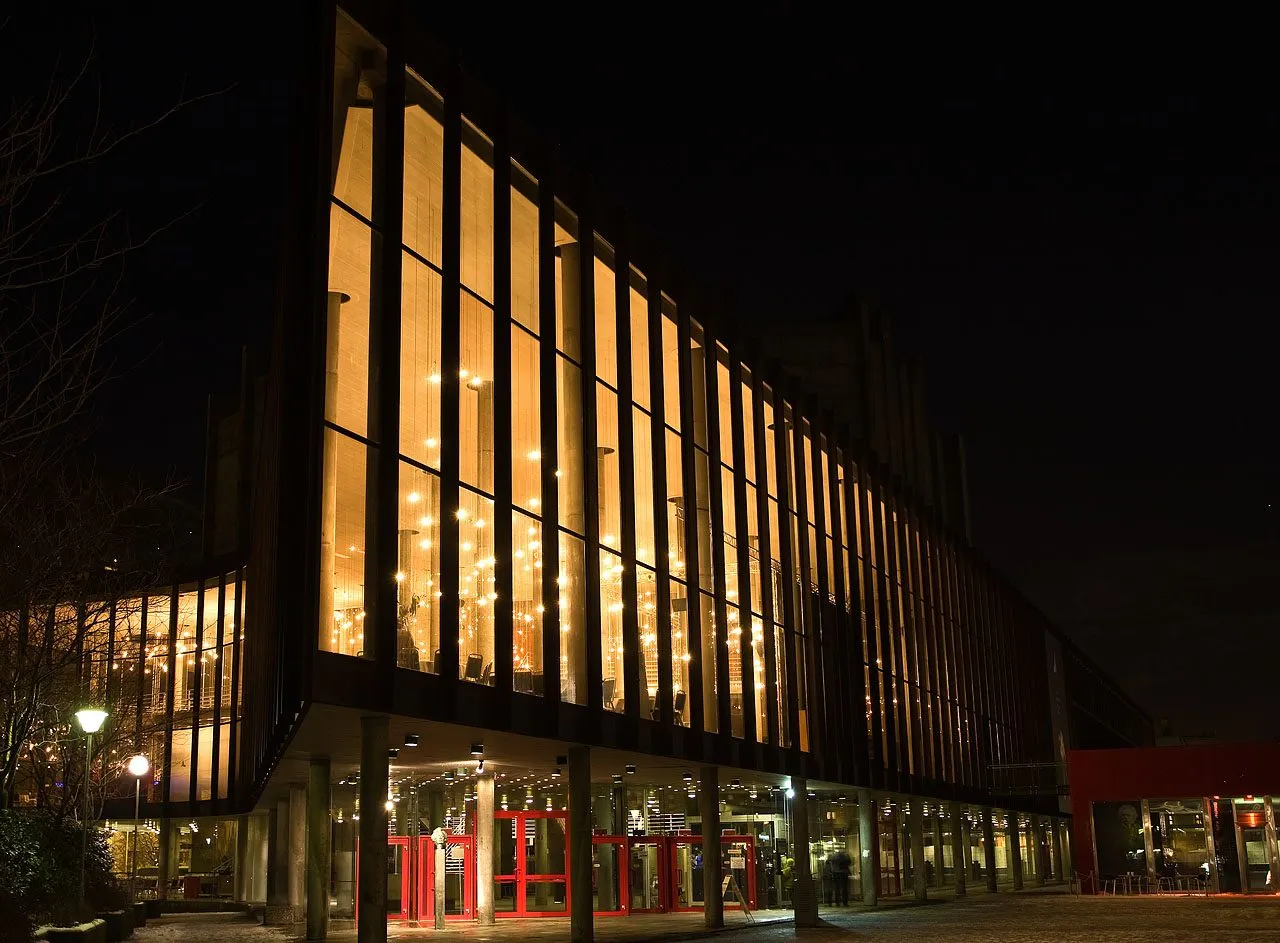
The festival’s Grieghallen guide identifies it as the main venue and recommends first-time visitors arrive about 30 minutes before a performance. The wider programme uses other venues too. Confirm the hall on your ticket, check step-free access and book any required wheelchair space in advance. Leave a meal break before the performance rather than relying on an interval for dinner.
A short booking check for any event
- Reserve the performance or screening you want, then align the hotel nights and arrival time.
- Compare refundable accommodation and the full stay cost; a cheaper room far away may add late transport.
- Keep the event ticket, venue address and return connection available offline.
- Check programme changes shortly before travelling and protect an early flight or fjord departure from a very late night.
Shopping for food, wool and local design
For an edible souvenir, check storage, baggage and the destination country’s import rules before purchasing. A vacuum pack does not automatically make a food item suitable for every border. Buy quantities you can transport and use rather than treating airport retail as a universal exemption.
For wool clothing or design products, distinguish Norwegian design, a Norwegian brand and manufacture in Norway. Read the label and compare the item you actually want. Tax-free shopping depends on eligibility, retailer participation and the export process; ask for the current written procedure before assuming a refund is available.
Wool, Scandinavian design and Tax-Free shopping
Compare Dale of Norway knitwear with Devold’s wool clothing by fit, fibre content, warmth and care instructions. Brand nationality is not a manufacturing label: Devold describes production at its own Lithuanian factory. For Scandinavian design, choose an item you will use and check the maker, material and packaging before buying ceramics or another fragile souvenir.
Global Blue’s Norway rules, checked 25 November 2026, generally require permanent residence outside Norway, Sweden, Finland and Denmark. Its published minimum is NOK 315 for standard goods and NOK 290 for food. Ask a participating shop for the form when paying, keep unused goods available for inspection and arrange export validation within one month, including the issue date. Fees reduce the refund; it is not the full VAT percentage paid back. Confirm the departure refund office and its hours before putting goods into checked baggage.
Choose a purchase you will use
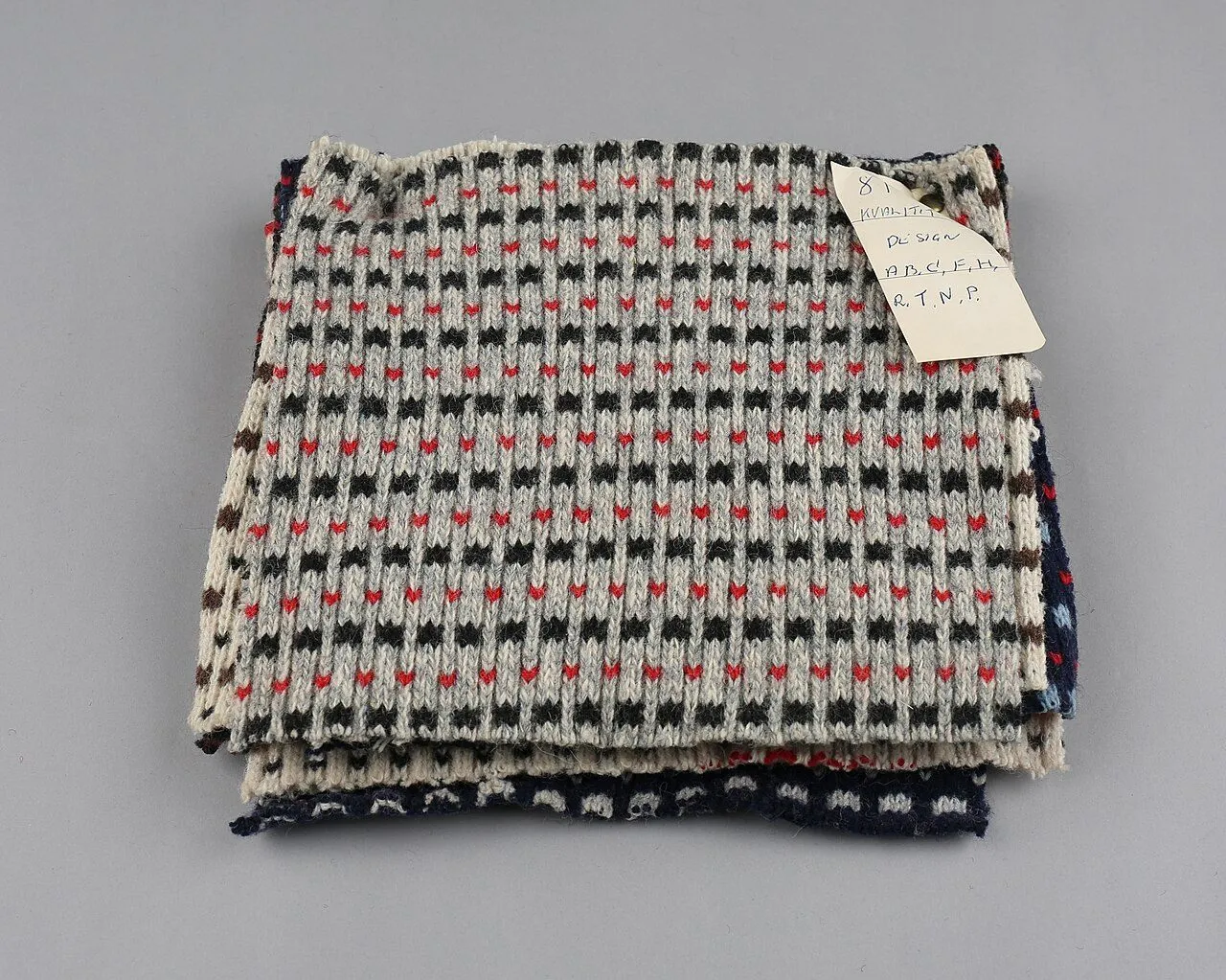
| Purchase | Why choose it? | Check before paying |
|---|---|---|
| Patterned wool sweater | A wearable reminder of Norwegian knitting traditions | Try the fit over your normal layer; read fibre content, manufacturing origin and washing instructions. |
| Wool base layer or accessories | A smaller practical purchase for the rest of the trip | Compare warmth, comfort against skin and care needs, rather than choosing by brand alone. |
| Local or Scandinavian design | A useful textile, wooden item or piece of ceramics | Ask who made it and where; consider fragile-item packing and baggage space. |
| Edible souvenir | A small taste of the food you enjoyed | Check storage, expiry, transport and your destination’s current import rules before buying. |
Fit shopping into the route
Use a city stay for comparison shopping when you have time to try garments and ask about materials. On a fjord or island route, confirm the actual shop’s hours before making a detour. Keep the receipt and written return terms; do not assume that a shop will accept a change-of-mind return after you leave the area. Compare the final price and usefulness of the item before treating a discount or tax refund as a saving.

Tax-Free: arrange the paperwork before departure
- Confirm that your residence and purchase qualify and that the retailer participates; a Tax Free sign is only a starting point.
- Ask for the correct form when paying and show the identification the retailer requires. Keep the receipt with the form.
- Keep the goods unused and available for inspection. Check the authorised refund office, opening hours and validation deadline for your actual departure route.
- Complete the required export validation before making the goods inaccessible in checked baggage. Compare the refund after service fees, and retain confirmation until it is settled.
The linked Global Blue Norway instructions explain the current process. An airport shop, a participating town shop and a duty-free purchase do not automatically follow the same procedure.
Two useful shopping questions
Does a Norwegian brand mean the item was made in Norway?
No. Read the specific product’s origin label and ask the retailer. Brand heritage, design location, wool origin and where the garment was knitted are separate facts.
Is a tax refund a reason to buy something I do not need?
No. Compare the item’s full price, any service fees, baggage costs and how you will use it. A smaller well-chosen purchase can be more useful than a bulky discounted souvenir.
Travel Tip: Arrange your first evening’s meal before a late arrival at a remote stay. A confirmed restaurant booking or simple prepared food can remove an unnecessary problem.
Norway food FAQs
Must I book restaurants in advance?
Reserve the meals that matter to the trip, especially at small or popular venues. Keep flexible alternatives for ordinary meals and check kitchen hours.
Is every traditional dish available year-round?
No. Menus and ingredients change with season and venue. Ask what is served on your date rather than planning around an old menu.
Can I rely on a dish name for allergy information?
No. Confirm ingredients and preparation with the venue, including sauces, stocks and cross-contact where relevant.
Last updated:
Tours, Tickets & Experiences
Norway Travel Tips & Inspiration