




Sign in
For Photos4Travel editors and team members.
Norway Travel Essentials: Entry, Payments, Power & Packing
Europe · Norway guide
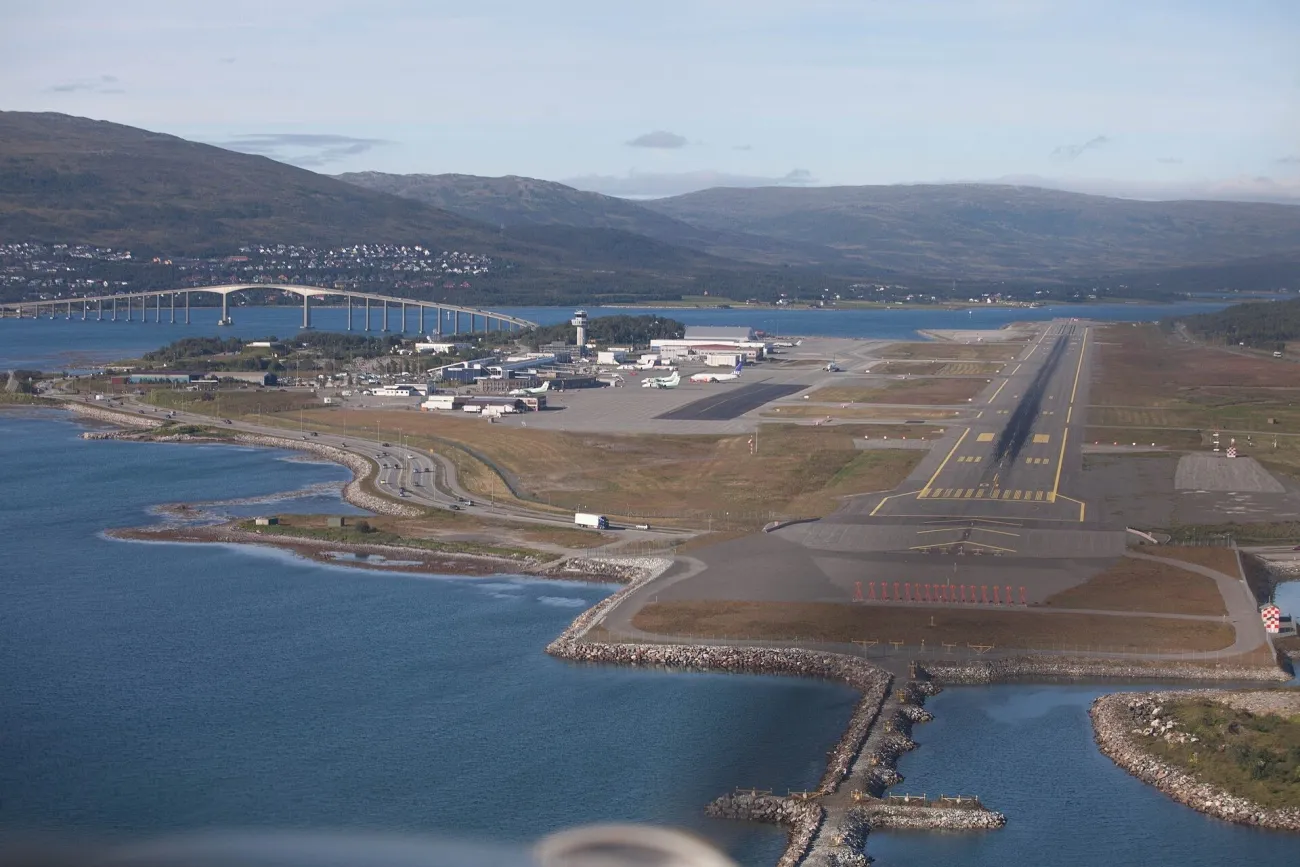
Prepare for Norway by checking the few practical details that can disrupt an otherwise good itinerary: entry documents, the right arrival airport, a working payment method, mobile connectivity and accommodation access. These are more useful first steps than packing for every possible activity before the route is settled.
This page covers everyday preparation and entry questions. Use Health & Safety for emergencies, insurance and outdoor precautions, and Airports & Transfers for the actual landing-to-hotel journey. Requirements depend on your circumstances; official guidance should settle the individual case.
Essentials at a glance
| Item | What to prepare |
|---|---|
| Currency | Norwegian kroner, NOK; suitable card and separate backup |
| Documents | Passport or eligible travel document, permission where required and booking details |
| Electricity | Compatible C/F plug arrangement; 230 V, 50 Hz equipment or suitable conversion |
| Mobile service | Confirm Norway allowance, activation and any maritime-network exclusions |
| Weather | Layers and footwear matched to the route and season |
| Arrival | Exact airport code, onward service and accommodation entrance |
| Opening hours | Check groceries, meals and essential purchases before a late arrival or holiday |
Keep the key details available offline. A booking stored only inside an app can be difficult to retrieve when a phone battery fails or you cannot connect. Share the first accommodation address and journey with another person in the group where appropriate.
Visa and entry: use your own circumstances
Norway participates in Schengen, while entry requirements depend on citizenship, travel document, residence status and purpose. Begin with UDI’s visit and holiday guidance and select the information relevant to you. Do not apply one traveller’s visa exemption to every member of a group.
For eligible non-EU/EEA short-stay visitors, the familiar limit is generally 90 days in a rolling 180-day period across Schengen, not a fresh allowance for Norway after visiting another member country. The validity and entry count on an issued visa also matter. Use the official guidance for your status and calculate earlier stays before booking around the maximum permitted period.
Check document-validity rules, supporting evidence and any airline checks before travel. A refundable hotel booking does not determine eligibility for entry. Remote work and other activities can have separate permission requirements; do not assume that a tourist stay authorises them.
Check the passport and the whole Schengen stay
For an ordinary non-EU/EEA short visit, check that the passport was issued within the previous ten years on entry and remains valid for at least three months after the planned departure from Schengen. The official European travel-document guidance explains the general conditions; use UDI for your nationality and residence status, including any exceptions.
- Count earlier Schengen days across countries, including the entry and exit days.
- Check the visa’s permitted stay and number of entries separately from its overall validity dates.
- Carry the documents relevant to your itinerary and return journey; a visa or exemption does not remove entry checks.
EES and ETIAS are different systems
Use the official European travel portal for current EES border-registration and ETIAS travel-authorisation information. They are not the same thing, and neither should be described simply as a new visa. Check what applies to the traveller, documents and first external Schengen border on your route.
At the 25 November 2026 check, the official ETIAS FAQ says that ETIAS is not yet operational and applications are not being collected. Recheck before departure rather than paying a third-party site on the strength of an old launch prediction. Allow appropriate time for current border procedures, especially on an independently booked onward connection.
Svalbard: check the mainland return
Svalbard is outside Schengen although it is part of Norway. UDI’s Svalbard guidance says a separate visa or residence permit is not required for staying there, but visitors who need a Schengen visa must also be able to re-enter mainland Norway after the Svalbard visit. A single-entry visa can therefore be unsuitable for that route.
Check the complete journey, not just the destination’s visa label. Carry the travel documents required by your carrier and authorities, and follow the Governor’s current local guidance for activities. Svalbard’s environmental, wildlife and insurance preparation is separate from an ordinary mainland city break.
Customs and duty-free allowances
Use Norwegian Customs’ quota guidance for the combination you intend to bring. One published adult alcohol combination is 1 litre of spirits over 22% and up to 60%, 1.5 litres of wine and 2 litres of beer within the stated categories. Age, product and exchange rules apply; a shopping receipt does not replace an import allowance.
The published tobacco allowance differs for tourists residing outside Norway from the ordinary resident quota. The official page currently lists 200 cigarettes or 250 grams of tobacco and 200 cigarette papers for those tourists, while airport arrival duty-free purchasing has a lower limit. Check prohibited products and the calculator before buying, and declare goods where required. These examples were checked on 25 November 2026 and need rechecking before travel.
| Context | Cigarettes or other tobacco | Cigarette papers |
|---|---|---|
| Tourist residing outside Norway | 200 cigarettes or 250 g of tobacco | 200 sheets |
| Resident of Norway | 100 cigarettes or 125 g of tobacco | 100 sheets |
| Purchase in an arrival-airport duty-free shop | 100 cigarettes or 125 g of tobacco, including for tourists | 100 sheets |
Norwegian Customs sets the minimum import age at 18 for beer, wine and tobacco and 20 for beverages over 22% alcohol. Check its calculator for permitted alcohol combinations and the rules for your length of absence. Do not exchange a tobacco allowance for extra alcohol or assume duty-free means unlimited import.
Cards, cash and deposits
Bring a suitable internationally enabled card, know the PIN and have a separate backup. Confirm provider-specific deposits and accepted payment cards for rental cars or hotels. A mobile wallet should be convenient support rather than the only way to pay.
Norway is card-friendly, but it is not accurately described as entirely cashless. Legal cash rights and exceptions are explained by Norges Bank; machines, online bookings and deposit arrangements need their own checks. The money guide covers those practical choices without suggesting that one payment method works everywhere.
Power, chargers and essential equipment

Norwegian sockets commonly use the Type F system and compatible Type C plugs, with 230 V and 50 Hz supply. Check the input label on every device. A plug adapter changes the connection shape; it does not automatically convert voltage or make a high-power appliance suitable.
Bring the actual charging cable as well as an adapter and consider how many devices need power overnight. Ask the accommodation about socket placement if an essential device depends on it. Keep a charged power bank within the airline’s rules and avoid making a single charger the point of failure for the whole group.
Mobile service, eSIMs and boats
Ask your provider whether Norway is included in your plan, what fair-use limits apply and what happens when the allowance runs out. EU/EEA roaming arrangements do not automatically apply to every plan sold elsewhere. Compare an eSIM by validity, activation rule, data allowance, hotspot support and whether calls or SMS are included.
Check that the phone is unlocked and compatible before purchasing. Keep access to the number used for bank verification, and save installation instructions over reliable Wi-Fi. A data-only product may help with maps without replacing your ordinary telephone service.
Nkom warns about onboard maritime networks: ordinary roaming protection does not necessarily cover a ship’s satellite-connected mobile service. Read the welcome message and onboard prices, or use flight mode with suitable Wi-Fi as appropriate. A Norway-inclusive land plan does not establish the cost of a vessel’s network.
Nkom’s EEA roaming guidance describes Roam Like at Home within normal use, with fair-use conditions. Norway is included in the EEA framework, but a US, UK or other non-EEA plan needs its own provider check. Confirm whether a proposed eSIM covers mainland Norway, your dates and your device; check Svalbard separately rather than assuming every Norway-labelled product includes it.
Language, opening hours and packing

English is widely useful in visitor settings, but keep important addresses and written requirements available. Learning a greeting and “takk” is a considerate start, while a clear written request can help with a complex dietary or access need.
Check shops and groceries before Sundays, public holidays and late arrivals, when hours can be limited. Restaurant kitchens, pharmacies and transport services each follow their own arrangements. Confirm food for the first night rather than assuming a village has city-style late shopping.
Pack layers, a weatherproof outer layer and footwear suited to the planned surfaces. Add the equipment a provider requires for an activity, and avoid assuming that a city forecast describes the mountains. Leave room for dry clothes after a boat, sauna or wet-weather outing.
Everyday habits and Sunday planning
Use a quiet voice on shared transport, follow queues and ask before entering private property or photographing someone closely. Keep appointments and pickup times clear, especially where a small provider has arranged the day around your booking. A greeting, a polite question and “takk” are enough to begin an ordinary interaction without pretending to speak Norwegian.
Visit Norway’s shopping guidance notes that most shops close on Sundays, with some grocery and souvenir exceptions. Buy food for a self-catering Sunday or late arrival while your chosen shop is open. Do not assume that an exception in Oslo applies to a remote fjord village.
Tipping without an assumed surcharge
Visit Norway describes tipping as uncommon outside bars and restaurants, where people may tip when pleased with the food or service. Decide deliberately rather than treating a terminal’s suggested percentage as a compulsory charge. Check the bill first; the Food & Drink guide covers meals, evenings and shopping.
Responsible travel: access, camping and shared places
Allemannsretten has practical limits
Norway’s right to roam supports considerate access to uncultivated land; it does not turn gardens, occupied cabin plots or cultivated fields into public campsites. The Norwegian Environment Agency’s camping guidance sets a normal minimum distance of 150 metres from an inhabited house or cabin. Lowland camping in one place normally has a two-night limit without permission, with different provisions in remote mountain areas and local restrictions. That distance is not an automatic right to park or camp wherever you choose.
Fires and leaving no trace
DSB’s fire guidance explains the general 15 April–15 September ban on bonfires and barbecues in or near forests and other uncultivated areas. Exceptions and stricter local bans can apply; check the municipality and actual conditions before lighting anything. A beach or an existing fire ring does not establish permission.
Keep to appropriate paths, respect protected areas and wildlife, use toilets where provided and take rubbish away, including food packaging. Do not move stones to create extra trail markers or a photographic arrangement. Use established campsites when lawful space, sanitation or local pressure makes informal camping unsuitable.
Busy Lofoten and fjord stops
Use permitted parking and leave access for residents, buses and emergency vehicles. If the designated space is full, wait lawfully or choose another stop; a narrow road shoulder is not an overflow car park. Spread time across fewer bases and use quieter visiting windows where the transport works. Respect private jetties, cabins and working waterfronts as well as the view.
Choose workable lower-impact transport
Compare rail, scheduled boats, buses and shared outings before renting for the entire stay. An electric car can fit some routes, but still needs charging time, legal parking and a suitable winter plan. Getting Around handles those choices; Walking & National Parks gives route-specific outdoor preparation. A realistic journey and a longer stay in one place are more useful than an ambitious list of distant stops.
Your first evening and next morning
Confirm the entrance, check-in method and contact details for the property. Retrieve tomorrow’s tickets and check the correct stop or quay. Charge devices, arrange breakfast and inspect the latest conditions before committing to an early outing.
Travel Tip: Save the first-night address, access instructions and a fallback arrival route offline. Those details are more useful at a late arrival than a long sightseeing list.
Norway travel essentials FAQs
Can one visa answer cover everyone travelling together?
No. Citizenship, documents and residence status can differ within a group. Use the official guidance for each person.
Does my mobile plan include Norway?
Ask the provider about the actual plan and its limits. Check maritime service separately if travelling by ship.
Is a plug adapter enough for every device?
No. Confirm the device’s voltage and frequency compatibility as well as the plug shape, particularly for high-power or essential equipment.
Last updated:
Tours, Tickets & Experiences
Norway Travel Tips & Inspiration