



Sign in
For Photos4Travel editors and team members.
Norway History & Culture: Viking Heritage, Stave Churches & Sámi Life
Europe · Norway guide
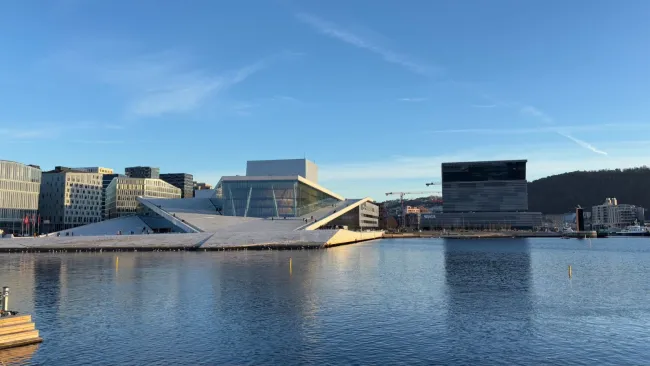
Norway’s cultural story becomes easier to understand when you connect the objects in a museum with the landscapes outside it. A ship burial reveals craftsmanship and social power; a stave church shows medieval timber construction; a trading waterfront explains why a coastal town grew where it did. Contemporary art, public institutions and ordinary neighbourhood life add the present to that story.
This guide helps you choose cultural visits by interest and region. It covers Viking heritage, stave churches, Sámi culture, urban museums and practical ways to give them space in a holiday. Use Norway Attractions to compare individual places and Map & Regions to decide which bases fit your route. You do not need to cross the whole country to build a thoughtful cultural itinerary.
Choose a cultural focus for your Norway trip
| Interest | Useful setting | Suggested visit allowance | Check first |
|---|---|---|---|
| Viking objects and interpretation | An available museum exhibition in Oslo or a regional heritage centre | 2–3 hours for a selected collection | Current exhibition and object availability |
| Stave churches | Urnes on a suitable Sognefjord route; Gol church at Norsk Folkemuseum in Oslo | Half a day with local access and interpretation | Interior admission, opening season and onward connection |
| Trading and coastal history | Bryggen in Bergen and its interpretation | Half a day at an unhurried pace | Guided access and working businesses |
| Medieval pilgrimage | Nidaros Cathedral and neighbouring heritage in Trondheim | Half a day for the chosen visits | Services, tours and separate ticket inclusions |
| Sámi heritage and contemporary life | Community-led visits or cultural institutions in a relevant northern itinerary | A dedicated activity day where travel requires it | Who leads the visit and what is currently accessible |
| Art, design and modern city life | Oslo museums, architecture and neighbourhoods | One focused museum plus nearby time | Which works are on display and any timed entry |
These allowances are suggestions for planning, not opening hours or minimum requirements. A small church reached by several transport stages can take more of the day than a large museum near your hotel. Compare the cultural value with the travel effort before adding another stop.
Viking heritage: look beyond the warrior image
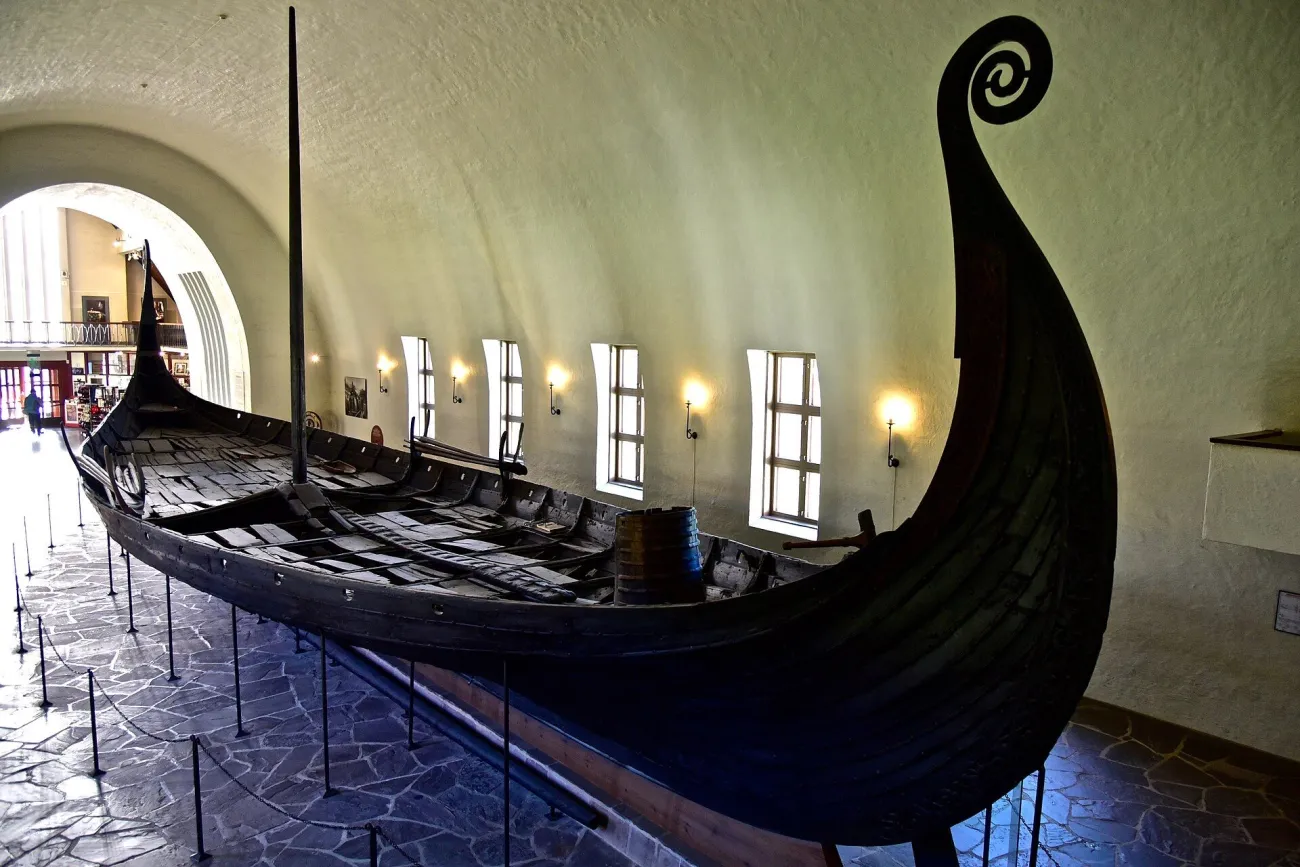
Viking heritage includes seafaring, exchange, farming, skilled production, beliefs and conflict. A useful museum visit follows those connections rather than looking only for weapons. Ask what an object was made from, where its materials came from and why it was placed in a grave. Ship burials are powerful evidence of particular people and practices; they should not be treated as a complete portrait of every household.
The Historical Museum’s VÍKINGR exhibition uses journeys, warriors and social change to introduce the period. When checked on 24 November 2026, the museum states that this temporary exhibition runs until December 2026 and that some objects are unavailable during conservation. Check the exhibition page for the actual date of your visit rather than assuming that a named treasure will remain on display.
Important museum access update: the former Viking Ship Museum at Bygdøy is closed. The Museum of the Viking Age’s practical information now gives 2028 as the planned opening year, without a confirmed opening date. Older information still mentions an earlier reopening. Do not travel to the old museum expecting normal admission, and do not treat an archive photograph as evidence that its former display is accessible.
Regional heritage centres and reconstructed settings can also be worthwhile, especially with an informed guide. Distinguish original archaeological material from reconstruction and living-history interpretation. A recreated hall may help explain domestic life, but its staging is different evidence from an excavated object. Read the institution’s own description and choose according to whether you want material history, demonstrations or a hosted activity.
Stave churches: timber, carving and changing beliefs
A stave church rewards close attention to structure as well as decoration. Look at how the timber supports the building, how light enters and how carving relates to the doorway. The most useful question is not which church is the most photogenic, but which one you can visit with enough time and context on the route you already have.
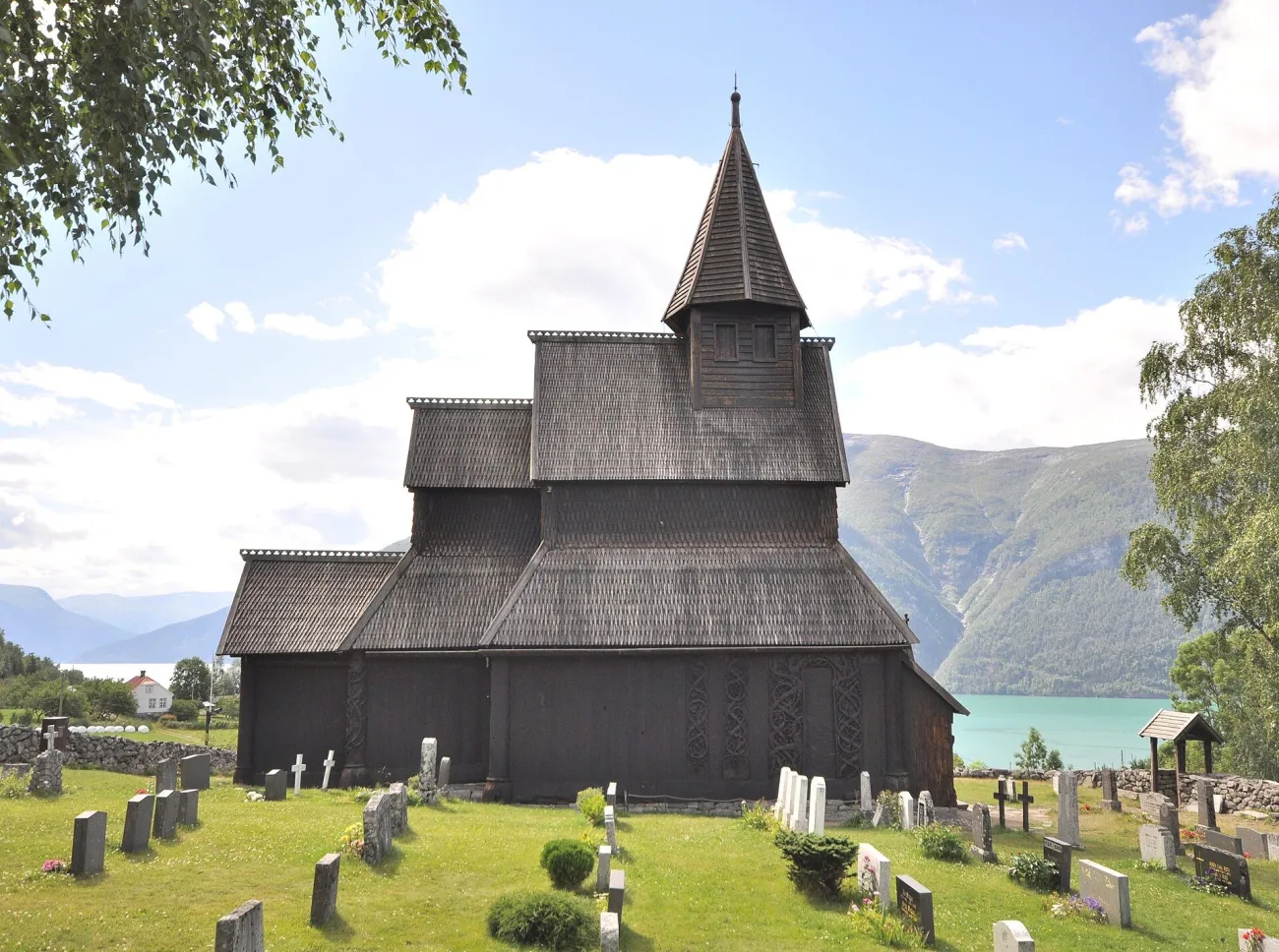
Urnes Stave Church provides an important example of medieval wooden church architecture beside Sognefjord. Its setting and carved details make sense within a wider fjord visit, but access still needs planning. Check the church’s visitor arrangements, the approach from your accommodation and the final return connection. A ferry crossing to a settlement and admission to the building are separate matters.
For travellers staying in Oslo, the stave church from Gol at Norsk Folkemuseum can provide a more practical introduction. The museum explains the building’s relocation and restoration, which also makes it useful for thinking about how heritage is preserved and presented. It is not simply an untouched medieval building standing in its original village.
Churches can have restricted interiors, services, seasonal admission and fragile surfaces. Follow the visitor route, ask about photography and avoid touching carvings. An exterior stop may still be rewarding when the inside is closed, provided that is the experience you intended to buy or travel for. Families can choose a short guided visit and then look for structural details outside.
Trading towns, pilgrimage and the working coast
Bergen’s Bryggen waterfront gives a different cultural perspective from a ship collection or church. The UNESCO description of Bryggen places the historic district in the context of trade. Walk beyond the front-facing postcard view where public access permits, notice the scale of passages and buildings, and use interpretation to understand how commercial activity shaped the place.
Allow room for the fact that a heritage district is also part of a living city. Shops, cafés, staff deliveries and residents are not props in a historical scene. Keep entrances clear and ask before close photographs of people or private interiors. A guided visit can add more than a second circuit of the waterfront, especially if you are interested in the relationship between buildings, fire, repair and continued use.
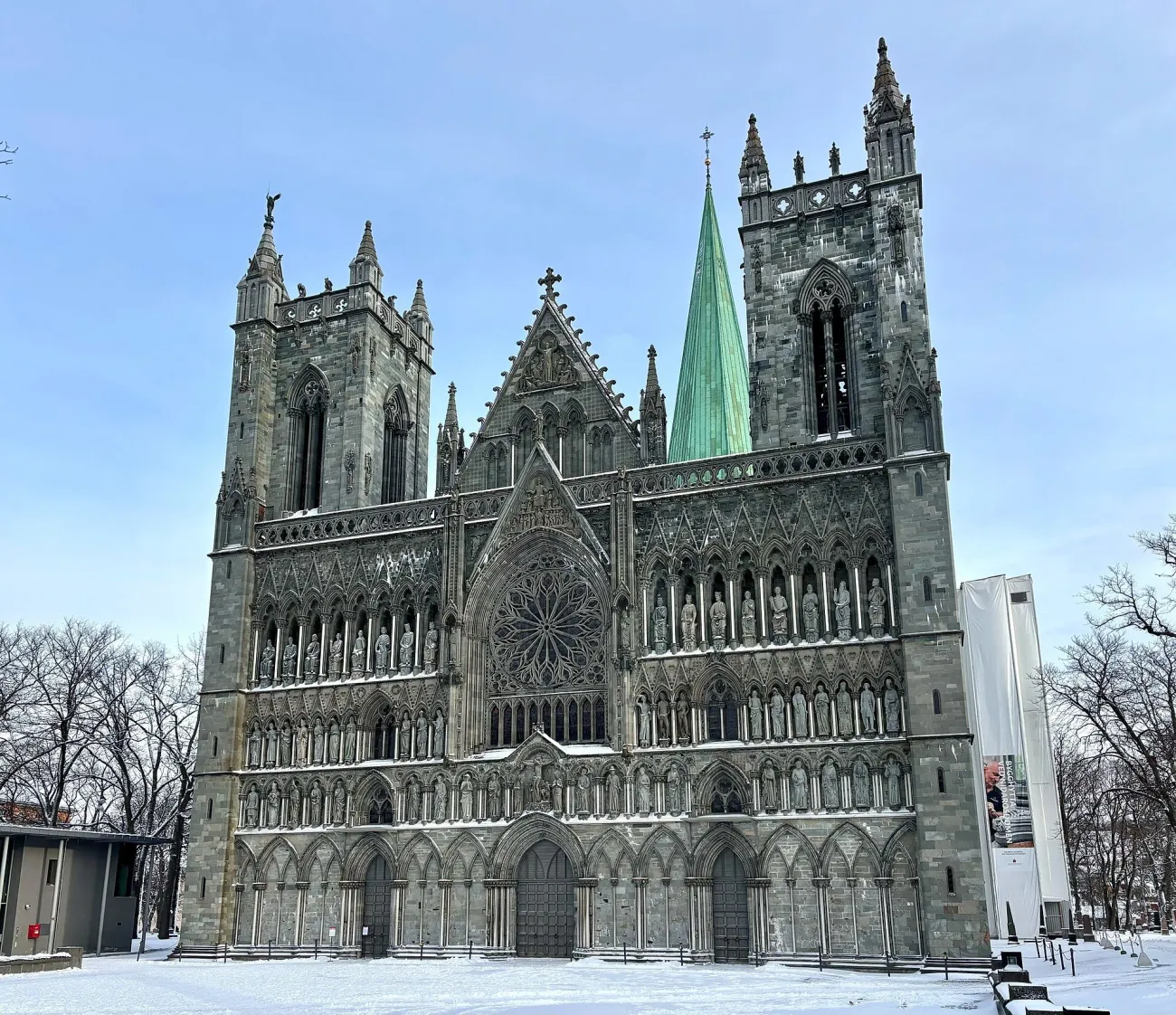
In Trondheim, Nidaros Cathedral connects medieval pilgrimage with continuing religious life. The neighbouring Archbishop’s Palace and crown regalia collections offer additional themes, but a combined ticket is useful only if you want and have time for those visits. The cathedral lists services, guided tours and sightseeing arrangements separately. Check the day’s access before organising an onward train around a particular visit.
These places work best as part of a regional stay. Adding Trondheim solely to complete a cultural checklist introduces another substantial move. A traveller with an Oslo–Bergen holiday can gain depth through two well-chosen collections and Bryggen; a Central Norway trip can give Trondheim more attention. Use the country itinerary frameworks to test the extra nights.
Sámi culture: living communities and their own voices
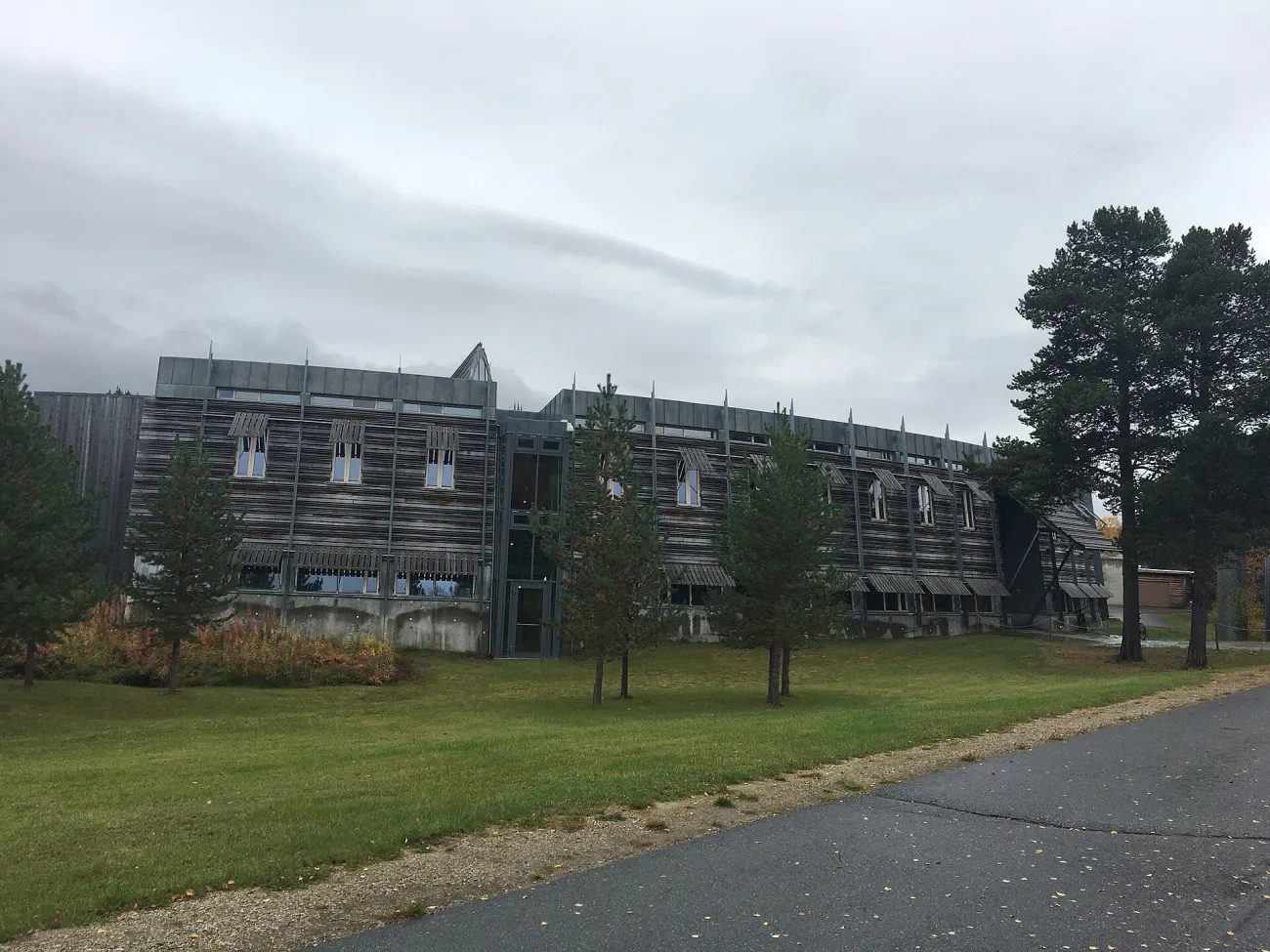
Sámi culture belongs to living Indigenous communities, with varied languages, livelihoods, histories and contemporary expression. A cultural visit should make room for that diversity. Choose institutions and experiences that identify who is speaking, who leads the activity and how the community is represented. Reindeer-related tourism can be one encounter, but it is not a complete account of Sámi life.
Before booking a hosted visit, ask what is included: conversation, food, crafts, storytelling, a museum collection or an outdoor activity. Check how much is cultural interpretation and how much is transport. Read the host’s account, respect boundaries around private practices and ask before recording a song, photographing a person closely or handling an object. Buying directly from a named maker also gives better context to a craft purchase.
Institutional access can change significantly. When checked, RiddoDuottarMuseat’s Sámi Museum in Karasjok welcomes visitors to its outdoor museum but states that its indoor exhibitions are permanently closed. Its collection and the institution’s cultural importance do not mean a conventional indoor museum visit is available. Consult current notices and contact the institution before making a long detour.
Karasjok is not interchangeable with Tromsø or Lofoten as a base. A cultural interest may justify its own northern route, but the distance and connections still need a separate plan. For a shorter visit, choose an accessible community-led experience within the region where you are staying. The goal is an informed encounter with people and place, rather than a photograph labelled “Sámi culture”.
Art, architecture and contemporary Norway
Make space for the present alongside the historical sites. In Oslo, art and design collections can connect landscape imagery with changing ideas about society and national identity. The National Museum’s collection catalogue is useful preparation, but an online record is not a guarantee that the work is on display. Check current galleries or exhibitions before choosing a museum for a particular artist.
Architecture is another useful way into contemporary life. A waterfront walk can show how public space, transport, leisure and cultural buildings meet. Give a museum enough time, then explore one nearby area rather than travelling across the city to take exterior photographs of several buildings. For a performance, book the actual event; access to a roof, foyer or public square does not include a concert or backstage tour.
Everyday culture also appears in ordinary choices: how people share a walking route, use a library, queue for a service or spend an afternoon by the water. Observe without treating one encounter as a rule for everyone. A sauna visit, a meal and a local event can complement a collection, with activity planning on Things to Do and food context in Norway Food & Drink.
Plan cultural days that fit your route
Oslo with two cultural half-days: choose one available historical exhibition, then give a separate half-day to an art collection or Norsk Folkemuseum. Put visits in the order allowed by opening days, and leave travel and meal time between them. This is an editorial framework; the museum availability above must be rechecked for your dates.
A western city-and-fjord holiday: give Bergen a trading-history visit and add one accessible church only where the route supports it. The journey between these places can be an experience in itself; compare the fjord cruises and scenic rail guide before connecting regional stops. A Central Norway stay: pair Nidaros with time in Trondheim rather than treating the cathedral as a brief stop between long travel stages.
Use Getting Around Norway for connections and Travel Costs & Money for your overall budget. Compare a combined admission pass with the visits you can actually complete. A discount is valuable only when the included museums, opening days and transport match your plan.
Travel Tip: Choose one cultural question for each visit: how ships were built, how timber buildings survive, or whose story a collection tells. That focus makes a short visit more rewarding than trying to see every object.
Norway history and culture: FAQs
Can I visit the Viking ships at the old Oslo museum?
The former Viking Ship Museum is closed. The new Museum of the Viking Age currently plans to open in 2028, with no exact date confirmed. Check the museum’s own practical information before travelling; older listings can contain superseded dates.
Where can I learn about Viking history while the museum is closed?
Look at available exhibitions at the Historical Museum and relevant regional institutions. The VÍKINGR exhibition is listed until December 2026, with some objects temporarily unavailable for conservation. Recheck what is actually showing for your visit.
Do I need to visit the western fjords to see a stave church?
No. The church from Gol at Norsk Folkemuseum offers an Oslo option, with the context of relocation and restoration. Urnes suits a properly planned western itinerary. Choose the experience that fits your route and check interior access independently.
Is the Sámi Museum in Karasjok open for indoor visits?
The institution’s current notice says its indoor exhibitions are permanently closed and directs visitors to the outdoor museum. Check updated arrangements before travelling, and distinguish collection information from public exhibition access.
Are museums and cultural sites useful in bad weather?
Many indoor collections make worthwhile city plans, but choose them for your interests and verify their opening day. Open-air museums, church approaches and transport stages still involve outdoor conditions. Bring suitable clothing and retain a workable return journey.
Should I book a guided cultural visit?
A guide can help interpret a church, collection or trading district, especially when access is limited to a timed group. Check the language, duration, subject and admission inclusions. Select a community-led host when the purpose is a Sámi cultural encounter.
Visitor-access notices and linked institutional information checked on 24 November 2026. Recheck exhibitions, opening dates, services and booking arrangements for your own trip.
Tours, Tickets & Experiences
Norway Travel Tips & Inspiration