




Sign in
For Photos4Travel editors and team members.
Norway Travel Costs & Money: Build a Realistic Budget
Europe · Norway guide

A useful Norway budget begins with your route and who is sharing the room. Two people staying several nights in one base have a different cost structure from a solo traveller moving daily. A low hotel rate can also stop being a saving when it adds repeated transfers or leaves you far from affordable meals.
Use this guide to build an editable spending plan in Norwegian kroner, shown as NOK or kr. The main guide offers a quick overview; this page explains the assumptions, payment preparation and longer-stay choices behind it. Nothing here is a live quotation for your dates.
Published price references
The Visit Norway price guide, checked on 24 November 2026, lists an average hotel room at NOK 1,725 per night, basic campsite cabins from around NOK 700, budget restaurant meals at NOK 190–350 and cappuccinos at NOK 35–65. Room and cabin figures are per unit, not per person. Location, season and inclusions can change the bill considerably.
Treat those references as a sense check. They do not identify a bookable room in Lofoten or establish what a particular hotel includes. For an actual reservation, enter your dates, guest ages and room requirements, then compare the final total and cancellation conditions.
Daily budget models per person
The allowances below are editorial planning models for two adults sharing accommodation. Accommodation is one person’s share of the nightly unit cost. Food covers a chosen mix of meals; local transport covers ordinary journeys within a base. The activity allowance is averaged over the stay. International flights, intercity transport, rental cars, parking, tolls, insurance and shopping are excluded.
| Item | Economy model | Midrange model | Comfort model |
|---|---|---|---|
| Accommodation share | 450–700 | 850–1,250 | 1,600–2,500 |
| Food | 250–400 | 450–650 | 700–1,000 |
| Local transport | 100–200 | 100–250 | 150–300 |
| Activities, averaged | 0–150 | 200–450 | 400–800 |
| Calculated daily total | 800–1,450 | 1,600–2,600 | 2,850–4,600 |
The economy model assumes deliberate food and activity choices and workable accommodation sharing. It is not a claim that every destination has a suitable room at that allowance. The comfort model is not a luxury ceiling; a special hotel, private guide or remote transfer can exceed it.
For comparison only, using the dated illustrative reference of NOK 10.47 per EUR and NOK 9.35 per USD published in Visit Norway’s guide for 23 October 2026, those total ranges are approximately EUR 76–138 / USD 86–155, EUR 153–248 / USD 171–278, and EUR 272–439 / USD 305–492. These conversions are calculations at that stated historical reference, not current exchange rates. Check Norges Bank when converting your own budget.
Add the costs that a daily model misses
Price each long-distance leg separately: a cross-country train, a domestic flight, a ferry or a coastal voyage can dominate the transport bill. Include baggage, seat or cabin choices and the journey between the arrival point and hotel where applicable. Compare the full route rather than one attractive fare.
For a rental car, add the costs that sit outside the headline rental rate: the required deposit, fuel or charging, toll administration, parking, ferry charges and a possible one-way fee. Confirm which items are collected by the rental company and which you pay directly. Read Getting Around before choosing a car simply to reduce transport spending.
Leave a separate disruption allowance appropriate to the route. A trip with several independent tickets and a remote final-night stay has different exposure from a city break near the departure station. The right contingency is a personal planning choice; an arbitrary universal percentage is less useful than understanding what a missed connection would actually cost.
Compare accommodation on the whole bill
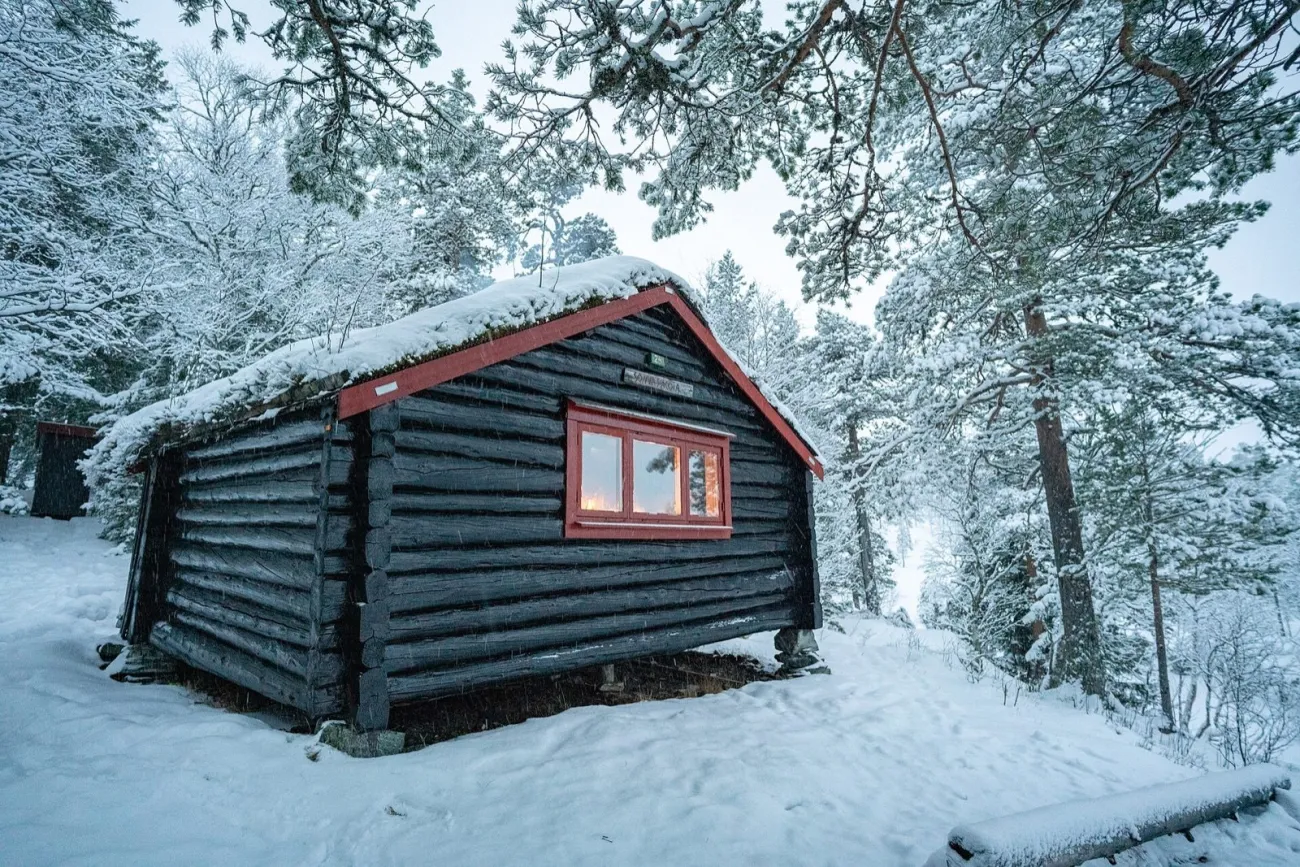
Check whether breakfast, linen, cleaning, parking and kitchen access are included. A cabin can be economical for a group, but a compulsory cleaning charge changes the comparison on a short stay. A hotel breakfast can matter when the alternative is buying a café meal each morning.
For solo travel, do not halve a double-room price unless you will really share it. Compare a suitable hostel, single room or smaller private room against the full cost of a double. For families, enter children’s actual ages and confirm whether extra beds or additional units are required.
Location has a financial value. A more central hotel can reduce daily transport or the need for a taxi after dinner. A remote apartment may still be the right choice for space and quiet, but include groceries, car use and the final journey when deciding. The Hotels guide compares those base strategies.
Food spending without an unrealistic holiday
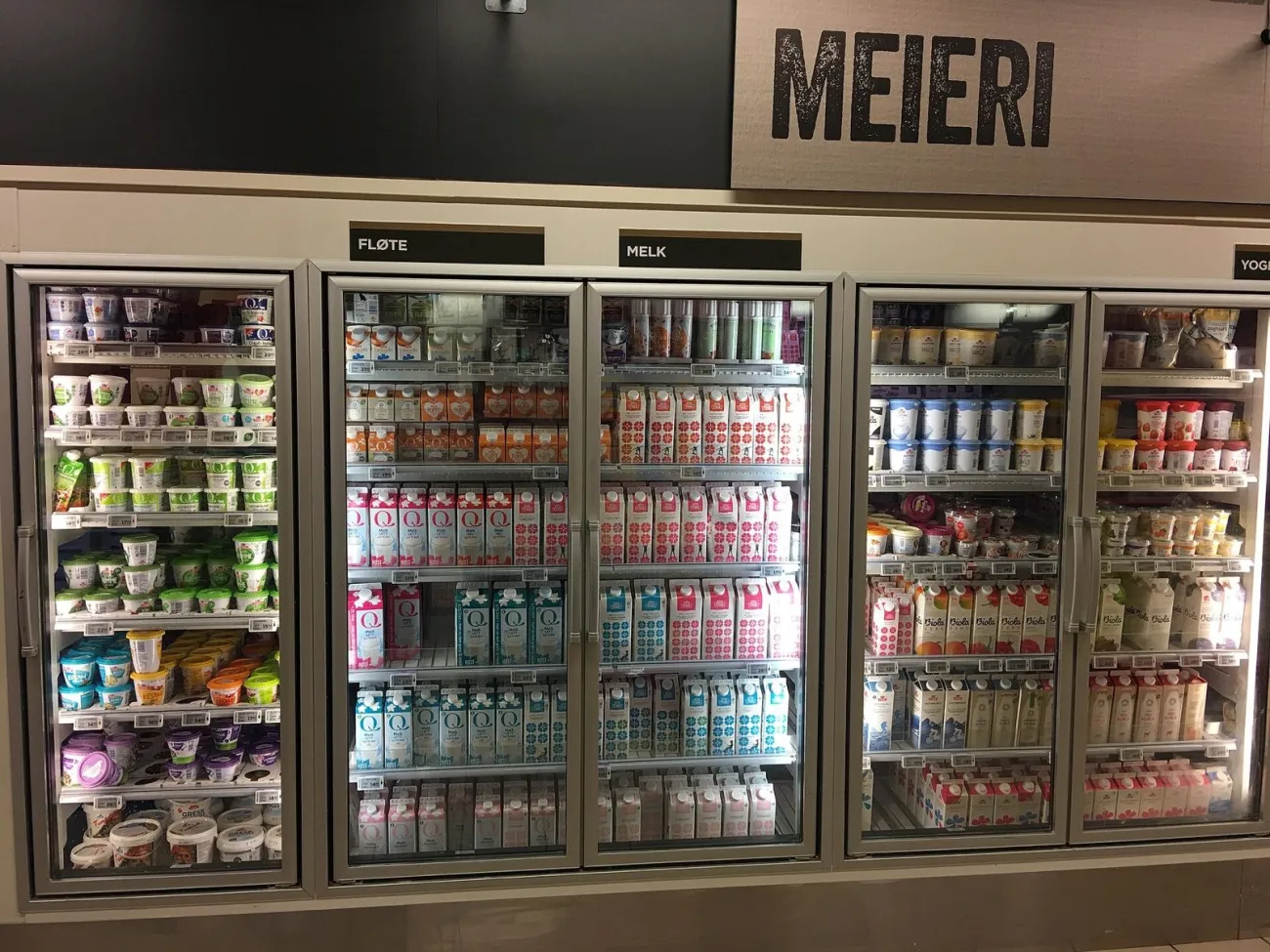
Choose where you want to spend deliberately. A few restaurant meals can be balanced with groceries, a simple lunch and bakery stops if those choices suit your trip. A kitchen is useful only when you have time, equipment and an accessible shop to use it.
Before a long travel or hiking day, arrange food while shops are open. Buying at a remote departure point can offer fewer choices. Dietary needs also change what is practical; the cheapest theoretical meal is not useful if you cannot eat it. Plan a workable option rather than assuming every small village has the same range of cafés and supermarkets.
Do not apply one meal price to every day without thinking about the itinerary. A city day with a kitchen, an excursion with lunch included and a remote hotel dinner are three different spending days. Add them individually for a more credible total.
Cards, cash and payment backups
Prepare a card that works internationally, know the PIN and carry a separate backup. Check your bank’s foreign-transaction and cash-withdrawal fees. A phone wallet is convenient, but it should not be your only route to paying when a battery, signal or device fails.
Norway is card-friendly, but describing it as completely cashless is inaccurate. Norges Bank explains consumers’ cash-payment rights, including exceptions. That legal framework does not mean every unmanned machine or online booking accepts cash. For travel, prepare for both the payment method and deposit required by the specific provider.
When a terminal offers to convert a purchase into your home currency, compare the rate and fees before choosing. Paying in NOK generally leaves conversion to your card provider, whose terms you can check in advance. Do not accept a conversion simply because the screen makes your familiar currency look easier to understand.
Longer stays: two to four weeks
A longer stay can spread arrival costs and reduce repeated transport, but it does not automatically produce a cheap monthly rental. Compare a genuine total quote for your dates, including utilities, cleaning, linen, laundry and any deposit. Confirm whether the property is suitable for an ordinary daily routine as well as a holiday photograph.
Here is one editable four-week example for two adults: allocate NOK 28,000 for the apartment for 28 nights, NOK 12,000 for groceries and simple meals between them, NOK 3,600 for local transport and NOK 5,000 for activities. The calculated total is NOK 48,600 for two, or NOK 24,300 each, excluding arrival transport, insurance and other personal spending. These are chosen allowances, not observed market averages or a property quotation.
Replace the apartment allowance first with a real quote. Then list how often you would eat out, whether you need a car and which paid outings matter. Check laundry and kitchen facilities, grocery access, heating, reliable internet and the workspace if you need one. Travel permission and permission to work remotely are separate questions; use UDI for your circumstances rather than assuming that a longer holiday permits work.
Compare two, three and four weeks on the same basis
A two-week stay has 14 nights if you are budgeting accommodation for 14 nights; a 14-calendar-day itinerary normally has 13. Choose the basis explicitly before multiplying. The worksheet below uses 14, 21 and 28 paid nights for two adults sharing one apartment. A calendar month may have more nights. It extends the four-week example above using chosen allowances; it is not evidence of a monthly market rental or a discount.
| Item / assumption | 14 paid nights | 21 paid nights | 28 paid nights |
|---|---|---|---|
| Apartment: NOK 1,000 per night | 14,000 | 21,000 | 28,000 |
| Groceries/simple meals: NOK 3,000 per week for two | 6,000 | 9,000 | 12,000 |
| Local transport: NOK 900 per week for two | 1,800 | 2,700 | 3,600 |
| Activities: NOK 1,250 per week for two | 2,500 | 3,750 | 5,000 |
| Calculated total for two | 24,300 | 36,450 | 48,600 |
| Calculated share per person | 12,150 | 18,225 | 24,300 |
These totals exclude international and intercity travel, rental cars, insurance, deposits, major shopping and exceptional activities. The accommodation allowance assumes the quote includes the running costs you need; add cleaning, utilities, linen or laundry if the actual offer excludes them. A refundable deposit affects available cash or card capacity even when it is not ultimately a holiday expense. Do not count it as spending and a refund simultaneously.
Replace groceries with a weekly basket you would actually buy: breakfasts, packed lunches, evening ingredients and dietary requirements. Check refrigeration, cooking equipment and the shop’s current opening hours. Include transport to the supermarket; a remote cabin with attractive nightly pricing can require a car that overwhelms the saving. Divide the real cleaning charge by the paid nights to compare it fairly with another property.
A three- or four-week stay can work better with fewer bases, but availability and seasonal demand determine whether the quote improves. Ask for the full written price for your exact dates, cancellation rules, heating, internet and laundry. Compare 28 nights with a true calendar-month offer if one is available; do not assume they are the same product. The Norway itineraries supply route choices, while this section keeps all longer-stay cost assumptions together.
A practical budget worksheet
Record the accommodation total, each major transfer, planned paid activities and your remaining food allowance. Mark costs as paid, refundable, due later or optional. Keep the original currency beside each booking so that exchange-rate movement does not obscure what you owe.
Revisit the worksheet after booking the main route. If the total is uncomfortable, simplify geography before cutting every enjoyable meal. Removing a hotel change, a flight or a one-way car arrangement can make more difference than repeatedly choosing the cheapest café item.
Travel Tip: Compare two complete routes in NOK before comparing currencies. One fewer base can reduce several costs at once: transport, luggage handling, parking and the time needed to find meals.
Norway money FAQs
How much should I budget per day?
Use the models as a starting worksheet, then replace accommodation and transport allowances with real quotes. Sharing, region and activity choices matter more than a universal country average.
Do I need to withdraw a lot of cash?
Prepare suitable cards and a backup first, then decide on a modest cash reserve for your own route. Check provider-specific payment requirements rather than relying on a blanket rule.
Are the euro and dollar figures current rates?
No. They are explicitly dated illustrations. Use a current exchange rate and your card’s fees for your own spending plan.
Last updated:
Tours, Tickets & Experiences
Norway Travel Tips & Inspiration