



Sign in
For Photos4Travel editors and team members.
Best Time to Visit Norway: Seasons, Light & Activities
Europe · Norway guide
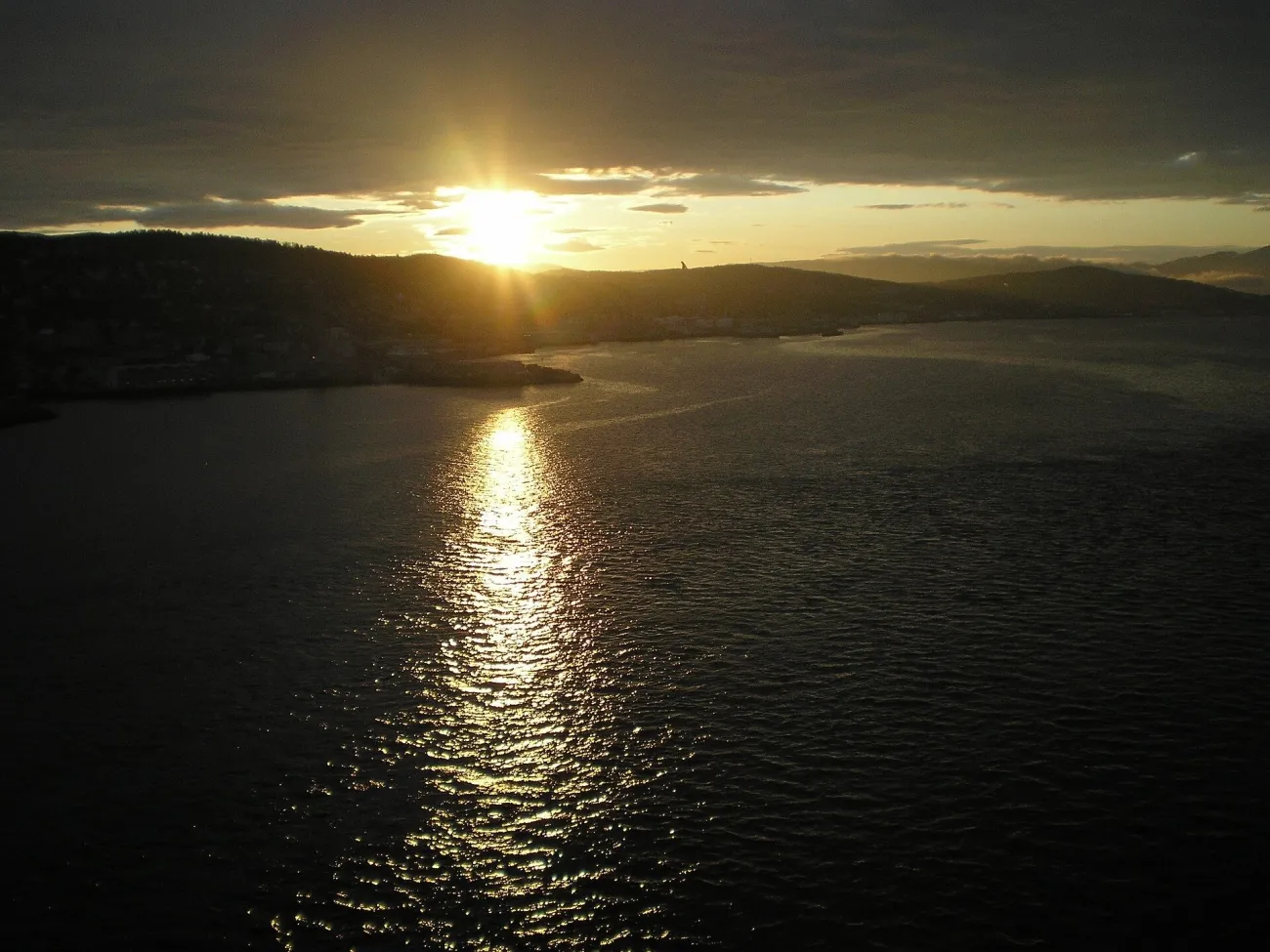
The best time to visit Norway depends on what you want to do and where you will do it. A railway-and-fjord holiday, a mountain walking trip and a winter stay in Tromsø have different useful seasons. There is no single month that provides every Norwegian landscape, activity and kind of light at once.
Choose the main experience first, then check the region’s daylight, transport and local access. This guide handles that seasonal decision. For route sequences, use the Norway itineraries; for the actual demands of a mountain outing, use Walking & National Parks.
Choose the season by your priority
| Period | Useful focus | What needs extra checking |
|---|---|---|
| March–May | City culture, changing winter light and selected lower-level spring outings | Snow at altitude, road opening dates and spring service schedules |
| June–August | A first fjord trip, longer days and suitable summer walks | Accommodation pressure, popular departures and trail conditions |
| September–October | Autumn colour, selected regional stays and darkening northern skies | Shorter days, reduced seasonal services and early ice or snow |
| November–February | A deliberately planned winter or Arctic city-based holiday | Limited daylight, weather disruption and specialist activity requirements |
This is a planning framework, not a forecast. Coastal weather and inland conditions can differ significantly, while elevation changes the experience again. The official climate overview explains those regional differences; use the forecast for your actual locations before each outing.
Summer: the simplest first fjord holiday
Summer is often the easiest starting point when you want western fjords, scenic transport and several outdoor options. Longer days make travel more forgiving, but they do not shorten a railway journey or guarantee good visibility. Keep realistic time for each transfer and meal.
Popular departures and accommodation can become the limiting factor. Reserve the journeys that shape your route before filling every day with optional excursions. Compare the overall cost of different dates, including the hotel, rather than choosing a flight solely because its fare looks attractive.
For walking, use the individual trail’s season and current conditions. A summer date at sea level does not establish snow-free mountain access. Give a weather-dependent outing a suitable alternative, and avoid promising children or companions that a particular summit is certain.
Early summer and late summer
Early and late summer can feel different within the same region. In early summer, mountain snow and recently changing services may matter; later, days shorten and the first signs of autumn can appear. Decide which tradeoff suits your activity instead of treating the entire season as uniform.
For a village or city-focused trip, these edges of the season can be appealing if the transport works. For a specific high mountain route, the local operator’s current advice matters more than a general country recommendation. Check both before committing to a non-refundable stay.
Winter: build a different itinerary
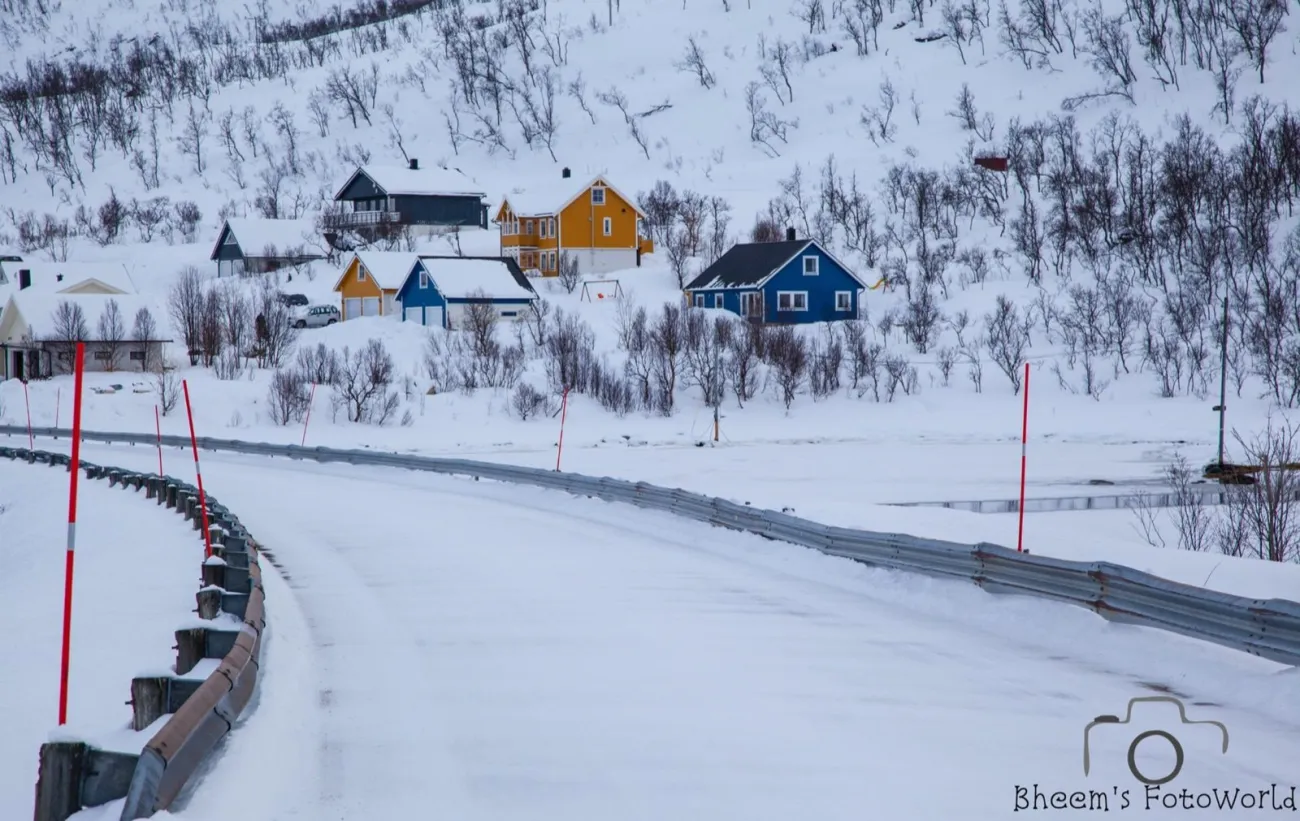
A winter Norway holiday should be designed around winter conditions. Choose a base with worthwhile daytime options and transport you can use comfortably. Do not copy a summer self-drive route and simply move the dates to January.
In Tromsø and other northern destinations, daylight and twilight change the shape of the day. A guided excursion may take much longer than its headline activity once you include travel. Leave room for rest, meals and the possibility that weather changes your booking.
City visits can work well with museums, food and performances, but even a short walk can be slower on ice. Ask the accommodation about the final route from the stop and retain a nearby indoor alternative. Winter can be rewarding without a commitment to remote driving or technical snow activities.
Northern lights and midnight sun
These are opposite light conditions, not two experiences to schedule in the same northern week. Aurora viewing needs darkness; the midnight sun occurs during the bright northern summer. Choose the phenomenon you actually want before selecting dates.
Visit Norway describes the northern lights viewing period as roughly late August to late March, subject to darkness, clear sky and natural activity. Conditions can vary around the edges of that period. A season label does not establish visibility on a particular night.
The midnight sun dates depend on latitude: the published reference is 20 May–22 July for Tromsø and 28 May–14 July for Lofoten. These are regional light windows, not weather guarantees. Mountains and your exact position can affect whether you see the sun above the local horizon.
Choose an aurora trip you would enjoy anyway
Several nights create more opportunities, but do not guarantee a display. Choose daytime activities, food or cultural interests independently of the aurora. Compare guided outing policies for unsuitable weather and missed sightings rather than assuming every operator offers the same repeat arrangement.
Make long light useful
Long daylight can create flexible photography and outdoor windows. It can also make it easy to overlook fatigue. Keep meals, rest and the return journey in your plan rather than adding another distant stop simply because the sky remains bright. Check actual operating hours: daylight does not keep a visitor centre or ferry service open.
Choose the latitude and light window
For practical northern lights planning, use September to early April as the broad Tromsø tour season. Visit Tromsø describes possible visibility from late August to early April when the sky is sufficiently dark and clear; late-season daylight and local weather still matter. This refines the national late-August-to-March overview above rather than promising all of April. Darkness, a clear enough sky and auroral activity must coincide. See the regional viewing guidance before choosing nights.
| Place / phenomenon | Useful date window | What changes the decision |
|---|---|---|
| Tromsø northern lights | September–early April for most tour planning | Allow several evenings; cloud and natural activity still control visibility |
| Tromsø midnight sun | Approximately 20 May–22 July | An open local horizon and weather affect whether you see the sun |
| Lofoten midnight sun | Regional reference approximately 28 May–14 July | Exact coastal location and mountains alter the usable horizon |
| Tromsø polar night | Approximately 27 November–15 January | No sunrise above the astronomical horizon; midday twilight still occurs |
| Oslo and Bergen | No midnight sun or polar night | Long summer evenings do not mean the sun stays above the horizon |
The date references come from Visit Tromsø’s midnight-sun guidance, Visit Lofoten’s regional overview and Visit Tromsø’s winter explanation, checked 25 November 2026. Latitude sets the broad astronomical window, while mountains and the exact viewing position change the local result. Svalbard lies much farther north and has longer polar-light periods; use its local calendar rather than copying mainland dates.
Polar night does not mean every hour is completely black. Tromsø can have useful midday twilight, but short daylight windows make distant daytime transfers and independent winter driving less forgiving. Late February or March offers more daytime light alongside dark evenings; September or early October can suit an aurora-focused stay without assuming snow-based activities are operating. These are trip-design trade-offs, not a forecast or a guaranteed best month.
For the destination decision as well as the month, compare Lapland and Tromsø for a northern lights trip. The guide contrasts cloud cover, winter temperatures, daylight and daytime activities.
For a bright summer island trip, choose a June or early-July date within the local midnight-sun window, then check snow and trail access separately. Continuous light does not establish safe mountain conditions, a late ferry or an open café. The day-by-day Norway itineraries use different summer and winter bases so the route follows the season.
Spring and autumn: flexibility matters
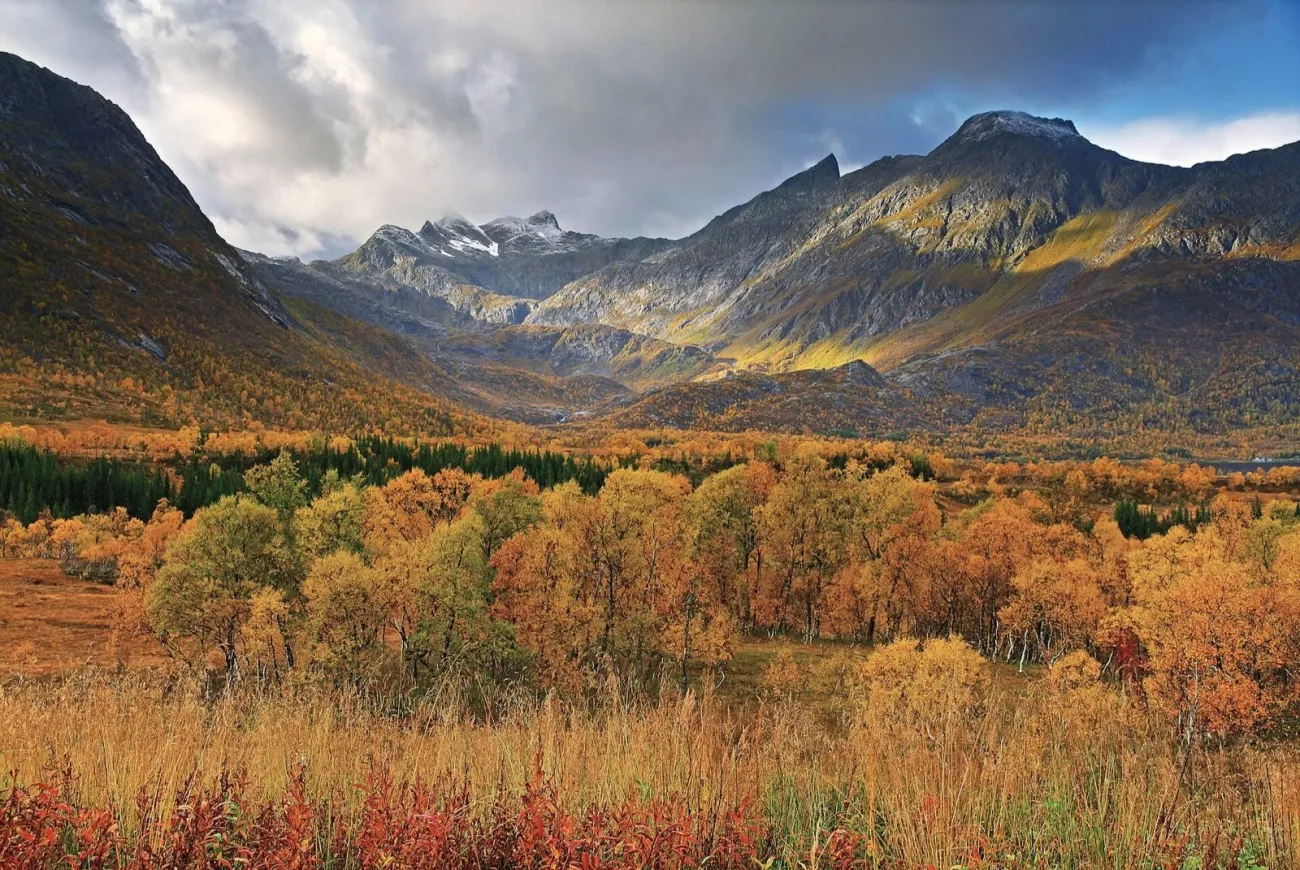
Spring can combine city life, lower-level scenery and lingering winter at altitude. Autumn can bring colour and darker northern nights, alongside shorter days and changing services. Choose a route with several kinds of activity so that it does not depend on one seasonal road or trail.
Price and crowd advantages are possibilities to compare, not universal promises. Events, school holidays and local demand can make a particular week busy. Check the room you want on your dates and compare the full transport plan before assuming that shoulder season is cheaper.
A late arrival into a smaller village deserves particular attention when food venues or transport operate a reduced schedule. Ask about check-in and evening meals before booking. The same hotel can be easy to reach in July and much less convenient on another date.
Regional differences that change the answer
Oslo and the east
Choose Oslo dates around the cultural and outdoor balance you want. A museum-led visit can work in different seasons, while a waterfront-and-island holiday depends more on daylight, conditions and seasonal services. Oslo does not provide the midnight sun or a reliable aurora holiday.
Bergen and the western fjords
Allow for changeable coastal weather and check the deeper fjord route independently of the city. Keep a museum, food visit or village day available when an exposed viewpoint is unsuitable. A sunny Bergen forecast is not a forecast for every mountain in the region.
Lofoten and Tromsø
Choose summer for a northern long-light trip or the darker months for an aurora-oriented stay. Winter transport and driving deserve specific preparation. A dramatic winter photograph should help you understand the conditions rather than persuade you that a summer walk remains straightforward.
Svalbard
Svalbard has its own seasonal activity windows and local rules. Pick an operator and appropriate excursion for the conditions rather than applying mainland hiking advice. The Governor’s current guidance and your provider’s instructions are more useful than a generic national season label.
Check a real date before booking
Look at the date in four ways: local daylight, transport operation, activity conditions and the events calendar. Then test your arrival and departure journeys. A convenient flight date can be a poor fit if it misses the only suitable regional connection.
After booking, monitor forecasts through Yr and check relevant warnings through Varsom. Use these alongside local advice; a favourable icon does not assess the safety of your chosen route. Review the plan again when you arrive, when the latest conditions are clearer.
Travel Tip: Keep one day that can move. A flexible city or village day is useful space for rescheduling a weather-dependent outing.
Best time to visit Norway: FAQs
What is the best month for a first trip?
For a broad city-and-fjord introduction, start by comparing summer dates. The final choice should fit your route, accommodation and preferred activities.
Is September a good compromise?
It can suit a flexible regional trip and darker northern evenings, but it is not a guarantee of summer services or snow-free mountain routes. Check the details for the places you choose.
Can I combine fjords and aurora?
You can combine a western stay with a dark-season northern stay when transport and time allow. That is a different itinerary from a summer fjord holiday, and aurora visibility remains uncertain.
Last updated:
Tours, Tickets & Experiences
Norway Travel Tips & Inspiration