




Sign in
For Photos4Travel editors and team members.
Norway Health & Safety: City, Mountain & Coastal Travel
Europe · Norway guide
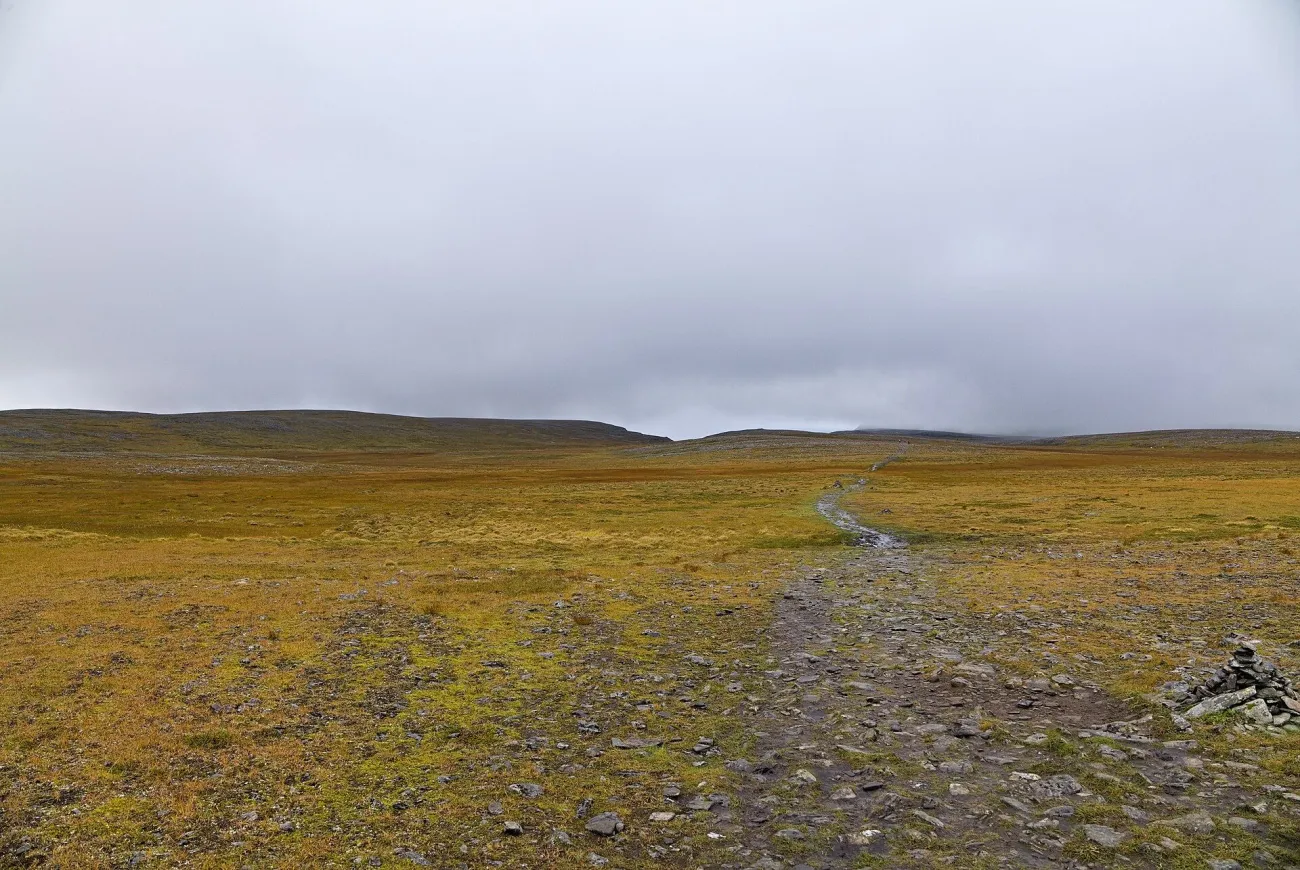
A sensible Norway safety plan supports the holiday you actually intend to take. A city break, a winter road trip, a coastal boat outing and a high-mountain walk create different questions. Prepare the documents, contacts and equipment that fit the route, then adapt the day when conditions change.
This page provides general travel preparation and official sources. It does not assess an individual’s health or a particular route’s safety. Use Walking & National Parks for route comparisons and Travel Essentials for documents, power and connectivity.
Useful contacts and the right help
| Situation | Number | Use |
|---|---|---|
| Police emergency | 112 | Immediate police assistance |
| Medical emergency | 113 | Serious or life-threatening illness or injury |
| Fire and rescue emergency | 110 | Fire or urgent fire-service response |
| Out-of-hours medical service | 116 117 | Urgent medical help when it is not life-threatening |
Sources checked on 24 November 2026: the Norwegian Police, official emergency-service guidance and Helsenorge’s visitor information. These short numbers are for use in Norway; keep your insurer’s international contact separately.
When calling, give the location as clearly as possible, explain what happened and follow the operator’s questions and instructions. A named trail, nearby road or accommodation address is more useful than saying that you are somewhere near a fjord. Do not rely on a photograph alone to communicate location.
Rescue, documents and official travel sources
| Need | Contact or source | Use it for |
|---|---|---|
| Urgent rescue assistance | 112; 113 for a medical emergency | Explain your location and situation. The emergency services coordinate the appropriate response; see the Joint Rescue Coordination Centre. |
| Non-emergency police contact | Police: 02800 | Non-urgent police questions and reporting guidance. Immediate danger belongs on 112. |
| Embassy or lost passport | Official diplomatic-missions directory | Find your own country’s embassy or consulate and its current document and emergency arrangements. |
| Weather forecast | Yr | The actual location, elevation and timing of the outing. |
| Natural-hazard warnings | Varsom | Regional warnings, coverage and validity dates; not a personal route clearance. |
| Roads and mountain passes | Statens vegvesen | Closures, road notices and the intended driving route. |
| Public-transport planning | Entur | Exact stops, connections and service times; check the operator’s disruption notices too. |
For a lost foreign passport, secure the remaining documents, ask the police about reporting requirements and contact your own embassy or consulate about a replacement or emergency travel document. Check the carrier and any transit country before changing the journey. A police report or a photograph of a passport is not itself a replacement travel document.
What to have ready when calling
Give your name and callback number, the exact or best-known location, what happened and how many people need help. Use a place name together with a trail, road, quay or coordinates if available. Follow the operator’s instructions and explain immediate hazards. Do not delay urgent contact while trying to assemble a perfect description.
Healthcare and travel insurance
Check eligibility through Helsenorge’s guidance for visiting EU/EEA, Swiss and UK travellers. An eligible EHIC or GHIC can support access to medically necessary public healthcare under the applicable rules, but it does not replace comprehensive travel insurance. Eligibility is not identical for every cardholder or nationality.
Private treatment, repatriation and other travel costs can fall outside public-card cover. Visitors from countries without a relevant arrangement may face healthcare charges; Helsenorge explains the framework. Carry proof of cover and the insurer’s contact information rather than assuming a passport or credit card establishes protection.
Match the policy to the activities and destination. Ask about mountain walking, winter sports, boat excursions, remote areas and Svalbard if relevant. Check exclusions, any altitude or equipment conditions and the process for arranging assistance. A policy described as worldwide is not evidence that every activity is covered.
Helsenorge tells eligible visiting cardholders to show the EHIC together with identification when using public services. Patient fees can still apply, and a private provider without a public reimbursement agreement can charge the full cost. Ask the insurer about assistance and approval arrangements before non-urgent private treatment; use 113 immediately for a medical emergency rather than waiting for an insurance call.
Medication and personal health preparation
Arrange adequate prescribed medication and keep it in suitable original packaging with supporting documentation where needed. Check Norwegian import requirements for the medicine through the relevant official authority before travel, especially when controlled substances or unusual quantities are involved.
Keep essential supplies and documents accessible during the journey, within airline and security rules. If a device needs charging or refrigeration, confirm the practical arrangement with the carrier and accommodation. A room’s general facilities list may not answer a specific medical-equipment requirement.
Discuss individual fitness, medication or activity concerns with a qualified clinician before departure. A generic travel article cannot determine whether cold immersion, strenuous hiking or a remote excursion is appropriate for you. Tell an organiser about relevant requirements through its proper process early enough to establish whether it can accommodate them.
City travel, belongings and evenings
Keep valuables and travel documents secure around crowded transport points and busy attractions. Separate a backup payment method from your main wallet, and retain copies of important details. Do not make one phone the only place where the group’s bookings and contacts exist.
Choose an evening return plan before drinking or staying out late. Check the final useful service and the actual hotel entrance. In winter, a short route can involve icy surfaces or exposed wind, so consider the conditions as well as the distance. Use the accommodation or official provider for reliable transport information.
Read a provider’s payment and cancellation terms before transferring money. A convincing photograph or message does not establish that an unfamiliar booking account is genuine. Use the official site or established booking channel and keep the confirmation with the exact property name and address.
Weather: match the forecast to the activity
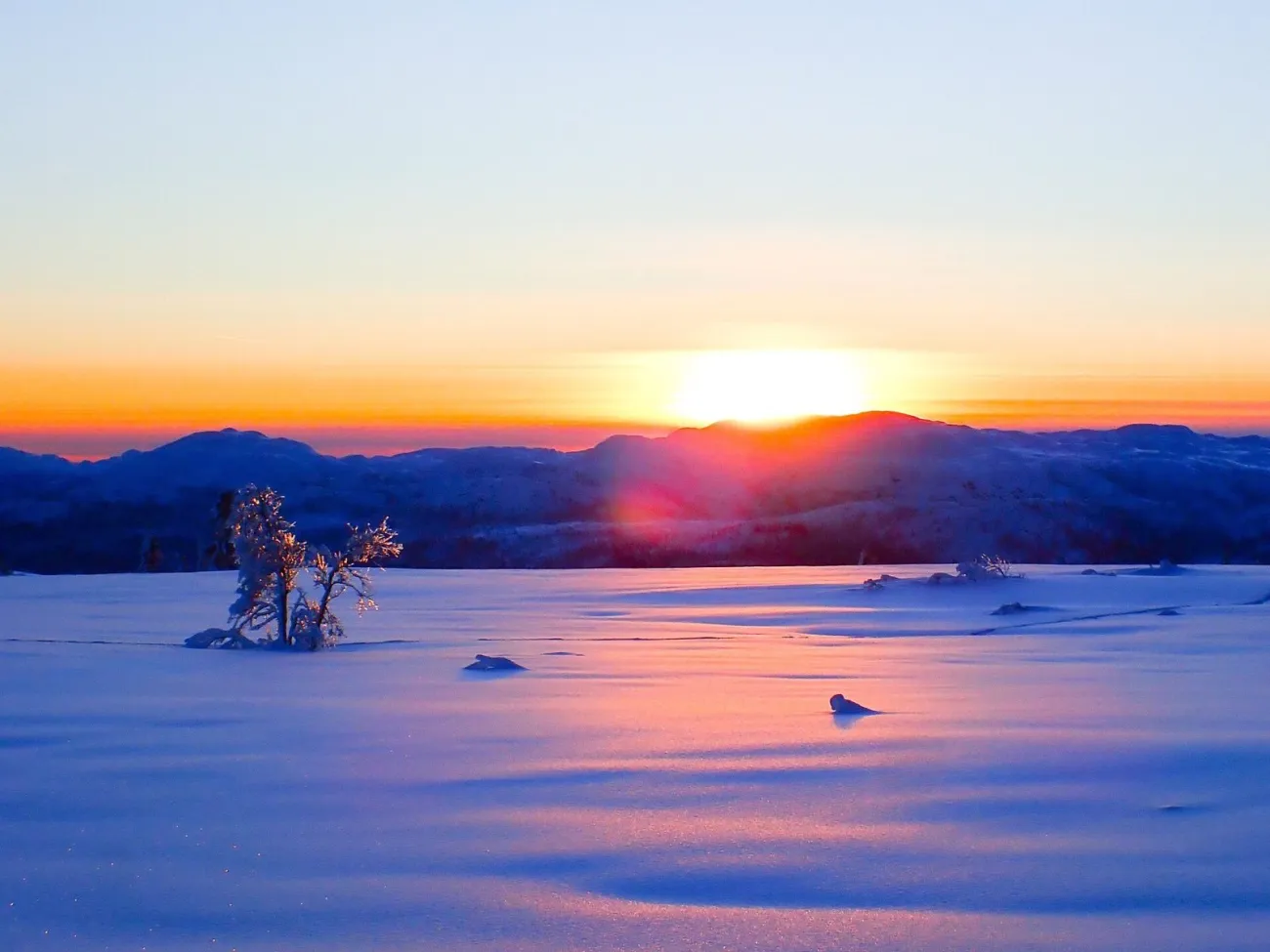
Check Yr for the place and elevation relevant to your outing, not only the nearest city. Review official warnings and local operator advice. A pleasant waterfront morning can coexist with unsuitable conditions higher in the mountains.
Keep a flexible alternative, and decide what would make you cancel or turn back before leaving. Following a closure is not a lost opportunity to negotiate; choose another outing. A paid booking should not pressure you into conditions that exceed your ability or the provider’s advice.
For cold and wet conditions, suitable layers and dry clothing support comfort and resilience. Do not depend entirely on a café, phone signal or vehicle reaching a remote location at the right moment. Choose a simpler route when the practical backup is weak.
Mountains, winter and avalanche information
Use the Norwegian Mountain Code as a preparation framework: plan appropriately, carry navigation and equipment, check conditions and be willing to turn back. Popularity, a built stairway or a line on a mapping app does not establish a suitable route for your group.
Varsom provides official warning information relevant to natural hazards. A regional warning is not a personal assessment of the exact slope or route. If an outing needs avalanche knowledge or winter skills you do not have, choose a suitable guided alternative or different activity rather than trying to learn from a short summary on the day.
Allow enough daylight and energy for the return. Share the route and expected return with someone, and keep the plan appropriate to the least experienced participant. An emergency shelter is for distress, not evidence that inadequate preparation will be manageable.
Ice also changes an ordinary town walk: choose maintained paths and footwear suited to the surface, and allow more time between a hotel, bus stop and quay. For a mountain outing, read the warning’s date, geographical coverage and specific avalanche problems. An empty or out-of-season forecast panel is not an assurance of low risk. Use a route and activity that match the group’s actual winter skills.
Water, boats and coastal conditions
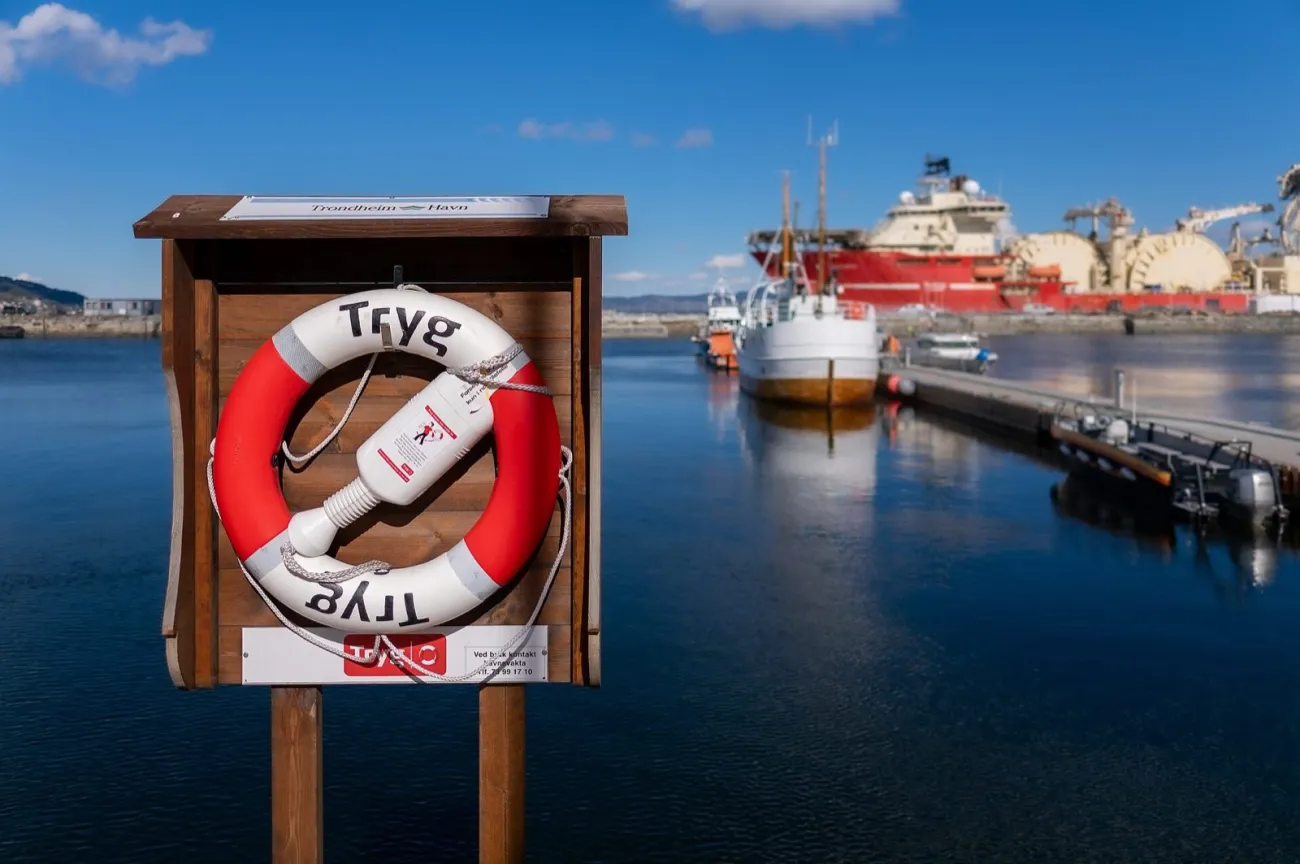
Cold water, wind and waves can make a shore that looks inviting unsuitable for bathing. Follow local notices and the organiser’s instructions for saunas, kayaking or boats. Wear the safety equipment required for the activity, and do not make alcohol part of a swimming or boating plan.
Ask about boarding and mobility arrangements before booking. A vessel with an accessible interior may still have a challenging gangway or quay on a particular day. Confirm the full route from land to seating rather than relying on one general accessibility symbol.
On a boat, keep the permitted deck area and other passengers in mind. Secure equipment, use handholds and put the camera away when moving across slippery surfaces. A better photograph is not a reason to lean outside barriers or ignore crew instructions.
Visit Norway’s water-safety guidance stresses life jackets, sober decisions and the risks of cold water even in summer. Keep children supervised near the shore and choose an appropriate organised activity when you lack the equipment or experience. Check how you will get out of the water and change into dry clothing; an inviting photograph is not a water-temperature or current assessment.
Driving and remote travel
Check Statens vegvesen’s road information for the actual route. Winter tyres, vehicle preparation and driving experience need consideration together; a rental booking alone does not make an unfamiliar mountain road appropriate.
Keep breaks, fuel or charging and meal stops in the plan. Follow closure and convoy instructions, and do not rely on navigation to route around a safety restriction. For a remote or Svalbard itinerary, use the destination authority and activity provider’s current guidance and verify insurance separately.
Travel Tip: Save the accommodation address, insurer’s contact and relevant emergency numbers offline before departure. Confirm that another person in the group can retrieve them too.
Norway health and safety FAQs
Does an EHIC replace travel insurance?
No. Check your eligibility and the public-care rules, then arrange cover for the other risks relevant to the trip, including repatriation and activities.
Which number should I call for a medical emergency?
In Norway, Helsenorge directs serious or life-threatening illness or injury to 113. Follow the operator’s instructions and provide your location.
Does a low regional hazard warning make a route safe?
No. Warning information does not assess every local feature or a participant’s skills. Use appropriate local judgement and choose another outing when uncertain.
Last updated:
Tours, Tickets & Experiences
Norway Travel Tips & Inspiration