
Compare the Main Bases
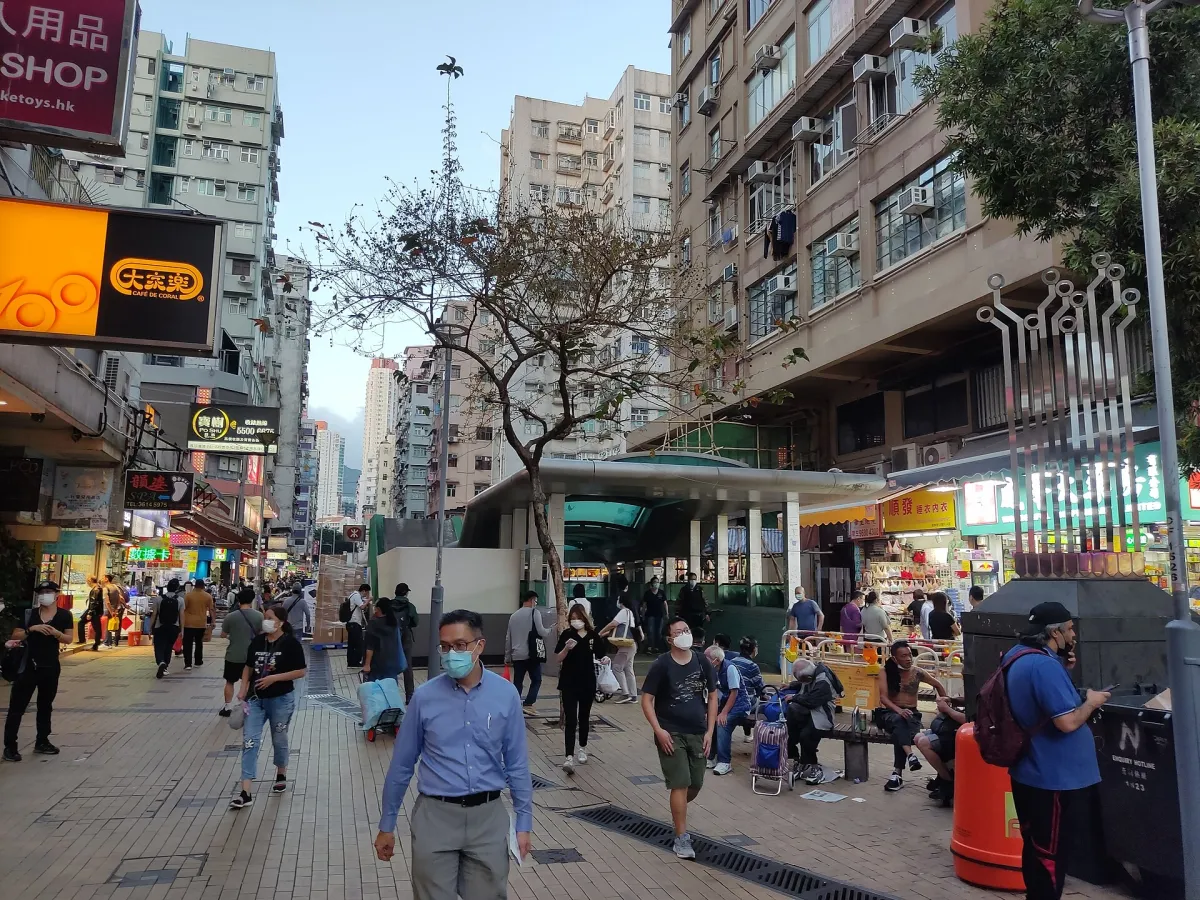
For a first harbour-focused visit, begin with Tsim Sha Tsui or Central/Sheung Wan. Compare Wan Chai and Jordan/Yau Ma Tei if everyday meals and a convenient rail base matter more than a waterfront room. Choose Causeway Bay for shopping, North Point for a more residential Island routine, or Tung Chung when airport timing and Lantau dominate the trip. These are editorial choices, not a promise that one district is always cheaper.
On small screens, scroll the table sideways to compare every column.
| Base | Best fit | Access and final approach | Main trade-off |
|---|---|---|---|
| Tsim Sha Tsui | First visit, harbour walks and Kowloon museums | Choose Tsim Sha Tsui or East Tsim Sha Tsui for the actual address | Busy streets; view categories and waterfront rates vary |
| Central / Sheung Wan | Island evenings, heritage streets and Central-pier outings | Check slopes, steps and the separate walk to the ferry piers | Uphill rooms and entertainment noise vary by street |
| Wan Chai | Everyday food, Island rail trips and business waterfront | Distinguish Wan Chai and Exhibition Centre station approaches | Convention demand and street noise |
| Causeway Bay / Tin Hau | Shopping, Victoria Park or a neighbourhood edge | Check crossings and the exact exit with bags or a buggy | Busy retail pavements; each room’s orientation matters |
| Jordan / Yau Ma Tei | Local dining and a practical Kowloon routine | Check building entrance, reception floor and lift | Older-building and traffic conditions differ sharply |
| Mong Kok | Markets, shopping and street activity | Mong Kok and Mong Kok East serve different lines | Crowds; more travel for repeated Central evenings |
| North Point | A repeat visit or longer Island routine | Verify the final hotel approach and repeated journeys west | Less central for many first-visit harbour plans |
| Tung Chung / airport | Airport timing or a Lantau-focused stay | Verify the actual terminal transfer at the hour needed | Longer repeated journeys to harbour districts |
| Island or coastal stay | A deliberate slower village or beach break | Check pier/road service, luggage and the property’s final walk | Ferry/weather dependency and limited late returns |
The Hong Kong Tourism Board neighbourhood guides help establish local character. Compare actual hotel quotes for the same dates and room conditions: district names alone do not establish room size, quietness, accessibility or value.
First Visit: Tsim Sha Tsui or Central/Sheung Wan?
Tsim Sha Tsui: harbour walks and a Kowloon base
Choose Tsim Sha Tsui when the promenade, the Star Ferry and Kowloon museums are central to your first visit. It is convenient for an evening waterfront walk without another trip back across the harbour. Separate three settings when comparing rooms: a premium waterfront address, the busy Nathan Road shopping corridor, and Tsim Sha Tsui East. A room described simply as “Tsim Sha Tsui” can occupy any of these.
Trade-off: crowds, traffic and a higher charge for a particular harbour-view category can matter more than the district’s general convenience. Tsim Sha Tsui and East Tsim Sha Tsui stations connect different rail lines, and the underground passages still involve walking. Save the route from the exit you can use to the actual entrance. With a pushchair or luggage, a suitable lift and street crossing are more useful than the shortest straight-line distance.
Central and Sheung Wan: Island evenings and ferries
Central works for business, Island dining and a first visit that puts the Peak and Old Town Central high on the list. Sheung Wan suits visitors who enjoy smaller streets, cafés, galleries and a more local daily routine. Both can support Central-pier island outings, but the ferry-pier approach is a separate walk from many hotel streets.
Trade-off: addresses above the main waterfront roads can mean steep slopes, steps or an indirect approach. “Near Central” is not enough for anyone with limited mobility. Check whether a taxi can stop at the entrance, and ask about the path from drop-off to reception. If you expect to spend several evenings in SoHo or Lan Kwai Fong, choose your street for noise tolerance as well as proximity; an uphill walk back late at night feels different from the same distance on a map.
Wan Chai, North Point and the Kowloon Neighbourhoods
Wan Chai: food, rail links and a mixed business district
Wan Chai makes sense when you want everyday meals, tram access and Island Line journeys without committing to Central’s hillside streets. Check whether the property is nearer the older streets around Johnston Road or the business waterfront. Wan Chai station on the Island Line and Exhibition Centre station on the East Rail Line serve different approaches; choose the station and entrance for your actual hotel.
Trade-off: convention demand can change prices and the entertainment streets can be lively. Ask for the room orientation if noise matters. A waterfront hotel may be convenient for an event but a longer walk from the particular restaurants or station you intend to use. Compare the complete door-to-door route before treating every Wan Chai address as equivalent.
Causeway Bay and Tin Hau: shopping or a gentler edge
Causeway Bay is a strong choice for shopping, an active urban atmosphere and access to Victoria Park. It suits visitors who enjoy returning to busy streets and a broad choice of meals. For a different daily rhythm, compare the Tin Hau side of the park with the busiest retail blocks. The Tourism Board’s Causeway Bay guide helps distinguish shopping and local food stops.
Trade-off: crowded pavements, road crossings and large shopping buildings can make the final walk slower with bags or a buggy. Do not assume a park-facing or Tin Hau address is quiet in every room. Check the exact station exit, road frontage and room category. This is a good base for a shopping-led stay; a visitor concentrating on Kowloon markets will cross the harbour more often.
Jordan and Yau Ma Tei: neighbourhood meals and a Kowloon routine
These areas suit visitors who want local food, market browsing and practical access to the Tsuen Wan Line. They can work well when your evenings end with a nearby meal rather than a hotel-bar view. Check the walk between the chosen entrance and Nathan Road, Temple Street or your preferred restaurant area; “near Temple Street” does not describe every surrounding block.
Trade-off: traffic, busy pavements and older buildings vary sharply by property. For a guesthouse in a mixed-use building, confirm the reception location, lift access, staffed arrival arrangements and room photos. A less expensive quote should still be compared on occupancy, bathroom, cancellation and final total. Families may prefer a clearly specified hotel room over an unclear multi-building listing.
Mong Kok: markets, shopping and dense city activity
Choose Mong Kok when shopping streets, street photography and Kowloon food are a major part of the trip. It makes a different base from a quiet waterfront stay. Check whether the address is close to Mong Kok MTR or Mong Kok East: the stations are on different lines and are not interchangeable entrance labels.
Trade-off: crowds and street noise can be tiring after a full day, and repeated Central evenings add travel. Look for a room orientation that suits your sleep needs and verify the luggage approach through busy pavements. Sham Shui Po is a worthwhile nearby browsing excursion for fabric and craft interests; it is not a reason to assume every budget property anywhere in north Kowloon offers the same convenience.
North Point: an everyday Island base
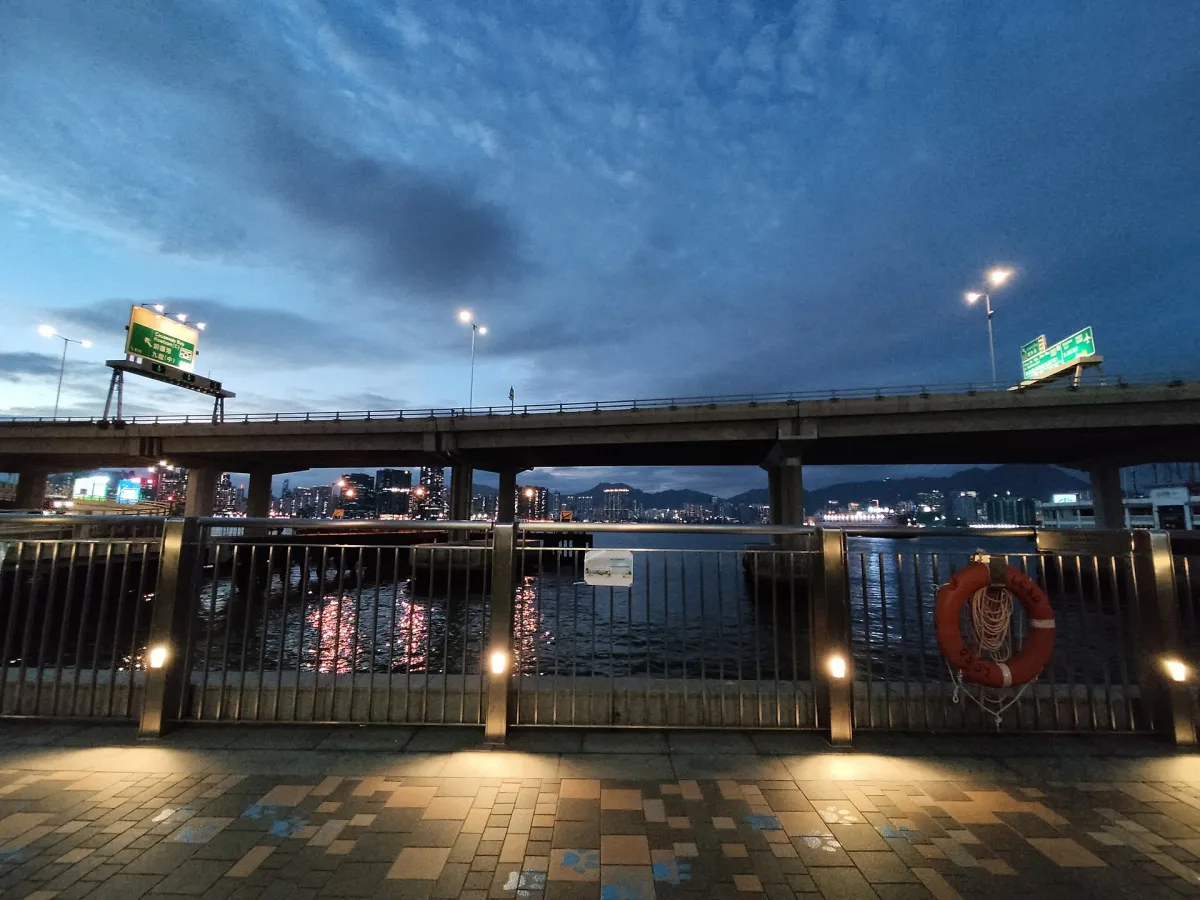
North Point can suit a longer stay when you enjoy neighbourhood meals and a more residential routine. Compare the exact room and laundry options with more central districts. Rail and tram journeys connect you with the rest of the Island, but many first-visit sights still require travel west.
Trade-off: a larger-looking room or a waterfront photograph does not establish the ease of the walk to your building. Check the actual entrance and any steep final section. North Point can be a sensible base for a repeat visit or an extended stay; for a short harbour-heavy trip, compare how often you would travel to Central and Tsim Sha Tsui before choosing it solely on the nightly rate.
Airport, Lantau and Island Stays
Tung Chung and the airport: choose this area for an early departure, a late arrival or a stay centred on Lantau. Repeated trips to the harbour districts are the compromise. An airport hotel, an airport-area shuttle property and a hotel in Tung Chung have different transfer arrangements. Verify the actual service at your arrival or departure hour: “near the airport” does not mean walkable from the terminal.
A theme-park break: a Disneyland resort stay can make park days easier, especially when afternoon rest or a late show matters. Treat it as a deliberate park-focused portion of the trip. Compare the extra transfer and check-in with staying in one city hotel and visiting for the day.
Cheung Chau, Lamma and coastal Lantau: an island stay rewards travellers who want a slower village or beach routine. It also ties some evenings and arrivals to ferries or road services. Confirm luggage access and the final walk to the property, particularly if it is inland from the pier. An island is rarely the easiest single base for a first visit built around the central harbour.
Split a stay when the second base changes the experience: several city nights followed by a deliberate coastal break, or a city stay followed by a park-focused stay. For a short visit, the packing, transfer and second check-in may cost more useful time than they save. Before a flight, choose a final-night location and transport plan that still work if weather disrupts a ferry outing. Use Airports & Transfers and Day Trips for the actual connections.
Choose for Family, Mobility and Longer Stays
With children: choose a base with easy meals and a realistic hotel break, then confirm occupancy and sleeping arrangements for the children’s actual ages. A park-focused family may value Lantau; a mixed city trip may work better from Tsim Sha Tsui or an Island rail base. The exact room layout, cot or extra-bed policy and bathroom matter more than a broad “family-friendly” label.
With limited mobility: compare the entire chain from the vehicle or station lift to reception and the specific room. Ask about steps at the doorway, gradients, lift dimensions and the bathroom you will book. A district cannot be certified as accessible for every visitor. Save a suitable station exit and a taxi alternative; use the accessibility checks before confirming.
For a longer stay: give laundry, kitchen equipment, a proper desk, storage and nearby groceries more weight. Verify what a kitchenette actually includes and any longer-stay cancellation, deposit or cleaning conditions. A North Point or neighbourhood Kowloon base can support a routine, but choose around the journeys you will repeat. Compare the complete stay cost in Longer Stays & Costs.
Room Size, Views and the Final Price
Read the room category as carefully as the property description. Check floor area, bed dimensions, the maximum occupancy, luggage space and whether a cot or extra bed is actually included. A “harbour” room can have a partial view; compare the exact wording and photos rather than assuming all rooms face the water.
Compare final totals with the same cancellation and meal conditions. Check whether the 3% Hotel Accommodation Tax and any property service charge are already included. A lower headline rate can exclude charges or use a less flexible policy. For a longer stay, laundry, a kitchen and a proper desk deserve extra weight; see Longer Stays & Costs. Once you have chosen the base, use Hotels for specific property options.
Frequently Asked Questions
Which side is better for a first stay, Kowloon or Hong Kong Island?
Both can work well. Choose Tsim Sha Tsui for a harbour and Kowloon focus, or Central/Sheung Wan for Island dining, heritage streets and ferries. The exact hotel approach and room category can matter more than the side.
Is an airport hotel a good base for all sightseeing?
It is useful for airport timing or a Lantau-focused stay. For repeated trips to Central, Tsim Sha Tsui and other harbour districts, compare the additional travel with a city base.
Should I pay extra for a harbour view?
Only when spending time in the room and seeing that view matter to you. Check whether the specific category offers a full or partial view and compare it with free public waterfront viewpoints.
Is it worth splitting a short stay between two neighbourhoods?
Usually only when the second base changes the purpose of the trip, such as a deliberate island or theme-park break. Packing, transfer and another check-in can use a large part of a short visit. One city base works well for a mixed first trip.
Which base should a family or a traveller with limited mobility choose?
Choose around the actual entrance, suitable station lift, room layout and easy meals. Tsim Sha Tsui or an Island rail base can make hotel breaks practical, but no district guarantees step-free access or a suitable room. Confirm the specific property and route.