
CHINA · HONG KONG GUIDE
Hong Kong Travel Guide
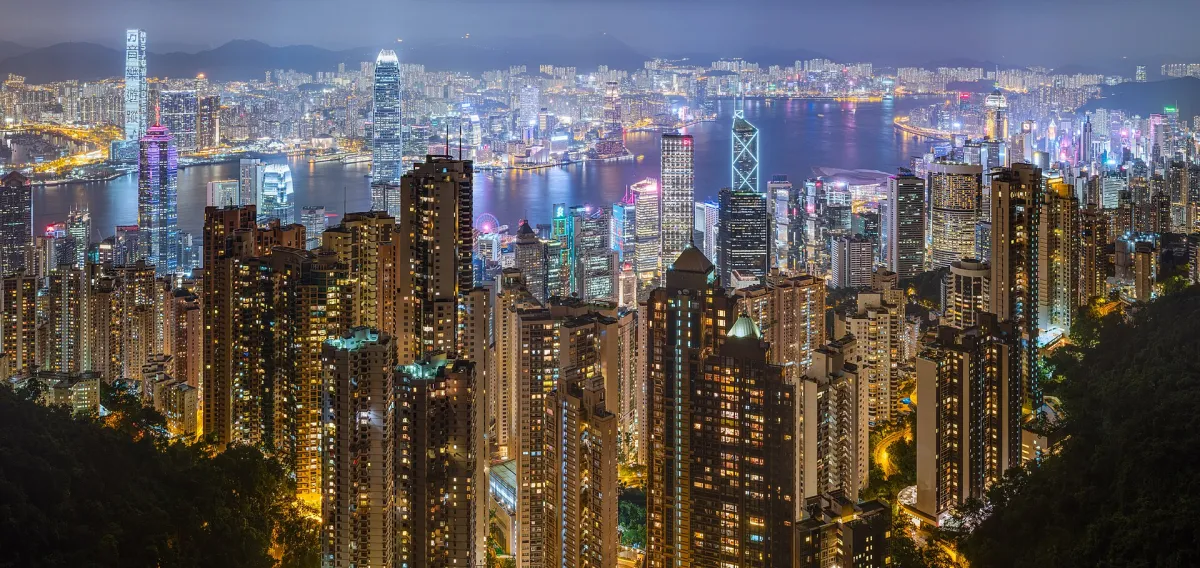
Hong Kong rewards a plan built around its harbour, steep streets and surprisingly large outdoor hinterland. Stay near a useful MTR station, explore one side of Victoria Harbour at a time, and leave a clear-weather day for the Peak or an island. Four or five nights give a first visit room for Cantonese food, neighbourhood walks, a museum and a coastal escape without treating each day as a race. This guide helps you choose the right base and pace before moving into the detailed guides.
Hong Kong at a Glance
On small screens, scroll the table sideways to compare every column.
| Decision | Useful starting point | When to adjust |
|---|---|---|
| Length of stay | 4–5 nights for an unhurried first visit | 2 nights for the harbour core; 6–7 for islands and hiking |
| Base | Tsim Sha Tsui or Central/Sheung Wan | Wan Chai for an Island base; Jordan for local dining |
| Arrival | Hong Kong International Airport, on Chek Lap Kok | West Kowloon rail and land borders need separate entry planning |
| Local transport | MTR, buses, trams and ferries | Choose the exact station exit and final hotel approach |
| Weather | Late autumn for walking and clearer views | Summer needs indoor alternatives and warning checks |
| Money | Hong Kong dollars (HKD); Octopus plus a bank card and cash | Stored-value cards are payment tools, not unlimited sightseeing passes |
Hong Kong is a Special Administrative Region of China with its own immigration arrangements. A mainland China visa or transit concession does not automatically grant admission to Hong Kong, and entering the mainland from Hong Kong is a separate border crossing. Use the Visa & Entry guide before booking a cross-border excursion.
What to Do in Hong Kong
Build your visit around contrasting experiences: see the harbour from the water, walk the older streets above Central, try a shared dim sum meal and spend time beyond the shopping districts. The Things to Do guide separates experience choices from its attraction, family, shopping and outdoor sections, so you can select a day that suits your interests rather than ticking off a long list.
A museum visit in West Kowloon brings a different perspective from temples or a skyline viewpoint. M+ focuses on visual culture; the Hong Kong Palace Museum offers a different collection and ticket structure. Neither should be treated as a quick extra squeezed between distant stops. For quieter days, choose one island or a south-coast beach; see day-trip options for practical outward and return planning.
How Many Days Do You Need?
On small screens, scroll the table sideways to compare every column.
| Stay | What it allows | Main trade-off |
|---|---|---|
| 2 nights | A harbour crossing, Central and one Kowloon neighbourhood | Little room for an island or poor weather |
| 4 nights | Three full days plus arrival/departure time | Choose one major outdoor excursion |
| 5 nights | Four full days, museums and a flexible island day | Still allow time for queues and transfers |
| 7 nights | A slower base, more coast and neighbourhood exploration | Check room space and laundry before booking |
Four nights normally means three complete sightseeing days between arrival and departure. It does not mean four full days on the ground. Late arrivals and morning departures reduce that time further. Keep the first evening close to your hotel, and leave the final day free of ferries or mountain outings before a flight. The Itineraries guide shows sequences and weather alternatives.
Best Time to Visit Hong Kong
November and December are often good starting points for a walking and skyline-focused visit, while summer suits travellers comfortable with heat, humidity and frequent changes of plan. Winter can feel cool on windy waterfronts and hilltops. Spring humidity and low cloud can hide the view you came to photograph; put museums and food walks on those days.
The Hong Kong Observatory climate guide describes seasonal patterns, not a forecast for your dates. Tropical cyclones can affect Hong Kong beyond the peak summer months. Always check current warnings before an island ferry, beach outing or exposed hike. The Best Time to Visit guide explains how to adapt each season.
Where to Stay
Tsim Sha Tsui is convenient for a first visit centred on harbour views, museums and Kowloon dining. Central and Sheung Wan work well for ferries, older streets and restaurants on Hong Kong Island; some addresses involve steep final approaches. Wan Chai provides a useful Island compromise, while Jordan and Yau Ma Tei suit travellers who value everyday food and street life over a polished waterfront setting.
Choose the neighbourhood first in Where to Stay, then compare specific properties in Hotels. Room category matters as much as the hotel name: check usable floor area, the exact bed arrangement and whether a harbour view is partial or direct. A hotel beside Kowloon Station is not automatically a short walk from the Tsim Sha Tsui waterfront.
Getting to and Around Hong Kong
Airport Express provides a fast rail connection to the city, but the last stretch from Hong Kong or Kowloon Station to your accommodation still needs planning. A direct airport bus can be simpler for some neighbourhoods; a taxi can make sense with several people or heavy luggage. Late arrivals need a service available after immigration and baggage collection, not just at scheduled touchdown.
For local exploration, combine the MTR with walking and occasional ferries or trams. The tram serves the northern side of Hong Kong Island; it does not run in Kowloon. The Star Ferry is a short harbour crossing, distinct from the longer ferries to outlying islands. See Airports & Transfers and Getting Around for the relevant decisions.
Food, Budget and Everyday Planning
Eat across several formats: a quick breakfast in a cha chaan teng, a noodle lunch, a shared dim sum meal and an evening restaurant chosen for its food rather than its skyline alone. The Food & Drink guide explains dishes, ordering and area choices. Book destination restaurants separately from your day route; a long meal should be the main event of that part of the day.
Accommodation usually drives the budget. Build a daily estimate from a real room quote, your expected meal style and the tickets you actually want. Public waterfront walks and neighbourhood exploration balance paid attractions well. The Travel Costs & Money guide includes transparent sample arithmetic; Longer Stays & Costs considers laundry, kitchen access and extended accommodation.
Photography and a Better-Paced Visit
For the Island skyline, start on the Kowloon waterfront; for an elevated view across the harbour, choose the Peak on a clear day. Street details in Sheung Wan, harbour activity and temple exteriors all call for different light and lenses. Blue hour is short, so arrive early enough to find a safe position instead of moving between viewpoints during the best light.
The Photos & Photo Spots guide provides shooting choices, local etiquette and an achievable route. Keep pavements and temple entrances clear, ask before close portraits and respect venue photography rules. For family needs, step-free routes and weather contingencies, use the linked detailed guides rather than assuming every sightseeing route works for every traveller.
Frequently Asked Questions
Is Hong Kong suitable for a first trip to Asia?
It can be practical for independent visitors because major transport and visitor information are available in English. Plan the first airport transfer and choose accommodation near a useful station; steep streets, small rooms and humid weather still require preparation.
Can I visit Hong Kong without renting a car?
Yes. Most visitor routes work well by MTR, bus, ferry, tram and walking. A hire car adds parking and routing work and is rarely useful for the core city itinerary.
Should I combine Hong Kong with mainland China or Macao?
Only after checking the entry requirements for each destination and your return to Hong Kong. Border formalities, station or terminal access and separate tickets add time; an overnight stop can be more comfortable than a rushed day trip.