
CHINA · HONG KONG GUIDE
Hong Kong Travel Costs, Money & Tickets
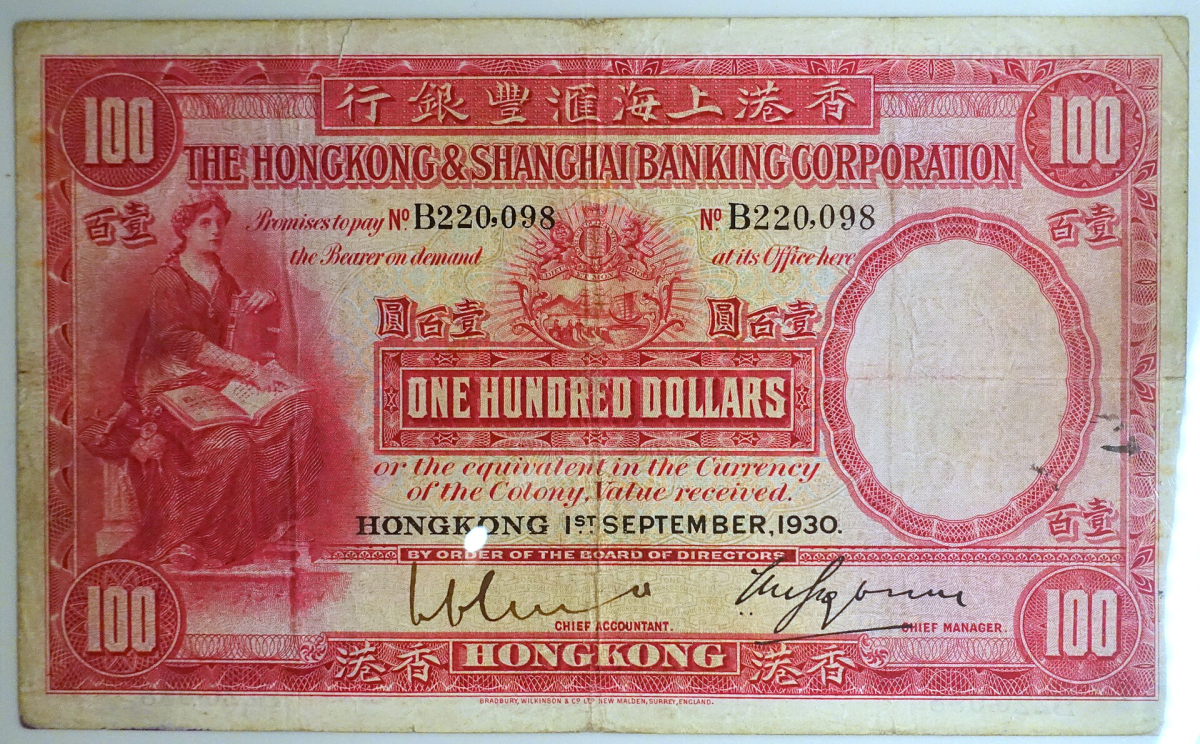
Budget in Hong Kong dollars and begin with a real accommodation quote for your dates. Food and local transport can be modest compared with the room cost, while rooftop drinks, private transfers and several major attractions quickly change the total. The examples here are planning scenarios, not current hotel offers or a survey of market averages.
Currency, Cards, Cash and Exchange
The currency is the Hong Kong dollar, written HKD or HK$. Keep some local cash for small businesses and a bank card for larger purchases, with a backup stored separately. Check your own card’s foreign-transaction and cash-withdrawal terms before travelling; a familiar bank logo abroad does not guarantee a fee-free transaction.
When an ATM or merchant offers to convert a transaction into your home currency, compare the displayed rate and charges with your card’s own terms. Confirm the amount and currency before accepting. Do not confuse a favourable currency relationship with a guaranteed rate available to a visitor. Exchange counters and providers set their own margins.
Build a Daily Budget from Real Components
On small screens, scroll the table sideways to compare every column.
| Component | Economical example | Comfortable example |
|---|---|---|
| Accommodation share | 400 (HK$800 room shared by two) | 800 (HK$1,600 room shared by two) |
| Food | 180 | 350 |
| Local transport | 60 | 100 |
| Admissions and activities allowance | 100 | 250 |
| Illustrative daily total | 740 | 1,500 |
The totals are arithmetic examples: 400 + 180 + 60 + 100 = HK$740; 800 + 350 + 100 + 250 = HK$1,500. Room figures are assumed final nightly costs shared by two adults, not checked live rates. Replace them with a quote including the charges shown at checkout. A solo guest paying the same room price bears the whole room cost.
These examples exclude international travel, airport transfers, shopping, insurance and major splurges. They also assume the activity allowance is averaged across days: a free waterfront day can offset a more expensive ticketed day. Do not present a daily average as the amount you will pay at every attraction.
City Passes & Tickets: What Is Actually Included?
On small screens, scroll the table sideways to compare every column.
| Product | What it is for | What not to assume |
|---|---|---|
| Octopus | Stored-value payments on supported services and shops | It is not unlimited travel or an attraction pass |
| MTR Tourist Day Pass | A defined 24-hour rail-focused visitor product | Airport Express and specified boundary journeys are excluded |
| Airport Express ticket | The airport rail journey purchased | It is not a universal bus, ferry or museum pass |
| Peak Tram/Sky Terrace option | The specific ride/viewpoint combination selected | The wider Peak area and every other attraction are not included |
| Museum ticket | The museum/date/exhibition access stated | Special exhibitions, events or another museum may need separate admission |
At the check on 24 October 2026, the MTR Tourist Day Pass page lists HK$75 for an adult and HK$35 for a child, valid for 24 consecutive hours from the first recorded MTR entry. It is restricted to qualifying visitors and excludes Airport Express, East Rail First Class and journeys to/from Lo Wu or Lok Ma Chau. Recheck the terms before buying.
A day with only two short MTR rides may not justify the pass. Add up the fares for your actual route, then compare. Do not count Star Ferry, an island ferry or every bus as covered. Octopus can still be useful for convenience even when a day pass would not save money.
Choose Paid Admissions Selectively
Buy a ticket because the experience fits your day, not because a bundle contains the largest number of names. Compare the actual exhibition, time slot, cancellation terms and any separate reservation requirement. A timed ticket does not remove every queue or create a protected connection with your next independent booking.
Some cultural spaces and waterfront walks are free, while access to paid galleries is more specific. For example, M+ visitor information distinguishes its free spaces from ticketed galleries. Check the venue directly for special closures and event arrangements instead of relying only on a reseller’s general description.
Where Savings Matter Most
Compare accommodation on several useful districts and room categories rather than simply choosing the cheapest advertised headline. A smaller room far from the routes you want can cost time and extra transport. Check final charges, cancellation conditions, breakfast and luggage storage before comparing two properties.
Eat a mix of local cafés, simple noodles, shared dim sum and any planned special meal. Carry water and choose free neighbourhood walks between paid visits. For a longer stay, laundry and cooking facilities can matter more than a small saving on a single attraction ticket; see Longer Stays & Costs.
Frequently Asked Questions
Is Octopus a tourist sightseeing pass?
No. It is a stored-value payment tool. Money is deducted for eligible journeys and purchases; it does not make attractions or all transport free.
Are the sample daily totals live prices?
No. They are transparent planning examples with assumed room costs and spending allowances. Replace the assumptions with your own final room quote and chosen tickets.
Should I buy the MTR Tourist Day Pass for every day?
Compare the price and inclusions with your actual journeys. A day spent mainly walking in one district may cost less with individual fares, while a rail-heavy day may suit the pass.
