
CHINA · HONG KONG GUIDE
Best Time to Visit Hong Kong
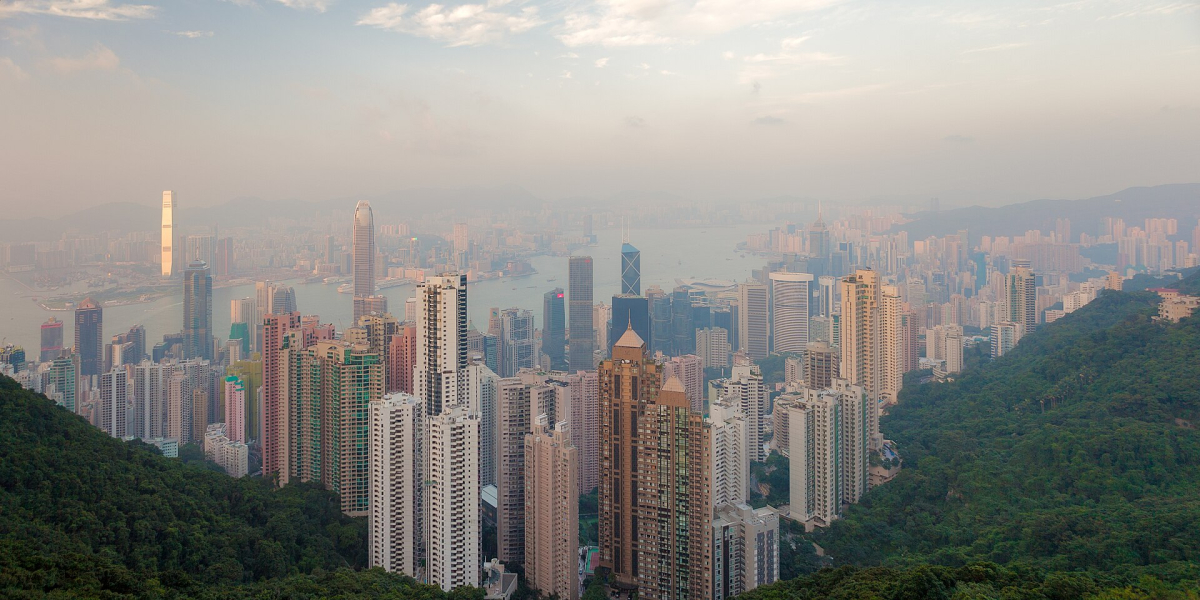
Choose your season around what you want to do. Hong Kong’s weather matters more for exposed hikes, island travel and skyline photography than for a museum-and-food break. Seasonal patterns help you choose dates; the live forecast and warning system determine whether a particular outdoor day should go ahead.
Which Season Suits Your Trip?
On small screens, scroll the table sideways to compare every column.
| Period | Typical planning issue | Good approach |
|---|---|---|
| Late autumn | More comfortable walking and often clearer views | Make room for the Peak, islands and longer walks |
| Winter | Cool fronts, wind and occasional damp spells | Pack layers for waterfronts and high ground |
| Spring | Humidity, fog and low cloud | Keep skyline viewpoints interchangeable with museums |
| Summer | Heat, heavy showers and tropical-cyclone disruption | Short outdoor sessions, indoor breaks and flexible bookings |
The Hong Kong Observatory’s climate summary is the reference for long-term patterns. Conditions vary within the territory: an exposed ridge or windy ferry deck can feel different from a sheltered urban street. Do not treat a city temperature as a complete guide to hiking comfort.
Weather for Views and Photography
Clear visibility is more important than sunshine alone for a harbour panorama. A bright but hazy afternoon may produce flat distant buildings; after rain, broken cloud can create better definition. Keep your Peak visit movable and check what the skyline actually looks like before committing to a ticket or long uphill journey.
Low cloud can make the Peak a poor choice even while the waterfront remains enjoyable. Switch to a lower viewpoint, street details or a museum. Wet streets can add reflections after a shower, but keep equipment dry and stay away from exposed waterfront edges during dangerous conditions. Blue-hour photography still needs a stable, unobstructive position.
Heat, Rain and a Realistic Daily Pace
In humid weather, start with a short outdoor circuit, take a proper indoor break and leave room to return to your hotel. A route that looks compact on a map may include hills, station passages and little shade. Carry drinking water, sun protection and a small umbrella or light rain layer; adapt the distance to everyone in the group.
Heavy rain can affect access and transport beyond a brief shower. Flood-prone paths, slopes and stream crossings deserve particular caution. An air-conditioned museum can be a useful alternative, but it is not guaranteed to remain open during severe warnings. Check the venue’s own weather arrangements before travelling there.
Tropical Cyclones and Warning Signals
Read the Observatory’s current tropical-cyclone information and local operator announcements. Warning levels can affect ferries, cable cars, outdoor attractions and airport transfers differently. A service suspension is a reason to change the plan; it is not an invitation to search for an informal boat or a more exposed route.
Build extra margin if your trip includes an island stay or a cross-border connection. Keep medication, chargers and a meal option accessible if transport pauses. Contact your airline and accommodation about an actual disruption and keep records needed by your insurer. This guide describes planning principles, not a prediction of closures for any particular travel date.
Crowds, Holidays and What to Pack
Weather is only one part of choosing dates. Major events and public holidays can raise hotel demand even when the climate is attractive. Check the Festivals & Events guide and obtain real room quotes before fixing flights. Avoid assuming an event repeats on last year’s exact dates or at the same venue.
For a walking trip, pack comfortable shoes with grip, light layers, sun protection and a small day bag. In winter add a warmer layer for ferry decks and hilltops; in summer prioritise breathable clothing and rain protection for electronics. Check your accommodation’s drying and laundry options if you plan several outdoor days.
Frequently Asked Questions
What is a good month for walking in Hong Kong?
Late autumn is often a practical choice for comfortable walking, but individual days still vary. Check the forecast, humidity, wind and warnings for the route rather than choosing solely by the calendar.
Does a typhoon warning mean my flight is cancelled?
Not automatically. Check your airline and Hong Kong International Airport for the status of your actual flight and allow for disruption to the journey to the airport.
What should I do when the Peak is in cloud?
Move the elevated viewpoint to another day. Choose a waterfront walk if conditions are safe, or spend that time on museums, galleries, food or a neighbourhood with good indoor breaks.
