
CHINA · HONG KONG GUIDE
Responsible Travel in Hong Kong
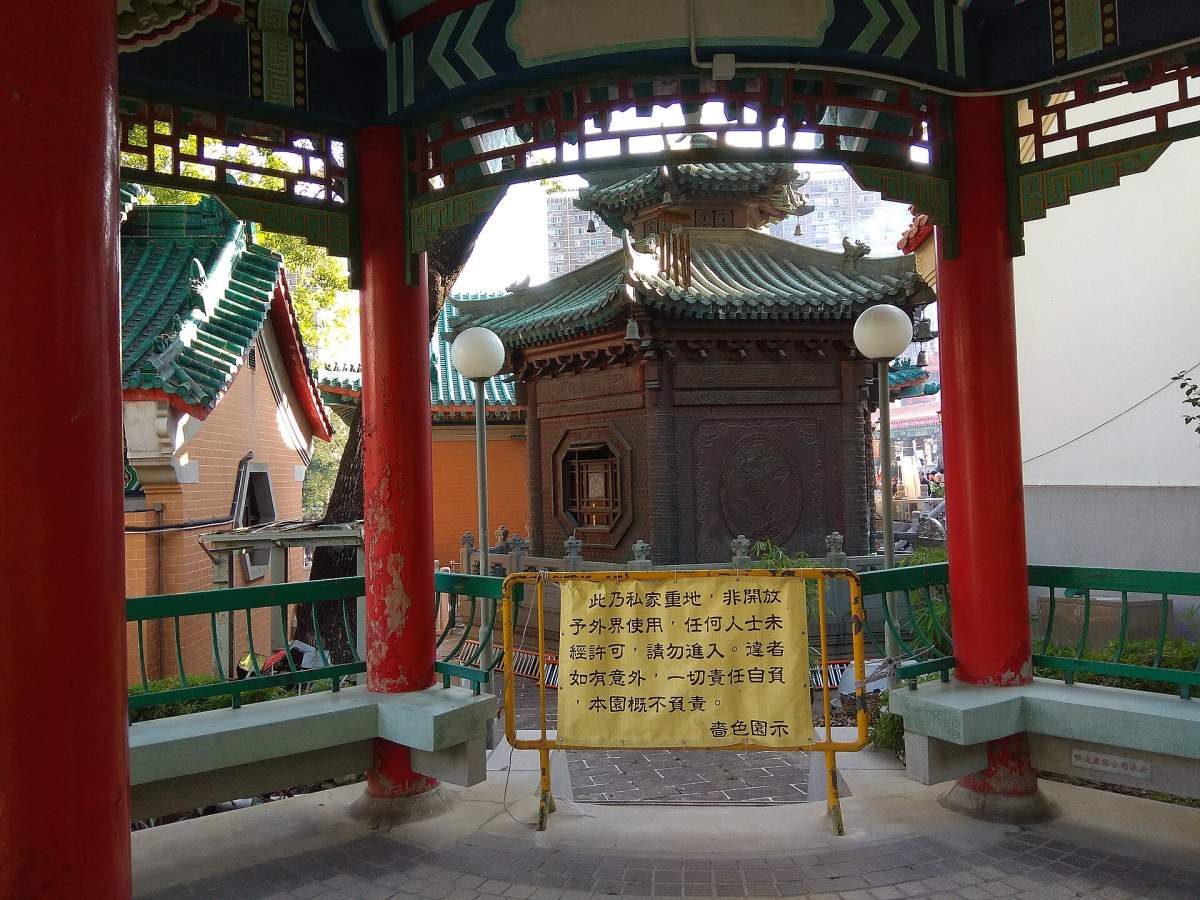
Responsible travel in Hong Kong starts with the places you use every day: narrow pavements, crowded transport, working temples, island villages and country-park paths. A few practical choices help keep these spaces usable for residents and other visitors while making your own trip calmer.
Respect Streets, Homes and Working Places
Keep residential doorways, shop entrances and pavements open. Take a few photographs, then move aside rather than turning a street into a prolonged set. Ask before close portraits and accept a refusal without argument. In markets, buy or browse without rearranging merchandise for pictures, and avoid photographing people’s private transactions.
A publicised viewpoint can still involve private property. Do not enter apartment courtyards, roofs, fire escapes or restricted piers because another visitor has posted a photo there. Use lawful public viewpoints and follow posted restrictions; the Photos & Photo Spots guide prioritises practical public settings.
Visit Temples and Heritage Sites Considerately
Make room for worshippers and follow the site’s instructions on dress, noise, flash and photography. Do not step into a ceremony or move offerings to improve a composition. If smoke or crowds make a temple uncomfortable, choose a brief exterior visit instead of trying to control the space.
Heritage sites can have fragile surfaces and access limitations. Follow the intended visitor route and respect closures even when a passage appears empty. At cultural venues, check whether photography is permitted in the particular exhibition rather than assuming one rule applies to every room.
Country Parks, Coast and Wildlife
Follow AFCD’s advice: stay on designated trails, take litter home, use only designated camping and fire locations and do not disturb wildlife or plants. Bring the supplies you need so a remote route does not depend on a shop being open. Avoid feeding animals, including in village and beach areas.
Keep away from cliff edges and slippery coastal rocks. A photograph is not worth stepping beyond a barrier or approaching dangerous surf. Choose a shorter established route when heat, wind or heavy rain makes the original plan unsuitable. Stick to current closures and restrictions; an old trail report is not permission to enter.
Travel with Less Friction
Use public transport for the journeys it serves well, and group activities by area. That reduces repeated cross-harbour travel and gives you more time in each neighbourhood. Let passengers leave before boarding and keep luggage clear of doors, aisles and accessible spaces.
On an island ferry, respect queues and crew instructions, and be ready to wait for the next service when capacity is reached. A realistic return plan avoids pressuring a boat operator or driver into an unsuitable trip. See Day Trips for the different island approaches.
Spend Thoughtfully and Pack Purchases Carefully
Choose a few businesses because their products or food interest you, rather than treating every district as a photo backdrop. For local design or tea, ask about the maker, origin and materials; clear information is more valuable than a souvenir labelled only “authentic”. The Shopping section explains practical buying decisions.
Carry a reusable bottle where refilling is appropriate and avoid buying more packaging or food than you can use. Respect recycling instructions at your accommodation. Check home-country import rules before taking food, plant materials or claimed antiques abroad; a shop’s willingness to sell does not establish permission to export or import.
Frequently Asked Questions
Can I photograph people in markets?
Ask before close portraits and respect refusals. Keep trading and pedestrian space clear, and do not treat somebody’s workplace as an unattended photography set.
Is it acceptable to feed wildlife for a photo?
No. Do not feed or disturb wild animals. Keep food secure, stay at a sensible distance and follow local notices.
How can I make an island visit more considerate?
Use scheduled services, respect queues, keep village access clear, take litter back and choose a return with enough margin that you do not need an unsafe or informal last-minute ride.
