
CHINA · HONG KONG GUIDE
Hong Kong Photos & Photo Spots
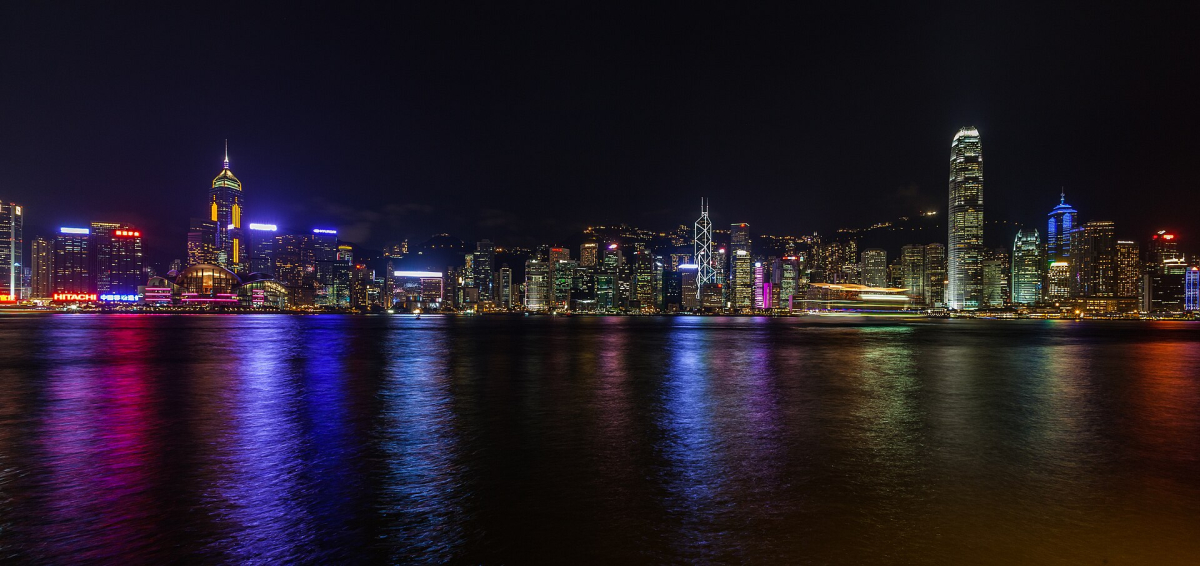
Choose the scene, then choose the light and a lawful place to stand. Hong Kong’s harbour skyline, steep streets, temple gardens and island waterfronts need different approaches. The route below prioritises public settings and practical timing; it does not claim personal shooting experience or permission to enter private rooftops and apartment courtyards.
Tsim Sha Tsui: the Island Skyline
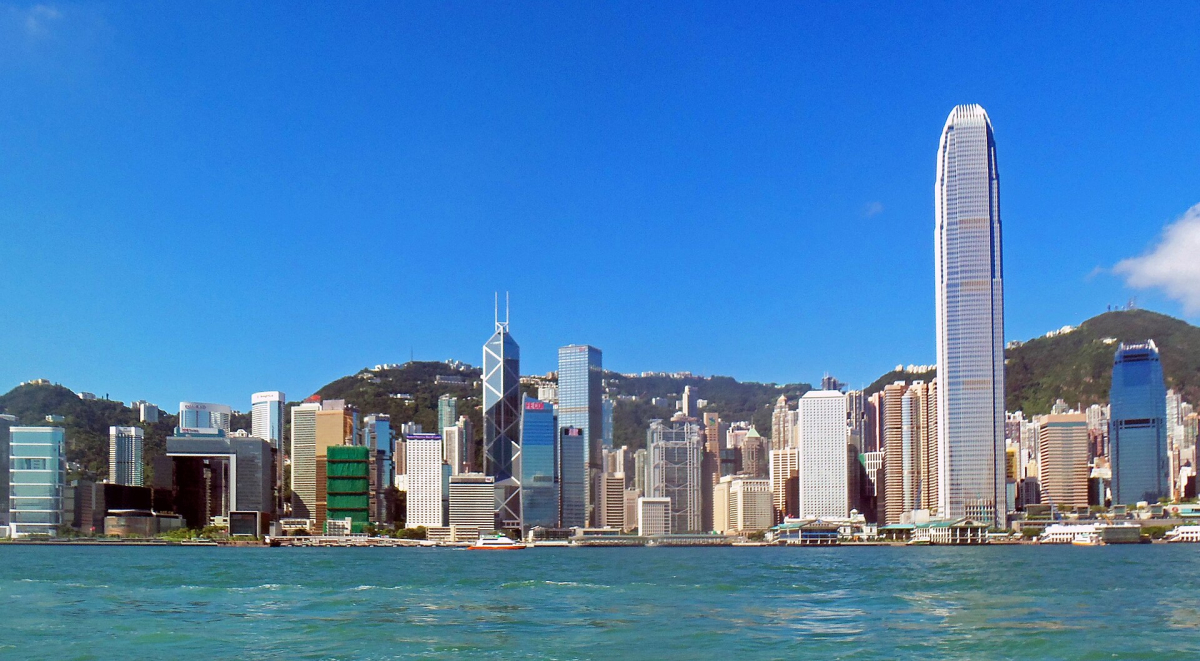
The Kowloon waterfront looks across Victoria Harbour towards Hong Kong Island. A wider lens shows water, towers and sky; a moderate telephoto can isolate layers of buildings or a passing ferry. Arrive before dusk to choose a position and keep the pedestrian route open. Blue hour changes quickly, so settle in instead of moving continuously during the best light.
Check event access and the actual weather before carrying a tripod. Use a stable handheld technique when crowds leave no safe place for legs. A public waterfront is not permission to occupy a large area or block accessible routes. Keep camera straps clear of railings and stay behind barriers.
The Peak: Elevation and Visibility
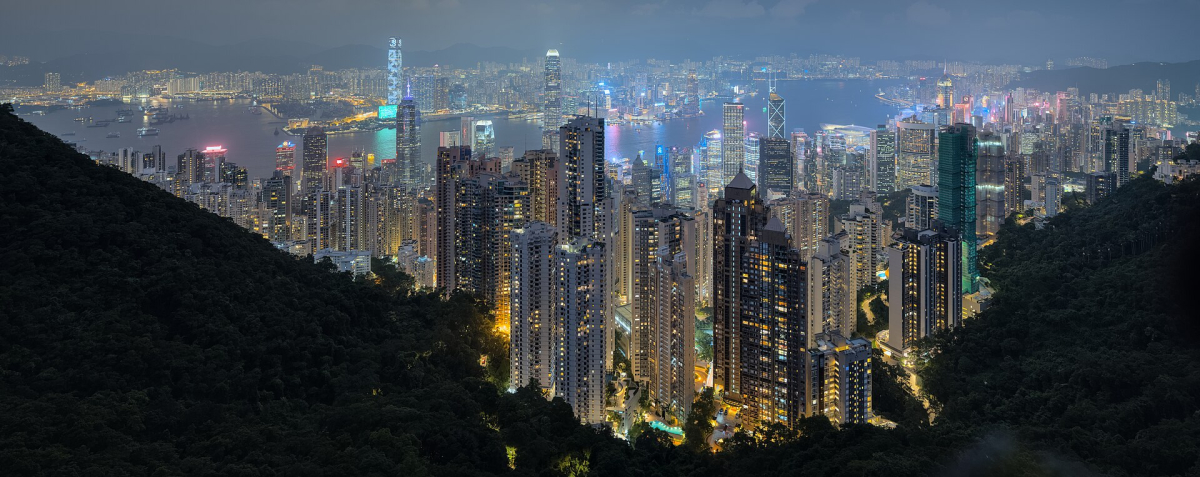
A high viewpoint shows how Hong Kong Island, the harbour and Kowloon fit together. Clear visibility matters more than simply reaching the top. Before buying a ticket or making the ascent, check whether low cloud hides the view. If it does, move the visit to another day and work on street details or a lower waterfront scene.
Sky Terrace and the public Peak paths have different access and ticket considerations. Choose the route suitable for your mobility and available daylight, and leave time for the descent. Do not treat a long exposure as a reason to obstruct a narrow path or step beyond a safe edge.
Street Layers, Heritage and Gardens
In Sheung Wan and Central, look for changes of level, tram wires, shopfront details and the relationship between old buildings and newer towers. A short route you can walk slowly often produces more coherent pictures than chasing distant social-media locations. Avoid close portraits without consent and leave working entrances clear.
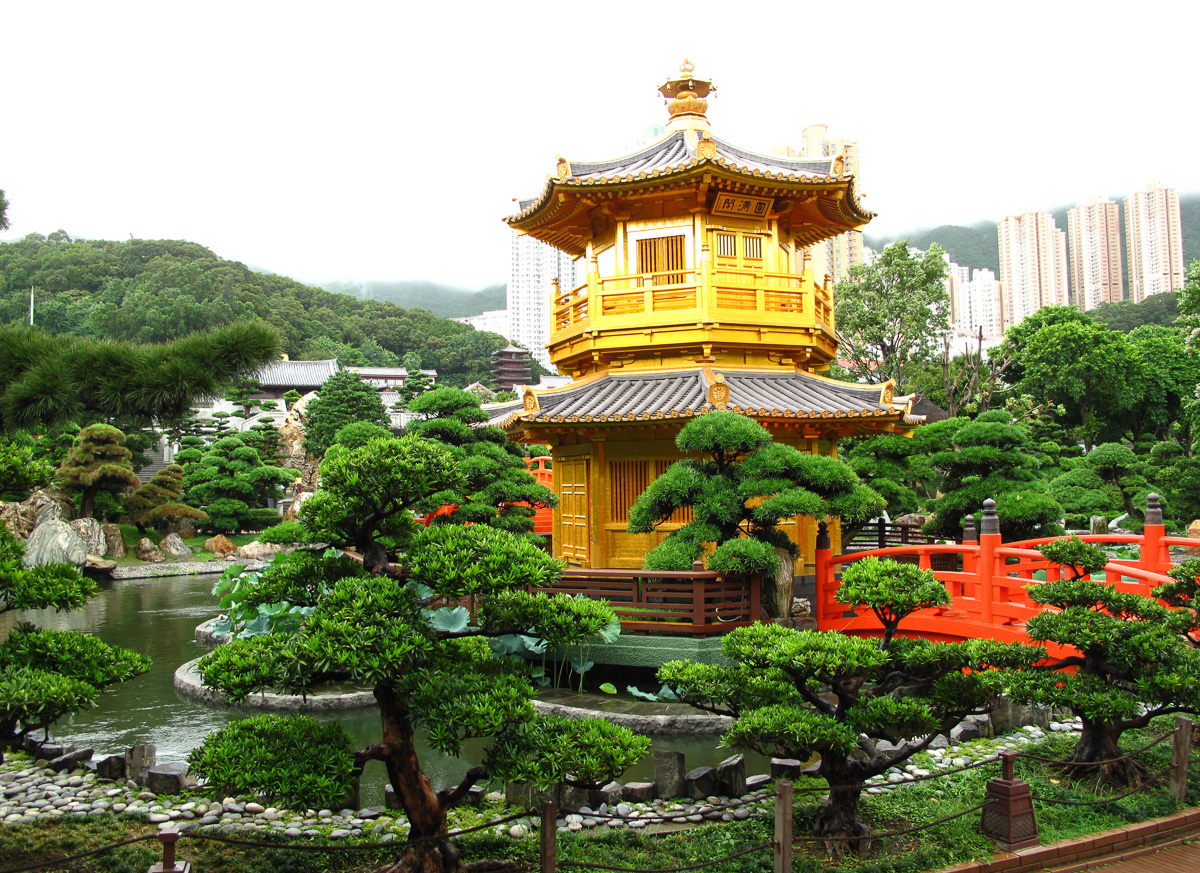
At Nan Lian Garden and temple settings, use the paths to frame architecture and planting, and follow the site’s actual rules. Indoor galleries can have exhibition-specific restrictions even when exterior photography is permitted. The HKTB photo-location guide is a starting point for locations, not a universal permission for flash, tripods or commercial work.
Tai O and the Island Waterfronts
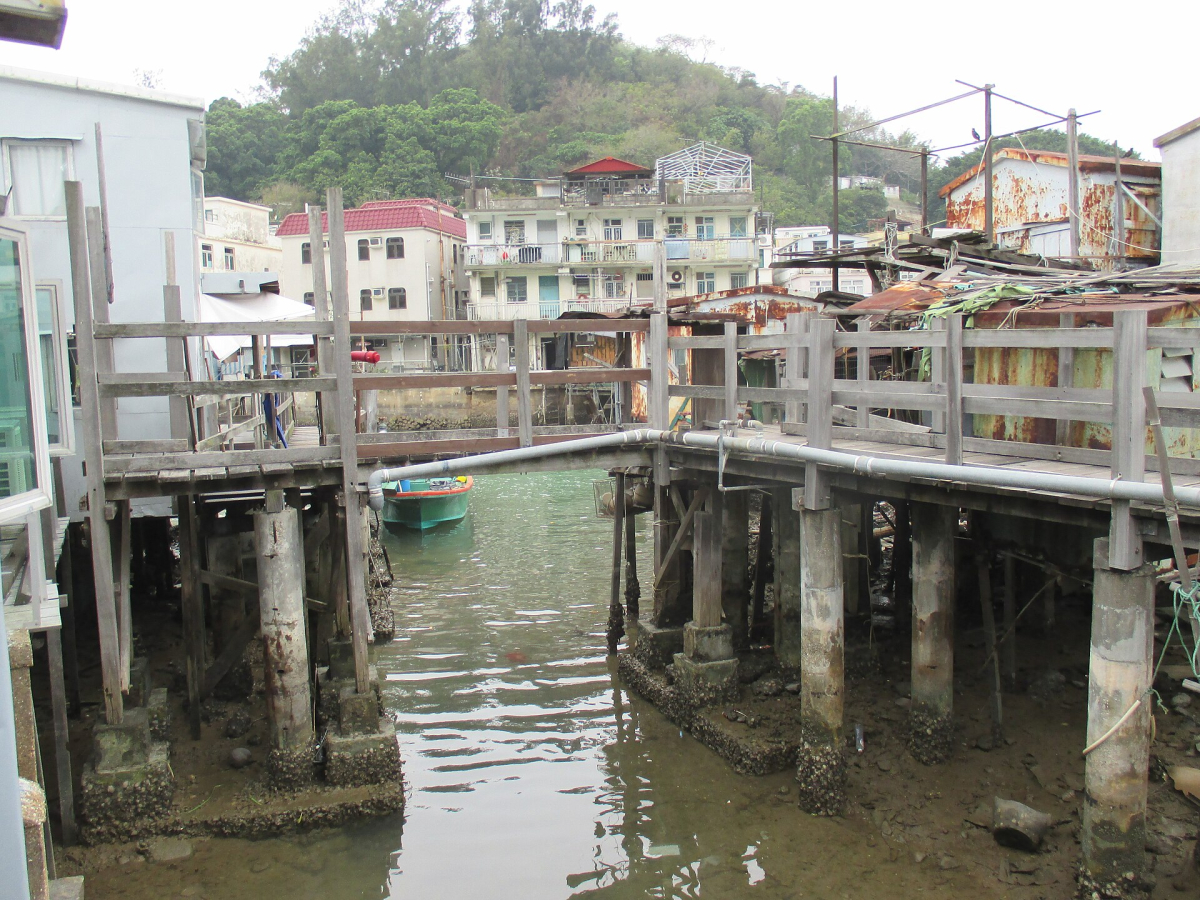
Tai O’s stilt-house setting calls for a slower visit and attention to the boundary between public paths and homes. Keep to lawful access, ask before photographing people at close range and avoid treating residents’ doorways as staging points. A longer lens can capture layers without needing to lean over water or enter a private passage.
Cheung Chau and Lamma offer boats, village streets and changing coastal light. Choose one island and know the return sailing before you begin. Do not let sunset photography push you into a hurried dark walk or the last uncertain boat. Day-trip logistics are in Itineraries & Day Trips.
An Achievable Photo Afternoon
On small screens, scroll the table sideways to compare every column.
| Stage | Subject | Practical choice |
|---|---|---|
| Early afternoon | Sheung Wan street details | Walk slowly and pause in shade; respect trading space |
| Later afternoon | Central waterfront and ferry activity | Check the correct pier and allow queuing time |
| Before dusk | Star Ferry crossing to Tsim Sha Tsui | Keep a safe position; glass and movement affect pictures |
| Dusk/blue hour | Hong Kong Island skyline from Kowloon | Choose a position early and keep the promenade clear |
| Afterwards | Dinner nearby and a planned return | Avoid another distant viewpoint after the best light |
This route does not also include the Peak. Give that viewpoint a separate clear-weather slot. For a slower pace or reduced mobility, choose one waterfront segment and a suitable indoor break, checking the exact station exit and surface along the way.
Equipment, Permissions and Weather
A small camera kit is easier to carry on crowded transport and steep streets. Bring rain protection, a clean cloth for humid conditions, a spare battery and a secure strap. A wide-angle and a moderate focal length cover many scenes; do not carry a tripod automatically when the route is mainly narrow lanes or busy piers.
Check venue rules for flash, tripods and professional photography. Drone flying has separate aviation, location and privacy requirements; this guide does not establish permission to launch. Avoid photographing sensitive activity, protests or police without considering current official advice and personal safety. Use Safety & Useful Contacts and Responsible Travel before heading out.
Frequently Asked Questions
Which side gives the classic Hong Kong Island skyline photo?
The Tsim Sha Tsui waterfront on the Kowloon side looks towards Hong Kong Island. Central provides a different view towards Kowloon.
Should I photograph the Peak and Tsim Sha Tsui at the same sunset?
Choose one. The transfer and queues make it easy to miss the changing light at both. Give the Peak a separate clear-weather slot and keep the waterfront session unhurried.
Can I enter a residential courtyard for a well-known shot?
Only with lawful access and permission where required. Social-media popularity does not turn private property into a public viewpoint; use public alternatives and respect residents.
